
个人音频领域正经历一场革命。到2026年,涵盖便携式蓝牙型号、智能扬声器及紧凑型高保真组件的小型扬声器,将通过材料科学、人工智能和可持续工程的融合实现转型。这一演进超越了音质的简单渐进式改进,旨在创造深度自适应、环保且无缝集成的音频体验。本文探讨了即将在不久的将来重新定义小型扬声器技术的最重大创新。.
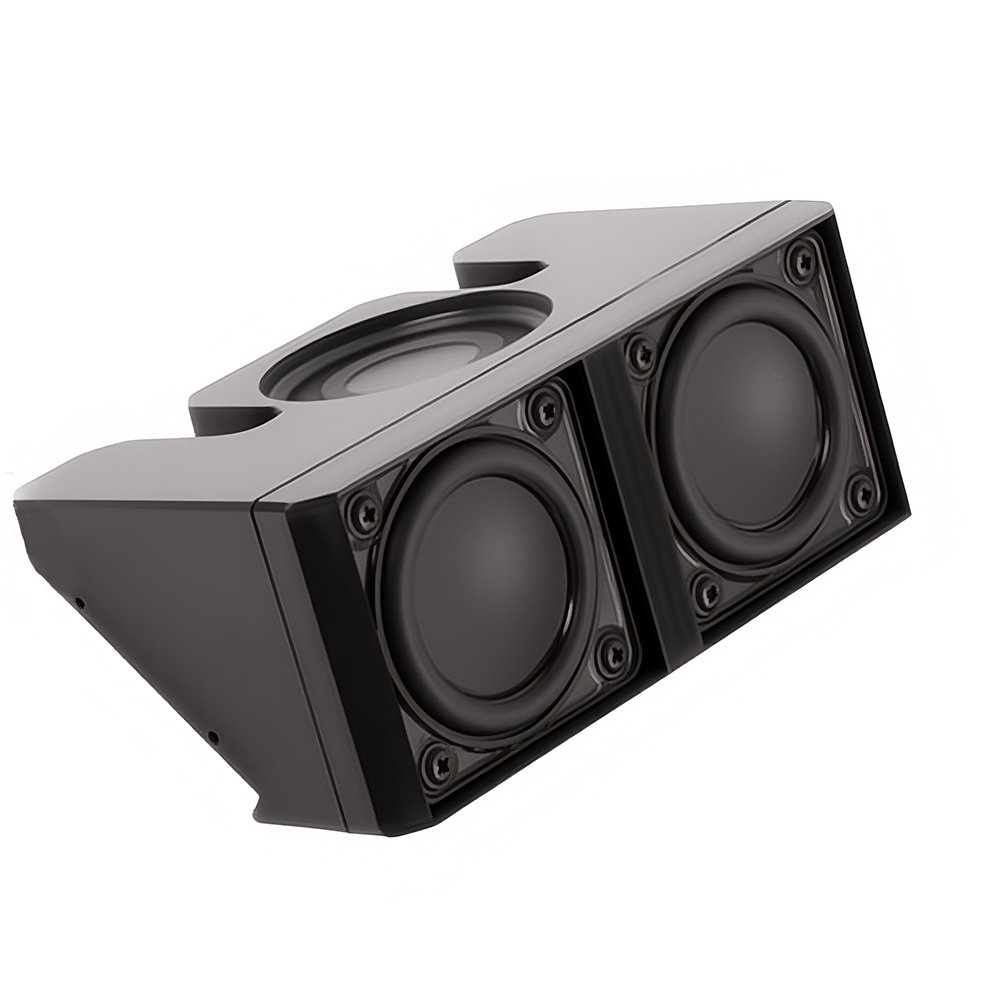
生物基与自修复材料的崛起
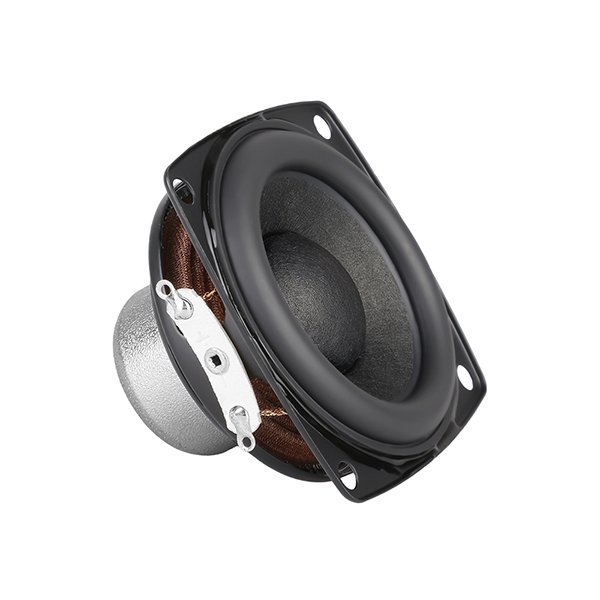
2026年的一个主要焦点是摆脱传统塑料和金属。可持续性不再是小众特性,而是核心工程原则。我们正目睹以下领域的快速发展: 菌丝体复合材料 و 藻类衍生聚合物 用于扬声器外壳。这些材料具有出色的声学阻尼特性,自然减少不必要的箱体共振以获得更纯净的声音,同时在生产过程中实现碳中和甚至碳正效应。.
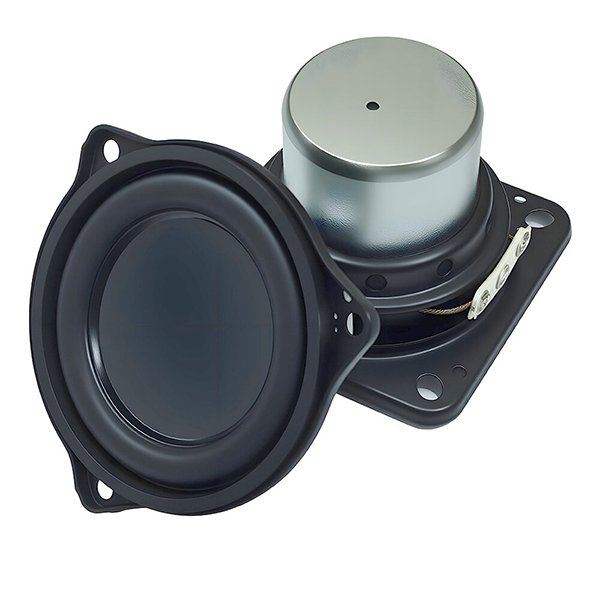
此外,材料科学的前沿引入了: 自修复振膜与悬边. 。利用微胶囊聚合物或仿生材料,这些组件可修复因磨损或压力造成的微小撕裂或变形,显著延长扬声器的使用寿命和耐用性。这一创新解决了便携式扬声器的关键故障点,且不影响声学性能。.
表1:下一代扬声器外壳材料对比分析
| مادة | 关键特性 | 声学优势 | 可持续性影响 |
| :— | :— | :— | :— |
| 传统ABS塑料 | 低成本、可塑性强 | 易共振、需阻尼 | 高碳足迹、不可生物降解 |
| 菌丝体复合材料 | 天然阻尼、轻质 | 减少箱体共振、音色更温暖 | 碳负效应、完全可堆肥 |
| 再生铝(CNC加工) | 刚性、高端质感 | 最小共振、精密工程 | 回收能耗高、耐用 |
| 藻类基聚合物 | 高强度重量比 | 性能一致、阻尼良好 | 碳封存、海洋可降解 |
人工智能驱动的声学优化与个性化
人工智能的角色正从简单的语音助手功能转变为扬声器音频性能的中枢神经系统。到2026年,, 设备端实时AI数字信号处理 将成为标准。与预设均衡曲线不同,这些系统利用内置麦克风持续分析扬声器环境——考虑房间大小、家具、摆放位置甚至环境噪音水平——并实时调整频率响应和相位对齐以获得最佳音效。.
此外,, 深度学习个性化 将根据用户个人听力特征定制音频输出。通过分析收听偏好,并在用户同意下利用来自配套健康设备的数据,扬声器不仅适应房间环境,还适应用户的听觉感知,为其独特听力增强清晰度和细节。.
固态电池集成与多源能量采集
电池续航仍是一个关键挑战。下一次飞跃来自以下技术的集成: 固态电池. 。其提供更高能量密度、更快充电速度和更高安全性,将实现在相同外形尺寸下更长的播放时间,或在更小封装中集成更强大的组件。预计2026年的旗舰便携式扬声器将因此技术实现30-50%的电池续航提升。.
同时,, 多源能量采集 将增强电池系统。高级型号将集成: 高效光伏电池 于织物或外壳中,, 压电元件 将扬声器自身的振动转化为少量电能,以及增强的 无线充电 兼容性。这为室内外使用创造了“持续播放”的范式,大幅减少对电网的依赖。.
先进触觉反馈与有形用户界面
用户交互正超越按钮和语音。. 情境感知触觉反馈 将通过细微振动提供命令、音量变化或模式切换的有形确认,使交互更直观,减少对视觉提示的依赖。.
更激进的是,我们正看到以下原型: 变形表面 و 触敏织物界面. 。想象一款扬声器,其顶部控制面板在需要时微妙升起形成物理旋钮,或一款织物覆盖层允许你在任意位置滑动或点击控制播放。这些创新旨在使界面更有机,并融入扬声器的设计语言。.
**النطاق فائق العرض (UWB) للصوت المكاني الدقيق وتكامل النظم البيئية**
**سيكون معيار الاتصال المختار لعام 2026 هو** **النطاق فائق العرض (UWB)**. **. إن قدراته على تحديد المدى بدقة هي المفتاح للجيل القادم من** **الصوت المكاني المحمول**. **. يمكن لنظام مكون من مكبري صوت أو أكثر صغيرة ومجهزة بتقنية UWB أن يكتشف تلقائيًا مواضعها النسبية بالنسبة لبعضها البعض وبالنسبة للمستمع، مما يُنشئ مسرحًا صوتيًا استريو أو غامرًا معايرًا بشكل مثالي في أي مكان، دون الحاجة إلى إعداد يدوي.**.
**علاوة على ذلك، تحول تقنية UWB مكبر الصوت إلى** **محور واعٍ بالسياق** **للمنزل الذكي. يمكنه تحديد موقع المستخدم الذي يحمل هاتفًا مزودًا بتقنية UWB بدقة، مما يسهل نقل الصوت من غرفة إلى أخرى أو تشغيل أتمتة محددة أثناء تنقلك في مساحتك، مما يُنشئ نظامًا بيئيًا أكثر تماسكًا وذكاءً.**.
**تصميم مستدام ومعياري للاقتصاد الدائري**
**الابتكار هو أيضًا اقتصادي وبيئي. إن** **هندسة مكبر الصوت المعيارية** **ستكتسب زخمًا. ستكون المكونات الرئيسية مثل البطاريات والمحركات والوحدات اللاسلكية قابلة للاستبدال من قبل المستخدم باستخدام أدوات بسيطة، مما يحارب التقادم المخطط له. شركات مثل Framework في مجال أجهزة الكمبيوتر المحمولة تمهد الطريق، والصوت يتبع ذلك.**.
**يتوافق هذا مع** **نموذج الاقتصاد الدائري**, **، حيث يقدم المصنعون برامج إعادة الشراء، ويجددون الوحدات، ويوفرون دعمًا برمجيًا طويل الأمد. إلى جانب المواد الحيوية المذكورة سابقًا، تم تصميم مكبر الصوت الصغير لعام 2026 ليس فقط لاستخدامه الأول، بل لدورات حياة متعددة، مما يقلل من النفايات الإلكترونية.**.
**أسئلة وأجوبة احترافية حول تقنية مكبرات الصوت الصغيرة لعام 2026**
**س1: ما مدى أهمية مكاسب الأداء من التحسين في الوقت الفعلي القائم على الذكاء الاصطناعي بالنسبة للمستخدم العادي؟**
**ج1: ستكون المكاسب كبيرة وملحوظة فورًا. تم ضبط مكبرات الصوت التقليدية لبيئة مثالية خالية من الصدى - وهي حالة لا يفي بها أي غرفة معيشة أو فناء خلفي. يعمل التحسين في الوقت الفعلي بالذكاء الاصطناعي على تصحيح هذه العيوب الواقعية باستمرار، مثل فقدان الصوت الجهير بسبب وضع مكبر الصوت في الزاوية أو تشوش الترددات العالية بسبب الأثاث الناعم. بالنسبة للمستخدم العادي، هذا يعني صوتًا كاملًا وواضحًا ومتوازنًا باستمرار بغض النظر عن مكان وضع مكبر الصوت، مما يوفر فعليًا تجربة “دائمًا مضبوط بشكل مثالي” دون الحاجة إلى أي معرفة تقنية.**.
**س2: هل المواد الحيوية مثل الميسيليوم متينة بما يكفي لمكبرات الصوت المحمولة المخصصة للاستخدام الخارجي؟**
**ج2: هذا هو محور التركيز الرئيسي للبحث والتطوير الحالي. كانت مركبات الميسيليوم المبكرة بالفعل استرطابية (تمتص الماء). ومع ذلك، فإن معالجات الجيل الأحدث التي تستخدم مواد مانعة للتسرب حيوية غير سامة قد حسنت بشكل كبير مقاومة الرطوبة والأشعة فوق البنفسجية. تُظهر النماذج الأولية الرائدة من شركات مثل Ecovative Design و Bolt Threads، بالتعاون مع العلامات التجارية الصوتية، متانة مماثلة للبلاستيك متوسط الدرجة في اختبارات التقادم المتسارع. بحلول عام 2026، نتوقع أن تستخدم مكبرات الصوت المحمولة الخارجية الراقية هذه المركبات الحيوية المتقدمة والمستقرة، مما يوفر بديلاً صديقًا للبيئة ومتميزًا دون التضحية بالمتانة.**.
**س3: مع البطاريات ذات الحالة الصلبة (SSBs)، هل من المحتمل أن نرى انخفاضًا في حجم مكبر الصوت، أم سيكون التركيز على وقت التشغيل الممتد؟**
**ج3: في البداية، ستوجه الفائدة الأساسية نحو** **تمديد وقت التشغيل وإخراج الطاقة**. **. استبدال حزمة ليثيوم أيون ببطارية SSB من نفس الحجم المادي يوفر فورًا طاقة أكبر، والتي سيستخدمها المهندسون لتشغيل مكبرات صوت ومحولات طاقة أكثر قوة لفترة أطول. ومع ذلك، مع زيادة إنتاج SSB وتحسن كثافة الطاقة بشكل أكبر، ستركز موجة ثانوية من الابتكار على التصغير. قد نشهد بحلول أواخر عام 2026 أو 2027 فئة جديدة من مكبرات الصوت “فائقة الصغر” التي توفر خرج ووقت تشغيل وحدات اليوم متوسطة الحجم في شكل أصغر بكثير.**.
**س4: كيف يختلف الصوت المكاني القائم على UWB عن الصوت المكاني الحالي القائم على “تتبع الرأس” في سماعات الرأس؟**
**ج4: إنها تحل مشاكل مختلفة. يستخدم الصوت المكاني في سماعات الرأس (مثل Dolby Atmos Music) تتبع الرأس لتثبيت كائنات صوتية افتراضية في فضاء ثلاثي الأبعاد** **حول رأسك**, **، مما يخلق تأثيرًا سينمائيًا شخصيًا غامرًا.**. **الصوت المكاني القائم على UWB لمكبرات الصوت** **يهدف إلى إعادة إنشاء مسرح صوتي دقيق ومستقر** **في غرفة مادية**. **. إنه يؤتمت العملية المملة لوضع مكبر الصوت ومعايرته. على سبيل المثال، يمكن لمكبري صوت محمولين يستخدمان UWB أن يعرفا فورًا أنهما على بعد 15 قدمًا وأن أحدهما بزاوية 30 درجة عن المستمع، ثم يستخدمان معالجة الإشارات الرقمية (DSP) لمحاذاة الصورة المجسمة وتأخيرات الوقت بشكل مثالي، مما ينشئ “نقطة حلاوة” استماع مثالية تلقائيًا. يتعلق الأمر بإعداد استريو مثالي أو متعدد الغرف، وليس صوتًا ثلاثي الأبعاد شخصيًا.**.
**ملاحظة: الابتكارات والتوقعات البيانية في هذه المقالة تستند إلى تحليل خطوط أنابيب البحث والتطوير الحالية، وبراءات الاختراع من الشركات الصوتية والتكنولوجية الرائدة (مثل Apple و Sony و Google و Sonos)، وأبحاث علوم المواد المنشورة في مجلات مثل** **Advanced Materials**, **، والتوقعات السوقية من محللي الصناعة مثل Futuresource Consulting و Grand View Research حتى أوائل عام 2025. مقاييس الأداء المحددة (على سبيل المثال، تحسين البطارية بنسبة 30-50%) هي استقراءات من معالم خارطة طريق البطاريات ذات الحالة الصلبة المعلنة.**.