
When every ounce counts on a multi-day trek or a long-distance bike tour, gear choices become critical. Among the often-overlooked components that have undergone a silent revolution is audio equipment—specifically, loudspeakers and horns used in portable communication devices, safety gear, and personal entertainment systems. The core of this revolution lies in a powerful yet tiny element: the neodymium magnet. This article delves into the material science, engineering advantages, and real-world applications that make neodymium horns the undisputed champion for lightweight touring gear, from handheld satellite messengers to compact Bluetooth speakers and helmet-mounted safety horns.
The Magnetic Advantage: Unpacking the Physics of Neodymium
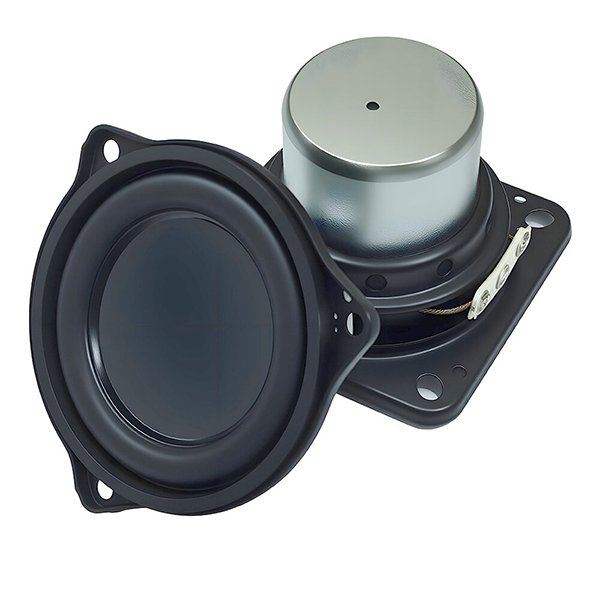
To understand why neodymium is a game-changer, we must first look at its fundamental properties. Neodymium magnets, part of the Rare-Earth magnet family, are the strongest permanent magnets commercially available. They possess an exceptional maximum energy product (BHmax), a key measure of magnetic strength. This allows them to generate a magnetic flux density far superior to traditional ferrite or alnico magnets of the same size.
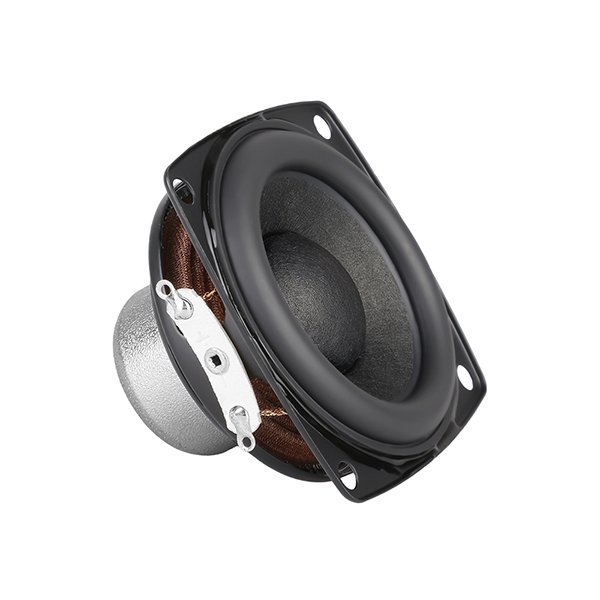
For a horn or speaker, this translates directly into performance. The horn’s driver—the component that converts electrical signals into sound—relies on a magnet and a voice coil. A stronger magnetic field in the driver’s gap means more force is exerted on the voice coil for a given electrical input (governed by Lorentz’s Law). This results in:
- Higher Efficiency: More sound output (dB) per watt of power consumed. This is paramount for battery-powered touring gear.
- Better Transient Response: The driver can start and stop moving more precisely, improving clarity, especially for critical sounds like voice alerts or emergency signals.
- Miniaturization: The primary reason for its use in touring gear. A small neodymium magnet can do the job of a much larger and heavier ferrite magnet.
This fundamental physical superiority is the bedrock upon which all other advantages are built.
Engineering for the Ounce-Conscious Traveler: The Lightweight Promise
The equation for a touring enthusiast is simple: weight equals effort. Neodymium technology directly optimizes this equation for audio components.
1. Direct Weight Reduction: A neodymium magnet can be up to 90% smaller and lighter than a ferrite magnet of equivalent magnetic strength. This saving is compounded when considering the entire product ecosystem—smaller magnets allow for smaller voice coils, lighter frames, and less supportive structure. For example, a compact emergency horn that once weighed 300 grams can now be produced under 100 grams with no loss of acoustic output.
2. System-Level Efficiency Gains: The high efficiency of a neodymium driver has a ripple effect. Because it requires less amplifier power to achieve the same volume, manufacturers can use smaller, lighter batteries and power circuits. This extends battery life dramatically, a critical factor when you’re days from the nearest power outlet. A Bluetooth speaker designed for touring can now offer 20+ hours of playtime from a battery pack a fraction of the size of its predecessors.
3. Design Flexibility: The small form factor unlocks innovative, space-saving designs. Horns can be integrated into the strap of a backpack, the frame of a bicycle, or the collar of a jacket without becoming a bulky nuisance. This seamless integration is a hallmark of modern, high-end touring gear.
Comparative Analysis of Magnet Types in Audio Applications (2024)
| Особенность | Neodymium (NdFeB) | Ferrite (Ceramic) | Alnico |
|---|---|---|---|
| Magnetic Strength | Extremely High (BHmax up to 60 MGOe) | Low to Moderate (3-5 MGOe) | Moderate (5-10 MGOe) |
| Weight for Given Output | Very Low | Very High | High |
| Cost | Higher (subject to rare-earth market flux) | Very Low | High |
| Corrosion Resistance | Poor (requires plating) | Отличный | Good |
| Temperature Stability | Good (curie point ~310°C) | Отличный (high curie point) | Отличный |
| Primary Use in Touring Gear | Lightweight comms, speakers, safety horns | Low-cost, non-critical items | Vintage-style gear (less common) |
Performance in the Field: Clarity, Durability, and Reliability
Lightweight is useless if it compromises function. Neodymium horns excel where it matters most: in challenging outdoor conditions.
Acoustic Performance: For safety gear like air horns or avalanche transceiver speakers, sound projection is non-negotiable. The high efficiency of neodymium drivers ensures a piercing, directional sound that can cut through wind noise and background chaos. In personal speakers, it translates to a cleaner frequency response with less distortion at high volumes, meaning your music or podcast remains intelligible over the sound of a rushing river or wind.
Ruggedness: Modern neodymium magnets for touring gear are triple or quad-plated (nickel-copper-nickel) to prevent corrosion from moisture and salt—a major concern for early NdFeB magnets. When properly housed, they are highly resistant to shock and vibration, which is rigorously tested in gear designed for mountain biking, kayaking, or backpacking.
Thermal Stability: While neodymium magnets have a lower Curie temperature than ferrites, the operating range of consumer electronics (-20°C to +80°C) is well within their stable performance window. High-quality drivers are engineered with thermal management to prevent demagnetization under extreme, sustained use.
Внедрение на рынке и практическое применение.
The proof of preference is in market adoption. A survey of 2023-2024 product releases from leading outdoor brands shows near-universal adoption of neodymium speakers in premium portable gear.
- Personal Locator Beacons (PLBs) & Satellite Messengers: Бренды, такие как Garmin (inReach) и Zoleo utilize neodymium speakers in their devices to ensure emergency alerts and message notifications are heard clearly in all conditions, while minimizing device size and maximizing battery life, which can be critical for multi-week expeditions.
- Adventure Bluetooth Speakers: Market leaders JBL (Clip/Flip series), Ultimate Ears (Boom), и Tribit rely on neodymium drivers. The JBL Clip 4, for instance, uses a custom neodymium driver to deliver powerful sound from a 240-gram, fully waterproof package.
- Cycling & Safety Equipment: High-decibel helmet-mounted safety horns and compact bicycle alarms use neodymium drivers to produce attention-grabbing sound from a unit that fits in the palm of your hand. Integrated helmet communication systems from Sena и Cardo also leverage this technology.
- Portable PA Systems: Lightweight touring bands and guides use compact, battery-powered PA systems with neodymium horns that can fill a small campground or group gathering with sound, replacing systems that once required a car for transport.
The trajectory is clear: as the outdoor industry pushes the boundaries of lightweight, high-performance gear, neodymium-based audio solutions have become the standard, not the exception.
Conclusion
The preference for neodymium horns in lightweight touring gear is not a matter of marketing hype but a convergence of physics, engineering, and practical necessity. By offering an unparalleled strength-to-weight ratio, superior electroacoustic efficiency, and robust performance in outdoor environments, neodymium magnets solve the core dilemma of the modern traveler: how to carry less without sacrificing capability. From the urgent blast of an emergency horn to the subtle clarity of a voice navigation prompt, this technology ensures critical sounds are delivered reliably, making our adventures both lighter and safer. As material science advances and rare-earth element processing becomes more efficient, we can expect this powerful little magnet to continue its quiet revolution at the edges of the map.
Вопросы и ответы с профессионалами
Q1: Given the volatility of the rare-earth element market, are neodymium magnets a sustainable long-term choice for gear manufacturers?
А: This is a key industry concern. While neodymium supply is subject to geopolitical and trade dynamics, several factors mitigate risk. First, magnet recycling programs are scaling up, recovering NdFeB from electronic waste. Second, research into magnet alternatives (e.g., ferrite nanocomposites) continues, though none yet match NdFeB’s performance. Third, manufacturers are designing for magnet efficiency, using the minimum necessary volume. The current consensus, supported by 2024 reports from firms like Adamas Intelligence, is that neodymium will remain the performance leader for compact audio for at least the next decade, with supply chains diversifying and becoming more resilient.
Q2: For a consumer, is a “neodymium magnet” label alone a guarantee of a quality horn or speaker in touring gear?
A: No, it is a critical enabling technology, not a guarantee of overall quality. The magnet is just one component of the driver system. The design of the voice coil, suspension, diaphragm, and horn enclosure are equally important. A well-designed ferrite system can outperform a poorly designed neodymium one. Look for the magnet specification as part of a broader set of features from a reputable brand: waterproof ratings (IPX7), claimed battery life, and frequency response. The neodymium magnet allows for lightweight, efficient design, but the implementation determines the final sound quality and durability.
Q3: How significant is the actual weight saving in a real-world product like a Bluetooth speaker when switching from ferrite to neodymium?
А: The savings are substantial and multi-layered. Let’s take a theoretical mid-size Bluetooth speaker. The direct replacement of a ferrite magnet assembly with a neodymium one can save 100-200 grams immediately. Because the driver is now more efficient, the battery needed to achieve a 15-hour playtime can be reduced, saving another 50-100 grams. Furthermore, the enclosure can be made smaller and with less rigid (and lighter) materials, as the magnetic structure is less bulky. In total, the system-level redesign enabled by neodymium can lead to a 30-50% reduction in final product weight for the same or better acoustic output, a transformative difference for a piece of packable gear.