
From Concept to Reality: Designing and Simulating Your Ideal Speaker
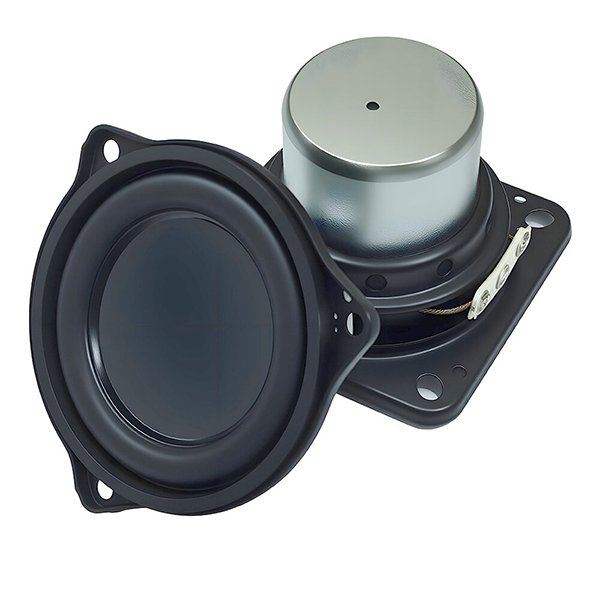
The journey of creating a custom speaker begins not in a workshop, but in the realm of ideas and precise digital simulations. This initial phase is arguably the most critical, as it sets the foundation for everything that follows. The process starts with a clear definition of the target application and user requirements. Are you designing a compact bookshelf speaker for critical listening, a robust outdoor loudspeaker, or a sophisticated in-wall home theater system? Each application dictates vastly different design parameters, including target frequency response, sensitivity, power handling, and physical size constraints.
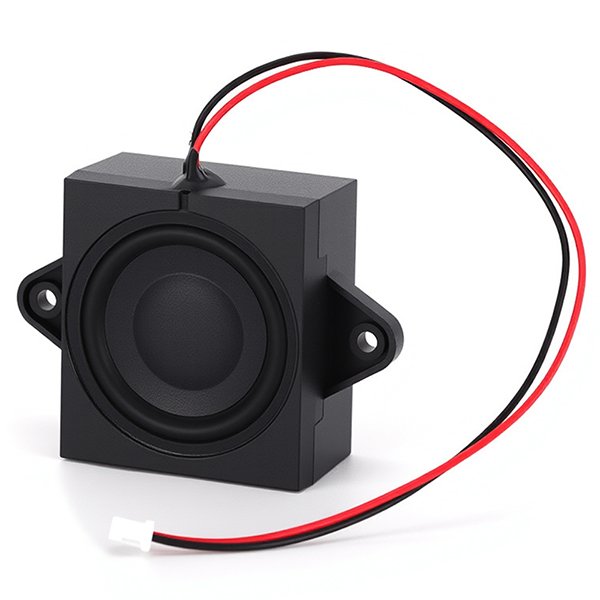
Once the goals are defined, engineers and designers turn to advanced acoustic simulation software. Tools like Finite Element Analysis (FEA), Boundary Element Method (BEM), and specialized software such as COMSOL Multiphysics, ANSYS, or LEAP have become industry standards. These programs allow for virtual prototyping of the speaker’s core components: the driver (comprising the magnet assembly, voice coil, cone, and surround), the enclosure (box), and the crossover network. In 2024, the integration of AI-driven predictive modeling is accelerating this phase, offering faster insights into potential performance outcomes based on material choices and geometry.
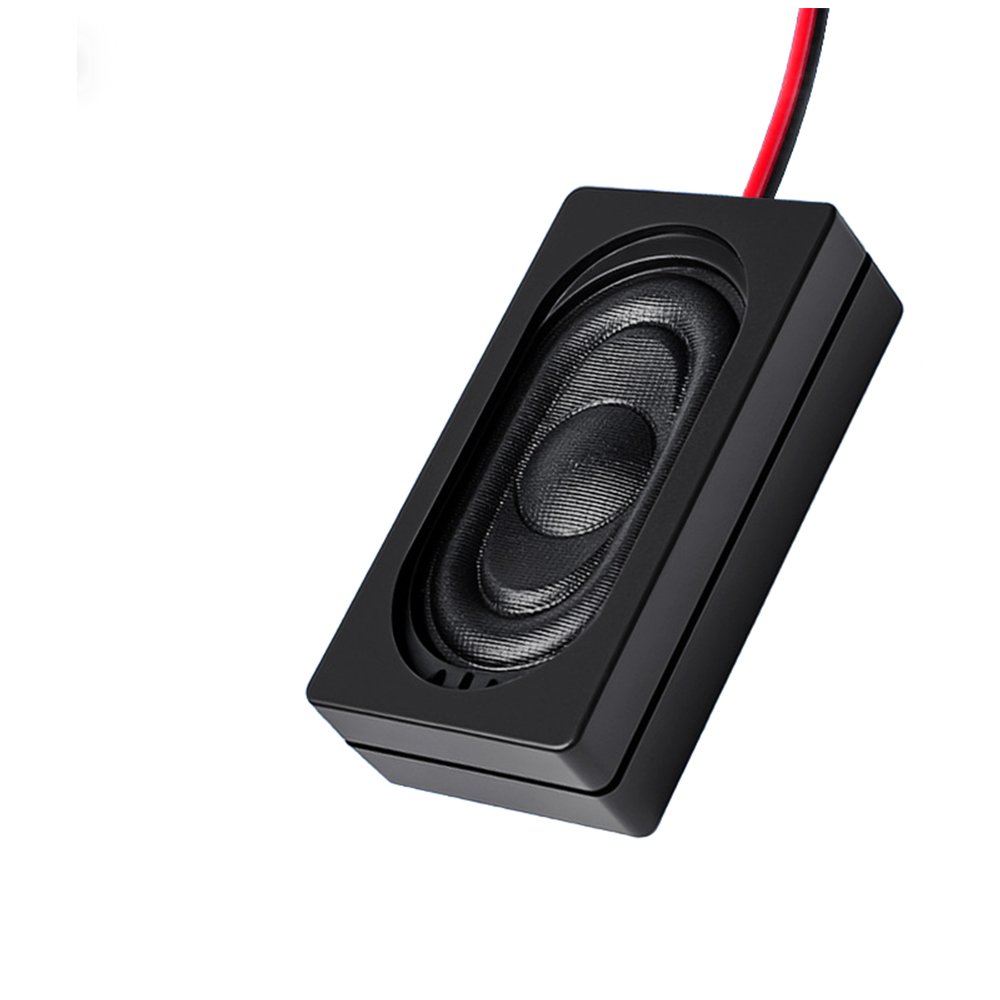
A key part of this stage is Thiele/Small parameter analysis. These small-signal parameters, measured from the raw driver, are the bedrock of loudspeaker enclosure design. They define the driver’s fundamental characteristics—like resonant frequency, electrical Q, and equivalent compliance—which are then used to simulate how the driver will behave in different enclosure types (sealed, ported, passive radiator, transmission line). The simulation predicts the system’s frequency response, bass extension, and overall efficiency. This digital iteration allows for rapid exploration of “what-if” scenarios, adjusting cabinet volume, port tuning, and driver selection long before any physical material is cut, saving significant time and cost.
Table: Key Software Tools for Speaker Design & Simulation (2024)
| Software Tool | Primary Use Case | Key Advantage |
| :— | :— | :— |
| COMSOL Multiphysics | Full multi-physics simulation (acoustics, structural, thermal) | High-fidelity modeling of complex interactions |
| VituixCAD | Crossover design and off-axis response simulation | Intuitive interface for network optimization |
| LEAP (Loudspeaker Enclosure Analysis Program) | Enclosure design and system integration | Industry-standard for low-frequency analysis |
| Klippel R&D System | Driver measurement and nonlinear modeling | Gold standard for characterizing driver parameters |
| ANSYS Mechanical | Structural and vibrational analysis | Ensuring mechanical integrity and reducing distortion |
Material Selection and the First Physical Prototype
With a validated digital model, the focus shifts from the virtual to the tangible. Material selection is where science meets art in speaker design. Every component material profoundly influences the final sonic signature.
Driver Components: The cone material (be it paper, polypropylene, aluminum, carbon fiber, or woven composites) is chosen for its stiffness, damping properties, and weight. For instance, a 2023 trend shows a resurgence in treated paper cones for their natural midrange, while advanced materials like graphene-coated diaphragms are gaining traction in high-end designs for their exceptional stiffness-to-weight ratio. The surround (the flexible rim connecting the cone to the basket) must be perfectly compliant; materials range from foam and rubber to advanced treated fabrics. The magnet structure, typically using neodymium or ferrite, is sized to provide the necessary motor strength for desired sensitivity and control.
Enclosure Construction: The enclosure’s job is to be acoustically inert. Resonance in the cabinet walls colors the sound, adding unwanted noise. Materials range from high-density fiberboard (HDF) and medium-density fiberboard (MDF)—the long-standing favorites for their density and ease of machining—to more exotic materials like birch plywood, aluminum composites, or molded polymers. For rapid prototyping, 3D printing has revolutionized this stage. Using materials like rigid photopolymer resins or nylon composites, designers can produce functional, complex cabinet shapes in days, allowing for testing of waveguides, baffle geometries, and internal bracing structures that would be prohibitively expensive to machine from wood initially.
The assembly of the first physical prototype is a meticulous process. This “alpha” prototype is built to the exact specifications of the digital model. Precision is paramount: driver cutouts, port dimensions, and internal volumes must match the simulation to validate its accuracy. This prototype is often crude in finish—it’s purely a functional test bed.
The Cycle of Measurement, Listening, and Iteration
This is where the theoretical meets the practical, and the iterative heart of prototyping begins. The first prototype undergoes rigorous objective and subjective evaluation.
Objective Testing is conducted in controlled environments, typically using an anechoic chamber or, for more accessible setups, quasi-anechoic measurement techniques with gated signals. A measurement microphone and system like Audio Precision или Klippel hardware/software are used to capture a comprehensive dataset:
- Frequency Response: On-axis and off-axis (horizontal and vertical), revealing tonal balance and directivity.
- Impedance Curve: Validates enclosure tuning and reveals driver resonance.
- Harmonic Distortion (THD, IMD): Quantifies nonlinear distortion at various output levels.
- Step Response and Cumulative Spectral Decay (Waterfall Plot): Visualizes time-domain behavior and resonance decay.
Any significant deviation from the simulation prompts a root-cause analysis. Is the bass response weaker than predicted? Perhaps there is an unaccounted-for air leak. Is there a peak in the midrange? A cabinet resonance or driver breakup mode may be the culprit.
Subjective Listening Tests are equally critical. Engineers and critical listeners evaluate the prototype in a calibrated listening room. They assess tonal accuracy, soundstage, imaging, dynamic impact, and listener fatigue. Notes are compared against the objective data. A speaker might measure flat but sound dull, often indicating issues in off-axis response or distortion characteristics not fully captured by standard plots.
This creates the iteration loop: Test → Analyze → Modify. A tweak to the crossover component values (changing a capacitor from 4.7µF to 3.9µF) might tame a treble peak. Adding internal damping material can suppress a standing wave. The port length might be adjusted by a few millimeters to fine-tune the bass tuning frequency. With each change, a new prototype or modification is made—sometimes just a new crossover board, sometimes a revised cabinet panel. This cycle may repeat dozens of times until the design converges on the performance target.
Final Validation, Documentation, and Pre-Production
Once the prototype meets all key performance criteria (both measured and listened to), it enters the final validation phase. This stage ensures the design is not only high-performing but also robust, manufacturable, and consistent.
Stress and Reliability Testing: The prototype is subjected to prolonged high-power operation, temperature cycling, and humidity exposure to test the durability of components, glue joints, and materials. The voice coil must not overheat, the surround must not deform, and the cabinet finish must not crack.
Manufacturing Feasibility Review: The design is reviewed for Design for Manufacturability (DFM). Can the cabinet be assembled efficiently on a production line? Are the chosen drivers available in sustainable quantities? Are crossover components sourced from reliable suppliers? Tolerances are defined for every part; for example, a cabinet’s internal volume might have a tolerance of ±2%, and a critical capacitor in the crossover might have a 1% tolerance to ensure unit-to-unit consistency.
Production of Golden Samples: A small batch of final prototypes, often called “golden samples” или “pilot run” units, is built using the intended production processes and materials. These units undergo the full battery of tests again. Their measurements create the reference data set against which all future production units will be quality-checked. This data also forms the basis for the speaker’s technical specification sheet.
Documentation is finalized, including:
- Detailed Bill of Materials (BOM) with approved vendor lists.
- Comprehensive assembly instructions and torque specifications.
- Finalized acoustic and electrical test procedures for Quality Control (QC).
- Packaging design to ensure safe transportation.
Only after this stage is complete and signed off does the design move into full-scale production. The prototyping process has de-risked the project, ensuring that what rolls off the assembly line faithfully reproduces the performance of that final, perfected prototype.
Professional Q&A on Custom Speaker Prototyping
Q1: With the rise of advanced simulation software, are physical prototypes still necessary?
А: Absolutely. While simulation accuracy has improved dramatically, physical prototypes remain indispensable. Simulations operate on idealized models and cannot yet account for all real-world variables like subtle material inconsistencies, complex nonlinear behavior at high excursion, glue joint effects, or the acoustic impact of final finishes and grilles. The prototype is the ultimate truth-teller, validating simulations and revealing unexpected interactions. It is also crucial for subjective listening tests, which are a non-negotiable part of audio product development.
Q2: What is the most common bottleneck or time-consuming part of the prototyping process?
А: The iteration loop between testing and modification is often the most time-consuming phase. Waiting for new crossover components to be shipped, for a machine shop to mill a revised cabinet panel, or for a 3D-printed part to be completed can add days to each cycle. This is why rapid prototyping technologies like 3D printing and modular crossover breadboards are so valuable—they dramatically shorten this iteration time. Additionally, achieving a consensus on subjective listening impressions can also extend timelines.
Q3: How much does a typical custom speaker prototyping process cost for a small to midsize audio company?
А: Costs are highly variable but can be substantial. For a single new speaker model, a professional prototyping process can range from $15,000 to $50,000+. This includes engineering time (the largest cost), simulation software licenses, measurement equipment access, materials for multiple prototype iterations, and costs for specialized machining or 3D printing. High-end or complex designs (e.g., a coaxial driver or a fully active DSP-based system) can push costs toward the higher end. This investment underscores why thorough digital simulation is used to minimize the number of costly physical iterations needed.
Q4: What’s a key trend in 2024 for streamlining speaker prototyping?
А: The integration of AI and machine learning with traditional simulation tools is a major trend. AI algorithms can now propose optimized designs based on target parameters, predict distortion characteristics from material data, and automatically correlate simulation results with measurement data to improve model accuracy. Furthermore, cloud-based collaboration platforms allow distributed teams of acousticians, electrical engineers, and mechanical designers to work on the same prototype data in real-time, significantly speeding up the decision-making process.