
Introduction: The Science and Soul of Long-Lasting Sound
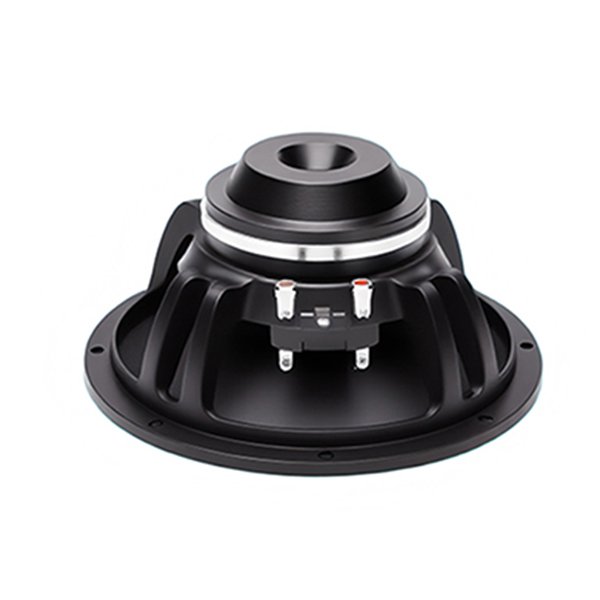
A loudspeaker is a marriage of precision engineering and artistic expression. While we often focus on the immediate impact of sound quality—the clarity of a vocal, the punch of a kick drum—its long-term performance and reliability are equally critical. Proper maintenance and rigorous durability testing are the unsung heroes that separate a fleeting auditory thrill from a decades-long sonic partnership. This guide delves deep into the practical steps you can take to preserve your speakers and the sophisticated science manufacturers employ to ensure they endure.
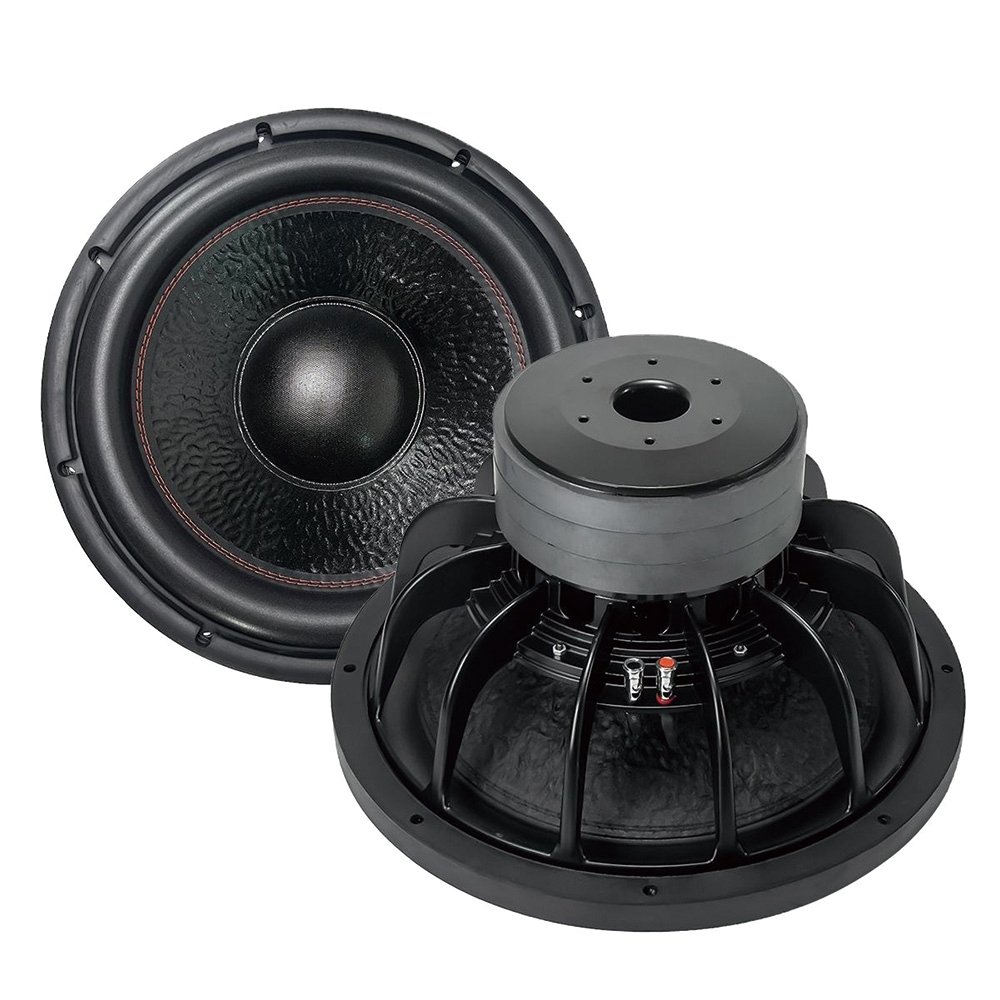
Think of your speakers not as static furniture, but as dynamic instruments. Their components, from the flexible spider and surround to the magnet and voice coil, are in constant motion, subject to fatigue, environmental stress, and material decay. Whether you’re an audio enthusiast investing in a high-end system, a studio engineer relying on critical monitoring, or a product developer designing the next generation of speakers, understanding maintenance and durability is key to protecting your investment and ensuring faithful sound reproduction.
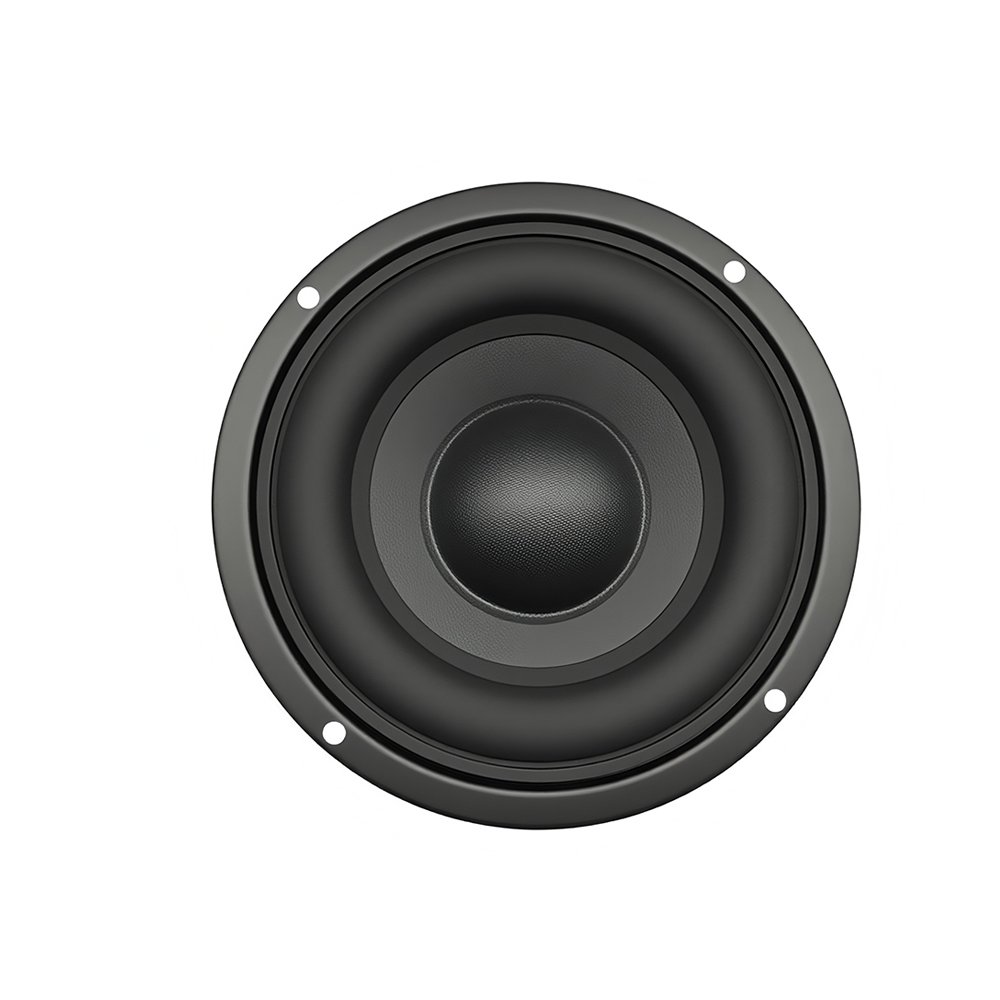
Part 1: Essential Loudspeaker Maintenance for Users
Regular Care and Preventive Practices
Daily and weekly maintenance is about environmental control and gentle cleaning. Dust is more than an aesthetic issue; it can clog ports, stiffen surrounds, and interfere with driver movement. Use a soft, dry microfiber cloth for cabinets and a soft brush (like a makeup brush) for driver cones and grilles. Never use chemical cleaners, solvents, or water on driver surfaces.
Placement is a critical maintenance factor. Keep speakers away from direct sunlight, which can warp cabinets and degrade surround materials. Maintain a stable humidity level (ideally 40-60%) to prevent moisture damage to paper cones and glue joints or excessive dryness that can make surrounds brittle. Ensure ample ventilation around power amplifiers in active speakers to prevent heat buildup.
Handling Common Issues: Break-in, Clipping, and Failures
The “break-in” period (more accurately, mechanical relaxation) for new speakers is real. It involves the loosening of the spider and surround, allowing for fuller cone excursion. This is not maintenance but a process to be aware of; play music at moderate volumes for 20-40 hours for the performance to stabilize.
The most common user-induced failure is thermal overload from amplifier clipping. When an amplifier is driven beyond its capacity, it sends distorted, square-wave signals to the voice coil. This causes excessive, inefficient heat buildup without proportional sound output, literally cooking the coil and adhesives. Always ensure your amplifier has clean headroom above your typical listening level.
Recognize the signs of distress:
- Distortion at Low Volume: A telltale sign of a damaged voice coil or rubbing parts.
- Buzzing or Rattling: Could indicate a torn surround, loose debris in the magnet gap, or a compromised cabinet joint.
- No Sound from a Driver: Check connections first, then it likely points to a blown voice coil or broken tinsel lead.
For any internal repair, unless you are highly experienced, seek a professional technician. Attempting to repair a driver without proper tools and knowledge often leads to irreversible damage.
Part 2: The Rigors of Durability Testing: How Speakers Are Proven
Manufacturers subject loudspeakers to tests far beyond normal use to predict their lifespan and failure modes. This engineering rigor is what defines a reliable product.
Key Testing Methodologies:
Long-Term Reliability (Life) Testing: Speakers are placed in environmental chambers and subjected to continuous or programmed signals (like pink noise) for hundreds, even thousands, of hours. Parameters like temperature and humidity are cycled to simulate years of use in different climates. Engineers monitor for changes in Thiele/Small parameters (like Fs, Vas, Qts), which indicate mechanical wear.
Stress and Destructive Testing: These tests find the absolute limits.
- Power Handling: Defined by standards like IEC 60268-5 or AES2. Speakers are tested with both continuous (RMS) and short-term (peak) signals to determine thermal and mechanical power limits.
- Excursion Limits: Low-frequency signals at high power are applied to test the physical limits of the cone, surround, and spider before physical failure (tearing, bottoming out).
- Climate Testing: Units undergo extreme cycles from sub-freezing to high heat (>70°C/158°F) and high humidity to test material integrity, glue bonds, and corrosion resistance.
Signal Integrity Testing: Using specialized test signals like log sweeps and multi-tone bursts, engineers can separate thermal compression (power loss due to heat) from nonlinear distortion, identifying weaknesses in the motor system or suspension.
Industry Standards and Data-Driven Design
Modern design leans heavily on predictive modeling and standardized tests. Finite Element Analysis (FEA) simulates stresses on cones and baskets. Advanced materials are tested for fatigue cycles. The data from these tests feeds directly into design iterations, making today’s speakers more durable than ever before.
Table: Common Loudspeaker Durability Tests & Standards
| Test Type | Standard/Method | Key Metric Measured | Simulates… |
| :— | :— | :— | :— |
| Long-Term Reliability | IEC 60268-22, In-house protocols | Parameter shift (Fs, Vas), THD increase | Years of typical use, material aging |
| Power Handling (Thermal) | IEC 60268-5, AES2 | Continuous (RMS) Power Rating | Sustained high-volume playback |
| Power Handling (Mechanical)| IEC 60268-5 | Peak/Short-term Power Rating | Musical transients, amplifier clipping |
| Environmental Stress | IEC 60068-2-1/2/30 | Functional integrity after cycling | Storage/use in varied climates |
| Vibration & Shock | ISTA, MIL-STD-810 | Physical integrity | Transportation, rough handling |
Part 3: Materials, Technology, and Future Trends in Durability
The battle for durability is won at the materials level.
Driver Components:
- Cones: Moving from basic paper to polypropylene, carbon fiber, woven composites, and ceramic-coated aluminum. The goal is high stiffness-to-weight ratio (low Mms) to resist deformation and breakup.
- Suspensions: Butyl rubber and advanced polymer blends have largely replaced foam for surrounds due to superior UV and oxygen resistance. High-temperature adhesives are used throughout.
- Voice Coils: Former materials like Kapton can suffer at very high temperatures. Aluminum wire with formers, copper-clad aluminum (CCAW), and hexagonal cross-section wires are used for better heat dissipation. Some high-power designs use ferrofluid in the magnet gap for cooling.
Cabinet Construction:
- Resonance is the enemy of clarity. Modern cabinets use high-density materials like MDF, layered Baltic birch plywood, or composite structures with internal bracing. Inert materials like stone composites or aluminum are used in high-end designs.
The Future: Intelligence and Diagnostics
The rise of active, DSP-driven speakers brings new maintenance and diagnostic capabilities. Built-in protection circuits actively limit signals to prevent thermal and excursion overload. Some pro-audio speakers feature system monitoring that can report temperature, excursion, and load status to the user or technician via software, enabling predictive maintenance before a failure occurs.
Conclusion: An Investment in Fidelity
Loudspeaker maintenance is an act of stewardship, preserving the fidelity and emotional impact of your audio system. By understanding the basic principles of care—environmental control, clean power, and gentle handling—you can dramatically extend the life of your speakers. Meanwhile, the complex world of durability testing represents the manufacturer’s commitment to that same longevity, ensuring that the speaker not only sounds exceptional on day one but continues to do so for years to come. In a world of disposable electronics, a well-made and well-maintained loudspeaker stands as a lasting testament to the enduring power of great sound.
Professional Q&A: Loudspeaker Longevity
Q1: How often should I realistically expect to replace or refoam the surrounds on my speakers?
А: The lifespan of foam surrounds is highly dependent on environment. In a controlled, temperate, and low-UV setting, they may last 15-25 years. In a sunny, humid, or highly variable climate, degradation can begin in 8-12 years. Advanced materials like butyl rubber or treated fabrics can last the lifetime of the speaker. Regular visual inspection for cracking, flaking, or loss of elasticity is the best guide. Refoaming is a common and cost-effective repair that can restore full performance.
Q2: In durability testing, what is the single most common point of failure in a modern loudspeaker driver?
А: Based on aggregated industry data from testing labs, the most frequent failure point remains the voice coil adhesive. Under sustained thermal stress, the adhesive bonding the coil wire to the former can soften, leading to unraveling or coil rubbing. The second most common is suspension (spider) fatigue over extreme excursion cycles. Modern designs specifically target these areas with high-temp adhesives (able to withstand >180°C/356°F) and spider materials with optimized compliance and linearity.
Q3: Do “break-in” tracks or specific frequencies actually help, or is it just playing music normally?
А: While the mechanical relaxation of suspension components is measurable, there is no evidence that specific tones or proprietary audio tracks are more effective than playing a wide variety of program material at moderate volumes. The process is about gentle, varied exercise. Playing a single high-excursion tone continuously could be more stressful than helpful. Normal listening at slightly below typical levels for the first 20-40 hours is perfectly sufficient and recommended.
Q4: With the rise of powerful Class D amplifiers, are speakers at greater risk of damage?
А: Not inherently. The risk remains amplifier clipping, not the amplifier topology. Modern Class D amps are highly efficient and can deliver substantial clean power. The danger lies in their affordability and size, which may lead users to pair a nominally powerful but low-quality amp with demanding speakers, pushing it into clipping. The principle remains: use an amplifier with a robust, clean power supply that exceeds your speaker’s continuous power rating for your typical listening level to maintain headroom and avoid clipping.