
Introduction: The Critical Importance of Authenticity in Neodymium Supply
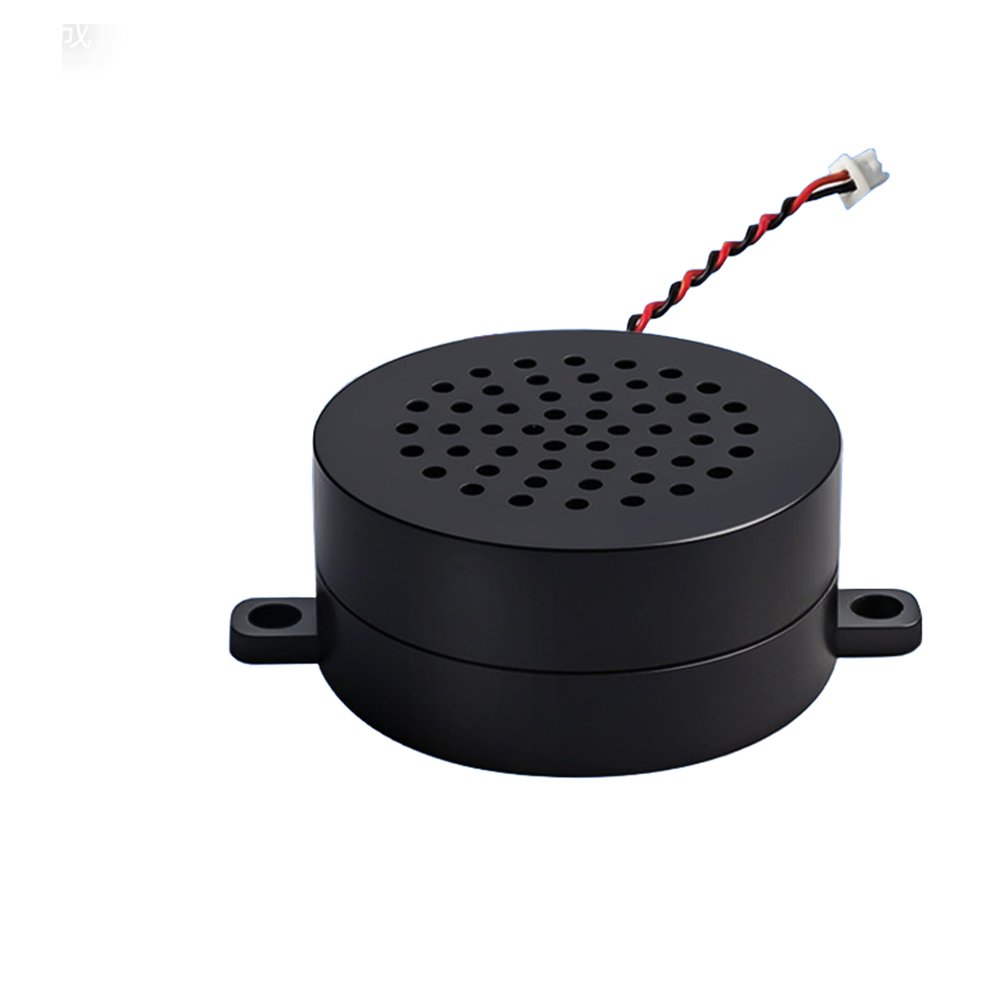
In the high-fidelity audio, automotive, and industrial loudspeaker markets, the neodymium horn driver is a pinnacle of performance. Its powerful magnetic field, derived from rare-earth neodymium-iron-boron (NdFeB) magnets, enables exceptional sensitivity, extended frequency response, and compact design. However, this performance is entirely contingent on the quality and authenticity of the core magnetic material. The global supply chain for sintered NdFeB magnets is complex, opaque, and fraught with risks, including counterfeit materials, misgraded magnetic properties, fraudulent certification, and unreliable suppliers. Sourcing authentic components is not merely a cost issue; it is a fundamental determinant of product reliability, brand reputation, and legal compliance. This guide provides a comprehensive, step-by-step framework for procurement specialists, engineers, and product managers to rigorously identify and vet authentic neodymium horn suppliers, safeguarding your production lines and end-products.
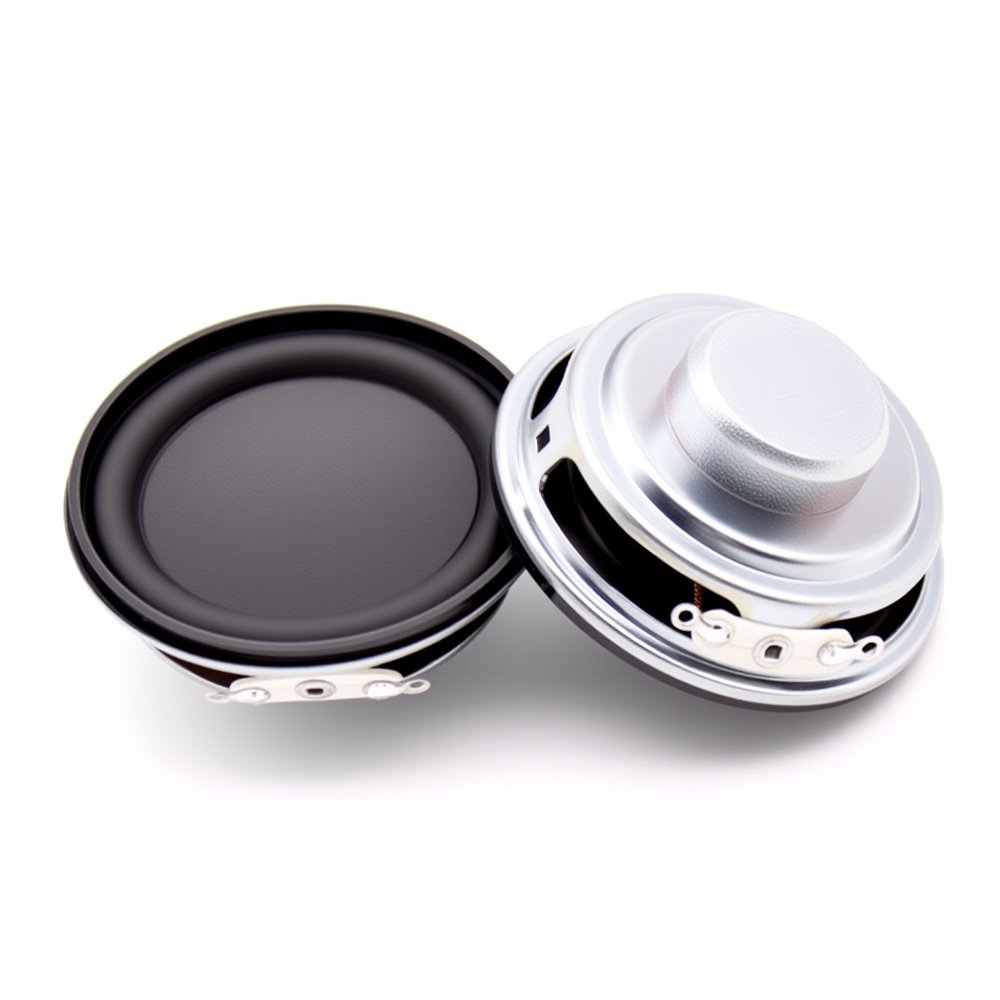
Deconstructing the Supply Chain: From Mine to Magnetoacoustic Assembly
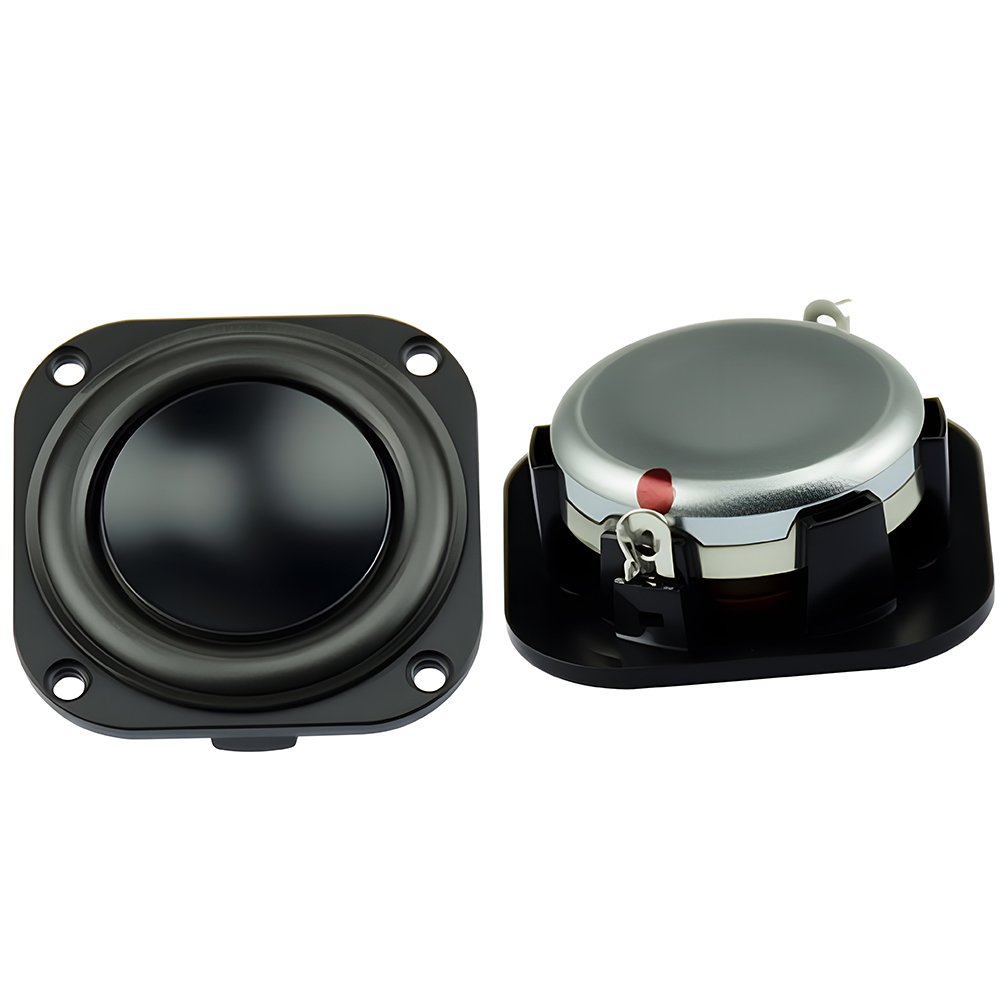
Understanding the journey of neodymium is the first step in authenticating a supplier. A truly verifiable supplier will have traceability through multiple tiers.
- Upstream Raw Materials: It begins with rare earth ore (primarily Bastnäsite and Monazite), mined and processed—with China dominating over 60% of mining and nearly 90% of refined output as of 2023. Legitimate suppliers can trace their magnet stock to major, audited refiners.
- Magnet Manufacturing: The refined oxides are turned into alloy, milled into powder, pressed (often in a magnetic field), sintered, and machined. This stage defines the magnet grade (e.g., N45, N52, N42SH). Counterfeits often involve falsely labeling lower-grade magnets as higher-performance ones.
- Component Fabrication & Assembly: The raw magnet is coated (usually Ni-Cu-Ni for corrosion protection), then integrated with the pole piece, voice coil, and diaphragm to form the horn driver assembly. Authentic suppliers control or tightly audit this process to prevent substitution or contamination with inferior parts.
A supplier claiming to be a “manufacturer” but unable to discuss upstream sourcing or provide evidence of in-house sintering capabilities may merely be a reseller, adding significant risk. The most reliable suppliers are either vertically integrated or have long-term, transparent partnerships with accredited magnet foundries.
Technical and Documentary Verification: Beyond the Sales Pitch
Verification requires moving beyond brochures and into technical audits. Here are key actionable steps:
1. Demand Full Material Certification:
Insist on a certified Material Test Report (MTR) or Mill Test Certificate for each batch. This must specify:
- Actual Magnetic Grade: Verified against known standards (e.g., IEC 60404-8-1).
- Key Properties: Remanence (Br), Coercivity (HcB, HcJ), and Maximum Energy Product (BHmax). Third-party lab verification of a sample is a prudent step.
- Composition: Ensuring the presence of critical additives like Dysprosium or Terbium for high-temperature stability if required.
2. Verify Supplier Credentials & Audits:
- Quality Management: Valid ISO 9001 certification (from a reputable registrar) is a baseline. IATF 16949 is essential for automotive audio.
- Industry-Specific Standards: Compliance with audio engineering standards from AES or EIA is a positive indicator.
- Conflict Minerals Compliance: Due diligence per the OECD Due Diligence Guidance and relevant laws (e.g., U.S. Dodd-Frank Act 1502) is non-negotiable. Request a completed CMRT (Conflict Minerals Reporting Template).
3. Implement Rigorous Sample Testing:
Before volume orders, subject samples to independent testing:
- Magnetic Flux Density: Use a gaussmeter to measure surface field strength.
- Environmental Stress Tests: Perform temperature cycling, humidity exposure, and salt spray tests on coated magnets to validate corrosion claims.
- Performance in Assembly: Integrate samples into your horn design and test for key audio parameters: sensitivity (dB/W/m), THD, and power handling. Deviations from spec often point to magnet issues.
Supplier Evaluation Matrix: Qualitative and Quantitative Factors
Use a scoring system to objectively compare potential suppliers. The table below outlines critical evaluation criteria.
| Evaluation Dimension | High-Risk Supplier Indicators | Authentic Supplier Indicators |
|---|---|---|
| Supply Chain Transparency | Vague about ore source or refining; refuses to share auditor details. | Provides supply chain maps, names magnet foundry, offers audit reports. |
| Technical Documentation | Provides only commercial invoices; MTRs are generic or unavailable. | Supplies batch-specific MTRs, RoHS/REACH compliance certificates, detailed SDS. |
| Communication & Expertise | Sales-only contact; cannot answer technical questions about grading or coating. | Provides direct access to engineering team; demonstrates deep knowledge of NdFeB characteristics. |
| Pricing & MOQs | Prices significantly below market average with no justification; extremely low MOQs for “premium” magnets. | Pricing aligns with market rates for the grade; MOQs reflect genuine manufacturing batch sizes. |
| Lead Times & Consistency | Promises implausibly short leads for custom grades; product performance varies between samples. | Lead times account for sintering and magnetization; provides consistency guarantees with data. |
| Reputation & References | No verifiable client list; negative or non-existent reviews on B2B platforms. | Will provide references from established OEMs; positive industry reputation; member of relevant trade associations. |
Strategic Sourcing and Relationship Management
Identifying an authentic supplier is the beginning. Managing the relationship strategically ensures long-term security.
- Dual Sourcing: For critical components, qualify at least two authentic suppliers to mitigate geopolitical, logistical, or quality failure risks.
- Long-Term Agreements (LTAs): Work with trusted suppliers to establish LTAs that guarantee priority access, price stability, and collaborative R&D for future designs.
- Regular Audits: Schedule periodic on-site audits (or remote audits with live video inspection) to review processes, quality control data, and inventory. In 2024, the use of blockchain for supply chain traceability is becoming a tangible differentiator among leading suppliers.
- Stay Informed on Market Dynamics: The neodymium market is influenced by Chinese export policies, green energy demand (EVs, wind turbines), and geopolitical tensions. Subscribe to market intelligence from firms like Adamas Intelligence. As of Q1 2024, prices for NdPr oxide remain volatile but off historic highs, influencing magnet costs.
Conclusion: Building a Resilient Acoustic Component Supply Chain
In an era of supply chain fragility, the due diligence invested in sourcing authentic neodymium horn suppliers pays exponential dividends. It is a proactive defense against product failure, brand damage, and production stoppages. By combining technical verification, documentary scrutiny, and strategic relationship management, buyers can transform this critical sourcing challenge into a competitive advantage. The result is a resilient supply chain that delivers not just components, but guaranteed performance and peace of mind.
Professional Q&A on Neodymium Horn Sourcing
Q1: We often receive quotes with prices 30-40% below market average from new suppliers. What are the most likely reasons, and what risks do they represent?
А: A price deviation this significant is a major red flag. The most common reasons are: 1) Material Substitution: Using lower-grade (e.g., N38 instead of N52) or even recycled/obsolete magnet material. 2) Inferior Coating: Using substandard or thin plating that will fail corrosion tests. 3) Counterfeit Certification: Forging MTRs and quality documents. 4) Fraudulent Business Practices: The supplier may be a “fly-by-night” operation with no intent to deliver after an advance payment. The risks include catastrophic product failure in the field, violation of warranty terms, and potential safety issues if magnets demagnetize or disintegrate under operating conditions.
Q2: How can we practically verify the authenticity of an ISO 9001 certificate provided by a potential supplier in Asia?
А: First, obtain the certificate number and the name of the accreditation body (e.g., UKAS, ANAB, CNAS). Do not rely on a PDF alone. Second, go directly to the website of the listed certification body and use their online “certificate verification” or “client directory” search tool. If the supplier or certificate number is not listed, it is almost certainly fake. Third, be wary of certificates from obscure or unaccredited registrars. For high-stakes sourcing, consider hiring a third-party inspection firm to conduct a pre-audit.
Q3: For a new product line, should we prioritize suppliers offering the highest possible neodymium grade (like N52) for maximum performance?
А: Not necessarily. While higher grades offer greater flux density, the choice must be application-driven. An N52 magnet is more expensive and more susceptible to corrosion and demagnetization at high temperatures. For many horn applications operating in stable environments, an N45 or N48 may offer the optimal balance of performance, cost, and durability. Furthermore, ensure the supplier’s claimed grade is validated for your specific operating temperature (e.g., an N52 rated at 80°C may perform worse than an N42SH rated at 150°C in a hot automotive environment). Consult with your acoustic engineer and the supplier’s applications team to specify the correct, cost-effective grade.
Q4: What is the single most important document to request from a neodymium horn supplier during the qualification process?
А: The batch-specific Material Test Report (MTR) from the magnet producer is paramount. While quality certificates and company audits are important, the MTR is the direct, technical proof of what you are buying. It quantifies the magnetic material’s properties for that specific production lot. A supplier that hesitates to provide this, or offers only a generic “example” certificate, cannot be considered a transparent or authentic partner for critical components.