
In the booming audio market, launching a private label brand with custom speakers represents a dynamic opportunity to carve out a profitable niche. The global market for speakers, driven by smart technology and premium audio demand, is projected to reach USD 42.7 billion by 2030, growing at a CAGR of 7.5%. For entrepreneurs and businesses, this isn’t just about selling speakers; it’s about creating an auditory identity. This guide provides a step-by-step, real-world blueprint for building a successful private label speaker brand—from concept to customer.
1. Understanding the Market Opportunity and Defining Your Niche
The speaker industry is vast and segmented. Success in private labeling hinges not on competing with giants like Sony or Bose directly, but on identifying and dominating a specific, underserved niche. A broad market analysis reveals key segments:
- Consumer Audio: The largest segment, including Bluetooth speakers, soundbars, and multi-room systems.
- Professional & Commercial: PA systems, studio monitors, and installation speakers for businesses.
- Tailored Lifestyle Niches: Speakers for specific activities (e.g., shower speakers, rugged outdoor models) or aesthetic preferences (minimalist design, vintage aesthetics).
To define your niche, conduct thorough market research. Use tools like Google Trends, Ahrefs, or Semrush to analyze search volume for terms like “wedding portable PA system,” “vinyl record bluetooth speaker,” or “outdoor waterproof speaker.” Study competitors on Amazon via Helium 10 or Jungle Scout, paying close attention to customer reviews—these are goldmines for identifying unmet needs (e.g., “battery life is too short,” “not loud enough for my patio”).
Your unique value proposition (UVP) should be the cornerstone of your brand. Will you compete on superior acoustic engineering, unmatched durability, bespoke design customization, or seamless smart home integration? For instance, brand “X” succeeded by focusing solely on high-fidelity, wood-crafted speakers for design-conscious audiophiles, allowing them to command premium prices.
Table: Key Speaker Market Segments & Opportunities (2024)
| Segment | Core Customer Need | Product Example | Potential UVP Angle |
| :— | :— | :— | :— |
| Portable Outdoor | Durability, Battery Life, Loudness | Rugged Bluetooth Speakers | Ultra-long battery (24h+), Integrated power bank, Party-pairing modes. |
| Smart Home | Seamless Integration, Voice Control, Multi-room | Smart Speakers with Alexa/Google | Privacy-focused (local processing), Superior room-filling sound from compact size. |
| Audiophile & Hi-Fi | Sound Quality, Build Materials, Aesthetics | Bookshelf Speakers, Turntable Companions | Handcrafted wood cabinets, Support for high-resolution codecs (LDAC, aptX HD). |
| Professional/Commercial | Reliability, Power, Ease of Installation | Portable PA Systems, Ceiling Speakers | All-in-one kits with mixer & mics, Simplified plug-and-play setup for non-experts. |
| Niche Lifestyle | Specific Use Case or Aesthetic | Shower Speakers, Retro-styled Radios | Unique design (e.g., terrazzo finish), Multi-functional (speaker + alarm clock + wireless charger). |
2. Product Development and Sourcing Your Custom Speakers
This is the most critical phase. You are moving from an idea to a tangible product. First, create detailed product specifications (spec) sheets covering:
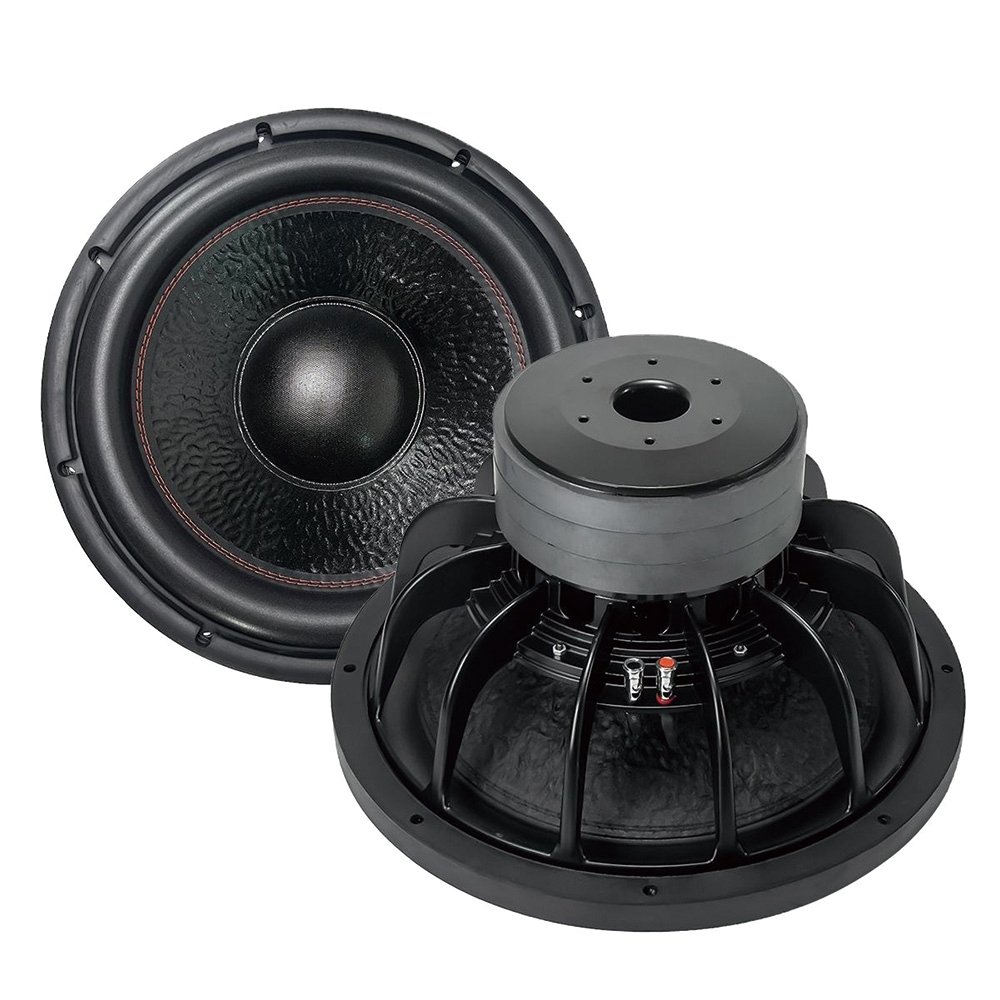
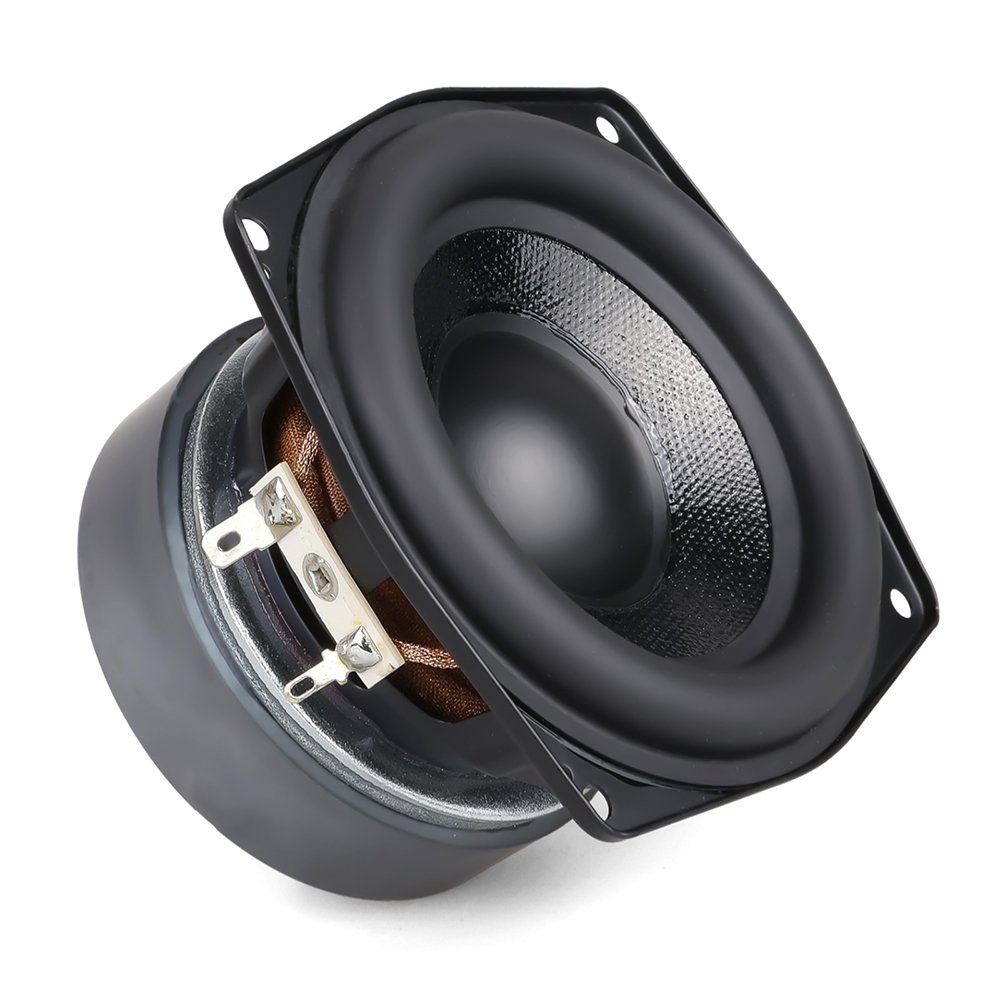
- Acoustic Performance: Driver size (woofers, tweeters), power output (RMS/W), frequency response, signal-to-noise ratio, total harmonic distortion (THD).
- Features & Connectivity: Bluetooth version (5.3 is now standard), codec support (SBC, AAC, aptX), auxiliary inputs, USB-C charging, voice assistant compatibility, app control.
- Design & Build: Dimensions, materials (fabric, metal, wood), IP rating for water/dust resistance (e.g., IP67), color options, and finish.
- Packaging & Accessories: Unboxing experience, included cables, user manual, warranty card.
Finding the right manufacturing partner is paramount. Platforms like Alibaba, Global Sources, or Made-in-China are starting points, but due diligence is essential. Focus on suppliers with “OEM/ODM” capabilities who can customize an existing model or build from your designs. Key steps include:
- Vetting Suppliers: Verify business licenses, request company profiles, and insist on factory audit reports (e.g., SGS, BV).
- Requesting Samples: Always order samples (you will pay for them) to test quality, sound, and build firsthand. Test them rigorously.
- Negotiating MOQs: Minimum Order Quantities for custom speakers can range from 500 to 5,000 units. Negotiate based on model complexity. A lower MOQ for your first run reduces risk.
- Quality Control: Implement strict QC protocols. Hire a third-party inspection service (like QIMA or Asia Inspection) to check production batches before shipment for compliance with your spec sheet.
Remember: The per-unit cost from your manufacturer will determine your entire margin structure. A speaker costing you $25 FOB (Free on Board) may need to retail for $99-$129 to account for shipping, taxes, marketing, and platform fees while leaving a healthy profit.
3. Building Your Brand, Marketing, and Sales Strategy
Your brand is your promise. Develop a compelling brand identity: a memorable name, logo, and a brand story that resonates with your niche’s values. Is your brand about adventure, precision, artistry, or innovation? Your visual and verbal identity must reflect this consistently across all touchpoints.
A multi-channel launch strategy is crucial in 2024:
- Your Own E-commerce Store (Shopify/BigCommerce): Provides maximum control, customer data, and brand experience. Optimize it for SEO from day one.
- Amazon Marketplace: Essential for reach and credibility. Use Amazon FBA for logistics. Optimize your listing with keyword-rich titles (e.g., “100W Bluetooth Speaker, IPX7 Waterproof, 30H Playtime – [Your Brand]”), high-quality images/videos, and encourage early reviews via the Amazon Vine program.
- Social Commerce: Utilize TikTok Shop и Instagram Shoppable Posts to demo your speakers’ sound and features directly to engaged communities. Partner with nano/micro-influencers in your niche (e.g., camping enthusiasts, vinyl collectors) for authentic promotion.
Content marketing and SEO are your long-term traffic engines. Create authoritative content targeting relevant keywords:
- Blog Posts: “Ultimate Guide to Outdoor Party Speakers,” “Wired vs. Wireless: Getting the Best Sound from Your Turntable.”
- Video Reviews/Demos: High-production videos showcasing sound tests and real-world use.
- Technical Comparisons: Honest comparisons with established brands, highlighting your unique advantages.
Invest in Performance Max (Google) and Advantage+ (Meta) campaigns for broad reach, and use targeted keyword campaigns (e.g., “best shower speaker 2024”) to capture high-intent shoppers.
4. Logistics, Customer Experience, and Scaling Your Business
Efficient operations are the backbone of a scalable brand. Plan your logistics meticulously:
- Shipping & Import: Decide between sea freight (cheaper, slower) and air freight (faster, costly). Work with a reliable freight forwarder. Understand Incoterms (e.g., FOB, DDP) and factor in import duties, tariffs, and GST/VAT into your cost model.
- Fulfillment: For high volume, consider third-party logistics (3PL) providers for storage, packing, and shipping. Amazon FBA can also serve this purpose.
- Inventory Management: Use software like TradeGecko или Cin7 to sync inventory across your website, Amazon, and warehouses to avoid stockouts or overselling.
Customer experience is your primary differentiator. Implement:
- Clear and generous warranty policies (e.g., 2-3 years).
- Responsive, helpful customer support via email and chat.
- An easy returns process.
- A post-purchase email sequence asking for reviews and offering care tips.
To scale, analyze your data. Which marketing channel has the lowest customer acquisition cost (CAC)? Which speaker model has the highest lifetime value (LTV)? Use these insights to double down on what works. Consider expanding your line based on customer feedback—perhaps from a portable speaker to a matching soundbar. Explore wholesale opportunities to get your products into brick-and-mortar stores.
Launching a private label speaker brand is a significant but highly rewarding undertaking. It combines strategic planning, technical understanding, and creative marketing. By methodically executing each phase—from niche identification to post-launch scaling—you can build more than just a product line; you can build a resonant audio brand with a loyal community. The key is to start with a sharp focus, prioritize quality and customer experience, and adapt relentlessly based on data and feedback.
Professional Q&A: Private Label Speaker Brand Launch
Q1: What is a realistic budget to launch a private label speaker brand in 2024?
А: Budgets vary widely, but a conservative estimate for a single SKU launch is $25,000 – $50,000. This covers: sample orders & prototyping ($2k-$5k), minimum order quantity production ($15k-$30k for 500-1000 units of a mid-tier speaker), shipping & import duties ($3k-$7k), trademark/business registration ($1k-$2k), basic website/listing setup ($1k-$3k), and initial marketing/launch campaign ($5k-$10k). It’s possible to start with less by choosing a simpler product or a supplier with a very low MOQ, but sufficient capital is crucial for quality inventory and effective launch marketing.
Q2: How long does the entire process take from idea to first customer shipment?
А: Prepare for a 5 to 9-month timeline. Market research and supplier sourcing (1-2 months) > Sample development, testing, and revisions (1-2 months) > Final production run (30-60 days) > Sea freight shipping (30-45 days) > Customs clearance, fulfillment setup, and pre-launch marketing (2-4 weeks). Air freight can shorten shipping to 5-10 days but at a significantly higher cost. Rushing any stage often compromises quality.
Q3: What are the most common pitfalls for new private label audio brands, and how can I avoid them?
А: The top pitfalls are:
- Poor Sound Quality: Avoid this by never skipping the sample stage. Test with various music genres and use basic measurement tools (if possible). Get feedback from your target audience.
- Underestimating Costs: Beyond unit cost, meticulously budget for shipping, insurance, tariffs (~3-25% depending on origin/destination), payment processing fees (2-4%), platform commissions (Amazon takes 8-15%), returns, and marketing. Add a 20-30% contingency buffer.
- Neglecting SEO and Brand Building: Don’t rely solely on Amazon PPC or Meta Ads. From day one, build your brand’s own website and create keyword-optimized, helpful content. This builds durable, owned traffic assets.
- Choosing the Wrong Supplier: Vetting is key. Use video calls to tour facilities, insist on contracts with clear specs, and use escrow payment services (like Alibaba’s Trade Assurance) for protection.