
In the electrifying world of audio technology, where brands compete to deliver the next groundbreaking sound experience, lies a critical, often unseen engine of innovation: the Speaker Original Design Manufacturer (ODM). While the final product bears a brand’s logo, its soul—the intricate journey from a raw acoustic concept to a retail-ready device—is frequently forged in the collaborative crucible of an ODM partnership. This is not merely outsourcing; it is a deep, synergistic alliance that transforms visionary design into mass-produced reality. For brands, from ambitious startups to established giants, navigating this journey effectively is the difference between a market flop and a resonant success. This guide delves into the comprehensive, multi-stage process of modern speaker ODM services, illuminating the path from design to production.
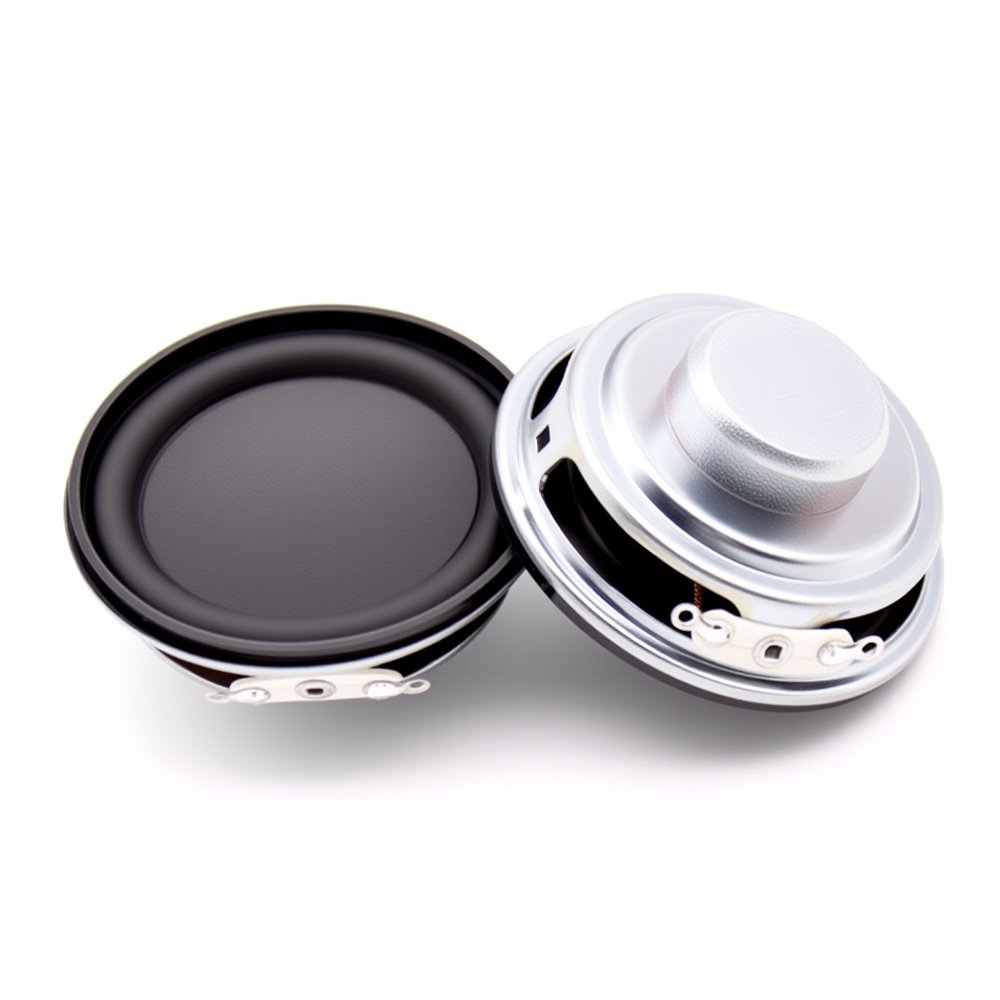
The Foundation: Collaborative Design and Acoustic Engineering
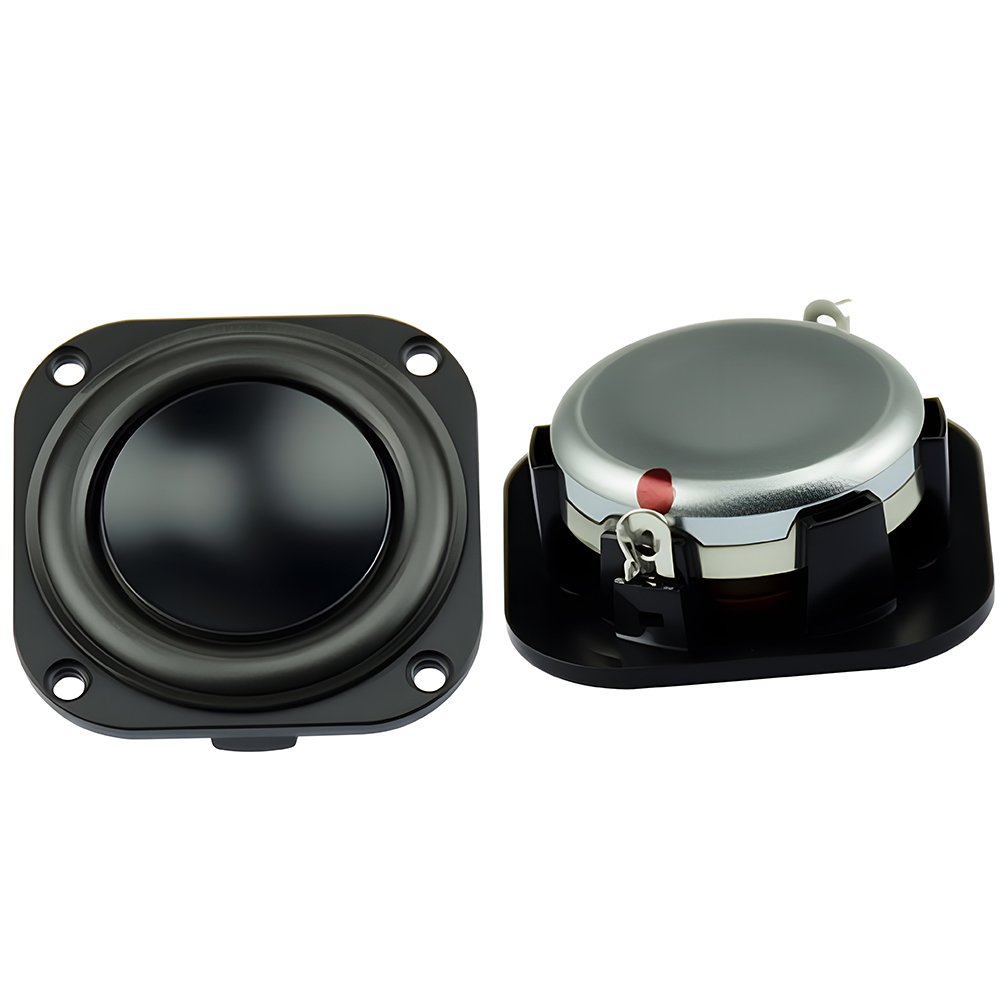
The journey begins not with a sketch, but with a conversation. A proficient ODM acts as an extension of your brand’s R&D team. The initial phase is all about translating a market need or a brand vision into a technical blueprint. This involves deep-diving into target demographics, use cases (portable Bluetooth, smart home, high-fidelity bookshelf, soundbars), and price points.
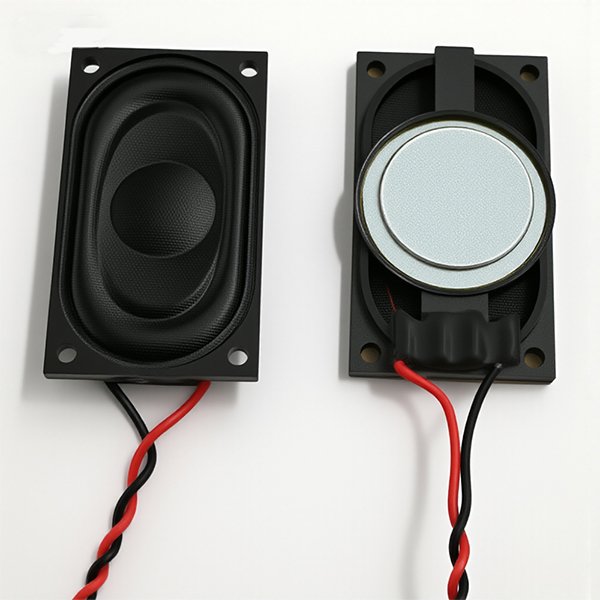
Here, the ODM’s value shines through acoustic engineering prowess. Experts employ advanced software like COMSOL Multiphysics or ANSYS for Finite Element Analysis (FEA) to simulate speaker behavior. They model the magnetic circuit of the driver, the damping effects of the enclosure, and the complex interplay of ports in bass-reflex designs. This virtual prototyping allows for rapid iteration on key parameters:
- Thiele/Small Parameters: Optimizing the electromechanical properties of drivers for desired frequency response and efficiency.
- Enclosure Design: Determining the ideal internal volume, material (plastic, wood, metal), and structural bracing to minimize unwanted resonance.
- Crossover Network Design: For multi-driver systems, meticulously designing circuits that seamlessly blend the output of woofers, tweeters, and mid-ranges.
Industrial Design (ID) и User Experience (UX) run in parallel. The ODM’s ID team works on form factors, material selection (fabrics, grilles, rubberized coatings), and user interface elements (button feel, LED indicators, touch controls). The goal is a harmonious marriage of aesthetics, ergonomics, and acoustic performance. A key deliverable at this stage is the Design for Manufacturability (DFM) report, which ensures the beautiful, functional design can also be efficiently and cost-effectively produced at scale.
Prototyping: Where Concept Meets Reality
With a solid design foundation, the process moves from the digital realm to the physical through prototyping. This is a critical, iterative phase with distinct stages:
- Proof-of-Concept (POC) Prototype: A rough, functional model often using off-the-shelf drivers and 3D-printed enclosures. Its purpose is to validate the core acoustic concept and basic functionality.
- Engineering Validation Test (EVT) Prototype: This prototype uses custom-designed parts closer to final specifications. It undergoes rigorous internal testing for basic functionality, durability, and safety.
- Design Validation Test (DVT) Prototype: This is a near-final version, built with production-intent tools and materials. It undergoes comprehensive testing against all predefined specifications—acoustic performance, RF testing (Bluetooth/Wi-Fi range), battery life, environmental stress (temperature, humidity), and compliance with regulatory standards (FCC, CE, RoHS).
- Production Validation Test (PVT) Prototype: The final check before mass production. Units are assembled from the actual production line to verify manufacturing processes, consistency, and quality yield.
Each prototype stage uncovers potential issues—a slight cabinet resonance at 800Hz, a Bluetooth dropout in specific conditions, a difficult-to-assemble component. The ODM’s expertise lies in rapidly diagnosing these issues and implementing solutions, seamlessly iterating until the prototype meets all performance, quality, and cost targets.
The Manufacturing Crucible: Ramp-Up and Mass Production
Once the PVT is signed off, the focus shifts to the orchestration of mass production. A top-tier ODM demonstrates its capability through vertical integration and meticulous supply chain management. Key components like drivers, PCBA (Printed Circuit Board Assembly), batteries, and plastics may be manufactured in-house or sourced from vetted, long-term partners, ensuring quality control and cost stability.
The production floor is a hub of precision activity:
- SMT (Surface-Mount Technology) Lines: For high-speed, accurate population of electronic components onto PCBs.
- Driver Assembly: Automated winding of voice coils, assembly of magnetic structures, and attachment of cones and surrounds.
- Final Assembly Lines: Where cabinets, drivers, electronics, and batteries come together. Modern lines use automated testing jigs at every station, performing in-circuit checks, frequency response sweeps, and functional tests on every single unit.
- Quality Control (QC): Beyond inline testing, dedicated QC stations perform AQL (Acceptable Quality Level) sampling on finished goods, conducting detailed visual, acoustic, and drop tests.
Logistics and scalability are paramount. The ODM manages the entire flow from component procurement to finished goods warehousing and shipping. Their experience allows them to scale production up or down responsively based on market demand, preventing both stockouts and excess inventory for the brand.
Navigating the Partnership: Capabilities and Considerations
Choosing an ODM partner is a strategic decision. Capabilities vary significantly, and aligning with the right one is crucial. Below is a comparative overview of common ODM service tiers:
| Service Aspect | Full-Service ODM | Hybrid ODM/JDM (Joint Design Manuf.) | Limited-Service ODM |
|---|---|---|---|
| Design Involvement | Provides complete “turn-key” design from concept. | Collaborative design; brand leads concept, ODM leads engineering. | Implements brand-provided designs with minimal input. |
| Engineering Depth | Deep in-house acoustic, electronic, software, and mechanical teams. | Strong core engineering, partners for niche expertise. | Focused on manufacturing engineering (DFM, tooling). |
| IP Ownership | Typically retains platform IP; brand owns product-specific IP. | Shared or brand-owned, depending on contribution. | Brand retains all IP. |
| Best For | Brands seeking rapid market entry with minimal internal R&D. | Brands with specific vision but needing technical execution muscle. | Brands with mature, in-house design teams. |
| Project Lead Time | 6-12 months to market. | 8-14 months, depending on collaboration complexity. | 4-8 months (after final design handoff). |
Critical considerations for brands include:
- IP Protection: Ensuring clear contracts defining ownership of background and foreground IP.
- Minimum Order Quantities (MOQs): Understanding cost breaks and flexibility, which can range from 1,000 units for complex products to 10,000+ for simpler, cost-driven items.
- Certifications & Compliance: Verifying the ODM’s experience and facility in achieving necessary global certifications (FCC, CE, UL, BIS, KC, etc.).
The Future Sound: Trends Shaping Speaker ODM Services
The speaker ODM landscape is dynamically evolving, driven by end-market trends:
- Smart Audio & AI Integration: ODMs are integrating far-field microphones, pre-loaded wake-word engines, and compatibility with Alexa Voice Service, Google Assistant, and others. AI is being used for features like auto room calibration and personalized sound profiles.
- Sustainability: There is growing demand for recyclable materials, reduced packaging, energy-efficient designs (like EU’s new EcoDesign directives), and responsible supply chain practices. ODMs are responding with bio-based plastics and modular designs for easier repair.
- Advanced Wireless Technologies: Beyond standard Bluetooth 5.x, support for high-resolution codecs (LDAC, aptX Adaptive), robust multi-room protocols (Chromecast built-in, AirPlay 2), and the emerging LE Audio standard with Auracast broadcast audio is becoming a key differentiator.
- Computational Audio: Leveraging powerful DSP chips and sophisticated algorithms for real-time audio optimization, adaptive noise cancellation, and immersive spatial audio formats.
Professional Q&A: Navigating the Speaker ODM Landscape
Q1: What is the single most important factor in ensuring audio quality when working with an ODM?
А: The acoustic tuning and validation process. Beyond component selection, it’s the meticulous, iterative process of tuning the speaker’s DSP (Digital Signal Processing) filters, crossover points (if applicable), and enclosure dynamics in an anechoic or reference chamber. Insist on seeing detailed frequency response, total harmonic distortion (THD), and directivity plots from an independent lab, and ensure tuning is done on production-intent units. The best ODMs have seasoned acoustic engineers who can interpret this data to achieve a target “sound signature” that aligns with your brand.
Q2: How long does the entire process from initial brief to first mass-production shipment typically take?
А: For a new, custom-designed speaker, a realistic timeline is 8 to 12 months. This breaks down roughly to: 2-3 months for initial design and EVT; 2-3 months for DVT iteration and compliance testing; 1-2 months for tooling fabrication (for plastic/metal parts); and 2-3 months for PVT and production ramp-up. “Derivative” products based on an existing platform can be faster (4-6 months). Factors like component complexity (e.g., custom driver development), wireless certification hurdles, and the number of design iterations required can significantly impact this timeline.
Q3: Can ODMs handle small-batch or pilot production runs for niche or premium markets?
А: Yes, increasingly so. While traditional ODMs favored high-volume orders, the rise of nicge audio brands and crowdfunded projects has led to more flexible models. Many now offer “NPI (New Product Introduction) lines” or have partnerships with smaller-scale assembly houses for pilot runs of 500-2,000 units. However, be prepared for a higher per-unit cost due to the loss of economies of scale, and ensure all tooling (e.g., for plastic injection molding) is designed with future scalability in mind. Transparency about long-term volume projections is key to negotiating a feasible pilot run.
Q4: With global supply chain volatility, how can an ODM partner ensure stability and timely delivery?
А: Leading ODMs mitigate risk through several strategies: 1) Dual-Sourcing: Qualifying alternative suppliers for critical components like ICs and batteries. 2) Strategic Inventory: Holding “buffer stock” of long-lead-time or volatile components based on forecast. 3) Localized Supply Chains: For non-China manufacturing, some ODMs are developing supply chains in Southeast Asia, India, or Eastern Europe. 4) Proactive Communication: Providing regular, data-driven supply chain risk assessments to their clients. When evaluating an ODM, ask specifically about their component sourcing strategy for key parts and their historical on-time delivery rate over the past 24 months.