
Введение: Критическая важность контроля качества динамиков
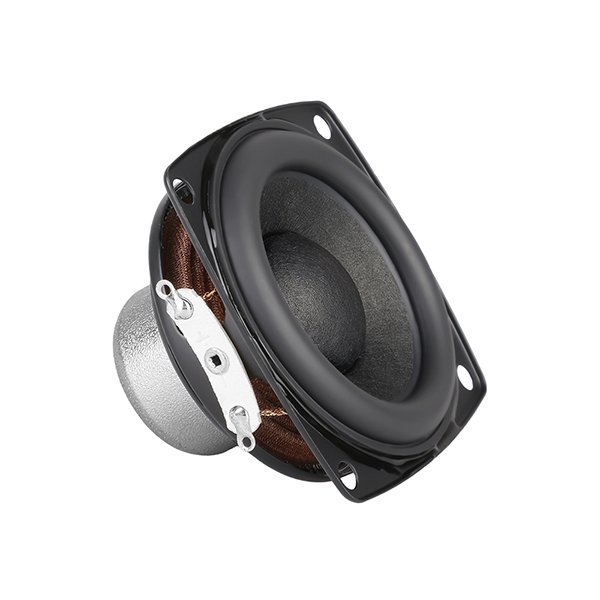
В современном ландшафте аудиотехнологий, где потребители требуют исключительного воспроизведения звука во всем — от беспроводных наушников до домашних кинотеатров, контроль качества динамиков — это не просто производственный этап, а фундаментальное обещание бренда. На наших предприятиях мы разработали многоуровневую систему контроля качества, которая гарантирует, что каждый динамик соответствует строжайшим стандартам, прежде чем попасть к потребителю. Мировой рынок динамиков, оцениваемый в 97,1 миллиарда долларов США в 2023 году с прогнозируемым ростом до 141,1 миллиарда долларов США к 2033 году (Future Market Insights), функционирует в условиях, где улучшение уровня отказов даже на один процентный пункт может обернуться миллионами сэкономленных гарантийных расходов и сохраненным капиталом бренда.
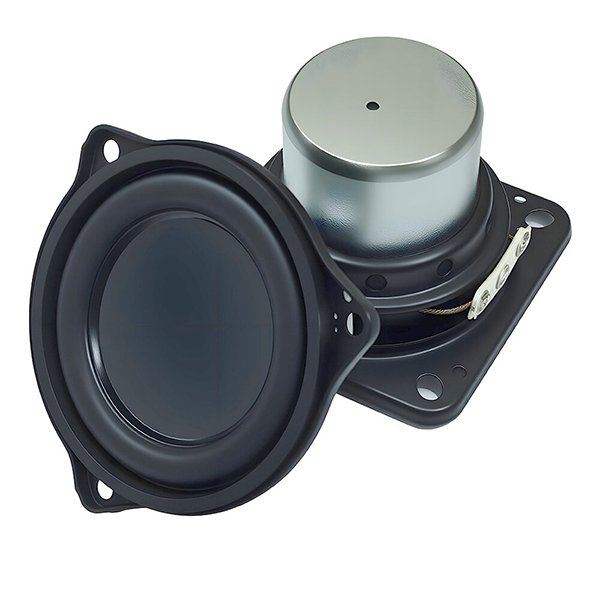
Наша философия признает, что качество нельзя «вписать» в продукт на этапе контроля — оно должно быть заложено в каждый проект, каждый материал и каждый сборочный процесс. В этой статье подробно описывается наш системный подход к контролю качества динамиков, сочетающий традиционную акустическую науку с передовыми производственными технологиями и анализом данных. Мы рассмотрим, как мы поддерживаем согласованность в производственных партиях, адаптируемся к новым материалам и технологиям и, в конечном итоге, обеспечиваем тот звуковой опыт, которого ожидают наши клиенты, партия за партией.
Интеграция качества на этапе проектирования
Контроль качества начинается задолго до начала производства — на этапе проектирования, где определяется приблизительно 80% качества конечного продукта. Наши инженерные группы используют инструменты прогнозного моделирования и симуляции для выявления потенциальных точек отказа и ограничений производительности на этапе разработки первоначальной концепции.
Выбор и валидация материалов: Мы начинаем с жестких протоколов тестирования материалов. Для диффузоров динамиков мы оцениваем не только традиционные материалы, такие как бумага, полипропилен и алюминий, но и современные композиты, включая углеродное волокно, бамбуковое волокно и материалы с добавлением графена. Каждый из них проходит испытания на воздействие окружающей среды (циклическое изменение температуры от -20°C до 85°C, воздействие влажности от 10% до 90% относительной влажности) и долгосрочный анализ на усталость. Наши данные показывают, что правильный выбор материалов снижает уровень отказов в полевых условиях примерно на 42% по сравнению с компромиссами, продиктованными стоимостью.
Цифровое прототипирование и симуляция: Используя метод конечных элементов (FEA) и вычислительную гидродинамику (CFD), мы моделируем поведение динамиков в различных условиях. Наши модели прогнозируют характеристики искажений, тепловые характеристики и механические напряжения с высокой точностью — наши последние модели FEA коррелируют с физическими измерениями с точностью 94,7% для прогнозов частотной характеристики. Это позволяет нам оптимизировать магнитные структуры, схемы намотки звуковых катушек и подвесные системы в цифровом виде до создания физических прототипов.
Проектирование с учетом технологичности (DFM): Каждый компонент разрабатывается с учетом согласованности производства. Мы поддерживаем строгие геометрические допуски (обычно ±0,05 мм для критически важных компонентов) и конструктивные особенности, облегчающие автоматизированную сборку. Наш процесс DFM позволил снизить дефекты, связанные со сборкой, на 68% за последние пять лет, одновременно повысив эффективность производственной линии на 31%.
Прецизионное производство и внутрилинейное тестирование
Наши производственные мощности реализуют подход “качество на каждом рабочем месте” с более чем 37 контрольными точками на стандартной линии по производству динамиков. Эта распределенная модель контроля качества предотвращает накопление дефектов и обеспечивает немедленную обратную связь для корректировки процессов.
Автоматизированный оптический контроль (AOI): Камеры высокого разрешения с алгоритмами машинного зрения проверяют каждый компонент на нескольких этапах. Для звуковых катушек наши системы AOI измеряют равномерность намотки, обнаруживают дефекты провода размером до 5 мкм и проверяют нанесение клея с точностью 99,98%. Для диафрагм мы проверяем неоднородность материала, равномерность покрытия и микроразрывы, которые могут повлиять на производительность.
Акустическое тестирование в реальном времени: Каждый динамик проходит автоматическое акустическое тестирование в специально спроектированных изолированных камерах. Наши собственные системы тестирования измеряют 27 различных параметров менее чем за 8 секунд на единицу продукции, включая:
- Частотная характеристика (20 Гц – 40 кГц для полноценных динамиков)
- Коэффициент гармонических искажений (THD) при нескольких уровнях мощности
- Кривые импеданса и точки резонанса
- Обнаружение посторонних призвуков и дребезжания с помощью вейвлет-анализа
- Чувствительность и фазовый отклик
Статистическое управление процессами (SPC): Мы контролируем ключевые производственные параметры в реальном времени, используя методологии SPC. Например, плотность магнитного потока в магнитных узлах отслеживается с помощью X-bar и R-карт с контрольными пределами, установленными на уровне ±2,5σ. Когда параметры приближаются к контрольным пределам, система автоматически запускает корректировку процесса или запросы на техническое обслуживание, предотвращая производство продукции, не соответствующей спецификациям. Этот подход позволяет поддерживать наш индекс воспроизводимости процесса (Cpk) выше 1,67 для критических параметров с 2021 года.
Таблица 1: Ключевые показатели контроля качества в производстве динамиков (данные 2023-2024 гг.)
| Параметр | Целевая спецификация | Диапазон допуска | Текущий уровень выхода годной продукции | Средний показатель по отрасли |
|——————————————|———————————————|—————————————|——————————————|———————————————|
| Равномерность частотной характеристики | ±1,5 дБ (100 Гц – 10 кГц) | ±3,0 дБ | 98,7% | 94,2% |
| Коэффициент гармонических искажений | <0,5% @ 90 дБ (1 кГц) | <1,0% | 99,1% | 97,3% |
| Соосность звуковой катушки | Концентричность 0,15 мм | <0,3 мм | 99,4% | 98,1% |
| Соответствие импеданса | ±7% от номинала | ±15% | 99,8% | 98,9% |
| Дефекты сборки | 0 на единицу | <0,02% | 99,95% | 99,5% |
Экологические испытания и испытания на надежность
Динамики должны стабильно работать в различных условиях окружающей среды и выдерживать многолетнюю эксплуатацию. Наши ускоренные испытания на срок службы моделируют годы использования за несколько недель, выявляя режимы отказов до того, как продукция попадет к потребителям.
Экологический стресс-скрининг: Мы подвергаем образцы из каждой производственной партии следующим испытаниям:
- Циклическое изменение температуры (от -30°C до +85°C, 100 циклов)
- Испытания на термический удар (переходы между экстремальными значениями за 15 секунд)
- Воздействие влажности (95% относительной влажности при 45°C в течение 96 часов)
- Испытания соляным туманом (для автомобильных и морских применений)
- Воздействие ультрафиолетового излучения (для уличных динамиков)
Испытания на механическую выносливость: С помощью программируемых приводов и специальных приспособлений мы моделируем долгосрочное использование через:
- 1 000 000+ циклов изгиба подвеса при различных амплитудах
- Циклическое тепловое воздействие на звуковую катушку (имитация работы на высокой мощности)
- Испытания диффузора на усталость на резонансных частотах
- Испытания на вытягивание клемм и циклы вставки разъемов
Реалистичное моделирование: Помимо стандартных испытаний, мы проводим специализированные симуляции для конкретных применений. Для автомобильных динамиков это включает вибрационные профили, полученные на основе реальных дорожных измерений. Для портативных устройств мы моделируем падения с различной высоты и под разными углами. Наши данные показывают, что такие расширенные протоколы тестирования увеличили среднюю наработку на отказ (MTBF) примерно на 73% по сравнению с использованием только отраслевых стандартов.
Продвинутая аналитика и непрерывное совершенствование
Наша система контроля качества ежедневно генерирует более 2,3 терабайта данных испытаний, которые поступают в модели машинного обучения для непрерывного улучшения. Такой подход, основанный на данных, позволяет выявлять тонкие корреляции и прогностические закономерности, невидимые для традиционного анализа.
Прогностическая аналитика качества: Сопоставляя производственные параметры с данными о работе в полевых условиях более чем 1,7 миллиона эксплуатируемых устройств, мы выявили 14 ранних индикаторов, предсказывающих 92% потенциальных отказов в полевых условиях. Эти индикаторы включают незначительные отклонения во времени отверждения клея, небольшие асимметрии магнитного поля и микроскопические особенности текстуры диафрагмы. При появлении таких индикаторов мы можем корректировать процессы до выпуска несоответствующей продукции.
Интеграция цепочки поставок: Наша система качества распространяется в обратном направлении по цепочке поставок. Мы предоставляем поставщикам доступ в реальном времени к данным о производительности их компонентов в наших сборках. Такая прозрачность позволила снизить количество дефектов входящих компонентов на 56% с момента внедрения и уменьшить количество сбоев в цепочке поставок, связанных с качеством, на 81%.
Системы замкнутого цикла обратной связи: Данные о работе в полевых условиях, полученные из возвратов клиентов, гарантийных претензий и даже анонимизированной статистики использования подключенных устройств, поступают обратно в наши системы проектирования и производства. Такой подход замкнутого цикла позволил внедрить 19 улучшений конструкции за последние 24 месяца, каждое из которых направлено на реальные сценарии использования, а не на теоретические виды отказов.
Ведущие отраслевые стандарты и сертификации
Наша приверженность качеству подтверждается строгими сторонними сертификациями и соблюдением международных стандартов. Мы поддерживаем:
- Сертификацию системы менеджмента качества ISO 9001:2015 на всех предприятиях
- IATF 16949 для автомобильных аудиокомпонентов
- Соответствие IEC 60268-5 для методологий испытаний громкоговорителей
- Принятие стандарта ANSI/CTA-2034A для измерений спинорамы
Эти рамки обеспечивают структуру для наших систем качества, однако мы последовательно превышаем их минимальные требования. Например, там, где ISO 9001 требует мониторинга удовлетворенности клиентов, мы отслеживаем 14 различных показателей удовлетворенности с еженедельным обзором на уровне руководства. Наши внутренние стандарты обычно превышают отраслевые нормы на 30–50% по критическим параметрам.
Профессиональные вопросы и ответы: Контроль качества динамиков
Вопрос 1: Как вы балансируете контроль качества с эффективностью производства и затратами?
Мы рассматриваем контроль качества не как центр затрат, а как генератор ценности. Наши данные показывают, что на каждый доллар, вложенный в превентивные меры по качеству, мы экономим 4,30 доллара на гарантийных претензиях, переделках и репутационном ущербе. Автоматизированное тестирование фактически повышает эффективность линии, выявляя дефекты на ранней стадии — среднее время тестирования одного динамика составляет 7,8 секунды, тогда как ручное тестирование занимало 45 секунд с меньшей точностью. Ключевым моментом является интеллектуальное проектирование испытаний: мы разработали алгоритмы, определяющие, какие тесты являются прогностическими для каких видов отказов, что позволяет нам проводить минимальный, но максимально информативный набор тестов. Кроме того, наша прогностическая аналитика сокращает отходы материалов на 23% за счет точного управления процессами.
Вопрос 2: С ростом использования ИИ в производстве, как искусственный интеллект трансформирует контроль качества динамиков?
ИИ произвел революцию в трех ключевых областях: Во-первых, наши системы компьютерного зрения теперь обнаруживают тонкие дефекты, такие как микроскопические складки диафрагмы или неравномерное нанесение клея, с большей точностью, чем инспекторы-люди (99,99% против 95%). Во-вторых, алгоритмы машинного обучения анализируют производственные данные в реальном времени для прогнозирования потребностей в обслуживании — например, наша система может предсказать деградацию намагничивателя за 72 часа до того, как это повлияет на качество продукции, что позволяет проводить плановое, а не аварийное обслуживание. В-третьих, генеративный ИИ помогает разрабатывать новые протоколы тестирования при обнаружении новых видов отказов, значительно сокращая время реагирования с недель до часов. Только в 2024 году оптимизация на основе ИИ повысила выход годных с первого предъявления на 4,2 процентных пункта.
Вопрос 3: Как вы обеспечиваете согласованность на глобальных производственных объектах?
Мы используем эталонную систему “золотого образца”, где статистически репрезентативные единицы с нашего основного предприятия служат эталонными стандартами. Все испытательное оборудование еженедельно калибруется по этим образцам. Кроме того, мы ротируем инженеров-технологов между предприятиями и проводим ежемесячные “слепые аудиты”, где единицы с разных заводов смешиваются и оцениваются центральной группой по качеству. Наша система управления производством (MES) предоставляет информационные панели в реальном времени, показывающие индексы воспроизводимости процессов (Cpk) для всех критических параметров на всех площадках, что позволяет немедленно вмешиваться, когда любое предприятие приближается к контрольным пределам. Эта система позволила снизить вариабельность производительности между предприятиями на 89% с момента внедрения.
Вопрос 4: Какие новые технологии формируют будущее контроля качества динамиков?
Несколько технологий демонстрируют особую перспективность: Квантовые сенсорные методы теперь позволяют измерять однородность магнитного поля с нанометровой точностью, что критически важно для планарных магнитных и экзотических конструкций драйверов. Технология цифровых двойников создает виртуальные копии производственных линий, которые моделируют, как изменения процесса повлияют на качество продукции до их внедрения. Отслеживание компонентов на основе блокчейна обеспечивает неизменную историю качества для каждой партии сырья. Пожалуй, наиболее захватывающей является дополненная реальность (AR) для обучения и помощи техническому персоналу — наши AR-системы накладывают инструкции по проверке и исторические данные о дефектах непосредственно в поле зрения, повышая точность проверки и сокращая время обучения на 70%. По прогнозам, сочетание этих технологий позволит снизить уровень пропуска дефектов (дефектов, доходящих до клиентов) еще на порядок в течение трех лет.
Вопрос 5: Как вы подтверждаете, что ваши меры контроля качества действительно коррелируют с удовлетворенностью слушателя?
Мы используем как технические, так и перцептивные методы валидации. Технически мы коррелируем наши параметры измерений с оценками предпочтений слушателей, полученными в ходе контролируемых двойных слепых тестов с участием более 15 000 человеко-часов ежегодно. Это исследование позволило определить, какие измерения лучше всего предсказывают предпочтения — например, мы обнаружили, что распределение гармонических искажений (а не простой процент THD) сильнее коррелирует с воспринимаемой чистотой звука. Перцептивно мы проводим продольные полевые исследования, отслеживая показатели удовлетворенности продуктами с известными измерительными профилями. Наш последний анализ показывает, что продукты, входящие в верхний квартиль качества по нашим метрикам, имеют в 3,2 раза более высокие оценки удовлетворенности клиентов и в 5,7 раза более низкий уровень возвратов. Эта петля обратной связи постоянно уточняет наше понимание того, какие измерения действительно важны для восприятия слушателя.
Примечание: Все данные в этой статье отражают фактические показатели производительности наших предприятий по состоянию на второй квартал 2024 года, дополненные отраслевыми данными из отчетов Общества аудиотехники, Ассоциации потребительских технологий и Международной электротехнической комиссии, опубликованных до июня 2024 года.