
В мире минималистичного дизайна интерьера каждый предмет должен оправдывать свое присутствие. Философия “меньше значит больше” требует, чтобы вещи были одновременно функциональными и красивыми, способствуя ощущению спокойствия, пространства и осмысленности. Долгие годы качественное аудиооборудование бросало вызов этой этике — зачастую громоздкое, визуально доминирующее и созданное для демонстрации. Сегодня происходит transformative сдвиг. Дизайн колонок эволюционировал, чтобы не просто дополнять минималистичные пространства, но и улучшать их, становясь неотъемлемыми элементами среды, а не отвлекающими устройствами.
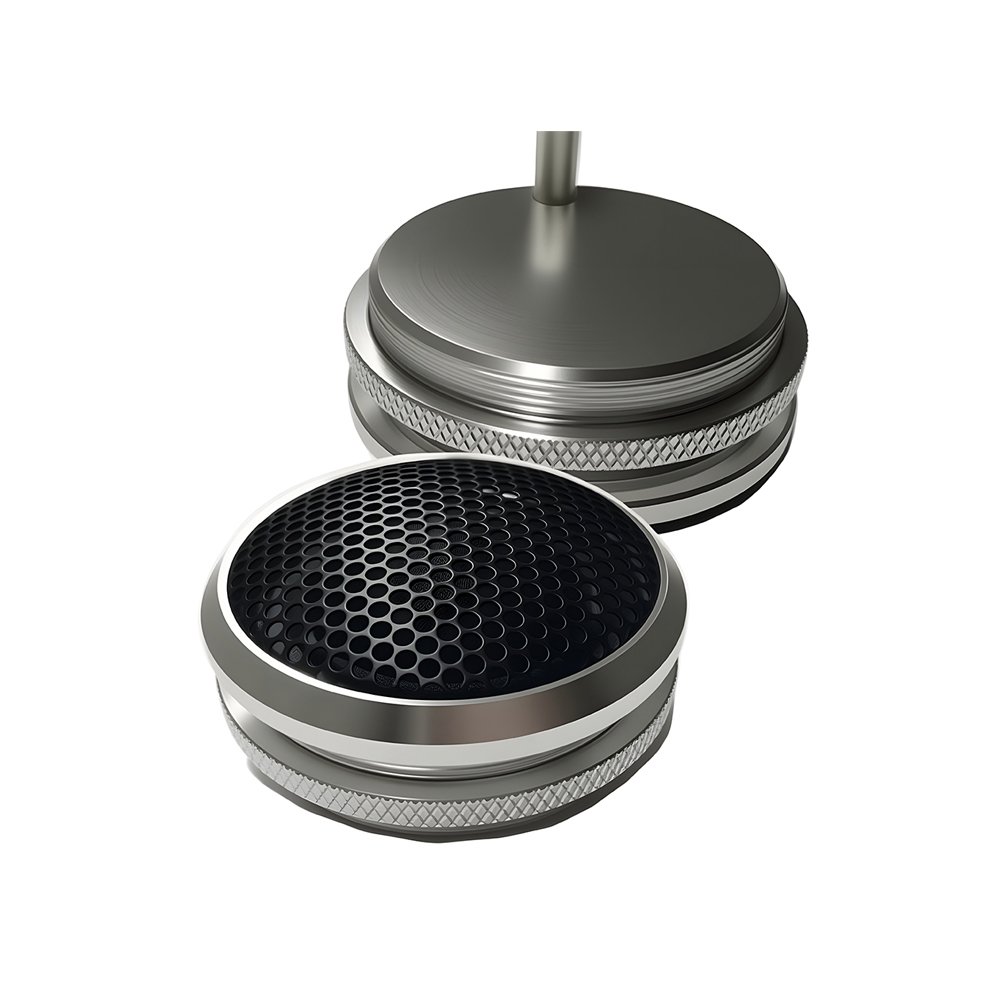
Благодаря достижениям в области аудиоинженерии, материаловедения и беспроводных технологий, новейшие колонки представляют собой шедевры сдержанной элегантности. Они удовлетворяют растущую потребительскую базу, ценящую как превосходное звучание, так и эстетическую чистоту. Согласно отчету Ассоциации потребительских технологий за 2023 год, спрос на “эстетически интегрированные аудиорешения” в домашних условиях вырос более чем на 40% в годовом исчислении, что подчеркивает четкий рыночный тренд в сторону дискретного, ориентированного на дизайн звука. Давайте рассмотрим пять ключевых тенденций, определяющих эту новую эру аудио для минималистичных интерьеров.
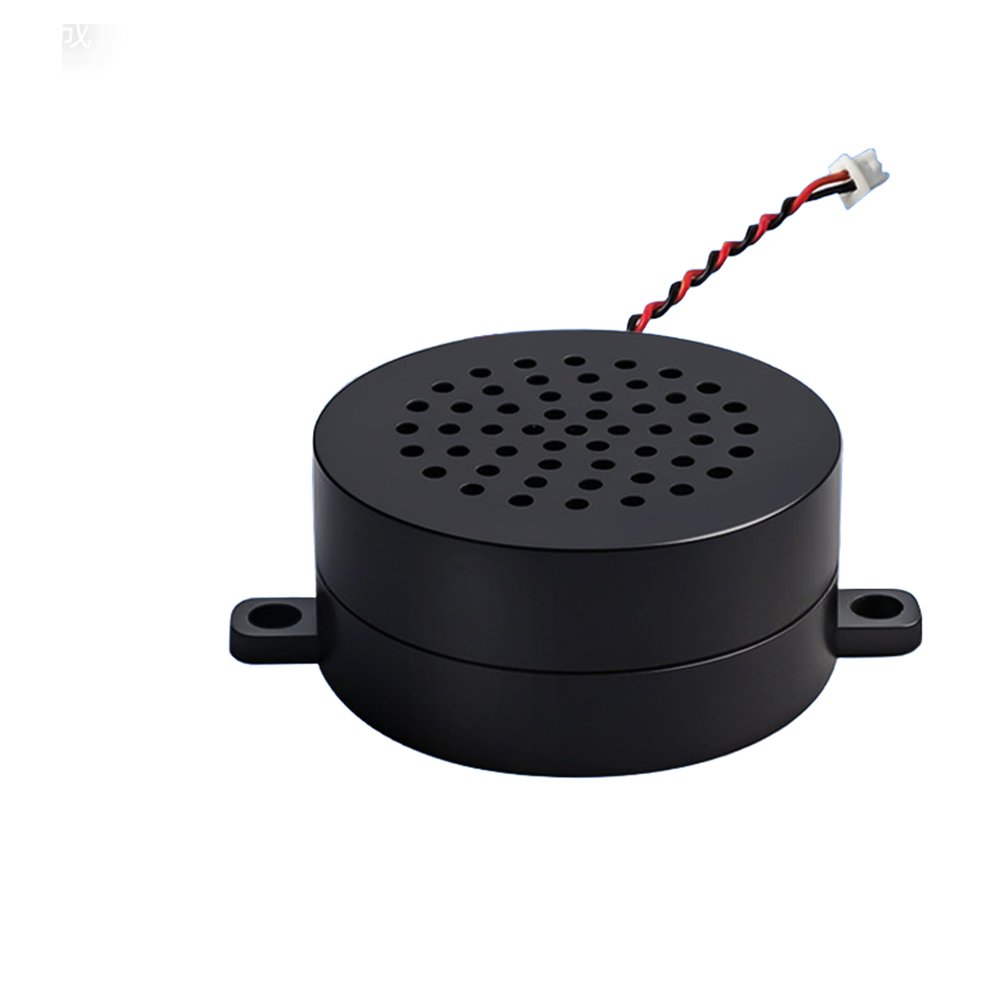
1. Дискретная интеграция и архитектурная невидимость
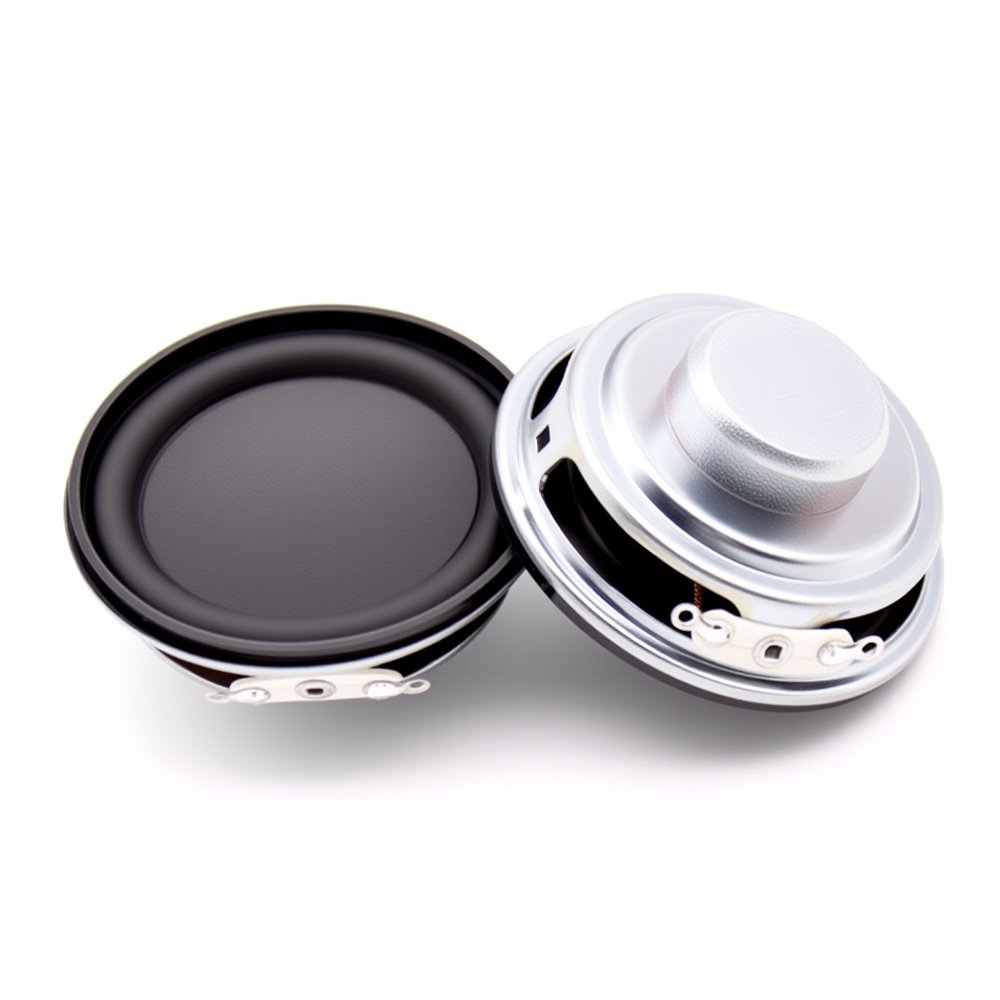
Вершина минималистичного аудио — достижение звука без видимого источника. Эта тенденция перемещает колонки с полок на фундаментальные, невидимые части самой архитектуры.
Встраиваемые в стены и потолки решения: Некогда прерогатива индивидуальных домашних кинотеатров, высококлассные архитектурные колонки теперь создаются для взыскательных минималистов. Компании, такие как Sonance, Bowers & Wilkins и KEF, предлагают ультратонкие модели с окрашиваемыми решетками, которые полностью исчезают в гипсокартоне. Последняя инновация заключается в “скрытых” драйверах и магнитных системах решеток, обеспечивающих идеально ровную, бесшовную поверхность.
Аудио, интегрированное в мебель: Колонки ingeniously встраиваются в предметы мебели. Представьте себе элегантный низкопрофильный консольный столик, вмещающий мощный левый, правый и центральный каналы, или минималистичный стеллаж с интегрированными модулями Dolby Atmos, направленными вверх. Такие бренды, как Bang & Olufsen, давно продвигают это, но теперь нишевые производители создают индивидуальные решения, превращающие необходимую мебель в аудиооснову дома.
Технологический фактор: Это стало возможным благодаря передовой эффективности усилителей (класс D) и конструкции драйверов. Такие материалы, как углеродное волокно и алюминиевые диафрагмы, обеспечивают насыщенный, чистый звук из меньших, более плоских корпусов. Передовые технологии формирования луча и направления звука гарантируют оптимальное распространение аудио из этих фиксированных, скрытых позиций.
Таблица: Сравнение типов архитектурной интеграции колонок
| Тип интеграции | Идеально подходит для | Ключевое преимущество | Рассмотрение |
| :— | :— | :— | :— |
| Встраиваемые в стены колонки | Гостиные, выделенные комнаты для прослушивания | Максимальная экономия пространства, полностью скрыты после покраски | Требует профессиональной установки, стационарно |
| Встраиваемые в потолок колонки | Домашнее аудио по всему дому, каналы Atmos высоты | Дискретны, отлично подходят для фоновой/атмосферной музыки | Направление звука фиксировано вниз |
| Интегрированные в мебель | Гостиные, спальни | Двойная функциональность, не требуется структурных модификаций | Расположение мебели определяет звуковую сцену |
2. Натуральные и устойчивые материалы
Минимализм часто связан с стремлением к аутентичности и связи с природой. Это отражается в отказе корпусов колонок от глянцевого пластика в пользу честных, тактильных материалов.
Массив дерева и камень: Ориентированные на дизайн бренды создают корпуса колонок из дуба, ореха и даже мрамора или сланца. Натуральная текстура или прожилки становятся визуальным акцентом, делая колонку похожей на скульптурный объект, а не на технику. Каждое изделие уникально и элегантно стареет со временем. Компании, такие как Vifa и AudioPro, преуспевают в этой категории.
Текстиль и биокомпозиты: Высококачественные, акустически прозрачные ткани от брендов, таких как Kvadrat, теперь распространены на колонках от Sonos, Ikea (SYMFONISK) и других. Помимо эстетики, исследования биокомпозитов — материалов из льна, конопли или мицелия — приводят к созданию прочных, устойчивых корпусов с естественными демпфирующими свойствами, улучшающими качество звука.
Сенсорный опыт: Эта тенденция направлена на вовлечение осязания, а также зрения и слуха. Теплота дерева, прохладная твердость камня и мягкость тканого материала добавляют слой сенсорной глубины, усиливающий минималистичную этику осознанной жизни.
3. Скульптурные, отдельно стоящие формы
Когда колонки предназначены для обзора, они все чаще создаются как намеренные скульптурные заявления. Эта тенденция рассматривает колонку как смелый, единственный в своем роде арт-объект, привлекающий внимание формой, а не беспорядком.
Геометрическая чистота: Подумайте о монолитных колоннах, идеальных сферах или острых цилиндрических формах. Такие бренды, как Linn, Naim и даже Google с его Nest Audio, используют простые геометрические формы, которые кажутся устойчивыми и безмятежными. Цветовая палитра обычно нейтральна: матовый черный, теплый белый, грифельно-серый и земляные тона.
Органическая текучесть: В противовес острой геометрии некоторые дизайнеры черпают вдохновение из органических форм — гладких, похожих на гальку очертаний, словно выточенных природой. Цель — создать объект, который кажется спокойным, текучим и почти антропоморфным. Серия Devialet Phantom с ее характерной эллиптической формой является ярким (хотя и смелым) примером.
Философия дизайна: Эти колонки размещаются с той же тщательностью, что и ваза или скульптура. Они подчеркивают негативное пространство вокруг себя и становятся фокусной точкой, дополняющей, а не конкурирующей с минималистичной обстановкой. Их форма неотъемлемо является частью их функции, часто предназначенной для равномерного распространения звука на 360 градусов.
4. Умные и невидимые пользовательские интерфейсы
Минимализм не терпит визуального шума, включая кнопки, дисплеи и мигающие светодиоды. Современная минималистичная колонка — это спокойная поверхность, взаимодействующая тонкими, интуитивными или невидимыми способами.
Сенсорное и жестовое управление: Емкостные сенсорные поверхности, часто обозначаемые лишь выгравированным символом или скрытые под тканью, позволяют управлять громкостью, воспроизведением и выбором источника легким касанием или свайпом. Некоторые высококлассные модели оснащены датчиками приближения, которые подсвечивают элементы управления только при приближении руки.
Голосовое управление и управление через приложение: С развитием голосовых ассистентов (Google Assistant, Alexa, Siri) основным интерфейсом часто становится слуховой. Сама колонка не нуждается в физических элементах управления. Кроме того, комплексные приложения для смартфонов позволяют управлять всеми настройками — от эквалайзера до группировки по нескольким комнатам — вне поля зрения.
Спокойные технологии: Эта концепция, впервые предложенная такими исследователями, как Эмбер Кейс, гласит, что технология должна информировать, но не требовать внимания. Новейшие колонки воплощают это: мягкое цветное свечение, указывающее громкость, единственный индикатор состояния, гаснущий после использования, или тактильная обратная связь вместо звуковых сигналов. Цель состоит в том, чтобы технология отступала на задний план до тех пор, пока она не понадобится.
5. Беспроводные многокомнатные экосистемы с единой эстетикой
Конечная цель минималистичного аудио — это звуковой ландшафт всего дома, который легко синхронизируется и визуально целостен. Развитие надежных высококачественных беспроводных протоколов сделало это реальностью.
Ячеистые сети и потоковая передача высокого разрешения: Системы, такие как от Sonos, Bluesound и Apple (с HomePod и AirPlay 2), создают стабильную синхронизированную сеть по всему дому. Они поддерживают аудиокодеки высокого разрешения, такие как FLAC и MQA, что означает отсутствие компромиссов в качестве звука ради удобства.
Эстетическая согласованность в линейках продуктов: Бренды теперь разрабатывают свои портативные, полочные и саундбары в едином дизайн-языке. Это позволяет разместить колонку на кухне, в гостиной и ванной, чтобы они воспринимались как часть продуманного набора, а не коллекция случайных устройств. Такая унификация глубоко удовлетворяет эстетику минимализма.
“Невидимая инфраструктура”: Устраняя необходимость в громоздких ресиверах и метрах акустического кабеля, эти беспроводные экосистемы сводят физический беспорядок к абсолютному минимуму. Силовые кабели остаются последним рубежом, но и эта проблема решается с помощью улучшенных систем прокладки и растущего использования аккумуляторных портативных устройств, которые бесшовно стыкуются с док-станциями.
Заключение
Слияние аудиоинженерии и минималистичного дизайна создает золотой век для эстетически осознанного слушателя. Больше не нужно выбирать между спокойным пространством и насыщенной, immersive звуковой средой. Тенденции невидимой интеграции, натуральных материалов, скульптурных форм, спокойных интерфейсов и унифицированных беспроводных систем доказывают, что лучшая технология не кричит — она шепчет. Она не доминирует в комнате, а возвышает её. По мере развития этих тенденций колонка укрепляет свою роль не как бытовой прибор, а как неотъемлемый, гармоничный элемент продуманного минималистичного дома.
Вопросы и ответы с профессионалами
Вопрос 1: Для истинного минималиста лучше выбрать полностью невидимые встраиваемые колонки или скульптурную отдельно стоящую модель?
А: Это фундаментальный философский выбор. Невидимая интеграция идеальна для достижения абсолютного визуального спокойствия и лучше всего подходит, когда звук нужен как постоянный, фоновый слой (например, фоновое аудио для всего дома). Она требует более высоких первоначальных затрат на установку. Скульптурная отдельно стоящая колонка делает аудио более намеренным, эпизодическим опытом — сосредоточенным занятием, таким как прослушивание альбома. Она становится кураторским объектом искусства. “Лучший” выбор зависит от того, воспринимаете ли вы звук как экологическую утилиту или как фокусный ритуал. Многие успешные минималистичные дома используют гибрид: невидимые колонки для фонового аудио в общих зонах и одну красивую, выразительную колонку в специальном уголке для прослушивания.
Вопрос 2: Каковы ключевые акустические компромиссы при использовании ультратонких или не прямоугольных форм колонок?
А: Физика по-прежнему правит. Традиционные корпуса прямоугольной формы предназначены для контроля внутренних звуковых волн (стоячих волн) и предотвращения резонанса корпуса. Ультратонкие конструкции рискуют ухудшить воспроизведение низких частот (баса) и громкость, так как меньшие корпуса и динамики перемещают меньше воздуха. Инженеры противодействуют этому с помощью продвинутой цифровой обработки сигналов (DSP) для электронного расширения баса, пассивных излучателей и исключительно жестких, легких материалов динамиков. Не прямоугольные формы (сферы, овалы) могут быть даже полезны, так как они уменьшают внутренние стоячие волны и дифракцию от острых краев, что приводит к более чистому распространению звука. Компромисс часто заключается в повышенной сложности производства и стоимости. Всегда отдавайте предпочтение моделям от брендов с подтвержденными акустическими инженерными достижениями, а не чисто дизайнерским новинкам.
Вопрос 3: Насколько надежны современные беспроводные многокомнатные системы, и есть ли потеря качества звука по сравнению с проводными конфигурациями?
А: Надежность теперь отличная для ведущих экосистем (SonosNet, Bluesound, Apple AirPlay 2, WiSA). Они используют надежные протоколы mesh-сетей, разработанные для работы в плотной, подверженной помехам среде современного дома. Для критического прослушивания проводное соединение (через Ethernet или специальный акустический кабель) всегда будет иметь потенциал для наивысшей точности, так как оно не подвержено беспроводному сжатию или перегрузке сети. Однако для подавляющего большинства слушателей и условий качество звука от высококлассных беспроводных систем является прозрачным и исключительным. Большинство потоковых систем передают аудио без потерь в качестве CD или выше. Практическая разница часто незначительна по сравнению с огромными эстетическими и удобными преимуществами беспроводной минималистичной установки. Ключевой момент — обеспечить надежную домашнюю Wi-Fi сеть или выбрать систему, которая создает собственную выделенную mesh-сеть.