
Промышленные водонепроницаемые динамики являются критически важными компонентами в средах, где воздействие влаги, пыли, химических веществ и экстремальных температур является нормой. От нефтяных платформ и очистных сооружений до предприятий пищевой промышленности и открытых развлекательных площадок — эти устройства должны обеспечивать надежное воспроизведение звука, выдерживая суровые условия. Основа их долговечности заключается не только в прочных драйверах или корпусах, но и в передовых герметизирующих материалах и инженерных решениях, которые защищают внутреннюю электронику. Отказ уплотнения означает отказ динамика, что приводит к дорогостоящим простоям и заменам. Данная статья посвящена материаловедению, лежащему в основе этих уплотнений, и рассматривает стандартные и передовые составы, создающие непроницаемый барьер, обеспечивающий целостность звука в самых требовательных приложениях.
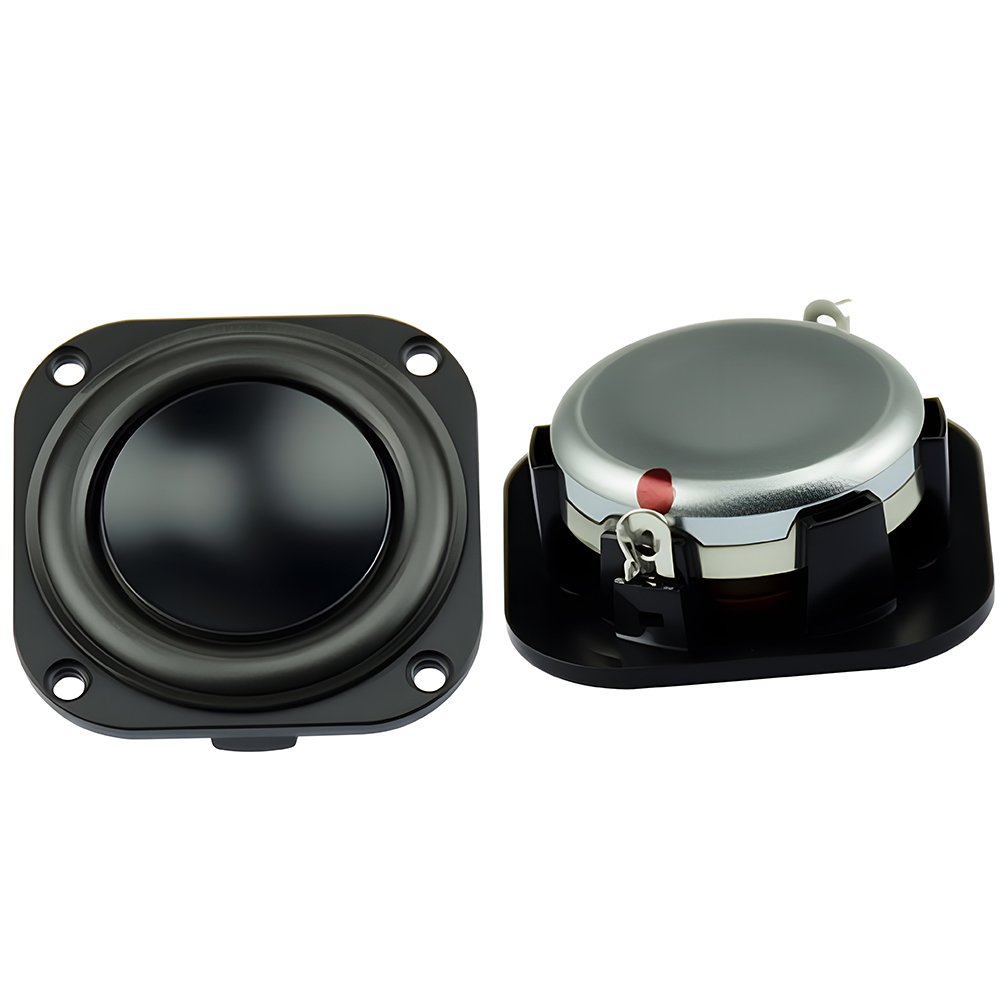
Материаловедение герметизации: основные принципы и степени защиты IP
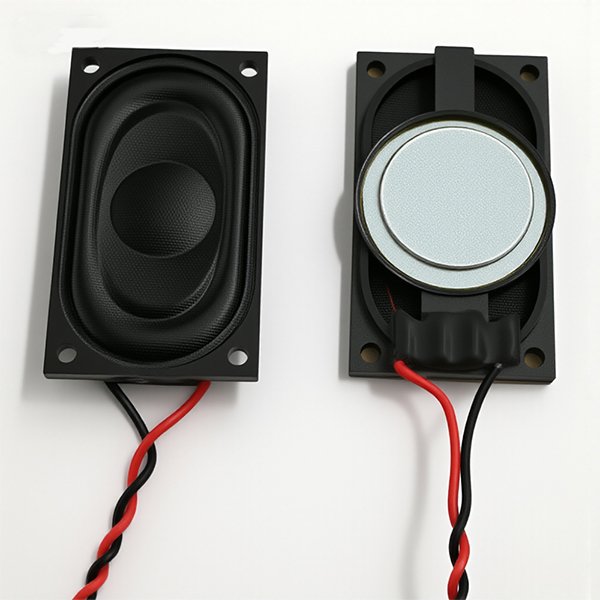
По своей сути герметизация промышленного динамика заключается в создании и поддержании барьера. Это включает две ключевые задачи: статическая герметизация (прокладки и уплотнительные кольца между неподвижными поверхностями) и динамическая герметизация (защита движущихся частей, таких как диффузоры динамиков). Эффективность этих уплотнений международно классифицируется кодом степени защиты от проникновения (IP), чаще всего нацеленным на IP65, IP66, IP67 и строгий IP69K для мойки под высоким давлением и высокой температурой.
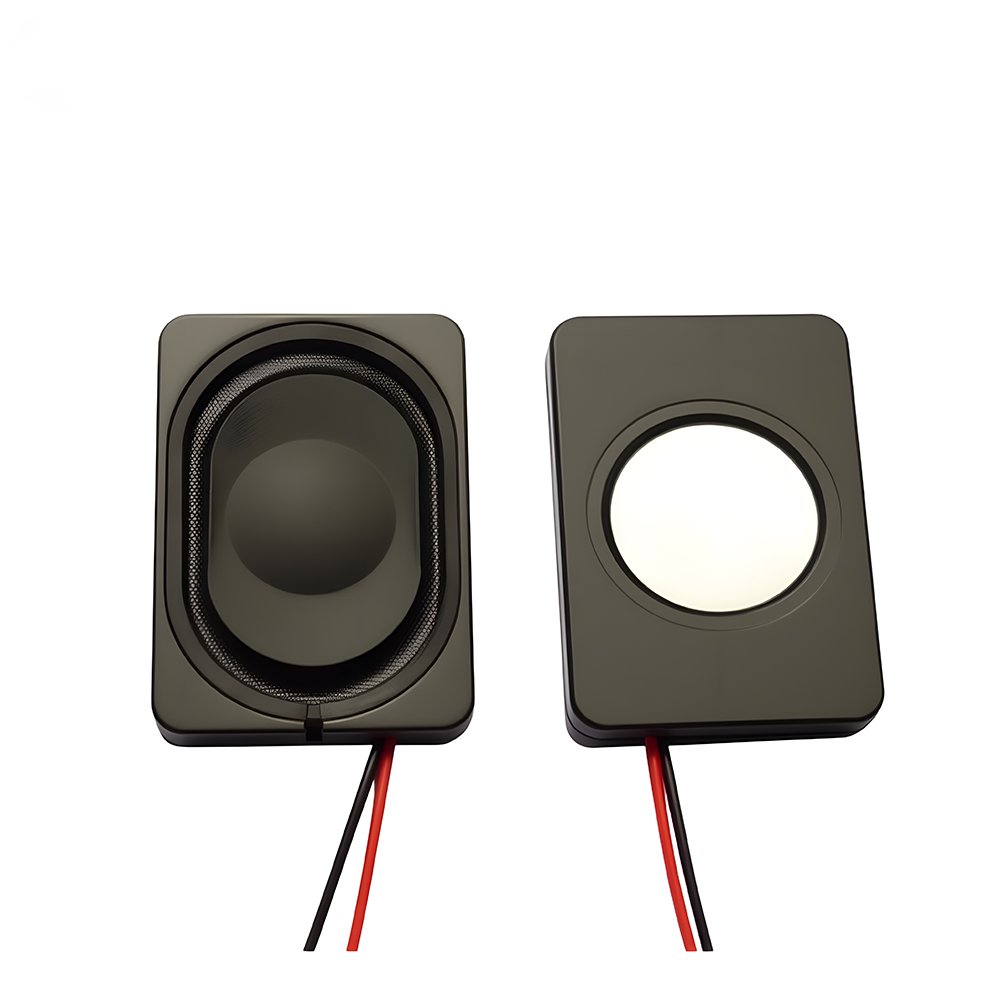
Выбор материала определяется сложным взаимодействием свойств:
- Совместимость и проницаемость эластомера: Материал должен образовывать идеальную, долговечную связь с материалом корпуса (часто алюминий, нержавеющая сталь или поликарбонат) и быть непроницаемым для водяного пара и мелких частиц пыли.
- Стойкость к воздействию окружающей среды: Он должен противостоять деградации от УФ-излучения, озона, широких перепадов температур (от -40°C до +125°C является обычным) и механических нагрузок.
- Химическая стойкость: В промышленных условиях часто встречается воздействие масел, растворителей, кислот, щелочей и чистящих средств. Уплотнение не должно набухать, трескаться или разрушаться при контакте.
- Долговременная остаточная деформация сжатия: Прокладка должна сохранять свое уплотняющее усилие в течение многих лет сжатия без необратимой деформации.
В следующей таблице перечислены основные используемые герметизирующие материалы, их ключевые характеристики и типичные промышленные применения:
| Материал | Ключевые свойства | Диапазон температур (прибл.) | Химическая стойкость | Типичные области применения в динамиках |
|---|---|---|---|---|
| Силикон | Отличная гибкость, стабильность при высоких/низких температурах, хорошая стойкость к озону и УФ-излучению. | от -60°C до +230°C | От умеренной до хорошей (зависит от марки) | Прокладки общего назначения, подвесы диффузоров, наружные/высокотемпературные среды. |
| EPDM (Этилен-пропилен-диеновый мономер) | Превосходная стойкость к атмосферным воздействиям, озону и пару. Хорошая водо- и химическая стойкость. | от -50°C до +150°C | Отличная стойкость к полярным веществам, слабая к маслам. | Наружные динамики, зоны систем ОВиК, предприятия пищевой промышленности и производства напитков (мойка). |
| Неопрен (CR) | Хорошая общая стойкость к атмосферным воздействиям, маслам и умеренно агрессивным химикатам. Прочный и эластичный. | от -40°C до +120°C | Хорошая общая стойкость. | Общие промышленные условия, морские применения, умеренное химическое воздействие. |
| Полиуретан (PU) | Исключительная стойкость к истиранию, высокая прочность на разрыв, хорошая несущая способность. | от -50°C до +80°C | От удовлетворительной до хорошей (может гидролизоваться) | Защитные покрытия, уплотнения решеток, зоны с высокой физической абразией. |
| Фторсиликон (FVMQ) | Сочетает температурный диапазон силикона с улучшенной стойкостью к топливу и маслам. | от -60°C до +200°C | Отличная стойкость к топливу, маслам, растворителям. | Аэрокосмическая, автомобильная промышленность и химические заводы, где присутствуют масла. |
| Фторкаучук (Viton®/FKM) | Выдающаяся химическая и высокотемпературная стойкость. | от -20°C до +205°C | Исключительная устойчивость к маслам, топливу, кислотам и химическим веществам. | Экстремальные химические среды, нефтеперерабатывающие заводы, фармацевтическое производство. |
| Термопластичный полиуретан (ТПУ) | Высокая эластичность, долговечность и простота обработки методом литья под давлением. | от -40°C до +120°C | Хорошая устойчивость к маслам и смазкам. | Интегрированные конструкции уплотнений, детали с обрезиненным покрытием, кабельные вводы. |
| Жидкие герметики и заливочные компаунды (Силикон, полиуретан, эпоксидная смола) | Принимают любую форму, обеспечивая полную герметизацию. | Зависит от продукта | Зависит от рецептуры | Заливка внутренних печатных плат, разгрузка натяжения проводов, заполнение точек ввода кабеля. |
Углубленный анализ основных уплотнительных материалов
Силиконовый каучук является, пожалуй, самым универсальным материалом. Его исключительная термическая стабильность делает его идеальным для динамиков, расположенных рядом с печами, котлами или под прямыми солнечными лучами в пустыне. В качестве материала подвеса диффузора он обеспечивает линейную податливость и долговечность, значительно превосходящие пену или бутилкаучук. Для прокладок высоконаполненный каучук (HCR) формуется в точные профили. Однако его относительно низкая прочность на разрыв может быть недостатком в точках с высокими механическими нагрузками.
EPDM является лидером по атмосферостойкости. Он отлично подходит для наружного применения, где постоянное воздействие дождя, влажности и озона разрушило бы другие эластомеры. Его превосходная устойчивость к пару и горячей воде делает его фактическим стандартом для динамиков с классом защиты IP69K в пищевой и напиточной промышленности, которые ежедневно проходят циклы санитарной обработки под высоким давлением и температурой. Его ключевой недостаток — чувствительность к нефтяным маслам и топливу, что ограничивает его использование в автомобильной промышленности или механических цехах.
Для сред с умеренными и смешанными воздействиями, Неопрен является надежным рабочим материалом. Он обеспечивает сбалансированное сочетание атмосферо-, масло- и износостойкости по конкурентоспособной цене. Например, в морских применениях он эффективно противостоит воздействию соляного тумана и ультрафиолетового излучения.
В премиальном сегменте, Фторкаучук (FKM/Viton®) и Фторсиликон (FVMQ) применяется при агрессивном химическом воздействии. В фармацевтических чистых помещениях с использованием агрессивных дезинфицирующих средств или на морских платформах с постоянным контактом с углеводородами эти материалы предотвращают набухание и деградацию уплотнений, что было бы катастрофично для стандартных эластомеров. Их более высокая стоимость оправдана экстремальными эксплуатационными расходами в случае отказа.
Передовые технологии уплотнения и интеграция в конструкцию
Современный дизайн промышленных динамиков выходит за рамки простого выбора материала прокладки. Он включает интеграцию уплотнения в саму архитектуру продукта.
Жидкая заливка и герметизация: Критически важные внутренние компоненты, особенно усилительный модуль и кроссовер, часто защищаются путем полной заливки— погружения в жидкую смолу, которая отверждается в твердый блок. Двухкомпонентные полиуретановые заливочные компаунды популярны благодаря хорошей влагостойкости, гибкости (поглощению напряжений) и ремонтопригодности. Эпоксидная заливка обеспечивает более твердую и жесткую защиту с превосходной химической стойкостью, но может быть хрупкой при термических циклах. Силиконовые заливочные компаунды обладают наилучшими термическими и эластичными свойствами, но могут иметь более низкую адгезию.
Обрезинивание и склеенные уплотнения: Передовые производственные технологии позволяют обрезинивать уплотнение из ТПУ или силикона непосредственно на алюминиевую решетку или раму корпуса, создавая постоянное бесшовное соединение, исключающее потенциальные пути утечки, характерные для отдельных прокладок. Аналогично, прокладки с клеевым слоем (где силиконовая или EPDM-губка предварительно склеена с металлическим фланцем) обеспечивают идеальное выравнивание и упрощают установку, снижая риск человеческой ошибки.
Уплотнение диафрагмы и края диффузора: Сам диффузор является потенциальной точкой проникновения. В высококачественных динамиках используются покрытия, нанесенные методом парового осаждения, или непроницаемые ткани, ламинированные на материал диффузора. Критическое соединение, где диффузор встречается с корзиной (подвес), часто изготавливается из обработанных тканей, Santoprene™ или силикона для сохранения гибкости и герметичности в течение десятилетий вибрации.
Инновации в кабельных вводах: Точка ввода кабеля является основной уязвимостью. В современных динамиках используются многоступенчатые кабельные вводы, которые сочетают эластомерное уплотнение (часто из NBR или силикона), обжимающее кабель, жесткий разгрузчик натяжения и внутреннюю камеру, которая может быть заполнена заливочным компаундом, достигая защиты IP68/IP69K даже при постоянном движении кабеля.
Тестирование, стандарты и данные о реальной производительности
Задать спецификацию материалов — одно дело; доказать их работоспособность — другое. Авторитетные производители подвергают громкоговорители ускоренным испытаниям на срок службы, которые значительно превосходят стандартные сертификации. Данные в реальном времени от отраслевых испытаний 2023 года показывают, что для класса защиты IP67 (погружение до 1 м) изделия регулярно тестируются в воде глубиной 1,5 м в течение 30+ минут. Испытания IP69K включают подачу воды под давлением 14–16 МПа при температуре 80 °C с нескольких углов, на расстоянии всего нескольких дюймов, в течение нескольких минут — это жесткое воздействие, которое выдерживают только лучшие уплотнения из EPDM или FKM в сочетании с безупречной конструкцией.
Долгосрочная надежность измеряется испытаниями на термоциклирование (например, от -40 °C до +125 °C в течение 500 циклов) и испытаниями в соляном тумане по стандарту ASTM B117 в течение более 1000 часов для имитации многолетнего воздействия прибрежной среды. Данные таких испытаний напрямую влияют на выбор материала; например, стандартное нитриловое уплотнение может пройти начальные IP-испытания, но выйти из строя после 200 термических циклов из-за остаточной деформации сжатия, тогда как правильно составленный силикон или EPDM сохранит герметичность.
Руководство по выбору: соответствие уплотнения среде эксплуатации
Выбор правильного уплотнения — это упражнение по управлению рисками. Вот практическое руководство:
- Наружные/влажные среды (парки, пирсы, стадионы): Отдавайте приоритет EPDM за его непревзойденную устойчивость к погодным условиям и УФ-излучению. Силикон является хорошей альтернативой для более широких температурных диапазонов.
- Пищевая промышленность, производство напитков, фармацевтика (мойка): EPDM необходим из-за его устойчивости к пару, горячей воде и едким моющим средствам. Ищите сорта, соответствующие требованиям FDA, и сертификацию IP69K.
- Химические и нефтехимические заводы: Фторкаучук (FKM) или Фторсиликон необходимы для устойчивости к растворителям, кислотам и брызгам углеводородов.
- Зоны с высокой температурой (литейные цеха, пекарни): Силикон является стандартным выбором для постоянного воздействия высоких температур.
- Общее тяжелое машиностроение (склады, производство): Неопрен или высококачественный силикон предлагают экономичное и долговечное решение для защиты от пыли, влаги и случайных химических брызг.
Всегда консультируйтесь с таблицами совместимости материалов производителя для конкретных химических воздействий и требуйте подробные сертификационные отчеты (IP, UL, NSF), соответствующие вашей отрасли.
Вопросы и ответы с профессионалами
Вопрос: Может ли громкоговоритель с высоким классом IP (например, IP67) выйти из строя в химической среде?
А: Безусловно. Класс IP определяет только защиту от твердых частиц и проникновения воды. Громкоговоритель с отличной силиконовой прокладкой, достигающей IP67, может иметь уплотнение, быстро разрушающееся под воздействием нефтяных масел или агрессивных растворителей, что приведет к отказу. Всегда сверяйте класс IP с данными производителя о химической стойкости конкретных уплотнительных материалов.
Вопрос: Какое место является наиболее распространенной точкой отказа в уплотнениях промышленных громкоговорителей?
А: Точка ввода кабеля (сальник) и интерфейс между решеткой/отражателем громкоговорителя и основным корпусом — наиболее распространенные точки отказа. Вибрация может ослабить сальники, а неравномерное давление при монтаже может нарушить герметичность прокладок. Современные конструкции с использованием формованных уплотнений, склеенных прокладок и залитых компаундом кабельных вводов специально устраняют эти уязвимости.
Вопрос: Мы используем мойку паром под высоким давлением. Достаточно ли IP69K, или нужно указывать дополнительные требования?
А: IP69K специально разработан для мойки под высоким давлением и высокой температурой и является необходимым. Однако вы также должны убедиться, что сам материал уплотнения рассчитан на постоянную температуру пара и конкретные используемые чистящие химикаты.. Обычно рекомендуется EPDM. Кроме того, проверьте, что материал корпуса громкоговорителя (например, нержавеющая сталь 316) также выдерживает химические и термические нагрузки.
Вопрос: Насколько важен показатель “остаточной деформации сжатия” материала прокладки?
А: Критически важен. Остаточная деформация сжатия измеряет способность материала восстанавливать исходную толщину после длительного сжатия. Плохой показатель (например, 40%) означает, что прокладка сплющивается и со временем теряет усилие уплотнения, что приводит к утечкам. Для стационарных установок выбирайте материалы с низкой остаточной деформацией сжатия (например, <20% по ASTM D395). Высококачественные силиконовые и EPDM-составы здесь превосходны.
Вопрос: Существуют ли новые материалы для уплотнения громкоговорителей?
А: Да. Перфторэластомеры (FFKM), такие как Kalrez®, находят нишевое применение в сверхагрессивных химических средах. В более широком смысле ведутся значительные исследования и разработки в области самовосстанавливающихся эластомеров, и нанокомпозитных герметиков, где встроенные частицы улучшают барьерные свойства. Кроме того, современные термопластичные вулканизаты (TPV) обеспечивают лучшую экологическую стойкость с возможностью вторичной переработки и простотой обработки термопластов, бросая вызов традиционным термореактивным резинам.