
Введение: Стремление к звуковому величию в миниатюре
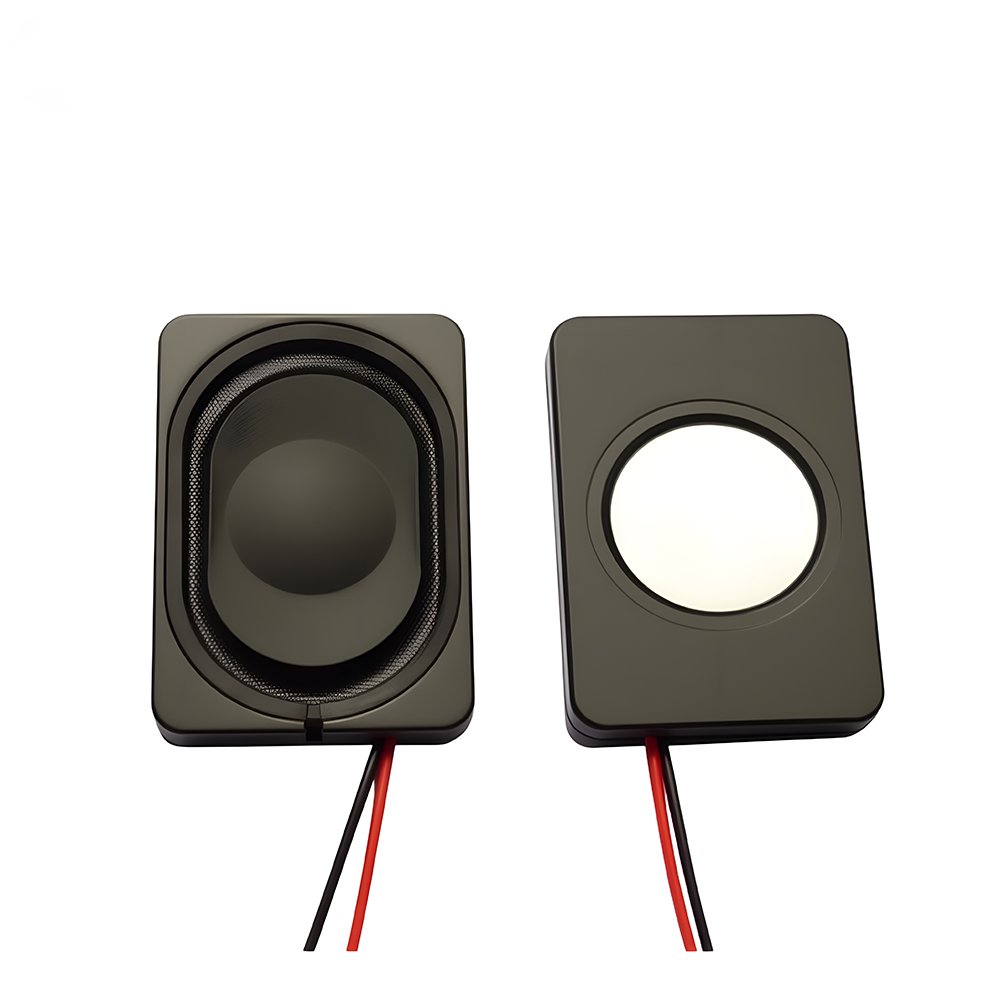
На протяжении десятилетий фундаментальное правило аудиотехники казалось незыблемым: чем больше динамик, тем мощнее звук. Физика выглядела очевидной — крупные излучатели и корпуса перемещают больше воздуха, создавая более глубокие басы и впечатляющие звуковые сцены. Однако сегодня мы наблюдаем эпоху, когда динамики, помещающиеся на ладони, обеспечивают аудиовпечатления, противоречащие их физическим размерам. Это стремление — не просто новинка, а ответ на эволюцию нашего образа жизни и пространства. Достижение “мощного звука” в компактном форм-факторе представляет собой сложный танец передовых инженерных решений, материаловедения и цифровой обработки сигналов, объединяющихся для разрушения устоявшихся аудиопарадигм. Это одна из самых захватывающих и сложных задач в потребительской аудиотехнике, сочетающая стремление к минималистичному, эргономичному дизайну с бескомпромиссным требованием насыщенного, заполняющего помещение звука.
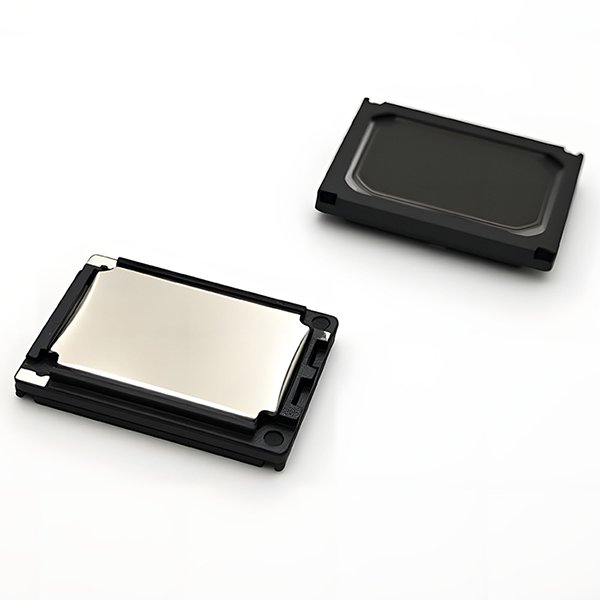
Данная статья рассматривает многогранные инженерные чудеса, делающие это возможным. Мы исследуем ключевые технологии: от передовой конструкции излучателей и пассивных радиаторов до вычислительной магии цифровой обработки сигналов (DSP) и психоакустической настройки. Мы проанализируем реальные применения и представим основанный на данных обзор текущей рыночной ситуации. В конечном итоге мы стремимся демистифицировать то, как современные аудиоинженеры организуют революцию в звуке, доказывая, что звуковой масштаб больше не является прямой функцией физического размера.
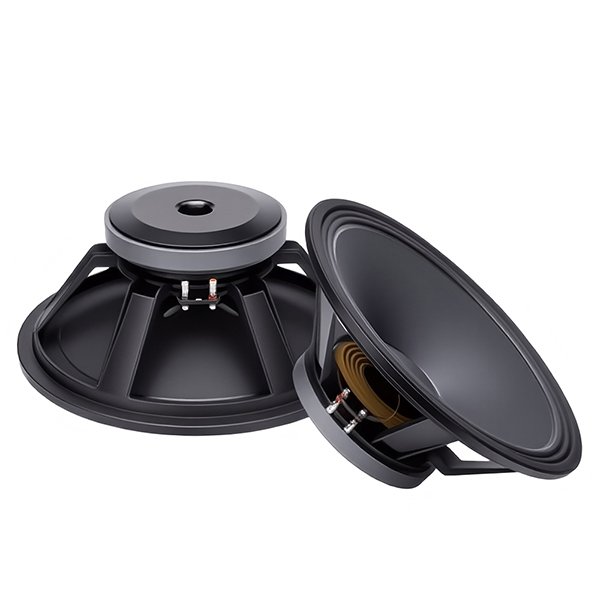
Инженерные основы: Ключевые технологии компактных «электростанций»
Стремление к мощному звуку от небольших корпусов опирается на несколько взаимосвязанных технологических столпов. Это не постепенные улучшения, а фундаментальное переосмысление того, как звук генерируется, усиливается и воспринимается.
1. Передовая технология излучателей и экскурсии:
Сердце любого динамика — его излучатель. В компактных динамиках инженеры используют легкие, жесткие материалы, такие как покрытый полипропилен, алюминий или даже титан, для диафрагм. Цель — максимальная жесткость при минимальной массе, что позволяет излучателю начинать и прекращать движение с исключительной скоростью и точностью. Однако настоящий прорыв заключается в управлении экскурсией— расстоянием, на которое конус излучателя движется вперед и назад. Глубокие басы требуют значительного перемещения воздуха, традиционно достигаемого большими конусами. Компактные излучатели компенсируют это исключительно длинной экскурсией, обеспечиваемой мощными неодимовыми магнитами и сложными магнитными системами с длинноходными звуковыми катушками. Это позволяет небольшой площади поверхности двигаться с большой амплитудой, вытесняя объемы воздуха, сравнимые с гораздо более крупными излучателями.
2. Пассивные радиаторы и акустическое проектирование:
Поскольку крошечный герметичный корпус подавил бы басовую отдачу, инженеры применяют пассивные радиаторы (также известные как «ведомые конусы»). Это незапитываемые диафрагмы, которые резонируют в такт с выходным сигналом активного излучателя. Когда активный излучатель толкает воздух внутри герметичного корпуса, пассивный радиатор реагирует сочувственно, эффективно увеличивая излучающую площадь системы и обеспечивая значительно улучшенную низкочастотную отдачу без громоздкости большого порта или дополнительного активного излучателя. Настройка массы радиатора и внутреннего объема корпуса — это точное искусство, определяющее конкретную басовую характеристику и характер звука.
3. Цифровая обработка сигналов (DSP) — Цифровой мозг:
Это, пожалуй, самая преобразующая технология. DSP — это специализированный микропроцессор, обрабатывающий аудиосигнал в реальном времени. В компактных динамиках он выполняет несколько критических функций:
- Эквализация и усиление басов: Он применяет сложные кривые эквализации для усиления воспринимаемых басовых частот, тщательно контролируя искажения. Алгоритмы могут динамически подстраиваться в зависимости от громкости для защиты аппаратного обеспечения.
- Психоакустическая обработка: DSP может синтезировать гармонические сигналы, которые заставляют мозг воспринимать более низкие частоты, чем физически воспроизводятся — принцип, известный как “отсутствующая основная частота”.”
- Динамическое сжатие и ограничение: Это гарантирует, что крошечный усилитель и излучатели работают на пределе своих возможностей без возникновения разрушительных искажений или механических повреждений.
- Коррекция фазы и управление кроссовером: Для многодинамиковых систем DSP обеспечивает идеальную синхронизацию и смешивание между излучателями (например, твитерами и вуферами).
4. Высокоэффективное усиление класса D:
Современные компактные динамики питаются от невероятно эффективных, компактных и мощных усилителей класса D. В отличие от старых аналоговых конструкций, рассеивающих значительную мощность в виде тепла, усилители класса D включаются и выключаются тысячи раз в секунду, достигая эффективности выше 90%. Это означает, что больше электрической мощности напрямую преобразуется в акустическую, позволяя компактному динамику работать громче и мощнее от компактного аккумулятора или блока питания. Такая эффективность является обязательным условием для достижения высокого SPL (уровня звукового давления) в миниатюрной платформе.
5. Системная интеграция и акустическая настройка:
Наконец, магия заключается в целостной интеграции. Материал корпуса (часто плотный пластик или композит), внутренние распорки, расположение излучателей и даже тканевая решетка — все акустически настроено. Инженеры используют лазерную интерферометрию и испытания в безэховых камерах для выявления и устранения нежелательных резонансов, окрашивающих звук. Результатом является согласованная, оптимизированная система, где каждый компонент работает в унисон для максимизации выходной мощности и точности воспроизведения.
Рыночная ситуация и данные о производительности: Доказательства в измерениях
Теоретические достижения убедительны, но как они реализуются в реальных продуктах? Рынок премиальных портативных и компактных динамиков взорвался ростом, и ключевые игроки используют эти технологии для достижения поразительной производительности. Ниже представлен обзор ведущих моделей в компактной категории (менее 1 кг), демонстрирующий их технологическую направленность и ключевые характеристики. (Данные являются репрезентативными для моделей, доступных в начале 2024 года.)
| Модель | Ключевая технологическая особенность | Конфигурация излучателей | Заявленный частотный диапазон | Время работы от аккумулятора (часы) | Вес |
|---|---|---|---|---|---|
| Ultimate Ears EPICBOOM | “Динамический бас” через DSP и 360° звук | 1 твитер, 1 вуфер, 2 пассивных радиатора | 55 Гц – 20 кГц | 17 | 0,92 кг |
| Bose SoundLink Flex | “PositionIQ” Автоматическое определение ориентации | 1 специальный преобразователь, 1 пассивный радиатор | N/A (Рынок: “Чистый, полновесный звук”) | 12 | 0,57 кг |
| JBL Charge 5 | “НЧ-динамик формы ”Racetrack», PartyBoost | 1 твитер, 1 вуфер, 2 пассивных радиатора | 65 Гц – 20 кГц | 20 | 0,96 кг |
| Sonos Roam | “DSP с автонастройкой ”Trueplay», Wi-Fi и Bluetooth | 1 твитер, 1 среднечастотный НЧ-динамик | Не указано публично | 10 (Bluetooth) | 0,43 кг |
| Tribit StormBox Micro 2 | Акцент на экстремальную ценность, XBass DSP | 1 широкополосный излучатель, 1 пассивный излучатель | 70 Гц – 20 кГц | 12 | 0,32 кг |
Анализ: Таблица демонстрирует четкие тенденции. Пассивные излучатели повсеместно распространены, выступая основным инструментом для расширения баса. DSP является критическим фактором дифференциации, при этом такие бренды, как Sonos (Trueplay) и Bose (PositionIQ), используют его для контекстной адаптации. Стремление к воспроизведению ниже 60 Гц в корпусе весом менее 1 кг (как в случае с EPICBOOM) подчеркивает интенсивную инженерную направленность на басовые характеристики. Кроме того, успех таких брендов, как Tribit, демонстрирует, что эти ключевые технологии теперь доступны в различных ценовых сегментах, демократизируя высокопроизводительный компактный звук.
Применение и пользовательский опыт: Большой звук в реальном мире
Влияние этих технологий лучше всего понимать через пользовательский опыт. Высокопроизводительный малогабаритный динамик больше не является компромиссом; это универсальный аудиоинструмент.
- Портативные социальные центры: Эти колонки являются центральным элементом современных встреч — на пляже, в парке или в походе. Их прочность, водонепроницаемость (стандарт IP67 является распространенным) и способность проецировать чистый, мощный звук на открытых пространствах переопределяют аудио для улицы.
- Оптимизированное домашнее аудио: В городских квартирах или минималистичных интерьерах они служат элегантными высококачественными аудиорешениями для кухонь, кабинетов или спален. При подключении через Wi-Fi (как Sonos Roam или аналогичные) они интегрируются в многокомнатные системы, обеспечивая бесшовную масштабируемую аудиосреду без громоздкого оборудования.
- Портативная личная студия: Для создателей контента и профессионалов точность, достижимая в некоторых премиальных компактных моделях, делает их ценными портативными эталонными мониторами для видеомонтажа или проверки подкастов на выезде.
- Фактор “Вау”: Остается неоспоримое удовольствие от когнитивного диссонанса, когда нажатием кнопки воспроизведения из объекта, помещающегося в рюкзак, извлекается богатый, детальный и насыщенный басом трек. Эта эмоциональная реакция является прямым свидетельством успеха лежащей в основе инженерии.
Пользователю больше не нужно выбирать между удобством и качеством. Он может получить прочный, портативный и красивый объект, который также обеспечивает по-настоящему захватывающий и мощный опыт прослушивания, интеллектуально адаптируясь к окружающей среде с помощью встроенных технологий.
Будущее: Что дальше для миниатюрных звуковых гигантов?
Траектория указывает на еще большую интеграцию ИИ и контекстно-зависимых вычислений. Будущие колонки, вероятно, будут включать:
- Продвинутое восприятие окружающей среды: Помимо простого определения ориентации, будущие DSP будут использовать встроенные микрофоны для выполнения непрерывной коррекции помещения в реальном времени, адаптируя звуковой профиль миллисекунда за миллисекундой к точной акустике любого пространства.
- Прорывы в материаловедении: Применение новых материалов, таких как графен для диффузоров или передовых метаматериалов для конструкции корпуса, может привести к созданию еще более легких, жестких и акустически инертных структур.
- Устойчивая инженерия: Как и во всей электронике, внимание будет усиливаться к перерабатываемым материалам, увеличенному сроку службы и ремонтопригодности без ущерба для производительности.
- Бесшовная оркестровка нескольких устройств: Грань между автономными портативными колонками и распределенными адаптивными аудиосистемами будет еще больше размываться, когда рои маленьких колонок будут сотрудничать для создания точных звуковых полей в любом месте.
Основная миссия остается неизменной: постоянно бросать вызов и переопределять физические пределы воспроизведения звука. Малогабаритная колонка превратилась из удобной новинки в флагманскую категорию, стимулирующую одни из самых инновационных работ в аудиоинженерии.
Профессиональные вопросы и ответы: Углубленное изучение технологии компактных колонок
Вопрос 1: С инженерной точки зрения, каков самый большой компромисс при проектировании для малого форм-фактора, и как он смягчается?
А: Фундаментальным компромиссом является эффективность воспроизведения баса. Небольшой динамик в компактном корпусе по своей природе неэффективен при воспроизведении низких частот из-за фундаментальных законов акустики (например, железного закона Хоффмана, который устанавливает компромисс между объемом корпуса, глубиной баса и эффективностью). Эта проблема решается с помощью синергетического подхода: 1) Пассивные излучатели обеспечивают акустическое преимущество для расширения баса без громоздкости фазоинвертора или шума воздушных потоков. 2) Агрессивная DSP применяет значительную эквализацию для усиления низкочастотного сигнала, подаваемого на динамик, и использует динамическое сжатие для предотвращения чрезмерного хода диффузора на высокой громкости. 3) Конструкция динамика с большим ходом позволяет небольшому поршню перемещать достаточный объем воздуха, чтобы усиленный DSP сигнал был физически слышимым. Система представляет собой тщательно сбалансированное взаимодействие, где усилитель, DSP, динамик и излучатель разработаны как единое целое.
В2: Насколько значительна роль психоакустики в том, чтобы маленькие колонки звучали “большими”?
О: Она абсолютно ключевая. Психоакустика — наука о том, как мозг интерпретирует звук — предоставляет инструменты для улучшения воспринимаемых характеристик, выходящих за рамки сырых физических измерений. Ключевые методы включают:
- Усиление баса/синтез гармоник: Усиливая 2-ю и 3-ю гармоники глубокой басовой ноты, мозг часто “восстанавливает” впечатление отсутствующей основной низкой ноты.
- Расширение стерео и пространственная обработка: DSP может манипулировать фазой и временными задержками между динамиками, создавая “более широкую” звуковую сцену, чем позволяет физическая ширина колонки, усиливая ощущение масштаба.
- Динамическое контурирование громкости: Это регулирует частотный баланс на разных уровнях громкости, чтобы компенсировать сниженную чувствительность человеческого уха к басу на низкой громкости (кривые Флетчера-Мансона), обеспечивая “полноту” звучания даже при тихом прослушивании.
В3: С доминированием DSP становятся ли физические компоненты (динамики, корпус) менее важными?
О: Совсем наоборот. Физические компоненты важнее, чем когда-либо. DSP — мощный инструмент, но он не может исправить плохую фундаментальную акустику. Ему требуется хорошо спроектированная механическая платформа для работы. Динамик должен выдерживать значительную эквализацию и требования по мощности без искажений или поломок. Корпус должен быть акустически мертвым и нерезонансным; в противном случае DSP не сможет скорректировать “окрашивания”, которые он добавляет. Думайте о DSP как о водителе мирового класса (в программном смысле). Он может извлечь максимальную производительность из автомобиля, но не может превратить экономичный седан в гоночный автомобиль. Аппаратное и программное обеспечение разрабатываются совместно в тесно интегрированном цикле, где каждый элемент расширяет границы другого. Лучшие маленькие колонки добиваются успеха, потому что их физическая конструкция с самого начала оптимизирована для цифрового усиления.