
В мировой индустрии аудиооборудования выбор источника поставок высококачественных динамиков или создание собственного бренда динамиков требует принятия критического решения: работать напрямую с производителями или привлекать посредников по закупкам. Этот выбор влияет на всё: от стоимости и контроля качества до масштабируемости и управления рисками. Независимо от того, являетесь ли вы начинающим аудиобрендом, менеджером по закупкам электронной компании или предпринимателем, выходящим на рынок умных колонок, понимание нюансов каждого подхода необходимо для оптимизации цепочки поставок. Ландшафт производства динамиков обширен и сильно сконцентрирован в Азии — на Китай приходится более 70% мирового производства, за ним следуют развивающиеся центры во Вьетнаме, Малайзии и Восточной Европе. Эта географическая концентрация добавляет дополнительные уровни сложности в отношении логистики, коммуникации и культурного соответствия. Решение между прямым взаимодействием и использованием посредника является не просто транзакционным, а стратегическим, влияющим на рыночную жизнеспособность продукта, норму прибыли и долгосрочную устойчивость бизнеса.
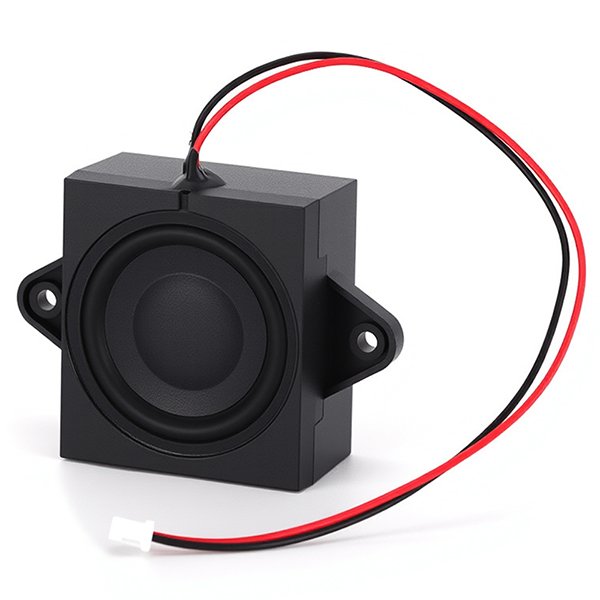
Понимание двух моделей: основные функции и операции
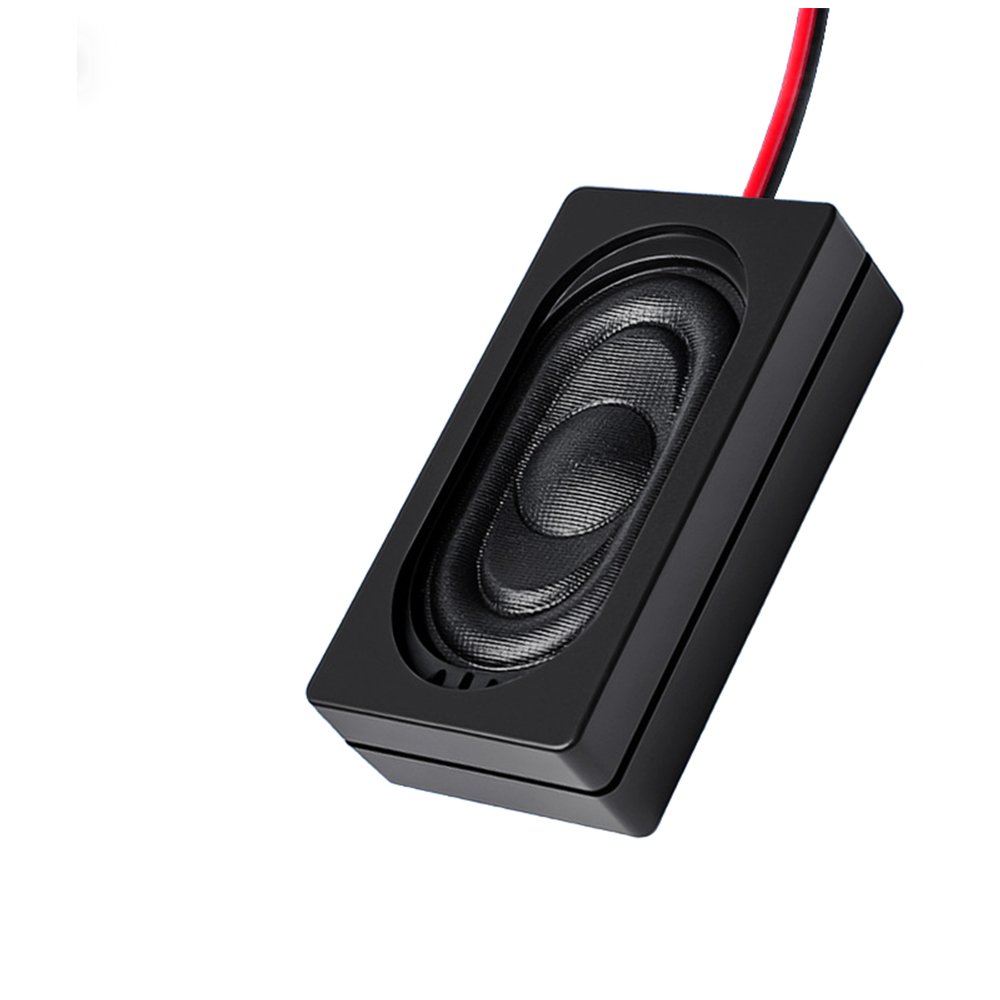
По своей сути модель прямого взаимодействия с производителем предполагает, что вы или ваша компания напрямую работаете с заводом, который разрабатывает, проектирует и производит компоненты динамиков или готовую продукцию. Эти производители, часто называемые OEM (Original Equipment Manufacturers) или ODM (Original Design Manufacturers), управляют производственными линиями. Прямое взаимодействие означает, что вы управляете всеми отношениями: от обмена спецификациями и прототипирования до переговоров, контроля качества и координации логистики.
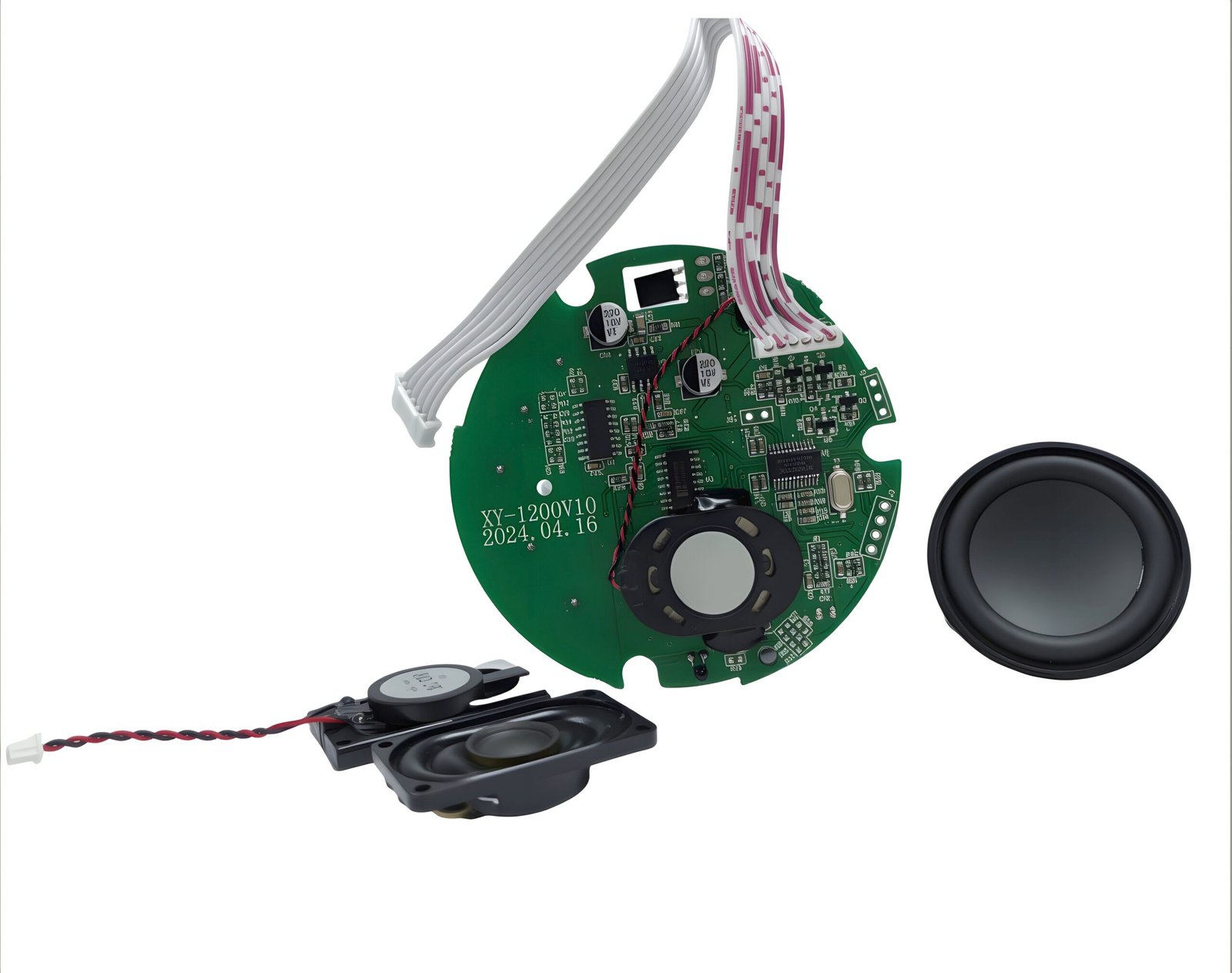
Напротив, посредник по закупкам выступает в качестве вашего локального представителя и посредника. Обычно находясь в регионах производства или рядом с ними, они используют налаженные сети заводов, поставщиков и поставщиков услуг. Их роль заключается в поиске подходящих производителей от вашего имени, содействии в коммуникации, проведении аудитов заводов, контроле производственных этапов, проведении проверок качества и организации транспортной логистики — всё это за определенную плату или комиссию. По сути, они являются расширением вашей команды по закупкам, специализируясь на навигации в местной деловой среде.
Операционные различия значительны. Прямой подход требует внутренних знаний в области международной торговли, технических спецификаций и систем управления качеством. Использование агента, напротив, передает большую часть этой операционной нагрузки на внешние ресурсы, преобразуя постоянные внутренние затраты в переменные внешние. Согласно отраслевому анализу Supply Chain Dive за 2024 год, около 58% малых и средних предприятий (МСП), выходящих на рынок аппаратного обеспечения, изначально выбирают агентов для снижения входных рисков, в то время как более крупные компании с выделенными отделами закупок со временем чаще устанавливают прямые связи.
Путь прямого производителя: углубленные преимущества и проблемы
Преимущества работы напрямую с производителями динамиков
1. Экономическая эффективность и потенциал маржи
Устранение комиссии посредника (обычно от 5% до 15% от стоимости продукта) может привести к значительной экономии. Это прямое ценовое преимущество улучшает вашу экономику на единицу продукции, позволяя устанавливать более конкурентоспособные цены или получать более высокую норму прибыли. Для крупных заказов цена за единицу от производителя может быть значительно ниже.
2. Расширенный контроль и прозрачность
Вы получаете беспрецедентную видимость производственного процесса. Прямое общение с инженерными группами позволяет вносить точные корректировки в материалы (например, состав диафрагмы, типы магнитов, намотку звуковой катушки), настройку акустики и изменения дизайна. Этот контроль имеет решающее значение для брендов, где аудиопроизводительность и уникальный дизайн являются ключевыми отличительными факторами.
3. Защита интеллектуальной собственности (ИС)
Управление соглашениями о неразглашении (NDA) и контрактами напрямую с заводом может упростить защиту ИС. Хотя риски сохраняются, прямые отношения позволяют создать более четкие договорные рамки в отношении патентованных конструкций, технологий и оснастки.
4. Долгосрочное стратегическое партнерство
Прямые отношения могут перерасти в совместные партнерства. Производители могут инвестировать в изготовление индивидуальной оснастки или выделять производственные линии для вашей продукции, что приводит к совместной разработке инноваций и приоритетному обслуживанию в периоды дефицита поставок.
Недостатки работы напрямую с производителями динамиков
1. Высокие барьеры входа и минимальные объемы заказа (MOQ)
Устоявшиеся OEM-производители динамиков часто устанавливают высокие минимальные объемы заказа (MOQ), иногда от 1000 до 10 000 единиц на модель. Это требует значительных капитальных вложений и сопряжено с риском для запасов, что может быть непомерно дорого для стартапов.
2. Операционная и ресурсная интенсивность
Ваша команда должна заниматься всеми аспектами: проверкой поставщиков, переговорами по контрактам, технической документацией, протоколами контроля качества и международной логистикой. Для этого требуются специально обученные сотрудники, обладающие знаниями в области аудиотехники и производственных практик в Азии.
3. Коммуникационные и культурные барьеры
Языковые барьеры, разница в часовых поясах и различия в деловой культуре могут привести к недопониманию, ошибкам в спецификациях и задержкам проекта. Не все заводы имеют менеджеров проектов, свободно владеющих английским языком.
4. Концентрация риска
Риск вашей цепочки поставок сконцентрирован на одном юридическом лице. Если у производителя возникнут производственные проблемы, финансовые трудности или сбои в качестве, ваш бизнес пострадает напрямую и немедленно, без какой-либо буферной защиты.
Путь через посредника по закупкам: взвешивание преимуществ и недостатков
Преимущества привлечения посредника по закупкам
1. Снижение операционной сложности и более быстрый выход на рынок
Агенты значительно снижают порог входа. Они занимаются поиском заводов, переговорами и повседневным контролем, позволяя вам сосредоточиться на разработке продукта, маркетинге и продажах. Это может сократить время выхода на рынок на несколько месяцев.
2. Доступ к проверенным сетям и рыночной информации
Хорошие агенты располагают предварительно проверенными сетями надежных производителей, специализирующихся на различных типах динамиков (например, для домашнего аудио, автомобилей, портативных Bluetooth-колонок). Они предоставляют бесценную информацию о местном рынке: репутации заводов, ценовых ориентирах и отраслевых тенденциях.
3. Обеспечение качества и контроль на месте
Агенты проводят аудиты заводов (проверяя наличие надлежащего оборудования, условий труда, систем менеджмента качества, таких как ISO 9001), а также выполняют инспекции в процессе производства и перед отгрузкой (проверки по AQL). Это присутствие на месте является критически важным уровнем контроля качества, который дорого воспроизводить собственными силами на расстоянии.
4. Масштабируемость и гибкость
Агенты могут помочь вам начать с небольших заказов, объединяя ваш спрос с заказами других клиентов или находя заводы с более низкими MOQ. По мере масштабирования они могут помочь управлять несколькими заводами для различных компонентов (драйверы, кроссоверы, корпуса).
Недостатки использования посредников по закупкам
1. Дополнительный уровень затрат
Комиссия агента или плата за услуги увеличивает вашу общую стоимость с учетом доставки. Это снижает маржу и должно быть оправдано ценностью, которую они предоставляют, и затратами, которых они помогают вам избежать.
2. Потенциал несовпадения интересов и непрозрачных сделок
Финансовая заинтересованность агента может заключаться в заключении сделки, а не в поиске наилучшего производителя. Существует риск получения “откатов” от заводов, что приводит к завышению цен. Прозрачность может быть проблемой, если вы не проявляете должной осмотрительности при выборе агента.
3. Потеря прямого контроля и глубины отношений
Вы находитесь на шаг дальше от производственного цеха. Петли обратной связи по техническим вопросам становятся длиннее, и вам может не удаться построить глубокие, прямые отношения с производителем, которые способствуют инновациям и льготным условиям.
4. Риск зависимости
Чрезмерная зависимость от агента может сделать ваш бизнес уязвимым, если он будет работать неэффективно или прекратит свою деятельность. Это также может помешать вашей внутренней команде развить критически важные знания в области цепочки поставок.
Стратегическая система принятия решений: какая модель подходит для вашего бизнеса?
Оптимальный выбор не является универсальным, а зависит от профиля вашей компании, ресурсов и этапа развития. Следующая таблица обобщает ключевые факторы принятия решений:
| Фактор принятия решения | Отдавать предпочтение прямому производителю | Отдавать предпочтение агенту по закупкам |
|---|---|---|
| Объем заказа | Высокий, стабильный объем (соответствует высоким минимальным объемам заказа) | Низкий или средний объем, либо пилотные партии |
| Внутренняя экспертиза | Собственная команда по закупкам/инжинирингу с опытом работы в Азии | Ограниченная внутренняя экспертиза в области закупок/контроля качества |
| Капитал и ресурсы | Достаточный капитал для крупных заказов и ресурсы для управления процессом | Ограниченный капитал; предпочтение переменным операционным расходам |
| Время выхода на рынок | Возможность выделить время на длительную настройку и обучение | Необходимость в быстром и оптимизированном выходе на рынок |
| Сложность продукта | Высокоспециализированные, технически сложные аудиопродукты, требующие глубокого сотрудничества | Более стандартные или умеренно кастомизированные конструкции |
| Допустимый уровень риска | Способность управлять концентрированными рисками поставок | Предпочтение снижению рисков через посредническую проверку и надзор |
| Долгосрочная стратегия | Создание ключевого стратегического актива в цепочке поставок | Тестирование рыночной жизнеспособности или поиск гибких, масштабируемых источников поставок |
Анализ сценариев:
- Аудиостартап с ограниченным бюджетом: Агент, скорее всего, является идеальным вариантом. Более низкие первоначальные капитальные затраты, сниженная операционная нагрузка и более быстрый запуск перевешивают ценовую премию.
- Масштабирующийся бренд электронной коммерции: По мере роста объемов может потребоваться переход от агента к гибридной или прямой модели для защиты маржи и получения контроля.
- Устоявшаяся компания по производству электроники: Вероятно, обладает ресурсами и объемами, чтобы оправдать создание собственной команды, возможно, даже с офисом на месте в регионе производства, дополненной агентами для новых категорий продуктов или регионов.
Гибридная модель и современные альтернативы
Все больше компаний применяют смешанные подходы. Вы можете использовать агента для поиска и проверки производителей для новой линейки продуктов, а затем перейти к прямым отношениям для постоянного производства. Альтернативно, поддерживайте прямые отношения с вашим основным OEM-производителем динамиков, используя агента для закупки вспомогательных товаров (упаковка, кабели, аксессуары).
Современные цифровые платформы для поиска поставщиков (например, Alibaba.com Supplier Assessed services, Global Sources) предлагают компромиссный вариант. Они предоставляют проверенные списки производителей, безопасные инструменты для транзакций и иногда услуги инспекции, что снижает некоторые функции агента, сохраняя прямую связь. Однако они редко заменяют глубокое практическое управление проектами, которое обеспечивает хороший агент.
Кроме того, консультанты по контрактному производству предлагают еще одну альтернативу. Это, как правило, эксперты в конкретных продуктах (включая аудиоинженеров), которые предоставляют стратегические рекомендации по выбору производителя и подготовке продукта к производству за фиксированную плату за проект, а не за процентную комиссию, что потенциально лучше согласует их интересы с вашим успехом.
Профессиональные вопросы и ответы: Навигация по реальным сложностям закупок
Вопрос 1: Мы стартап с уникальным дизайном динамиков, но ограниченным бюджетом. Агент запросил комиссию в 10%. Есть ли способ снизить эти затраты, сохранив при этом снижение рисков?
А: Рассмотрите возможность переговоров о ступенчатой структуре комиссии. Например, 10% за первый заказ, 7% за второй и 5% за последующие, по мере укрепления доверия и роста объемов. В качестве альтернативы предложите фиксированную плату за управление проектом вместо процента на этапе начальной настройки и прототипирования. Также используйте агента исключительно для этапов с высоким риском (аудит фабрики, утверждение первоначального образца, инспекция первой производственной партии) с намерением взять на себя более прямое управление последующими повторными заказами.
Вопрос 2: Как мы можем проверить, что прямой производитель надежен и не украдет нашу интеллектуальную собственность?
А: Проведите тщательную комплексную проверку: 1) Юридические аспекты: Убедитесь, что до передачи подробных проектов заключено надежное соглашение о неразглашении и производственный договор с учетом юрисдикции. 2) Верификация (Verification): Используйте услуги сторонних проверок для проверки бизнес-лицензий и регистрации фабрик. 3) Аудит: Наймите стороннюю инспекционную компанию для проведения полного аудита завода, оценивающего физические и процедурные меры безопасности. 4) Репутация: Запросите и свяжитесь с несколькими клиентскими рекомендациями, особенно от других западных компаний. 5) Поэтапность: Передавайте вашу интеллектуальную собственность поэтапно; на начальных этапах предоставляйте только необходимые детали для составления сметы и прототипирования.
Вопрос 3: В постпандемическом, геополитически чувствительном мире какую ценность представляют агенты по закупкам для устойчивости цепочек поставок?
А: Согласно отчету “Устойчивая цепочка поставок 2024”, более 40% компаний активно реализуют стратегии диверсификации «Китай плюс один». Компетентный агент по закупкам здесь незаменим. Они обладают оперативной информацией о производственных мощностях, затратах на рабочую силу и сроках выполнения в разных странах (например, Вьетнам для финальной сборки, Малайзия для компонентов, Таиланд для корпусных работ). Они могут помочь вам квалифицировать и управлять многострановой сетью поставок, снижая риски тарифных воздействий или региональных сбоев, что гораздо сложнее координировать напрямую как иностранной компании.
Вопрос 4: Какие ключевые показатели эффективности (KPI) следует использовать для оценки нашей модели закупок, будь то прямая или через агента?
А: Отслеживайте эти метрики внимательно:
- Общая стоимость единицы с учетом доставки (Total Landed Cost per Unit): Включает стоимость продукта, комиссию агента, пошлины и логистику.
- Выход годных с первого предъявления (First-Pass Yield, FPY): Процент единиц, прошедших контроль качества без доработки.
- Коэффициент своевременной и полной доставки (On-Time-in-Full, OTIF).
- Время от заказа до поставки (срок выполнения).
- Доля одобренных образцов (измеряет эффективность коммуникации/понимания).
- Стоимость отказов по качеству (возвраты, ремонт, брак).
Регулярное бенчмаркирование этих KPI объективно покажет, эффективна ли ваша текущая модель (прямая или через агента) и когда может потребоваться стратегический сдвиг.