
In the globalized world of audio equipment manufacturing, Original Equipment Manufacturer (OEM) relationships are the backbone of countless brands, from boutique audio companies to major consumer electronics giants. While digital communication and virtual samples have made business more efficient, there remains an irreplaceable component to forging successful, long-term OEM partnerships: the factory visit. For any brand considering or managing OEM orders for speakers, visiting the manufacturer’s facility is not merely a due diligence item—it is a strategic imperative. This in-person engagement transforms a transactional supplier relationship into a collaborative partnership, uncovering critical insights into production capabilities, quality control, innovation potential, and operational ethos that no video call or audit report can fully capture. In an industry where precision, acoustics, and material science define product excellence, seeing the operation firsthand is the ultimate risk mitigation and value-creation tool.
1. Assessing True Production Capabilities and Scale
A factory’s website and brochures often present an idealized version of its capabilities. A physical visit cuts through the marketing to reveal the ground truth of manufacturing.
- Line Capacity & Technology: You can observe the actual production lines. Are they running near capacity? Is the equipment modern and well-maintained? For speaker manufacturing, key areas include:
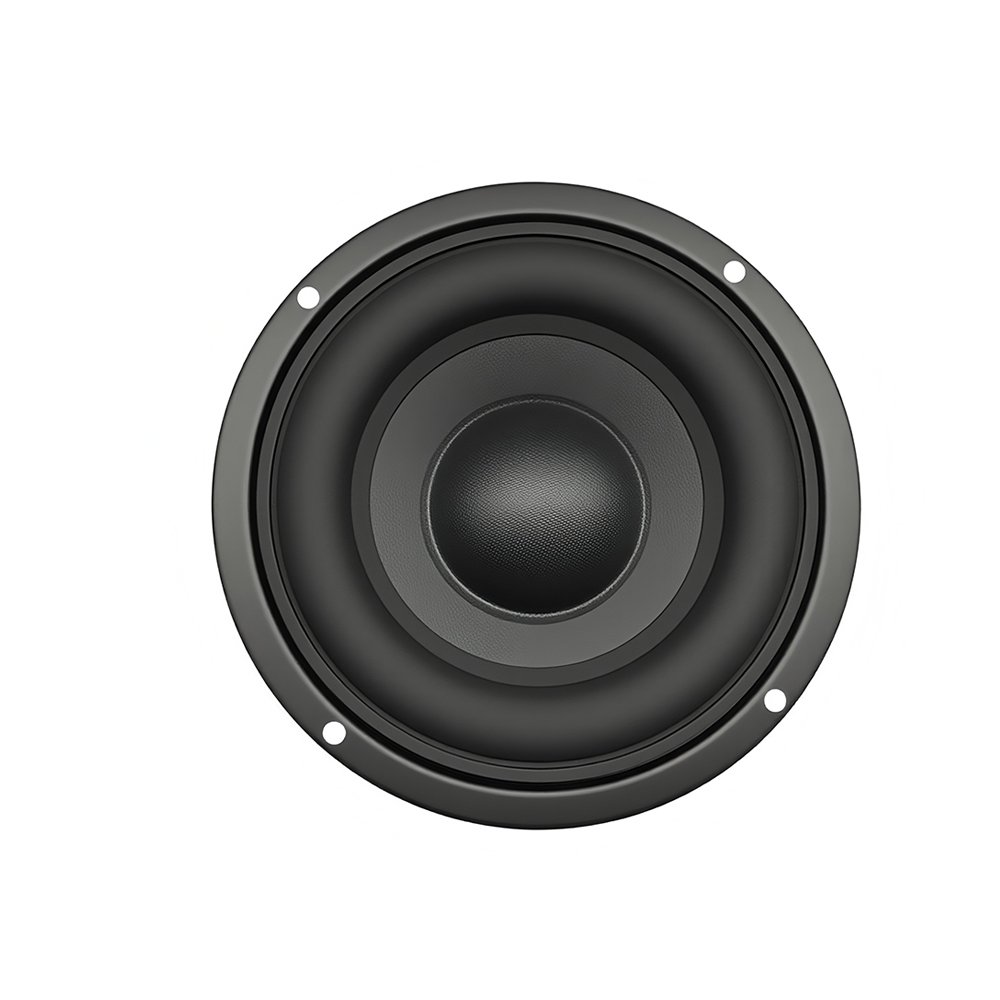
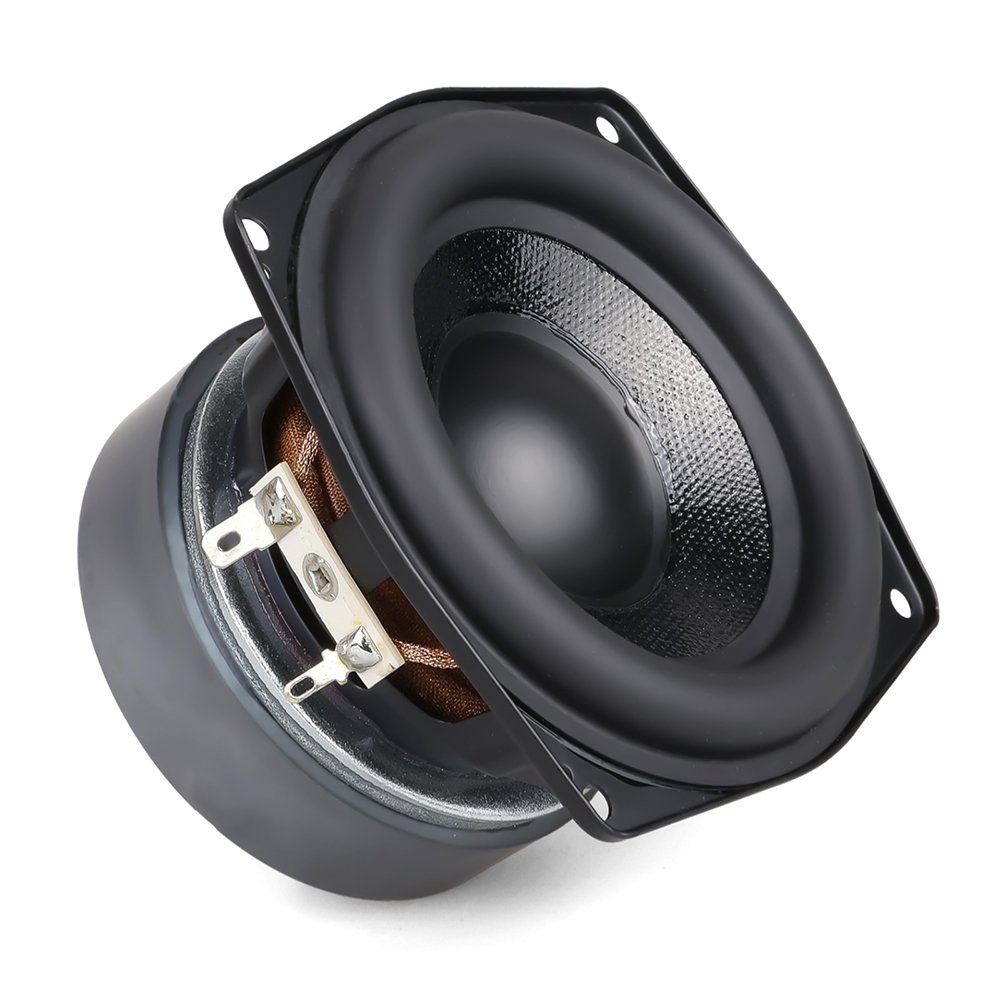
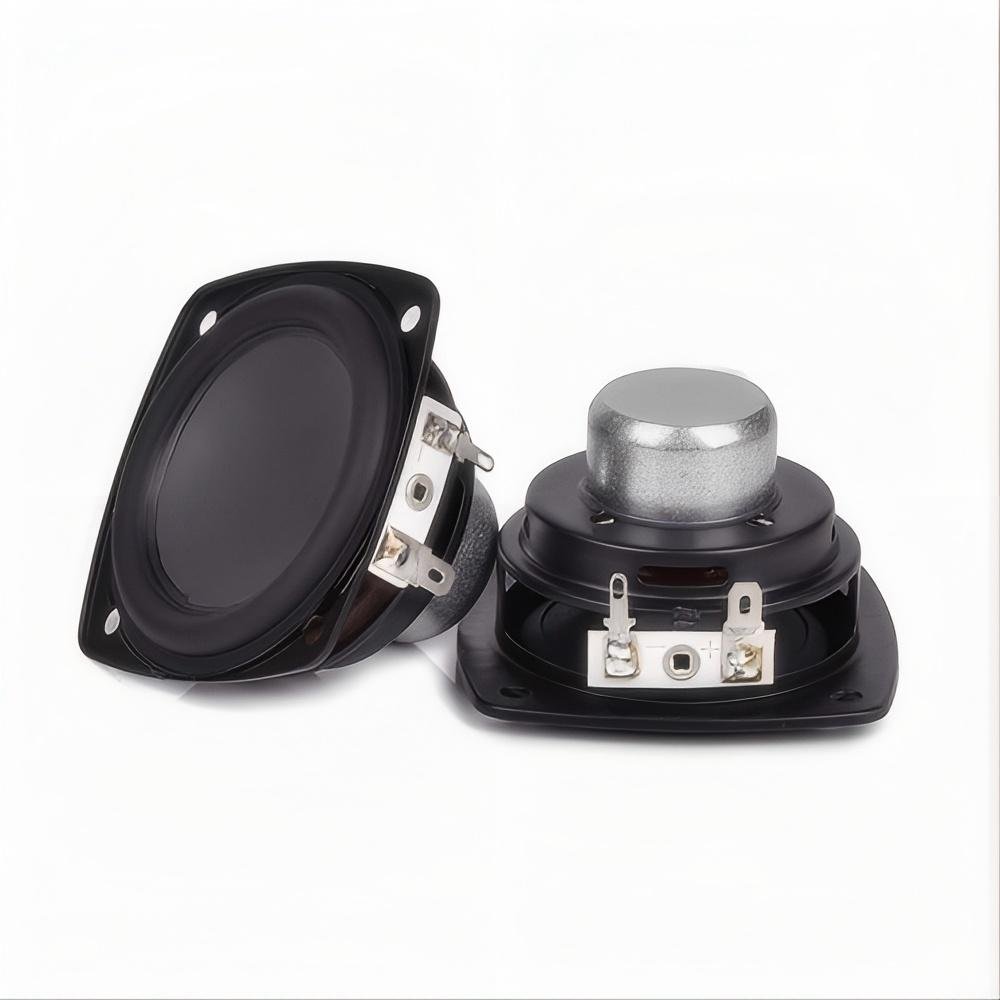
- Driver Production: Look at the assembly of cones (paper, polypropylene, aluminum), surrounds, voice coils, and magnets. The precision in voice coil winding and magnet assembly directly impacts power handling and distortion.
- Cabinetry & Finishing: Assess the woodworking, MDF/Composite material handling, and finishing (veneer, paint, laminate) workshops. Consistency in cabinet construction is vital for acoustic integrity.
- Assembly & Testing: Witness the final assembly, wiring, and most importantly, the Quality Assurance (QA) testing process. Are there dedicated anechoic or test chambers? What parameters are tested (frequency response, THD, impedance)?
- Scale & Flexibility: You can gauge if the factory is suited to your order volume. A giant facility might be inefficient for a small, nuanced order, while a small workshop may lack the automation for a 10,000-unit run. You can see their raw material inventory and supply chain logistics on the ground.
Table: Key Production Capabilities to Evaluate On-Site
| Capability Area | What to Look For | Why It Matters for OEM Orders |
| :— | :— | :— |
| Driver Manufacturing | Precision of voice coil winding machines; magnet assembly automation; consistency in diaphragm production. | Determines the core acoustic performance, reliability, and unit-to-unit consistency of the speaker. |
| Cabinetry Workshop | Dust control and humidity management; CNC machining precision; quality of veneer/paint application. | Affects aesthetic quality, durability, and the cabinet’s role as a non-resonant platform for the drivers. |
| Quality Assurance Labs | Presence of anechoic chambers, Klippel analyzers, or laser interferometers; rigor of final audio testing. | Directly correlates to product performance validation and defect rate prevention. |
| Supply Chain On-Site | Organization of component inventory (e.g., capacitors, crossovers, connectors); handling of raw materials. | Indicates production stability, ability to handle material cost fluctuations, and risk of component shortages. |
2. Verifying Quality Control Systems in Action
Quality control in speaker manufacturing is a holistic process, not a final inspection checkpoint. A visit allows you to audit the embedded QC culture.
- Process vs. Product Inspection: The best manufacturers build quality into every step (process inspection). Observe if workers at each station check their own work before passing it on. Are there clear work instructions and gauges at each point?
- Testing Protocols: Don’t just be told about testing—see it. Are speakers subjected to burn-in tests at high power? Is frequency response testing statistical (checking every unit) or batch-based? For 2024, leading factories are integrating AI-driven audio analysis to detect subtle defects automatically.
- Material Incoming QC: Check if there’s a dedicated area for inspecting incoming components like magnets, wire, and crossover parts. This upstream control prevents defects from entering the production line.
3. Building Trust and Enabling Direct Collaboration
OEM relationships are long-term marriages. A factory visit is the foundational “first date” that builds the essential ingredient: trust.
- Face-to-Face Engineering Dialogues: Complex design challenges—like optimizing a ported enclosure for a specific driver or tuning a crossover for a target sound signature—are best solved in person with engineers. Whiteboard sessions and prototype listening tests in the factory’s lab are invaluable.
- Understanding Corporate Culture: The factory’s cleanliness, worker morale, safety standards, and environmental practices speak volumes about its management and long-term viability. A committed, stable workforce often translates to higher consistency and lower turnover-related quality issues.
- Transparency & Problem-Solving: Being on-site fosters transparency. You can openly discuss pain points, cost drivers, and potential improvements. This collaborative problem-solving lays the groundwork for innovation and continuous improvement tailored to your brand.
4. Evaluating Innovation and Customization Capacity
Beyond executing a given design, a strong OEM partner can be a source of innovation. A visit reveals their R&D muscle.
- Prototyping Facilities: Do they have a dedicated R&D lab for prototyping new materials, driver designs, or acoustic simulations? Can they quickly produce functional prototypes for your evaluation?
- Material Expertise: Discuss and see samples of alternative materials for cones (e.g., carbon fiber, bamboo composites), new damping technologies, or innovative waveguide designs for controlled dispersion.
- Customization Agility: Assess their flexibility for your specific needs—unique finishes, custom connector panels, branded packaging, or specialized performance tuning. Can their lines handle these variations efficiently?
5. Ensuring Ethical and Sustainable Compliance
Modern brands are accountable for their supply chain. A visit is the only sure way to verify ethical and environmental standards.
- Social Compliance: Observe working conditions, safety equipment, and facility cleanliness. You can request audit reports (like SMETA, BSCI), but seeing is believing.
- Environmental Management: Inquire about waste management (sawdust, solvents), recycling programs, and compliance with regulations like REACH and RoHS. The use of sustainable materials (FSC-certified wood, recyclable plastics) is a growing differentiator.
- Data from the Ground: As of 2024, a significant shift is underway. According to industry analysis, over 60% of major audio brands now mandate direct factory audits for environmental, social, and governance (ESG) compliance as part of their OEM agreements, up from roughly 35% just five years ago. This is driven by both consumer demand and regulatory pressures in the EU and North America.
6. Mitigating Supply Chain and Logistics Risks
The post-pandemic world has highlighted supply chain fragility. A visit helps you map and de-risk the physical and logistical pipeline.
- Supplier Proximity: Are key component suppliers (for magnets, ICs for built-in amps, specialized polymers) geographically close, or does the factory rely on long, fragile international logistics?
- In-House vs. Outsourced: Determine what is truly manufactured in-house versus sub-assembled elsewhere. In-house control generally means better oversight and faster problem resolution.
- Logistics Infrastructure: Evaluate the factory’s shipping and warehousing setup. Their experience with your target markets can prevent costly customs or logistics delays.
전문가 Q&A
Q1: We have a tight budget. Is a factory visit still worth the cost before placing our first OEM order?
에이: Absolutely. Consider the visit an insurance investment. The cost of a poor OEM choice—through quality failures, delayed shipments, or miscommunication—dwarfs travel expenses. For first orders, it’s arguably more critical. It prevents you from locking into a multi-year relationship with a partner whose capabilities are misaligned with your needs, potentially saving hundreds of thousands in rectification costs and brand reputation damage.
Q2: What are the top 3 “red flags” to look for during a speaker factory tour?
에이:
- Inaccessible or Non-Functional Testing Facilities: If they hesitate to show you a working anechoic chamber or their testing seems rudimentary (e.g., only a “sound check” with music), consistent acoustic performance is at risk.
- Poor Material Handling: Raw MDF sheets stored in humid conditions, voice coils left in dusty open areas, or disorganized inventory indicate a lack of process control that will manifest in product variability.
- No Engineering Dialogue: If your technical questions are deflected by sales staff only, with no access to lead engineers, it suggests a “order taker” mentality, not a collaborative partner capable of solving complex design challenges.
Q3: How has the importance of factory visits evolved with advanced digital tools like VR tours and real-time production data feeds?
에이: Digital tools are excellent for ongoing monitoring and shortlisting, but not for final vetting and partnership building. A VR tour shows you what they want you to see; a walkthrough lets you look where you want. Data feeds are valuable, but they don’t let you smell the solvents (checking ventilation), feel the cabinet finish texture, or read the body language of a line manager. In 2024, the model is “Digital First, Physical Final.” Use remote tools to narrow the field, but the decisive partnership commitment must be made in person.
Q4: For an existing OEM relationship, how often should we schedule revisits?
에이: A good benchmark is an annual or bi-annual visit for stable partnerships, coupled with quarterly virtual reviews. Schedule a visit for any major event: before launching a new product line, after a significant quality issue, during a planned capacity expansion, or if you are considering increasing order volumes by more than 30-50%. Regular visits reinforce the partnership, keep you aligned on improvements, and ensure standards are maintained.