
Introduction: The Quest for Big Sound from Small Packages
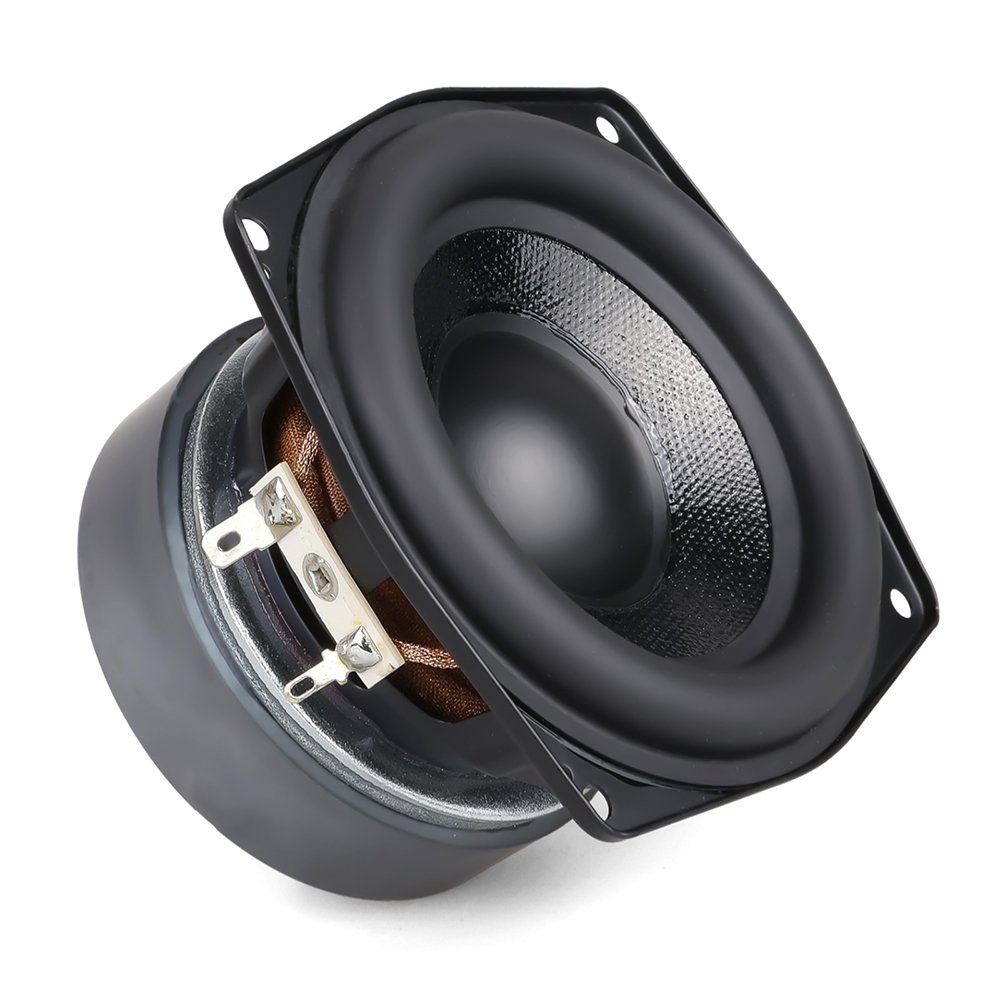
The demand for compact audio devices—from smartphones and wireless earbuds to portable Bluetooth speakers and slim home theater soundbars—has driven an audio engineering revolution. Consumers expect rich, powerful, and clear sound from ever-shrinking form factors. Achieving high volume and high fidelity from a small loudspeaker unit is a complex challenge that pits fundamental physics against innovative engineering. At its core, a loudspeaker is a transducer that converts electrical energy into acoustic energy (sound waves). The traditional path to higher volume and deeper bass involves larger drivers and enclosures. To defy this norm, engineers deploy a sophisticated array of technologies focused on maximizing efficiency, managing distortion, and leveraging psychoacoustics. This article explores the key technological pillars enabling small speaker units to produce surprisingly high volume and full-range sound.
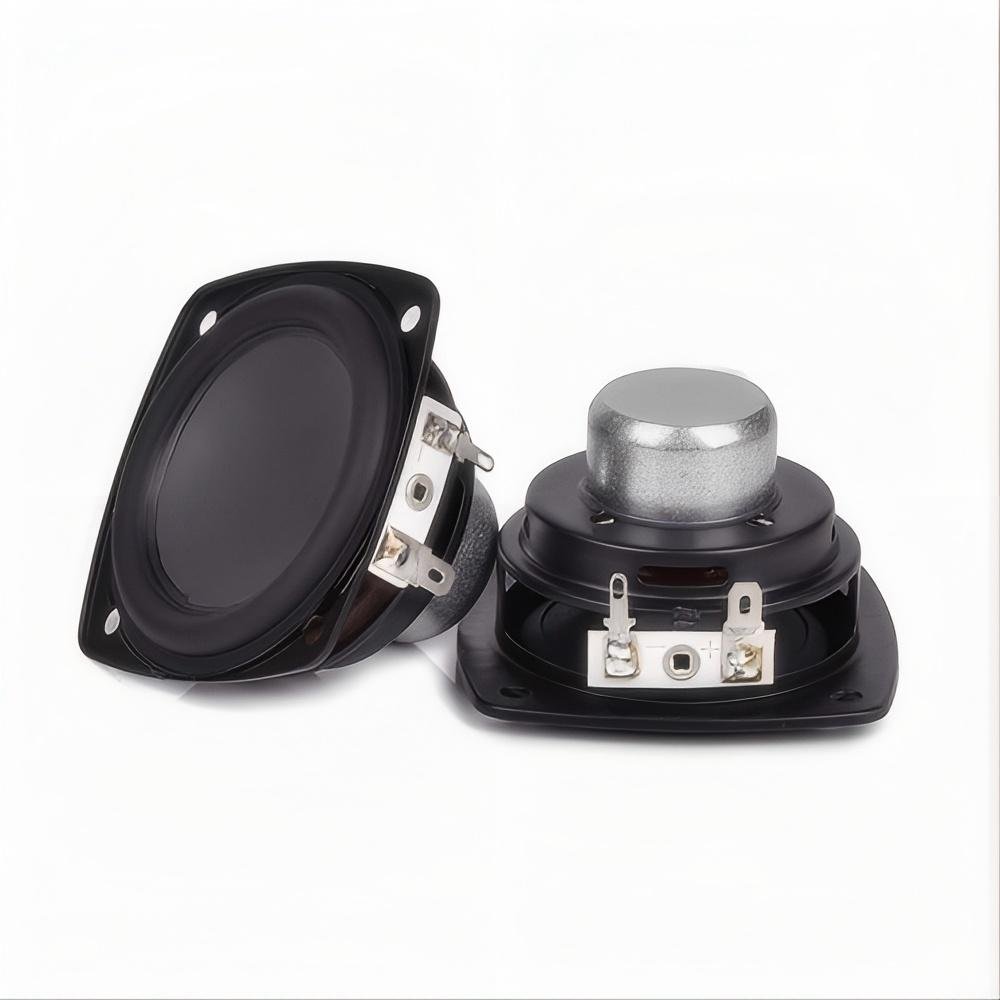
Core Transducer and Magnetic Circuit Innovations
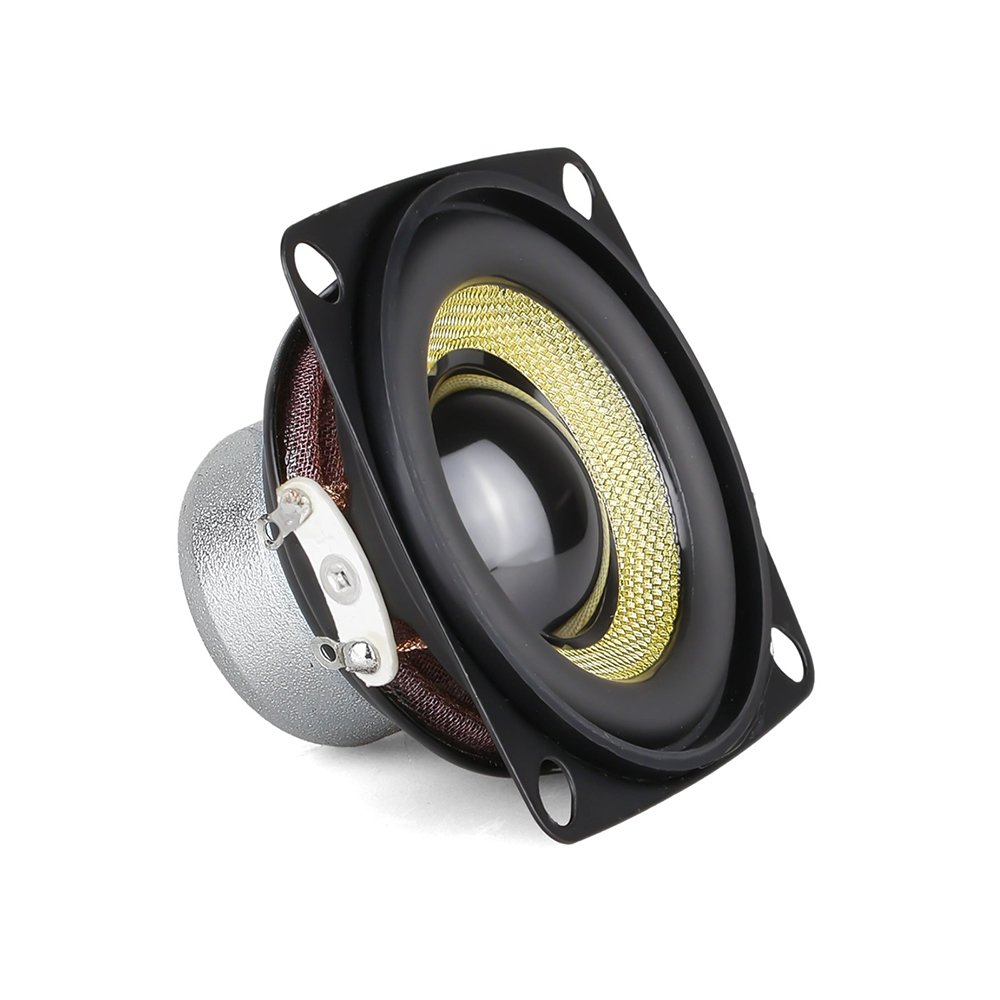
The heart of any loudspeaker is its driver, and the driver’s efficiency in converting electrical power to acoustic output is paramount. Key advancements here are foundational to high-volume performance in small units.
High-Efficiency Magnetic Systems: The motor structure, comprising the magnet, voice coil, and pole pieces, is critical. Modern small speakers use Neodymium (NdFeB) magnets, which offer the highest magnetic energy product of any commercially available material. Their exceptional strength allows for smaller, lighter magnets that generate a more powerful magnetic flux in the gap where the voice coil sits. This results in greater force (Force Factor, or Bl) on the voice coil for a given input current, directly improving sensitivity—a measure of how loud a speaker is with a given input power.
Voice Coil and Former Design: Advanced voice coils use lighter, stronger materials like aluminum-clad copper wire (CCAW) or pure aluminum to reduce moving mass. A lighter coil accelerates and decelerates faster, improving transient response and efficiency. The former (the coil’s cylindrical support) may be made from materials like Kapton 또는 Nomex, which are incredibly lightweight and can withstand high temperatures. Heat is the enemy of performance (causing “power compression” where output drops as the coil heats up), so designs often incorporate cooling features such as vented pole pieces and spider structures that allow air to flow over the voice coil.
Suspension Linearization: The spider (inner suspension) and surround (outer suspension) must allow for sufficient cone travel (excursion) while maintaining perfect linearity. Non-linear suspension is a primary source of distortion. Modern finite element analysis (FEA) allows engineers to model and design suspensions with progressive stiffness, enabling longer, cleaner travel within a tight space—a prerequisite for generating louder sound and lower frequencies from a small driver.
Advanced Diaphragm and Enclosure Materials Engineering
The diaphragm (or cone) is the radiating surface. Its material and shape determine how efficiently it moves air and how well it resists breakup modes (distortions at higher frequencies).
Composite and Synthetic Diaphragms: Gone are the days of simple paper cones for high-performance micro-drivers. Today’s materials include:
- Carbon Fiber Composites: Extremely stiff and lightweight, providing excellent pistonic motion and minimal breakup.
- Boron-Reinforced Materials: Even stiffer than carbon fiber, used in high-end micro-drivers for ultimate clarity and efficiency.
- Liquid Crystal Polymer (LCP) and Polyetherimide (PEI) Films: Used in ultra-thin diaphragms for smartphones and wearables, offering a good balance of stiffness, damping, and manufacturability.
- Ceramic-Coated or Anodized Aluminum: Provides high stiffness-to-weight ratios, though careful damping is required.
Enclosure and Acoustic Coupling Design: The enclosure is not merely a box; it’s an integral part of the acoustic system. For small speakers, passive radiators have become ubiquitous. Unlike a ported (bass reflex) design, a 수동형 라디에이터 (a drone cone without a voice coil) allows for tuned, low-frequency resonance in a completely sealed space, enhancing perceived bass output without requiring large air volumes or ports that can cause chuffing noise. Furthermore, acoustic labyrinths 또는 pressure guides are increasingly used inside devices to channel sound efficiently from the tiny driver to the outside world, minimizing losses and sometimes even amplifying certain frequencies through resonant principles.
Digital Signal Processing and Psychoacoustic Enhancement
This is perhaps the most significant technological differentiator in modern compact audio systems. Digital Signal Processing (DSP) is the brain that compensates for the physical limitations of the small speaker.
Active Equalization and Bass Enhancement: DSP algorithms apply precise, dynamic equalization to boost frequencies where the small driver is naturally weak (typically the low bass) while carefully cutting others to prevent over-excursion and distortion. Techniques like Dynamic Bass Boost 또는 Harmonic Bass Enhancement analyze the signal in real-time and add synthesized harmonics of the fundamental bass notes. Since the human ear uses these harmonics to infer the fundamental frequency, this creates the percept of deeper, more powerful bass that the physical speaker cannot reproduce directly.
Limiting and Thermal Protection: To prevent damage and manage distortion at high volumes, sophisticated multiband limiters 그리고 compressors are used. These act as a dynamic “governor,” clamping down on only the frequencies that would cause the driver to exceed its linear excursion limits or the amplifier to clip. Thermal models of the voice coil run in the DSP, predicting temperature rise and subtly reducing gain to prevent power compression before it audibly occurs.
Stereo Widening and Ambience Processing: To overcome the narrow “sweet spot” of small, closely-spaced speakers, DSP creates virtualized surround sound or a wider stereo image using Head-Related Transfer Function (HRTF) algorithms. This makes the soundstage feel much larger than the physical device, enhancing the listener’s experience of volume and immersion.
Real-Time Adaptive Algorithms: Premium systems from brands like Apple, Sony, and Bose now feature microphones that listen to the speaker’s output in real time. This feedback is processed by the DSP to adaptively correct for anomalies caused by the speaker’s placement (e.g., on a table, in a corner, or in free space), ensuring consistent, optimized output regardless of environment.
| Technology Category | Specific Technology | Primary Function | Real-World Application Example |
|---|---|---|---|
| Magnetic & Motor | Neodymium Magnet Circuit | Maximizes magnetic force for higher sensitivity and efficiency. | JBL Flip 6 portable speaker drivers. |
| Diaphragm | Carbon Fiber Composite Cone | Provides high stiffness/low mass for accurate pistonic motion. | KEF Uni-Q driver in compact meta-materials. |
| Enclosure | Passive Radiator | Enhances low-frequency output without a port or large enclosure. | Almost all premium Bluetooth speakers (Ultimate Ears Boom, etc.). |
| Signal Processing | Dynamic Harmonic Bass Enhancement | Synthesizes bass harmonics to perceptually extend low-frequency response. | Apple HomePod mini’s computational audio. |
| System Control | Real-Time Adaptive EQ with Microphone Feedback | Corrects for room modes and placement in real-time. | Sonos Era 300 spatial audio speaker. |
| 확대 | High-Efficiency Class-D with Integrated DSP | Delivers clean, high power while managing thermal and excursion limits. | Texas Instruments TAS series smart amp ICs in smartphones. |
Integrated Amplification and System-Level Power Management
The amplifier is the engine. Modern Class-D amplifiers have revolutionized small speakers with efficiency ratings over 90%, compared to 50-70% for older Class-AB designs. This means minimal power is wasted as heat, allowing for more acoustic output from battery-powered or thermally-constrained devices.
“Smart” Amplifier ICs: Today’s leading amplifier chips (from companies like Texas Instruments, Qualcomm, and Maxim Integrated) are far more than simple power stages. They are system-on-chip (SoC) solutions with integrated DSP, sophisticated limiter algorithms, and real-time diagnostic capabilities. They can interface directly with the speaker driver’s impedance and back-EMF, allowing for precise control and protection that was impossible with discrete components.
Power Supply and Battery Management: For portable devices, achieving high peak volumes requires managing peak-to-average power ratio. Advanced power management systems use large capacitors and high-discharge-rate lithium-ion batteries to deliver the necessary current bursts for transient peaks without causing a system-wide voltage sag that would trigger shutdowns or distortion.
Conclusion: The Symphony of Technologies
Achieving high volume from small loudspeaker units is no longer about a single breakthrough. It is the result of a tightly integrated symphony of advancements in materials science (magnets, diaphragms), mechanical design (motor structures, suspensions), acoustic engineering (enclosures, radiators), and, most critically, digital software (DSP, adaptive algorithms). This multidisciplinary approach allows engineers to cheat physics—not by breaking its laws, but by working around them with intelligence and precision. As computational audio, machine learning, and new materials like graphene mature, we can expect the performance gap between small speakers and their larger counterparts to continue narrowing, bringing high-fidelity, high-volume sound to even the most miniature of devices.
전문가 Q&A
Q1: From a thermal management perspective, what is the most common limiting factor for sustained high volume in a sealed micro-speaker, and how is it addressed?
에이: The primary limiting factor is voice coil thermal compression. As the coil heats up during operation, its electrical resistance increases. This reduces the current flow for a given voltage (from Ohm’s Law: I=V/R), thereby reducing the generated magnetic force and acoustic output. Power can be steadily supplied, but SPL drops. This is addressed through: 1) Physical cooling: Using materials with high thermal conductivity for the former and pole structure, and designing for air flow (e.g., vented poles). 2) Electrical/ DSP management: Using “smart” amplifier ICs with integrated thermal models. The DSP proactively reduces gain in anticipation of temperature rise based on real-time power usage models, maintaining a more consistent output and preventing damage.
Q2: How does the use of a passive radiator differ acoustically from a traditional port in a bass-reflex design for small enclosures?
에이: Both are forms of Helmholtz resonators that use a resonant system to amplify bass output near the tuning frequency. However, a port (or vent) moves a column of air, which at high excursions or in small diameters can lead to 칙칙거리는 소리 (turbulent air noise) and pipe resonances. A 수동형 라디에이터 is a mass-spring system (the radiator’s mass and the enclosure’s air spring) that behaves like a tuned driver without a motor. Its key advantages for small units are: it requires no internal volume for the port tube, eliminates chuffing, and allows for lower tuning frequencies in a given volume because the effective moving mass can be made very high. It offers more design flexibility and cleaner output in space-constrained applications.
Q3: With the rise of DSP and synthetic bass enhancement, is there still a meaningful benchmark for “true” low-frequency extension in a micro-speaker specification sheet?
에이: This is a critical question for spec comparison. Traditional -3dB or -6dB points in the frequency response curve still matter, as they indicate the driver’s fundamental physical capability. However, they no longer tell the full story. A more informative benchmark is the **total harmonic distortion (THD) at a given SPL and frequency. For example, a spec might read: “Bass extension down to 55Hz at 80dB SPL with <3% THD." This tells you what the speaker can produce 깨끗하게 without heavy DSP intervention. Psychoacoustic enhancements work best when supplementing a driver that already has competent physical low-end performance. Therefore, looking at distortion-limited maximum SPL graphs** across the frequency spectrum provides the most honest picture of a small speaker’s high-volume capabilities.