
Picture this: you’re hosting a summer barbecue. Laughter fills the air, the grill sizzles, and a seamless, crystal-clear soundtrack—from laid-back jazz to upbeat pop—flows effortlessly from your patio to your poolside and into your living room, without a single wire in sight. This isn’t just background music; it’s the ambiance itself, and the silent heroes enabling this experience are top box speakers.
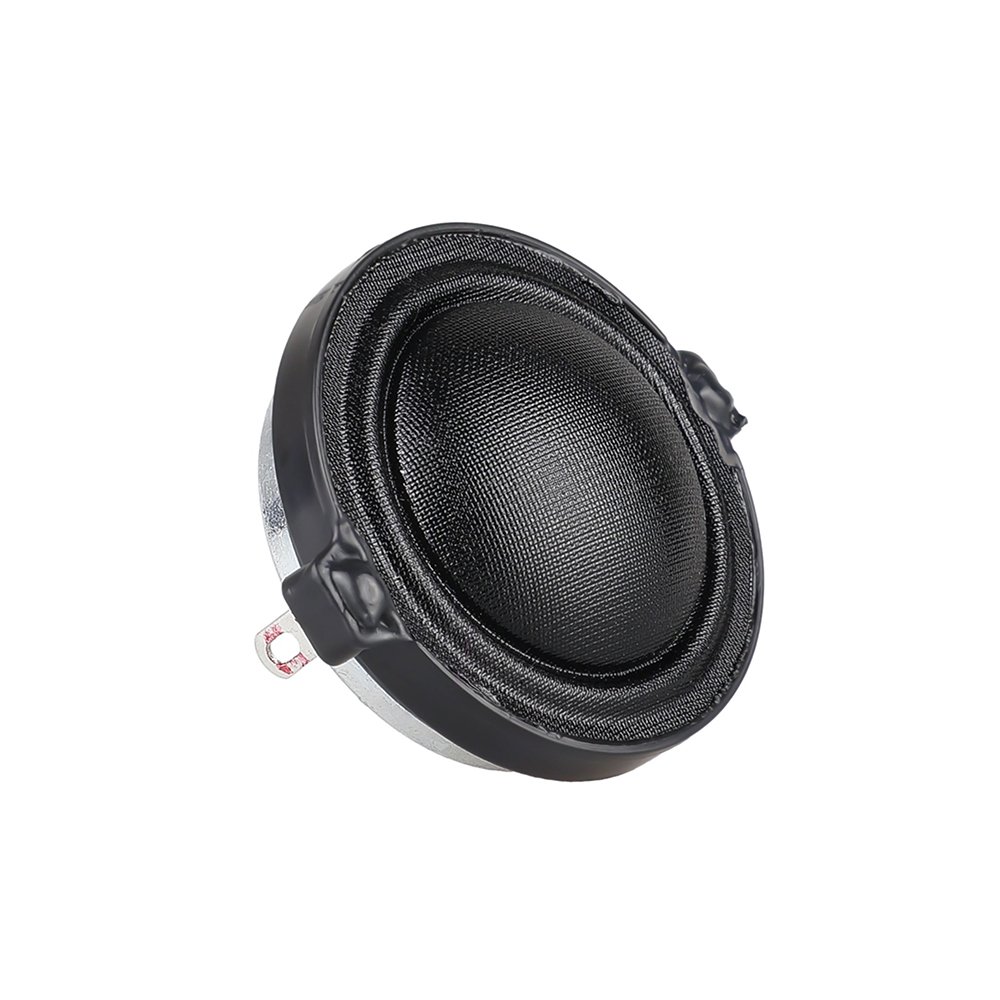
Unlike their in-wall or in-ceiling cousins, top box speakers (also known as surface-mount, enclosure, or weather-resistant speakers) offer unparalleled flexibility and performance for creating a cohesive audio environment that bridges indoor and outdoor spaces. Whether you’re an audiophile crafting a whole-home system or a homeowner seeking reliable, great-sounding music for entertaining, choosing the right speakers is paramount. This comprehensive guide delves into the critical features, top models, and expert insights you need to build an impeccable background music system in 2024.
Why Top Box Speakers Reign Supreme for Integrated Audio
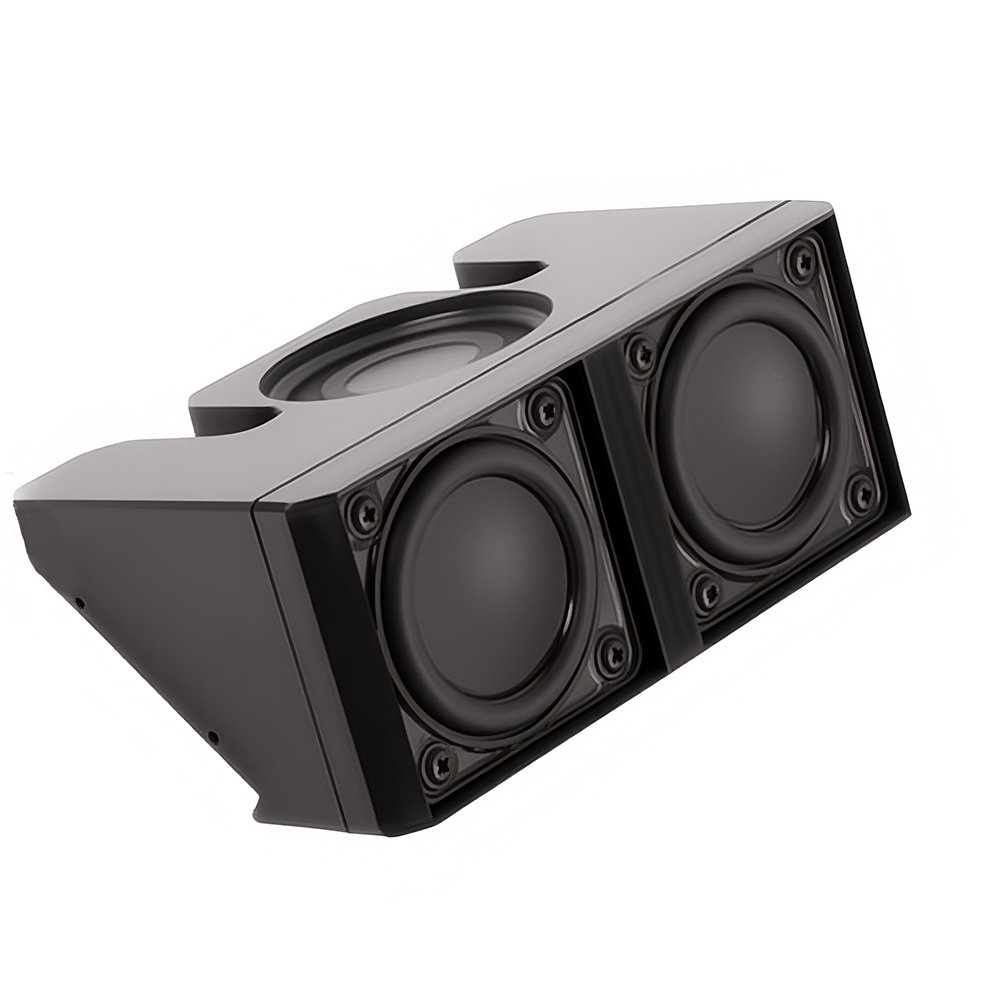
Top box speakers are self-contained units designed to be mounted on walls, ceilings, eaves, or poles. Their primary advantage lies in their versatility. For outdoor use, they are engineered with rugged materials and coatings to resist rain, UV radiation, salt, and extreme temperatures (often rated IP55, IP66, or IP67). Indoors, they provide a non-invasive audio solution where cutting into walls is impractical or forbidden, such as in rented spaces or homes with concrete construction.
The modern trend in whole-home audio leans heavily on distributed systems powered by multi-zone amplifiers or networked audio players (like Sonos Amp, HEOS, or Bluesound). Top box speakers are the ideal endpoint for these systems. They offer easier installation and future upgrades compared to built-in options. More importantly, for consistent background music, their design prioritizes wide dispersion and durability over the pinpoint sound staging of hi-fi bookshelf speakers. This means smooth, even coverage across a larger area, eliminating “hot spots” and “dead zones” of sound.
Key Market Insight: The demand for outdoor living and entertainment spaces has surged post-2020. According to a recent market analysis, the outdoor audio equipment segment is projected to grow at a CAGR of over 8% from 2023 to 2030, with weather-resistant and wireless-capable speakers driving a significant portion of this growth. Homeowners are investing not just in sound, but in creating an experience.
Critical Technical Specifications: What to Look For
Navigating spec sheets can be daunting. Here’s a breakdown of the non-negotiable features for top-tier indoor/outdoor box speakers.
- Weatherproofing & Build Quality: Look for an IP (Ingress Protection) rating. For fully exposed outdoor installations, IP66 or higher is recommended (dust-tight and protected against powerful water jets). The housing should be of UV-resistant polypropylene or aluminum to prevent fading and cracking. Stainless steel or powder-coated aluminum grates are essential for rust prevention in coastal areas.
- Power Handling & Sensitivity: This dictates how loud and clear your speakers will sound. Power handling (RMS) should be matched to your amplifier’s output per channel. 감광도 is crucial; a rating of 90 dB or higher means the speaker converts amplifier power to sound more efficiently, producing more volume with less power—a key factor for energy-efficient systems and cleaner sound at lower volumes.
- Driver Composition & Design: A two-way design (woofer + tweeter) is standard for full-range sound. For bass response in open spaces, look for larger woofers (6.5″ or 8″). Tweeters with swivel or pivoting mounts allow you to direct high frequencies for optimal sound staging. Advanced materials like polypropylene cones and soft-dome tweeters offer resilience and smooth sound.
- Connectivity & Compatibility: While most box speakers use standard passive wire connections, ensure they have high-quality, corrosion-resistant binding posts. For integration with modern systems, verify compatibility with popular streaming platforms (via your amplifier) and consider models with built-in Bluetooth for convenient direct streaming, though a dedicated network-based system will offer superior range and stability.
Comparative Analysis of Speaker Specifications (2024 Market Leaders)
| Model/Brand | Driver Size | Power Handling (RMS) | 감광도 | IP Rating | Key Feature for Background Music |
|---|---|---|---|---|---|
| Sonos Architectural by Sonance | 6.5″ Woofer, 1″ Tweeter | 80W | 89 dB | IP66 (Outdoor) | Trueplay Tuning, optimized for Sonos Amp integration. |
| B&W AM-1 | 4″ Woofer, 1″ Tweeter | 50W | 84 dB | IP55 | Legendary B&W sound quality in a compact, design-forward enclosure. |
| Polk Audio Atrium 8 | 8″ Woofer, 1″ Tweeter | 100W | 89 dB | IP66 | Dynamic Balance technology for wide dispersion; high power output. |
| Monitor Audio Climate 80G4 | 8″ Woofer, C-CAM Dome Tweeter | 120W | 90 dB | IP66 | Rigid ceramic-coated aluminum drivers for exceptional clarity. |
| JBL Control 25-1 | 5.25″ Woofer, 0.75″ Tweeter | 75W | 91 dB | IP56 | Professional-grade, industry standard for durability and sound projection. |
Top Contenders: Recommended Box Speakers for 2024
Based on performance, durability, and market reception, here are standout models across different tiers.
Premium Performance: The Integrator’s Choice
For those seeking audiophile-grade sound with seamless smart home integration, the Sonance MAG Series with a Sonos Amp is a benchmark. The speakers are paintable, feature marine-grade components, and their performance is software-tuned via Sonos’s Trueplay. The system becomes a robust, app-controlled ecosystem perfect for whole-home audio. Similarly, Monitor Audio’s Climate G4 Series offers breathtaking detail and bass response, housed in a gorgeous, rigid aluminum enclosure built to last decades.
Best Value: The Balanced Workhorse
그만큼 Polk Audio Atrium Series (especially the Atrium 8) consistently wins awards for delivering exceptional performance per dollar. Its 8-inch driver provides surprising bass for outdoor settings, and its speed-lock mounting system simplifies installation. For a more compact solution, the Yamaha NS-AW592 offers remarkable clarity and weather resistance at an entry-level price, making it ideal for garages, covered patios, or multi-speaker setups on a budget.
Professional/Commercial Grade: Unmatched Durability
In environments demanding maximum ruggedness—like restaurants, public pools, or coastal homes—the JBL Control Series 그리고 Bose Free Space 51 speakers are legends. The JBL Control 25-1, with its high sensitivity and composite construction, can project clear audio over significant distances and background noise. Their utilitarian design is built purely for reliable, long-term performance.
Installation & Acoustic Optimization Tips
Placement is as important as the speaker itself. For general background music coverage, follow the “rule of thirds.” Position speakers at roughly one-third the length of the space, aiming them across the area, not straight down. Mount them at a height of 8-10 feet to optimize dispersion and minimize obstruction.
Wiring is critical. For runs over 50 feet, use 14-gauge or thicker oxygen-free copper wire to prevent power loss. Always use direct-burial rated cable for underground runs to the backyard or garden. When connecting to an amplifier, ensure impedance matching—connecting multiple 8-ohm speakers in parallel can dangerously lower the total impedance, potentially damaging your amp.
For the best acoustic result, aim tweeters toward the primary listening area (e.g., the seating zone). Avoid pointing speakers directly at hard, reflective surfaces like glass or stucco to minimize harsh reflections. In an integrated indoor/outdoor system, use your amplifier’s zone controls or a DSP (Digital Signal Processor) to slightly lower the bass output for outdoor speakers, as open spaces lack the natural bass reinforcement of a room.
Professional Q&A: Your Background Music System Questions Answered
Q1: How critical is the IP rating for a covered porch or patio?
에이: Extremely critical. A covered area is not fully protected. It is still exposed to humidity, blowing rain, temperature swings, and dust. A minimum of IP55 is recommended for covered outdoor spaces. For true peace of mind, especially in areas with high humidity or salt air, opting for an IP66 rated speaker is a wise investment in longevity.
Q2: Can I mix and match different brands of speakers and amplifiers?
에이: Technically, yes, as long as you respect impedance and power handling specifications. However, for a unified background music system, it is strongly advised to stay within the same brand’s ecosystem or use a calibrated partner system (like Sonos Amp with Sonance). This ensures consistent timbre (sound character) across all zones. Different speakers have different “voicings,” and a shift in sound as you move from kitchen to patio can be jarring.
Q3: What’s the single biggest mistake people make when installing outdoor speakers?
에이: Undersizing the amplifier. Outdoor speakers need more power to achieve the same perceived volume as indoors due to the lack of boundary reinforcement. Using an underpowered amp and driving it to distortion (“clipping”) is the leading cause of speaker failure. Choose an amplifier that delivers at least 1.5 times the speaker’s RMS power handling per channel for clean, dynamic headroom.
Q4: Wireless vs. Wired for a permanent installation: Which is better?
에이: For a permanent, reliable, high-quality background music system, wired speakers connected to a central amplifier are superior. Wi-Fi or Bluetooth-only speakers introduce potential latency, compression, signal dropouts, and the hassle of battery management. The best practice is to use wired speakers for core infrastructure and supplement with portable wireless speakers for truly flexible spots. Modern systems use the wire only for power and signal, while control is handled wirelessly through a robust app.
Q5: How many speakers do I need for my backyard?
에이: The goal is even, non-directional coverage. As a rule of thumb, start with a pair of speakers for areas under 200 square feet. For larger or irregularly shaped spaces, plan for additional pairs, spacing them 10-16 feet apart and aiming to create overlapping zones of coverage. It’s often more effective to use multiple lower-volume speaker pairs than to blast sound from a single, overpowered location.