
Introduction: The Sound Reinforcement Breakthrough
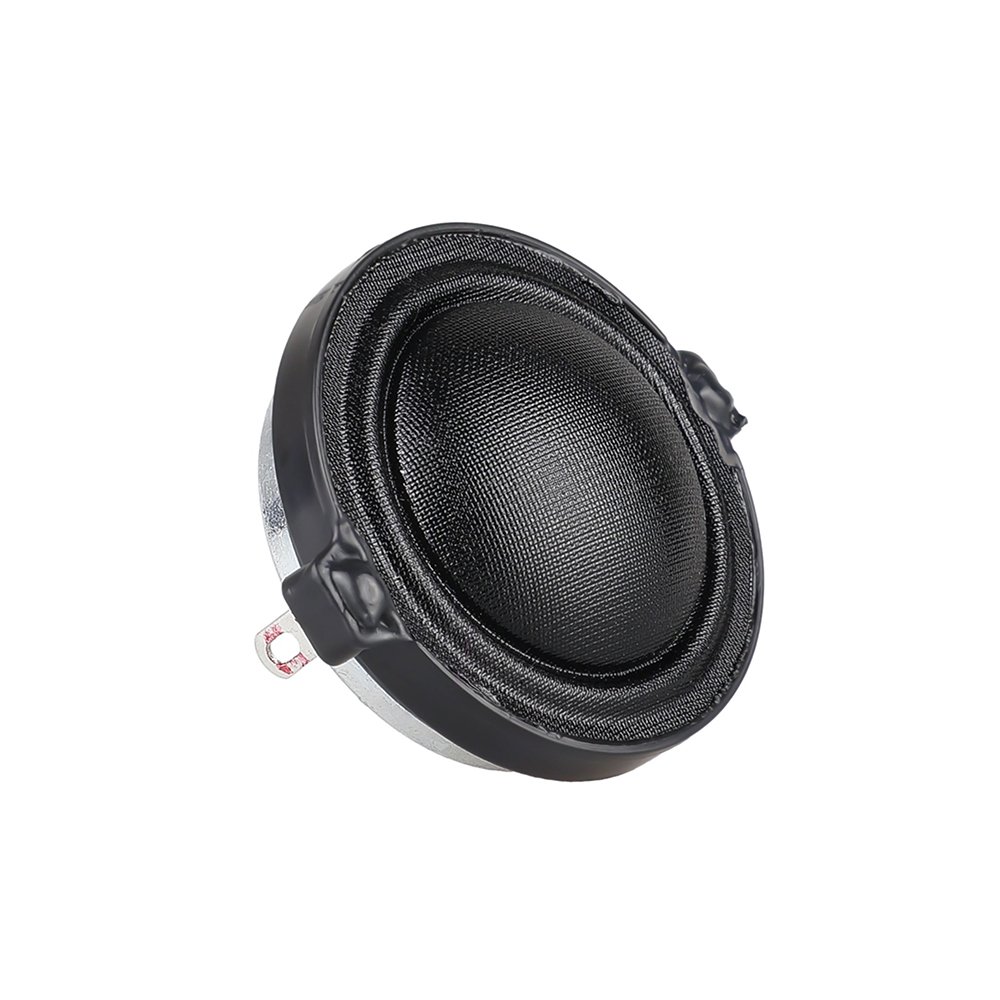
Portable Public Address (PA) systems have undergone a quiet revolution over the past decade, fundamentally transforming from bulky, weight-compromised setups to remarkably powerful and compact audio solutions. At the heart of this transformation lies an advanced material science innovation: neodymium magnet technology, particularly as applied to compression driver horns. These compact, powerful magnets have dismantled the traditional trade-off between power output, sound quality, and portability that long constrained sound engineers, mobile performers, educators, and event planners. This article explores the multifaceted revolution neodymium horns have ignited in portable PA design, examining the underlying technology, its practical impacts, and the new possibilities it unlocks for audio professionals and enthusiasts worldwide.
The Neodymium Advantage: Material Science Meets Acoustics
To understand the revolution, one must first grasp what neodymium is and why it’s superior for acoustic transducers. Neodymium (NdFeB) is a rare-earth magnet material that possesses the highest magnetic field strength of any commercially available permanent magnet. This strength is quantified as its maximum energy product (BHmax), which for neodymium alloys can be over 10 times greater than traditional ferrite (ceramic) magnets used in older PA drivers.
This immense magnetic strength in a small package is the key. In a compression driver—the component that drives sound through a horn—a voice coil sits within a magnetic gap. The stronger and more focused the magnetic field in this gap, the more efficiently electrical signal is converted into precise diaphragm movement, and thus, sound. Neodymium allows designers to create an extremely powerful magnetic circuit that is a fraction of the size and weight of a ferrite equivalent.
Technical Impact Table: Neodymium vs. Traditional Ferrite Magnets
| 매개변수 | Neodymium (NdFeB) Magnet | Traditional Ferrite Magnet | Impact on Portable PA Design |
| :— | :— | :— | :— |
| Magnetic Strength (BHmax) | 35-52 MGOe | 3-5 MGOe | Enables vastly higher sensitivity and power in a tiny package. |
| Weight for Equivalent Flux | ~1 kg | ~5-10 kg | Direct weight reduction of 70-90% for the motor structure. |
| Size for Equivalent Output | Can be 1/5th the volume | Large and bulky | Allows for radically smaller horn driver assemblies. |
| 내식성 | Poor (requires plating) | Excellent | Adds minor manufacturing step but no performance penalty. |
| 온도 안정성 | Moderate (curie point ~310°C) | High (curie point ~450°C) | Requires thoughtful thermal management in high-power designs. |
| Cost (Raw Material) | High, volatile | Very Low, stable | Increases unit cost, but value per performance/kg is superior. |
This table underscores the core trade-off designers now enjoy: unprecedented magnetic energy in a miniature form factor. The result is a compression driver that can be both incredibly sensitive (producing more sound from less amplifier power) and capable of handling high power, all while being small and light.
Redefining Portability: Weight, Size, and System Integration
The most immediately obvious revolution is in the physical domain. Pre-neodymium portable PA systems were often “portable” in name only, requiring multiple trips to the vehicle or wheeled carts. A single 15″ or 12″ ferrite-magnet woofer could weigh 15-25 lbs, and a large-format compression driver/horn assembly added another 10-15 lbs. A typical two-way passive speaker could easily surpass 50 lbs.
Neodymium technology slashes these numbers. A neodymium-equipped compression driver and horn for a high-performance portable PA can weigh as little as 2-4 lbs, yet outperform its heavier predecessor. When applied to woofers as well, the cumulative weight saving is staggering. Modern portable column arrays or compact active speakers like the Bose L1 Pro, JBL EON ONE Compact, or LD Systems Maui series often weigh between 20-40 lbs for a complete, integrated system with astounding output.
This weight revolution enables new form factors:
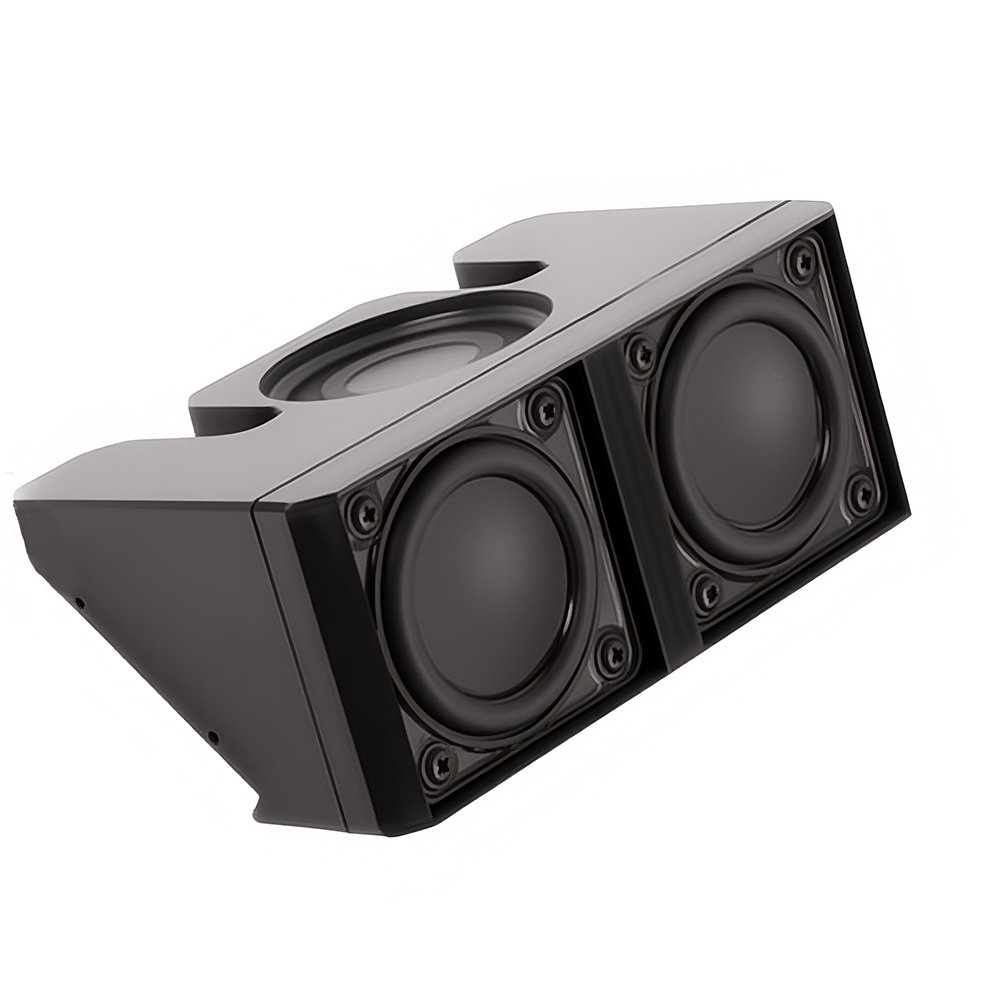
- Column/Pillar Arrays: Multiple small neodymium drivers can be stacked vertically in a thin column, providing wide horizontal and controlled vertical dispersion. The entire column is light enough to be carried in one hand.
- Ultra-Compact Active Boxes: Powered speakers like the QSC K.2 또는 Yamaha DBR series pack enormous output into boxes a single person can easily lift and mount on a stand with one hand.
- All-in-One Systems: Complete systems with mixer, amplifier, and speakers in a single portable unit have become feasible and high-performance, epitomized by products like the EVOLVE 50M 또는 RCF J8.
The logistical and ergonomic benefits are immense, reducing setup fatigue, minimizing stage footprint, and expanding the venues where high-quality sound can be easily deployed.
Performance Unleashed: Clarity, Sensitivity, and Power Handling
Beyond mere portability, neodymium horns have elevated sound quality. The intense magnetic field improves several key performance parameters:
Higher Sensitivity and Efficiency: Measured in decibels (dB) per watt at one meter, sensitivity is crucial. A driver with 3 dB higher sensitivity produces the same sound pressure level (SPL) with half the amplifier power. Neodymium drivers routinely offer sensitivities of 108-112 dB, compared to 100-105 dB for many ferrite designs. This means louder, cleaner sound from smaller, more efficient Class-D amplifiers, extending battery life in portable systems.
Improved Transient Response and Clarity: The strong magnetic field offers better control over the voice coil, allowing it to start and stop moving more precisely. This results in tighter transient response—the “snap” of a snare drum or the precise attack of a piano note is rendered with greater clarity and definition, reducing muddiness at high volumes.
Reduced Distortion: A powerful, linear magnetic field in the gap minimizes harmonic and intermodulation distortion, especially at high frequencies and during complex musical passages. This translates to a cleaner, more detailed sound, even when the system is pushed.
Extended High-Frequency Response: The efficiency allows designers to push the upper-frequency limit, often yielding smoother, more extended high ends without the need for excessive equalization or additional super-tweeters.
In essence, the sound is not just louder; it’s more articulate, less fatiguing, and more faithful to the source material across the entire listening area.
Thermal Management and Durability: Engineering the Hotspots
The revolution isn’t without its engineering challenges, primarily heat. Neodymium magnets have a lower Curie temperature than ferrite. Prolonged high-power use can cause voice coil temperatures to rise, potentially demagnetizing the neodymium if not managed. This has spurred parallel innovations in thermal design:
- Advanced Voice Coils: Use of aluminum voice coils (lighter, cooler running) and copper-clad aluminum wire (CCAW).
- Efficient Cooling Systems: Sophisticated rear chambers, phase plugs, and heatsink designs that pull heat away from the critical motor structure. Many high-end neodymium drivers feature ferrofluid cooling in the magnetic gap.
- Intelligent Amplification: Modern DSP-driven amplifiers in active speakers provide dynamic, real-time limiting that protects the driver from thermal overload without audible clipping.
These solutions have made neodymium drivers exceptionally reliable. When properly implemented, they are no less durable than traditional designs, and their lighter moving masses can actually improve longevity by reducing mechanical stress.
The Market and Future Trajectory
The impact is quantifiable in the market. According to industry analysis from Grand View Research (2023), the global portable PA system market, valued at over USD $5.5 billion, is experiencing steady growth driven by technological advancements and the rise of mobile content creation. Neodymium technology is a primary enabler of this growth. The premium segment of powered portable speakers, almost entirely reliant on neodymium, is the fastest-growing category.
Looking forward, the integration will deepen. We can expect:
- Further Miniaturization: As magnetic and thermal engineering advance, even smaller drivers will deliver today’s benchmark performance.
- Smarter Systems: DSP will become more deeply integrated with driver protection and optimization, tailoring performance in real-time to content and environment.
- Sustainable Focus: The environmental and supply-chain issues around rare-earth mining will drive R&D into next-generation magnet materials and highly efficient recycling for neodymium at product end-of-life.
Conclusion: A New Era of Sonic Portability
The adoption of neodymium magnet technology in compression horns represents a paradigm shift, not merely an incremental improvement. It has fundamentally redefined the equation of portable sound, dissolving the old compromise between output and portability. Today’s musicians, presenters, and audio engineers have access to systems that are lighter, smarter, and sonically superior to the heavy, cumbersome rigs of the past. This revolution, born in the physics lab, has empowered creativity on streets, in small venues, and at events worldwide, ensuring that high-fidelity sound is no longer anchored to the stage but is truly free to go anywhere inspiration leads.
Professional Q&A on Neodymium Horns in Portable PA Systems
Q1: Are neodymium-based PA speakers more fragile or prone to damage than older ferrite-based speakers?
에이: Not inherently. While raw neodymium magnets are brittle, in a speaker they are housed within a robust metal structure (the “motor”). The primary vulnerability is heat. Modern designs excel at thermal management. Mechanically, the lighter overall weight can reduce stress on cabinets and hardware. The perceived fragility is often a confusion with the raw material property versus a fully engineered product.
Q2: Does the higher cost of neodymium translate directly to a much more expensive PA system?
에이: Initially, yes, there is a cost premium. However, the total system cost analysis is favorable. The weight and size savings reduce shipping and manufacturing costs for cabinets and hardware. The higher efficiency allows for smaller, less expensive amplifiers and power supplies. For the end-user, the value in terms of performance-per-kilogram and logistical ease often far outweighs the initial price difference. Market competition has also made neodymium technology standard in mid-range and even entry-level professional gear.
Q3: Can neodymium magnets lose their strength over time, leading to a degradation in speaker performance?
에이: Under normal operating conditions within their specified temperature range, modern neodymium magnets have excellent long-term stability, with negligible flux loss over decades. Performance degradation is far more likely due to other factors like voice coil deformation, suspension aging, or abuse. Only sustained exposure to temperatures above their maximum operating limit (typically 150°C+ for graded materials) or physical impact that cracks the magnet will cause significant demagnetization.
Q4: For a mobile DJ or band, what is the single biggest practical benefit of a neodymium-powered portable PA?
에이: Setup Speed and Reduced Physical Fatigue. The most immediate, tangible benefit is not just carrying lighter gear, but the dramatically easier load-in/load-out and setup. Being able to carry a full, powerful main speaker in each hand, lift them effortlessly onto stands, and not require a second person or a cart transforms the experience of gigging, especially for multi-night events or venues with difficult access. This directly translates to less pre-show exhaustion and more energy for the performance itself.
Q5: How does the sound character of a neodymium horn compare to a “vintage” ferrite horn?
에이: A well-designed neodymium horn typically offers greater clarity, detail, and extended high-frequency response. Some audio purists associate certain ferrite horns (e.g., in classic PA cabs) with a specific, sometimes “rougher” or more colored sound character that can be desirable for certain musical genres like rock. The neodymium driver’s tendency is toward lower distortion and a more neutral, accurate reproduction. However, the overall sound is dictated by the entire system design—waveguide/horn geometry, diaphragm material, crossover, and enclosure. The magnet type enables the performance; the voicing is in the hands of the acoustic engineers.