
Written for the modern consumer who values sound, portability, and resilience.
Understanding the Surge in Demand for Water-Resistant Audio
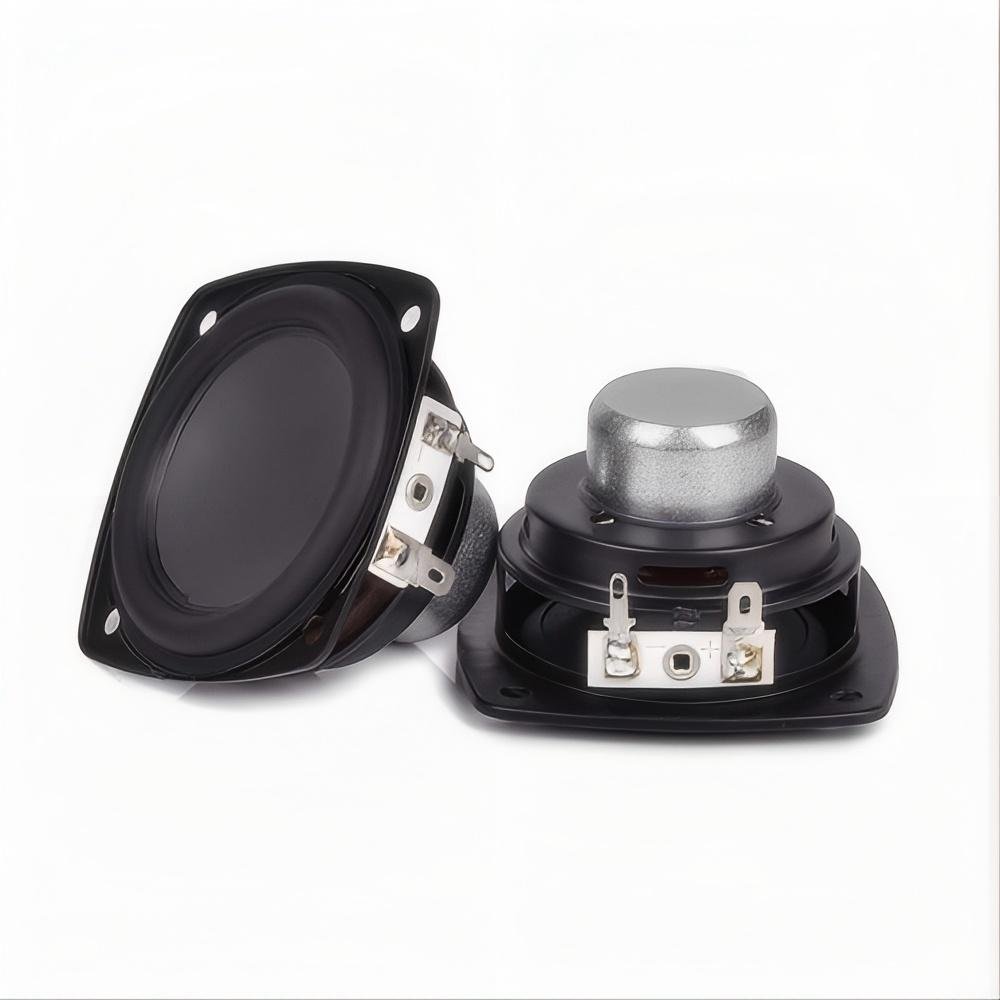
In an era where our electronics are extensions of our lifestyles, the demand for durable, high-quality audio has moved beyond the living room. Water-resistant small speakers are no longer a niche product for the adventurous few; they have become a mainstream essential. The shift is driven by a confluence of trends: the rise of remote work and “work-from-anywhere” cultures, the increased value placed on outdoor recreation, and the seamless integration of music into daily activities like cooking, showering, or lounging by the pool. Consumers now expect their audio gear to keep pace with their dynamic lives, transitioning effortlessly from a kitchen counter to a beach blanket without a second thought.
Market data underscores this movement. A recent report from Grand View Research (2023) valued the global Bluetooth speaker market at USD 7.02 billion in 2022, with a projected compound annual growth rate (CAGR) of 12.3% from 2023 to 2030. A significant portion of this growth is attributed to the rugged and waterproof segment. Furthermore, a Consumer Technology Association survey (2024) indicated that over 65% of new Bluetooth speaker purchasers cite water resistance as a “must-have” or “highly important” feature, up from just 42% five years prior. This isn’t just about surviving a splash; it’s about enabling a frictionless, soundtracked life.
Key Features to Decipher When Choosing Your Speaker
Navigating the specifications of small water-resistant speakers requires understanding a few critical technologies and ratings. Here’s what truly matters:
1. IP Ratings: The Code to Water and Dust Defense
The Ingress Protection (IP) code is your most objective guide. It’s a two-digit standard (e.g., IP67). The first digit (0-6) rates solid particle/dust protection. The second digit (0-9K) rates liquid protection. For most users:
- IPX7: Can be immersed in up to 1 meter of fresh water for 30 minutes. Ideal for poolside, shower, or kayaking.
- IP67: Fully dust-tight and can handle the same immersion as IPX7. Perfect for beach trips and dusty trails.
- IP68: Dust-tight and can withstand continuous immersion beyond 1 meter (conditions specified by the manufacturer). The gold standard for serious outdoor use.
- IPX4 or IP54: Resists splashes from any direction. Good for kitchen use or workouts, but not for submersion.
2. Beyond Water: Build Quality & Ruggedness
Look for mentions of military-grade standards like MIL-STD-810H, which indicates testing for drops, shocks, vibration, and extreme temperatures. A rubberized exterior, reinforced corners, and a sturdy grille are visual indicators of a robust build.
3. Sound Performance in a Small Package
Size constraints challenge engineers, but innovations abound. Key terms include:
- Passive Radiators: These unpowered diaphragms vibrate to enhance bass response without requiring a large enclosure.
- 360-Degree Sound: Drivers positioned to disperse audio uniformly, ideal for group settings.
- Stereo Pairing: The ability to wirelessly link two identical speakers for a true left-right stereo soundstage.
4. Battery Life & Connectivity
Advertised battery life (e.g., “12 hours”) is often measured at 50% volume. Real-world use may differ. USB-C charging is now the expected standard, with some models offering wireless Qi charging pads on their surface. Bluetooth 5.3 or higher provides better range, stability, and lower power consumption. Multipoint connectivity, allowing the speaker to switch between two devices (like a phone and a laptop), is a highly convenient premium feature.
Top Contenders: A 2024 Market Comparison
Based on current performance, innovation, and market reception in early 2024, here is a comparative look at leading water-resistant small speakers. Prices are approximate MSRP.
| Speaker Model | Key Selling Point | IP 등급 | Est. Battery Life | Special Features | 가장 적합한 대상 |
|---|---|---|---|---|---|
| Ultimate Ears Boom 4 | Legendary durable build & punchy 360° sound | IP67 | 15 hours | “Magic Button” for music control, PartyUp for 150+ speaker pairing | Pool parties, festivals, durable everyday use |
| JBL Charge 6 | Powerful sound with a built-in power bank | IP67 | 20 hours | USB-A port to charge your devices, JBL PartyBoost for stereo pairing | Camping trips, long days out where you need to charge your phone |
| Sonos Roam | Seamless smart integration & automatic switching | IP67 | 10 hours | Wi-Fi & Bluetooth, Auto Trueplay tuning, works with Sonos ecosystem & voice assistants | Tech-centric users invested in multi-room audio, home and away |
| Bose SoundLink Flex | Exceptional clarity and deep bass for its size | IP67 | 12 hours | Bose PositionIQ (optimizes sound for orientation), rugged metal grille | Audiophiles seeking premium sound in a compact, portable form |
| Tribit StormBox Micro 2 | Outstanding value and surprisingly big sound | IP68 | 12 hours | Integrated strap, XBass tuning button, compact and lightweight | Budget-conscious buyers, attaching to a bike or backpack |
Maximizing Your Investment: Usage Tips and Lifespan Extension
Owning a rugged speaker is about freedom, but proper care ensures it lasts for years.
- Post-Water Exposure: After submersion or exposure to saltwater/chlorinated water, rinse the speaker with fresh water and dry it thoroughly with a soft cloth before charging. Pay special attention to ports.
- Charging Best Practices: Use the provided cable or a certified high-quality alternative. Avoid leaving the speaker plugged in continuously for weeks. For long-term storage, maintain a charge around 50%.
- Firmware Updates: Regularly update your speaker’s firmware via its companion app. Manufacturers often release updates that improve sound profiles, connectivity, and battery management.
- Cleaning: Use a soft, slightly damp cloth. Never use harsh chemicals, solvents, or high-pressure water jets, even on a highly-rated speaker, as this can damage seals over time.
The Future of Portable Audio: What’s Next?
The trajectory for small water-resistant speakers points toward greater intelligence and integration. We are already seeing the rise of integrated voice assistants (Google Assistant, Alexa, Siri) without needing a constant phone link. Matter protocol support may soon allow these portable speakers to act as smart home nodes. Furthermore, advances in spatial audio and head-tracking technologies, currently in headphones, could trickle down to portable speakers for a more immersive personal listening zone. Sustainability is also becoming a core design principle, with brands like Bang & Olufsen 그리고 소노스 using recycled materials and offering longer warranties and repair programs.
Professional Q&A: Your Technical Questions Answered
Q1: Is a speaker with an IP67 rating safe to use in the shower or at the beach?
에이: Yes, an IP67 rating is excellent for both environments. It is fully dust-tight (protecting against sand) and can withstand immersion in 1 meter of water for 30 minutes, making it more than capable of handling shower steam, splashes, and being submerged in a pool or shallow seawater. However, always rinse it with fresh water after exposure to salt or chlorine to prevent long-term corrosion on the metal grille.
Q2: Does Bluetooth version (5.2 vs. 5.3) really make a difference in audio quality and connection?
에이: The Bluetooth version primarily affects stability, range, and power efficiency, not the core audio quality (which is dictated by the codec, like SBC, AAC, or LDAC). Bluetooth 5.3 offers more reliable connections in congested wireless environments (like parks or apartments), slightly better range, and improved power management for longer battery life. For most users, the difference between 5.2 and 5.3 in daily use is subtle but meaningful for overall performance.
Q3: Can I truly get “studio-quality” or “Hi-Res” sound from a small, waterproof Bluetooth speaker?
에이: While physics limits the absolute fidelity possible from a small enclosure, the gap is closing. Many premium small speakers now support advanced codecs like LDAC (990 kbps) 또는 aptX Adaptive, which can transmit significantly more audio data than the standard SBC codec. When paired with well-tuned drivers and passive radiators, the result is sound quality that is rich, detailed, and satisfying for all but the most critical listening sessions. For true hi-res audio, however, a wired connection to larger, powered speakers or headphones is still superior.
Q4: How long should I realistically expect the battery in a premium water-resistant speaker to last before significant degradation?
에이: Most lithium-ion batteries in quality speakers are rated for 300-500 full charge cycles before capacity drops to about 80% of original. With typical use (charging every few days), this translates to 2-3 years of maintaining good performance. You can extend this lifespan by avoiding constant 0%-100% cycles; occasional partial charges are better for long-term battery health. Some brands, like Sonos, offer user-replaceable battery services to extend the product’s life further.