
개인화된 오디오 경험에 대한 수요 증가
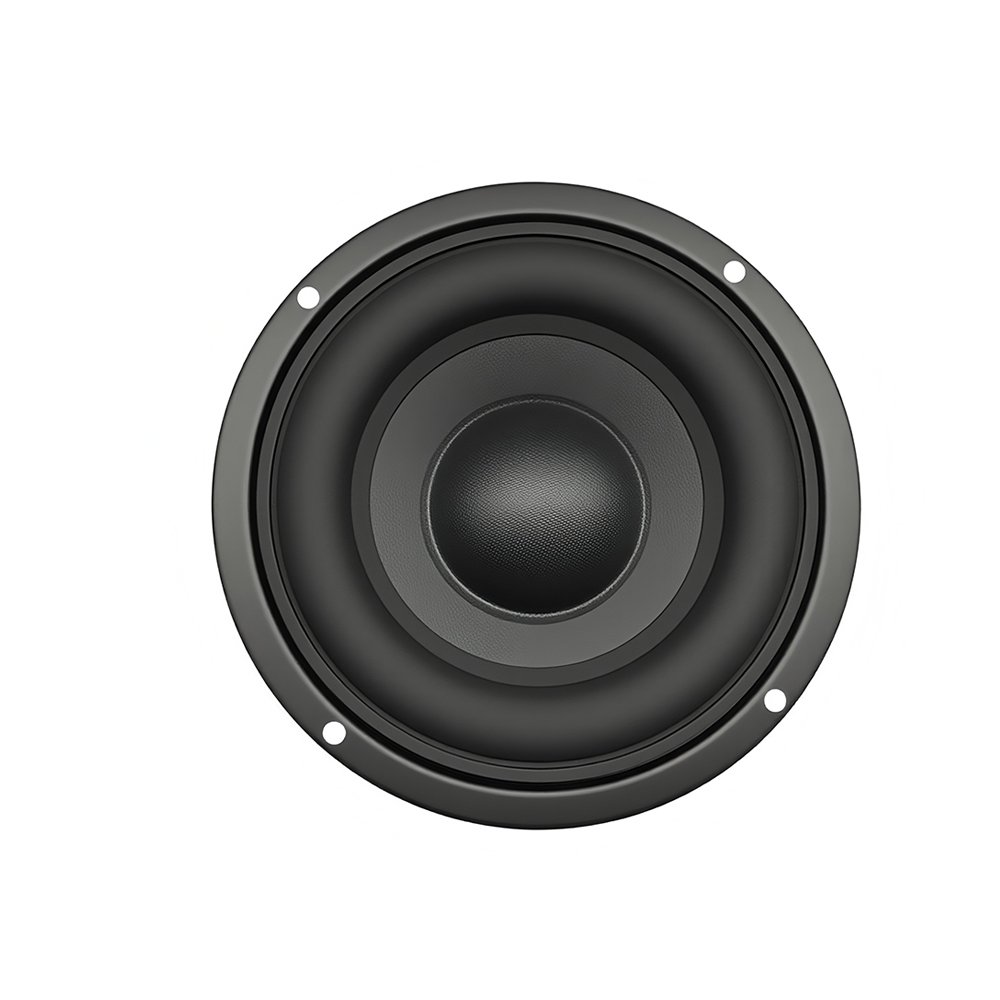
오늘날의 초개인화된 소비자 환경에서 오디오 브랜드는 점차 획일적인 솔루션에서 개인의 선호도, 공간 및 미적 취향에 맞춰진 맞춤형 스피커 시스템으로 전환하고 있습니다. 글로벌 맞춤형 오디오 장비 시장은 2024년 약 48억 달러, 규모로 평가되며, 음향 공학, 모듈식 설계 및 소비자 직접 맞춤화 플랫폼의 발전에 힘입어 2029년까지 연평균 성장률(CAGR) 7.3%로 성장할 것으로 예상됩니다. Bang & Olufsen, Sonos, KEF와 같은 브랜드는 단순한 색상 변형을 넘어 고객이 음향 튜닝 과정 자체에 참여할 수 있는 구성 가능한 옵션을 제공하고 있습니다. 이러한 추세는 오디오 장비가 더 이상 단순한 기능적 기기가 아니라 개인 정체성의 표현이자 건축적 통합의 일부가 되는 더 깊은 문화적 변화를 반영합니다. 최근 Sound & Vision 2024 산업 보고서, 에 따르면, 고급 스피커 구매자의 68%는 구매 결정에서 맞춤화 옵션을 “중요” 또는 “필수”로 간주하며, 특히 마감재, 그릴 디자인 및 공간별 음향 보정에 중점을 둡니다.
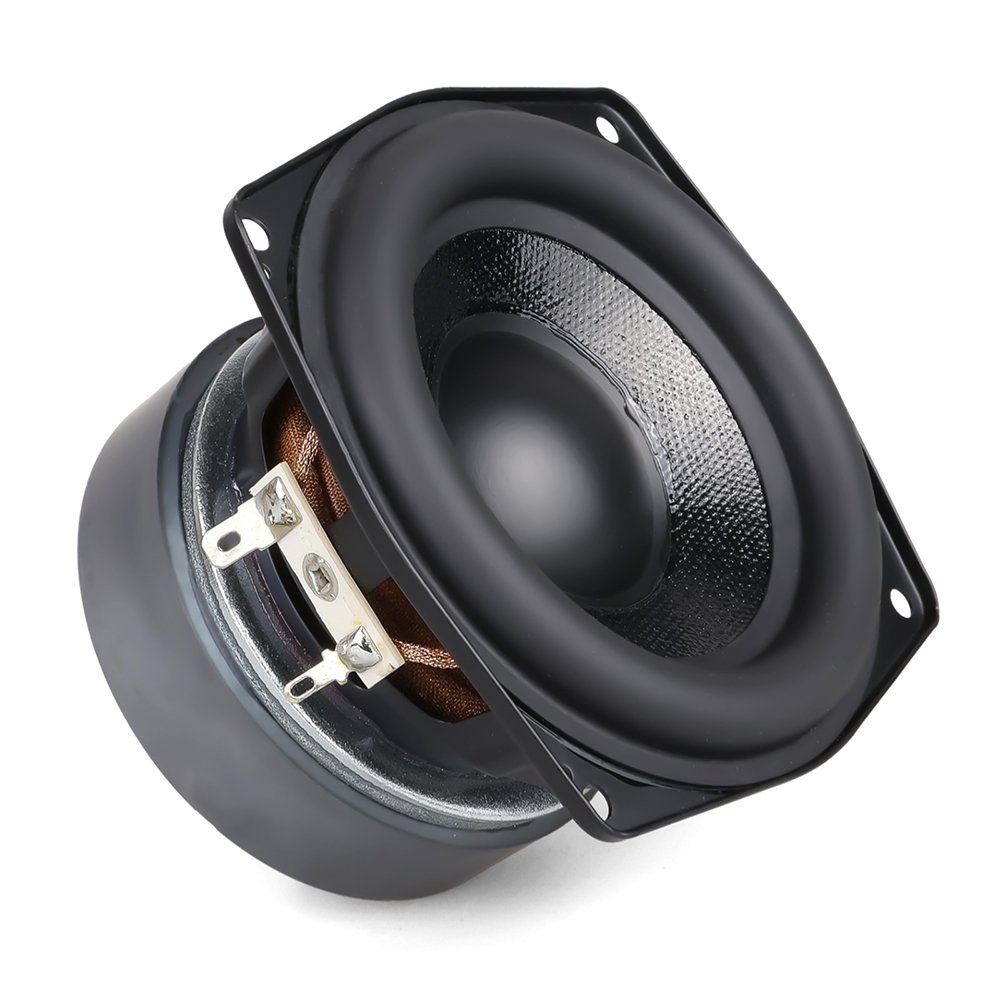
이 과정은 일반적으로 고급 디지털 컨피규레이터(사용자가 실시간으로 옵션을 시각화할 수 있는 대화형 도구)로 시작됩니다. 예를 들어, Bowers & Wilkins의 ’Build Your Own“ 플랫폼 은 고객이 캐비닛용 호두나무나 오크와 같은 목재를 선택하고, 금속 또는 패브릭 그릴 중에서 선택하며, 음악 장르에 따라 성능 프로필을 조정할 수 있도록 합니다. 이러한 인터페이스 뒤에는 모든 조합이 음향적으로 실행 가능하도록 보장하는 정교한 파라메트릭 설계 시스템이 있습니다. 이 디지털 프런트엔드는 CNC 가공 및 3D 프린팅을 소량 부품에 활용하는 유연한 제조 파이프라인에 직접 연결됩니다. 심리적 영향은 상당합니다. 고객이 제품을 공동 창조할 때 인지된 가치는 평균 34% 증가합니다(Journal of Consumer Research, 2023). 이는 프리미엄 브랜드가 이러한 경험적 판매 여정에 막대한 투자를 하는 이유를 설명합니다.
음향 공학과 장인 정신의 만남
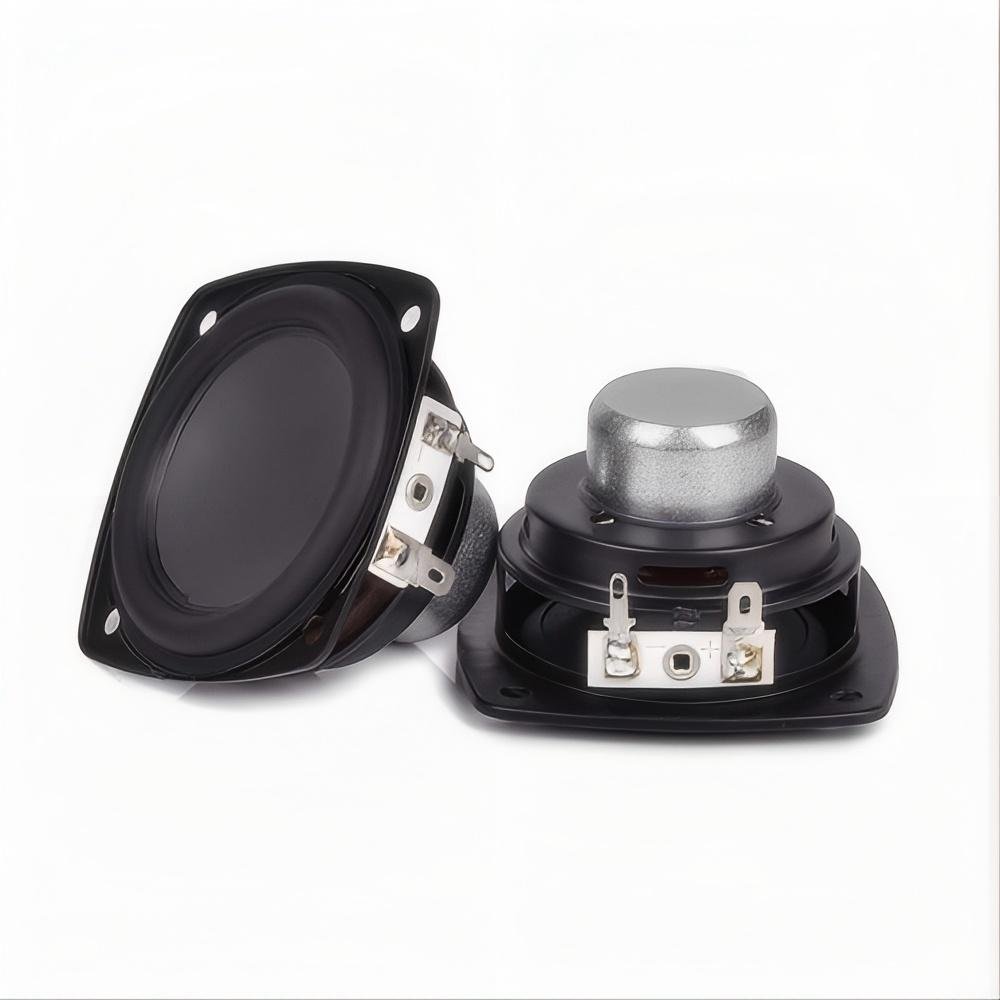
맞춤형 스피커 개발의 핵심에는 반복 가능한 음향 과학과 장인적 적응성 사이의 미묘한 균형이 있습니다. 모든 스피커 설계는 기본 물리학(드라이버 재료, 인클로저 부피 및 공명 제어 간의 관계)에서 시작됩니다. 그러나 맞춤화는 세심한 재보정이 필요한 변수를 도입합니다. 고객이 시각적 효과를 위해 더 높은 인클로저를 요청하거나 특정 견목을 선택하면 엔지니어는 이에 따라 내부 브레이싱, 댐핑 재료 및 포트 튜닝을 조정해야 합니다. Genelec의 플래그십 맞춤형 부서, 는 예를 들어, 물리적 프로토타입을 제작하기 전에 각 재료 및 치수 변경이 주파수 응답에 미치는 영향을 시뮬레이션하는 독점 모델링 소프트웨어를 사용합니다.
드라이버 맞춤화는 특히 어려운 과제를 제시합니다. 표준 스피커는 대량 생산된 드라이버를 사용하는 반면, 맞춤형 시스템은 종종 선택된 부품으로 수동 조립된 유닛을 통합합니다. Scan-Speak, 덴마크의 선도적인 드라이버 제조업체는 보이스 코일, 자석 및 다이어프램과 같은 요소를 개별적으로 지정할 수 있는 “플랫폼 모듈”을 맞춤화 업체에 공급합니다. 예를 들어, 구리 피복 알루미늄 보이스 코일은 더 따뜻한 중음을 위해 선택될 수 있으며, 다이아몬드 코팅 다이어프램은 초고역 확장을 위해 선택될 수 있습니다. 각 조합은 레이저 간섭계 테스트 를 거쳐 목표 성능에 대한 미세한 준수를 보장합니다. 아래 표는 재료 선택이 음향 특성과 어떻게 상관관계가 있는지 보여줍니다:
| 부품 | 맞춤화 옵션 | 음향적 영향 | 일반적인 사용 사례 |
|---|---|---|---|
| 콘 재질 | 종이, 폴리프로필렌, 탄소 섬유 | 댐핑 특성, 분할 모드 | 빈티지한 따뜻함을 위한 종이, 분석적 명료함을 위한 탄소 |
| 자석 유형 | 페라이트, 네오디뮴, 알니코 | 감도, 과도 응답 속도 | 재즈/블루스 시스템에서 하모닉 풍부함을 위한 알니코 |
| 인클로저 목재 | MDF, 발트해 자작나무, 단단한 호두나무 | 공명 프로필, 음색 | 캐비닛 착색 감소를 위한 단단한 견목 |
| 내부 감쇠 | 양모, 음향 폼, 유리 섬유 | 정재파 제어, 감쇠 시간 | 대형 건축용 스피커를 위한 다층 시스템 |
최종 튜닝에서 인간적 요소는 여전히 대체 불가능합니다. McIntosh Laboratory 와 같은 회사의 마스터 기술자는 여전히 무향실에서 “황금 귀” 평가를 수행하여 자동화 시스템이 놓칠 수 있는 크로스오버 네트워크의 미세한 조정을 합니다. 예측 AI 모델링과 전문가의 인간적 개선을 결합한 이 하이브리드 접근 방식은 맞춤형 스피커가 기술적 정밀성과 감정적 공명을 모두 전달하도록 보장합니다.
개인화된 사운드에서 디지털 신호 처리의 역할
현대 맞춤형 스피커는 점차 하드웨어 맞춤화가 소프트웨어 개인화에 의해 강화되는 “스마트” 플랫폼이 되고 있습니다. 디지털 신호 처리(DSP) 는 스피커가 실내 음향, 청취 선호도 및 실시간 콘텐츠 분석에 적응할 수 있도록 함으로써 맞춤형 오디오에 혁명을 일으켰습니다. 데비알레 와 같은 브랜드는 Phantom Custom 라인에 강력한 DSP 칩을 내장하여 주문 시 고객이 제출한 방 크기 측정값을 기반으로 출력을 자동으로 보정합니다. Phantom의 “Room Adaptation” 알고리즘, 을 사용하여 스피커는 방 크기와 표면 재료를 분석하여 정밀한 보정 필터를 적용함으로써 출하 전에 하드웨어를 의도된 환경에 효과적으로 “튜닝”합니다.
이 소프트웨어-하드웨어 통합은 전용 앱을 통한 사용자 제어 맞춤화로 확장됩니다. Sonos의 Trueplay 2.0 기술 은 설치 후 고객이 스마트폰 마이크를 사용하여 실내 음향을 매핑할 수 있도록 하는 중요한 발전을 나타냅니다. 그런 다음 시스템은 배치 제한을 보상하는 고유한 DSP 프로필을 생성합니다. 이는 이상적이지 않은 위치에 설치된 건축용 스피커에 중요한 기능입니다. Sonos의 2024년 음향 데이터, 에 따르면, 이 설치 후 튜닝은 고정 보정 시스템에 비해 주파수 응답 일관성을 최대 62% 까지 향상시킵니다. 진정한 맞춤형 구현을 위해, 브랜드는 Linn Products 훈련된 인테그레이터가 크로스오버 슬로프, 타임 얼라인먼트, 파라메트릭 EQ 밴드와 같은 파라미터를 조정하여 고객의 특정 청각 민감도 패턴에 맞출 수 있는 “전문가 모드” 앱을 제공합니다.
미래는 시간이 지남에 따라 학습하는 적응형 DSP에 있습니다. Harman International의 HALO 프로토타입 시스템은 머신 러닝을 활용하여 청취 습관과 콘텐츠 유형을 분석하고, 점진적으로 출력 프로필을 개선합니다. 클래식 음악 청취가 빈번하다고 감지하면 공간 알고리즘을 강화하고, 팟캐스트 사용이 많으면 보컬 선명도를 최적화할 수 있습니다. 이는 소유자와 함께 진화하는 살아있는 맞춤화를 창출합니다. 이 개념은 MarketsandMarkets 연구 에 따르면 2027년까지 럭셔리 오디오의 표준이 될 것으로 예측됩니다. 맞춤형 하드웨어와 지능형 소프트웨어의 융합은 본질적으로 교체가 아닌 업데이트를 통해 변화하는 취향, 공간 및 기술에 적응할 수 있는 “영원한 스피커”를 만듭니다.
개념에서 거실로: 맞춤 제조 파이프라인
맞춤형 스피커 생산의 물류는 전통적인 오디오 제조에 대한 근본적인 재고를 필요로 합니다. 대량 생산 스피커가 규모의 경제 혜택을 받는 반면, 맞춤형 모델은 유연한 “공예 규모” 생산에서 번성합니다. 선도 제조업체는 표준화된 핵심 구성 요소(앰프 모듈, 드라이버 플랫폼)가 맞춤형 요소(캐비닛, 마감재, 그릴)와 교차하는 모듈식 조립 라인을 개발했습니다. KEF의 “Reference Custom” 프로그램 영국 메이드스톤에서는 “하이브리드 셀” 시스템이라고 부르는 방식을 운영합니다. 자동화된 로봇 암이 정밀 드라이버 조립을 처리하는 동안, 인접 스테이션의 숙련된 장인들이 각 주문에 따라 다른 베니어를 수작업으로 맞춥니다. 이 설정은 맞춤 주문의 리드 타임을 기존 평균 12주에서 단 18-22일 로 단축하면서 장인 품질을 유지합니다.
자재 조달은 독특한 도전과 기회를 제시합니다. 이국적인 목재, 재활용 금속, 그리고 B&O의 조류 기반 폴리머 와 같은 혁신적인 복합 재료는 특화된 공급망을 필요로 합니다. 많은 프리미엄 브랜드는 이제 자재 원산지를 보여주는 투명성 보고서를 제공합니다. 이는 2024 Deloitte 오디오 소비 보고서. 에 따르면 럭셔리 오디오 구매자의 42%에게 중요한 고려 사항입니다. 예를 들어, Focal의 Utopia Custom 라인 은 지속 가능하게 관리되는 프랑스 산림의 목재를 제공하며, 각 스피커에는 나무의 원산지와 건조 과정을 상세히 설명하는 인증서가 포함됩니다. 이 스토리텔링 요소는 프리미엄 가격을 정당화하는 내러티브 가치를 추가하며, 종종 표준 모델 대비 200-400%.
더 높은 가격에 판매됩니다. 맞춤 제조의 품질 관리는 본질적으로 더 복잡합니다. 각 고유 구성은 배치 샘플링이 아닌 자체 테스트 프로토콜을 필요로 합니다. Meridian Audio 는 “디지털 트윈” 품질 보증을 개척했습니다. 각 맞춤 주문은 생산 시작 전에 시뮬레이션된 스트레스 테스트를 거치는 가상 모델을 생성합니다. 그런 다음 물리적 프로토타입은 72시간 번인 기간 을 거치며 디지털 트윈의 성능 기준에 대해 지속적으로 측정됩니다. 불일치가 발생하면 개별 유닛 또는 향후 유사 주문을 위한 디지털 모델에서 조정이 이루어져 자기 개선 시스템을 만듭니다. 이 세심한 접근 방식은 맞춤형 생산의 고유한 변동성에도 불구하고 표준 스피커의 업계 평균 8-12%에 비해 프리미엄 맞춤 라인의 반품률을 현저히 낮은 1.5% 2% 미만.
으로 유지합니다. 맞춤 오디오의 미래: 내일의 맞춤형 사운드를 형성하는 기술
2025-2030년을 바라보며, 여러 신흥 기술이 맞춤형 스피커 개발을 더욱 변화시킬 것을 약속합니다. 생성형 AI 디자인 도구 는 음향적으로 최적이면서 시각적으로 독특한 인클로저를 만드는 데 도움을 주기 시작했습니다. Vivid Audio 와 같은 회사는 특정 음향 파라미터를 충족하는 수천 가지 폼 팩터 변형을 생성하는 AI를 실험 중이며, 디자이너가 이를 개선합니다. 이 공생적인 인간-AI 프로세스는 새로운 맞춤형 플랫폼의 개발 시간을 40-60% 60% 단축.
하면서 음향 성능 일관성을 높일 수 있습니다. 산업 규모의 3D 프린팅 은 스피커 형상의 전통적인 제약을 제거하고 있습니다. Kreisel Music K3D 시리즈 는 이미 기존 목공으로는 불가능한 내부 도파관 구조를 가진 완전히 3D 프린팅된 인클로저를 특징으로 합니다. 금속 및 복합 재료 프린팅이 발전함에 따라, 하나의 연속 공정에서 단단한 다이어프램이 유연한 서라운드로 전환되는 등 점진적 재료로 구성된 완전한 드라이버 어셈블리가 단일 유닛으로 프린팅되는 것을 보게 될 것입니다. 이는 “대량 맞춤화” 를 가능하게 하여 각 스피커가 기술적으로 고유하면서도 경제적으로 실행 가능하게 만듭니다.
아마도 가장 혁신적인 것은 공간 오디오 개인화. 의 통합일 것입니다. Apple Music, Amazon, Tidal이 객체 기반 오디오 형식을 추진함에 따라, 미래의 맞춤형 스피커는 주문 과정에서 머리 관련 전달 함수(HRTF) 매핑을 포함할 가능성이 높습니다. 고객은 개인의 공간 청각 인식을 매핑하는 간단한 청취 테스트를 완료할 수 있으며, 스피커는 고유한 생체 특성에 맞게 사전 구성되어 배송됩니다. Dolby Laboratories의 2024 로드맵 은 이러한 “생체 인식 보정”이 일반 프로필과 비교하여 개별 청취자에게 공간 오디오 정확도를 300% 40% 향상.
시킬 수 있음을 시사합니다. 지속 가능성 명령도 혁신을 주도하고 있습니다. 순환 설계 원칙 은 맞춤형 오디오에 통합되고 있으며, Regen Audio 와 같은 브랜드는 업그레이드 가능한 핵심 구성 요소와 생분해성 캐비닛 옵션을 제공합니다. 그들의 “스피커 서비스형” 모델은 차세대 맞춤화를 위한 트레이드인 크레딧을 제공하여, 고급 오디오를 일회용 럭셔리로 보는 역사적 비판을 해결합니다. 이는 더 넓은 산업 움직임과 일치합니다. Custom Electronic Design & Installation Association 보고서에 따르면 78% 회원 설치 프로젝트 중 현재 32%가 시스템 설계에 지속 가능성 고려 사항을 포함하고 있으며, 이는 2020년의 3%에서 증가한 수치입니다.
전문가 Q&A: 맞춤형 오디오 산업 인사이트
Q1: 모든 유닛이 다른 경우, 맞춤형 스피커는 어떻게 품질 일관성을 유지합니까?
A: 선도 제조업체는 “통제된 가변성” 시스템을 구현합니다. 핵심 음향 부품(모터 구조, 자석 어셈블리)은 표준화된 상태로 유지되며, 맞춤형 요소(인클로저, 마감재)는 사전 결정된 음향 프로파일을 갖습니다. Klippel 스캐너와 같은 고급 측정 시스템은 각 유닛을 디지털 트윈과 비교하여 검증하며, 공차는 대량 생산보다 더 엄격한 경우가 많습니다(±0.5dB 대 업계 표준 ±1.5dB). 역설적이게도 개별 유닛에 더 많은 주의를 기울일수록 더 높은 일관성을 얻는 경우가 많습니다.
Q2: 완전 맞춤형 스피커의 일반적인 가격 프리미엄은 플래그십 표준 모델 대비 얼마입니까?
A: 프리미엄은 맞춤화 깊이에 따라 50%에서 400%까지 다양합니다. 마감재 전용 옵션은 50-80%를 추가할 수 있으며, 고유한 드라이버와 캐비닛을 갖춘 완전 맞춤형 디자인은 가격을 4배로 높일 수 있습니다. 예를 들어, Wilson Audio의 표준 Alexx V 스피커는 $109,000부터 시작하는 반면, 맞춤형 Sasha XV Art Series는 $385,000입니다. 가치 제안에는 독특한 재료뿐만 아니라 한 쌍당 수백 시간의 추가 엔지니어링 및 수공 노동이 포함됩니다.
Q3: 맞춤형 오디오 브랜드는 이국적인 재료와 관련된 지속 가능성 문제를 어떻게 해결하고 있습니까?
A: 세 가지 접근 방식이 등장하고 있습니다. 첫째, MBL의 탄화 대나무 복합재 사용과 같은 재료 혁신. 둘째, PMC의 “Heritage Regrade”와 같은 순환 프로그램을 통해 기존 맞춤형 스피커를 갱신합니다. 셋째, 투명성 이니셔티브—Monitor Audio의 “Forest to Front Room” 목재 원산지 추적. 2024 지속 가능한 오디오 제조 컨소시엄은 맞춤형 브랜드가 소량 배치 효율성 덕분에 대량 생산업체보다 버진 재료 사용을 22% 더 빠르게 줄이고 있다고 보고합니다.
Q4: 고객이 실제로 음향 튜닝에 참여할 수 있습니까, 아니면 주로 외관 맞춤화에 그칩니까?
A: 진정한 음향 참여를 향한 경계가 확장되고 있습니다. 외관 옵션이 초급 맞춤형 시장을 지배하지만(주문의 75%), 고급 프로그램은 점점 더 튜닝 선택권을 제공합니다: Focal은 고객이 4가지 크로스오버 보이싱 중에서 선택할 수 있게 하고, Magico는 댐핑 재료 밀도 옵션을 제공하며, Perlisten은 DPC 어레이 보정 소프트웨어에 직접 접근할 수 있게 합니다. 핵심은 안내된 맞춤화입니다—전문가 시스템이 음향적으로 나쁜 선택을 방지하면서 의미 있는 변형을 제공합니다.
Q5: 향후 5년 동안 맞춤형 스피커 개발을 가장 크게 혁신할 기술은 무엇입니까?
A: AI 기반 음향 예측이 변혁을 가져올 것입니다. 현재 시스템은 각 주요 변형에 대해 물리적 프로토타입이 필요하지만, Audio Precision의 “Virtual Prototyping Suite”와 같은 신흥 도구는 재료 특성과 CAD 파일에서 성능을 94% 정확도로 모델링할 수 있습니다. 이는 개발 주기를 몇 달에서 몇 주로 단축합니다. 또한, 블록체인 기반 재료 원산지 추적이 표준이 되어 맞춤형 오디오에서 지속 가능성과 럭셔리 인증 요구를 모두 해결할 것입니다.