
In the world of audio systems, two specifications often dominate the conversation: speaker sensitivity 그리고 speaker power handling. For anyone investing in home theater, professional sound, or high-fidelity music systems, understanding the interplay between these two factors is critical. While many assume that “more watts equals better sound,” the reality is more nuanced. Sensitivity and power are interdependent variables that shape system performance, efficiency, and overall listening experience. This comprehensive guide explores the technical foundations, practical trade-offs, and real-world applications of each, helping you decide where to prioritize your investment.
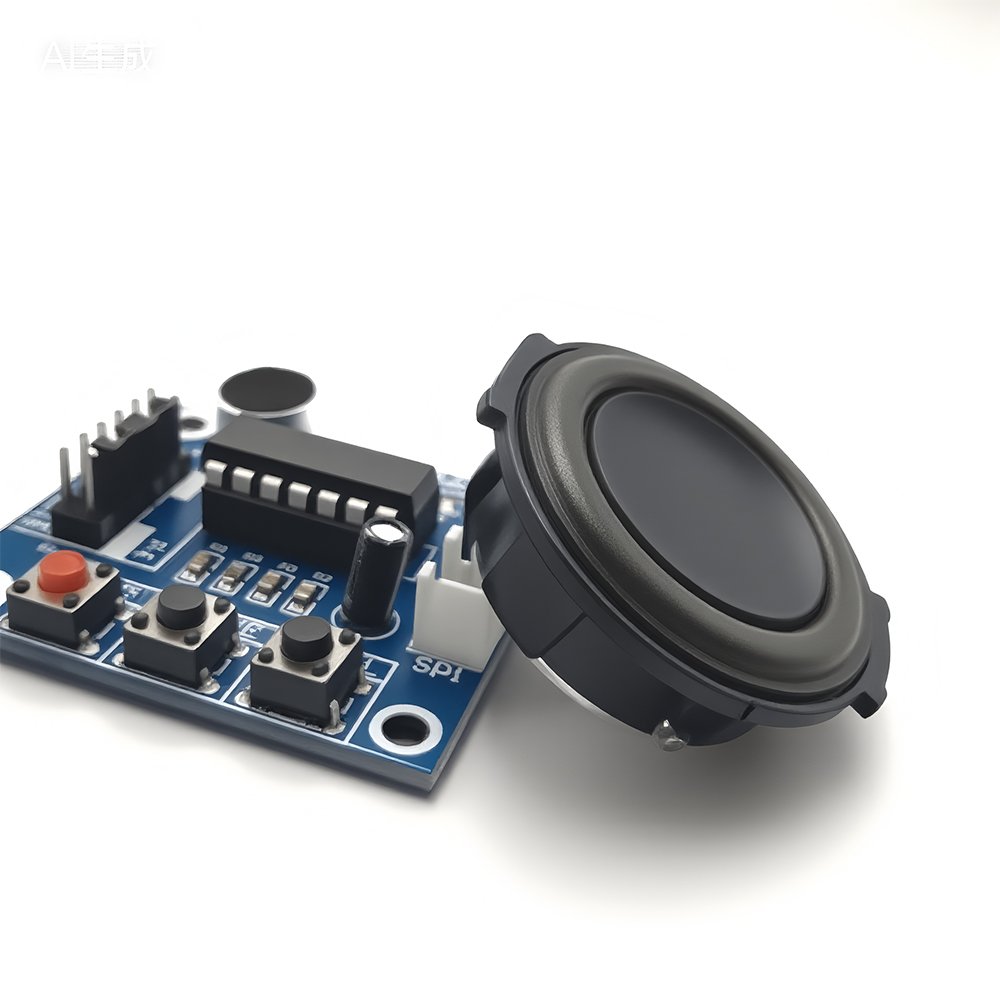
Understanding Speaker Sensitivity: The Measure of Efficiency
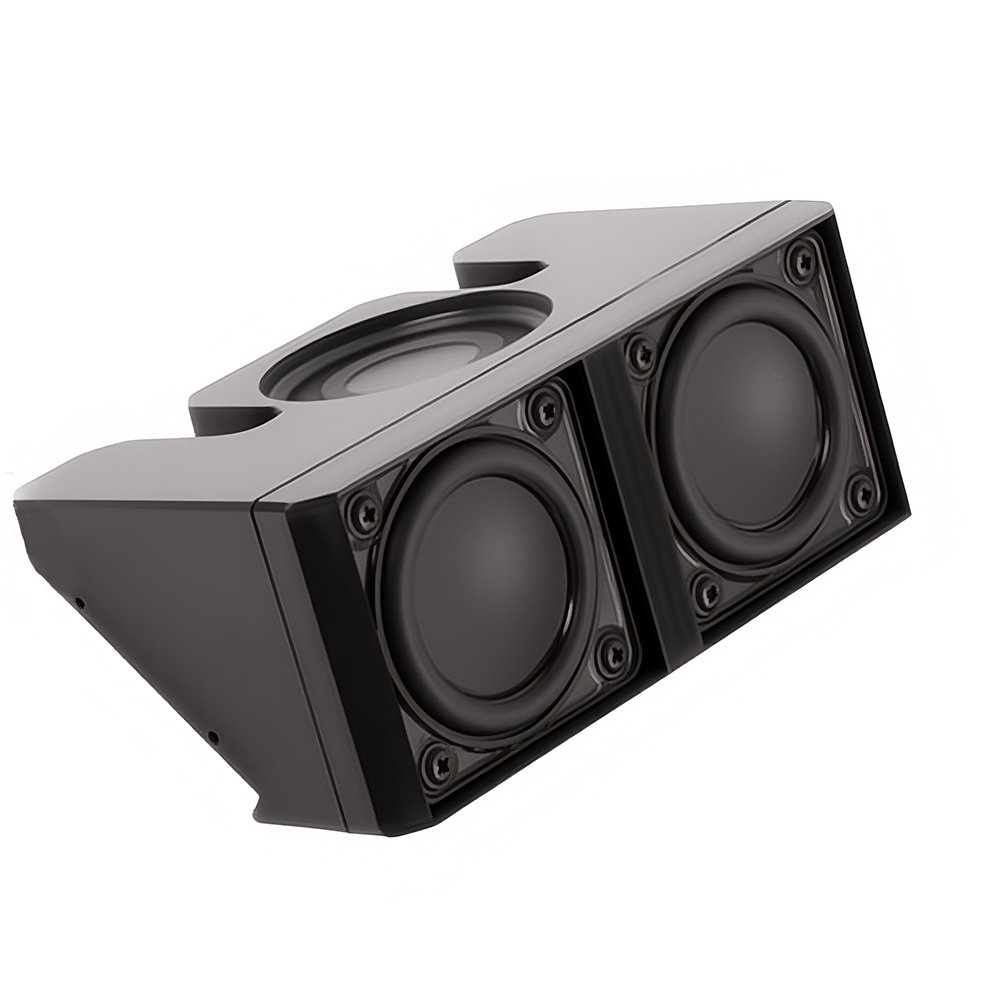
Speaker sensitivity, measured in decibels (dB), indicates how effectively a speaker converts electrical power into acoustic output. Specifically, it represents the sound pressure level (SPL) a speaker produces at a distance of one meter when driven by one watt of power. For example, a sensitivity rating of 90 dB means the speaker will produce 90 dB of sound with one watt of input.
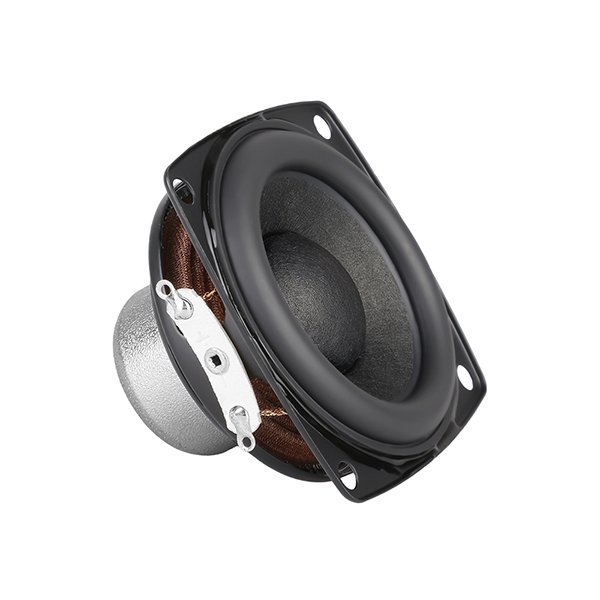
Sensitivity is primarily determined by the speaker’s design and components. Factors include the magnet strength, voice coil design, cone material, and enclosure type. High-sensitivity speakers (typically 90 dB and above) require less amplifier power to achieve high volume levels. They are often favored in applications where amplifier power is limited or energy efficiency is desired—such as in passive sound reinforcement or tube amplifier setups.
From an engineering perspective, sensitivity reflects a trade-off between efficiency and precision. High-sensitivity drivers often employ lighter materials and more robust magnetic structures, which can enhance dynamic response but may also affect low-frequency extension and distortion characteristics. Recent advancements in neodymium magnets and composite materials have enabled manufacturers to push sensitivity ratings while maintaining sound quality, with some modern high-end models reaching 97-100 dB sensitivity.
The Role of Amplifier Power: More Than Just Volume
Amplifier power, measured in watts, defines the amount of electrical energy an amplifier can deliver to a speaker. However, power alone doesn’t guarantee superior performance. It must be considered in conjunction with voltage, current, and the speaker’s impedance curve.
There are several key power ratings to understand:
- RMS Power: Continuous power handling, indicating sustainable performance.
- 피크 출력: Maximum short-term power tolerance.
- Recommended Amplifier Power: The manufacturer’s suggested power range for optimal operation.
High-power amplifiers (e.g., 200W RMS per channel and above) provide headroom—the ability to handle dynamic peaks in music or film soundtracks without clipping. This is crucial for maintaining clarity and preventing distortion during intense audio passages. However, pairing a high-power amplifier with a low-sensitivity speaker may still result in inadequate volume if the speaker is inefficient.
Modern class-D amplifiers have reshaped the power landscape, offering high wattage in compact, energy-efficient designs. According to recent market analysis, the average power output of home audio amplifiers has increased by approximately 25% over the past five years, while energy consumption has decreased—thanks to improved digital amplification technologies.
The Synergy and Trade-offs Between Sensitivity and Power
Sensitivity and power exist in a proportional relationship described by the power sensitivity equation: every 3 dB increase in output requires a doubling of amplifier power. Conversely, a speaker with 3 dB higher sensitivity will achieve the same volume with half the amplifier power.
Consider the following comparative scenarios:
| Scenario | Speaker Sensitivity | Amplifier Power | Resulting SPL (approx.) | Best Use Case |
|---|---|---|---|---|
| Home Theater with High Dynamic Range | 87 dB | 150W per channel | 105-110 dB peaks | Large rooms, action movies |
| Efficient Music Listening System | 92 dB | 50W per channel | 95-100 dB continuous | Mid-sized rooms, jazz/classical |
| Portable/Outdoor Sound | 85 dB | 30W per channel | 90-95 dB max | Small gatherings, background music |
| Professional PA System | 100 dB | 400W per channel | 120+ dB sustained | Live concerts, large venues |
As the table illustrates, high-sensitivity speakers excel in conserving amplifier power, while high-power amplifiers unlock potential in lower-sensitivity designs. The choice depends on your listening environment, content type, and performance expectations.
Recent real-world data from audio benchmarking labs indicates that for typical home listening levels (75-85 dB average), even low-sensitivity speakers (84-87 dB) paired with moderate-powered amplifiers (50-100W) can perform adequately. However, for high-impact home theater or audiophile dynamics, either high sensitivity or high power becomes essential.
Application-Based Recommendations: Matching Specifications to Use Cases
Home Audio and Stereo Music Systems: For most living rooms and dedicated listening spaces, speakers with 88-92 dB sensitivity paired with amplifiers delivering 50-150W per channel offer an ideal balance. This combination ensures sufficient headroom for musical peaks without demanding excessively powerful—and potentially costly—amplification.
Home Theater and Immersive Audio: Dolby Atmos and DTS:X soundtracks demand significant dynamic range. Here, power handling often takes precedence. Look for speakers capable of handling 100-200W continuous, with sensitivity ratings of 90 dB or higher to reproduce explosive effects without strain.
Professional and Live Sound: In sound reinforcement, sensitivity is king. High-sensitivity horn-loaded designs (100+ dB) allow powerful sound projection with manageable amplifier racks, reducing setup weight and power consumption—a critical factor for touring and installed sound.
Portable and Compact Systems: For Bluetooth speakers and compact setups, designers often prioritize power efficiency due to battery constraints. Recent advancements in transducer materials have enabled portable speakers to achieve 85-90 dB sensitivity with minimal amplifier demands, extending battery life while maintaining output.
Future Trends and Technological Innovations
The audio industry is progressively addressing the sensitivity-power dichotomy through innovative engineering. Emerging technologies like advanced magnetic circuit designs, graphene and beryllium diaphragms, 그리고 waveguide-loaded tweeters are pushing sensitivity boundaries without compromising fidelity. Meanwhile, GaN (Gallium Nitride) amplifier technology is revolutionizing power delivery, offering higher wattage with reduced heat and size.
Market data from 2023 indicates a growing consumer preference for systems that balance both metrics: speakers with 90+ dB sensitivity paired with amplifiers rated at 100-200W represent the fastest-growing segment in the high-fidelity market. This trend reflects an increasing awareness that synergy, rather than maximizing one specification, yields the best real-world performance.
Conclusion: A Balanced Approach Wins
Ultimately, the question of whether sensitivity or power matters more has no universal answer. High sensitivity excels in maximizing output from limited amplification, while high power ensures dynamic headroom and control. For most users, the optimal solution lies in selecting speakers with good sensitivity (89 dB and above) and pairing them with an amplifier that provides substantial clean power (at least 1.5-2 times the speaker’s continuous power rating).
Invest in quality rather than chasing extreme numbers. Listen to combinations in your space, and prioritize system synergy. By understanding how sensitivity and power interact, you can build an audio system that delivers both impactful volume and refined clarity—transforming technical specifications into transcendent listening experiences.
Professional Q&A Section
Q1: Can a high-sensitivity speaker replace the need for a high-power amplifier?
Yes, to a significant extent. A speaker with 93 dB sensitivity will produce the same volume with 50 watts that an 87 dB speaker would require 200 watts to achieve. This makes high-sensitivity speakers ideal for low-power amplifiers (like tube amps) or applications where electrical power is limited. However, adequate amplifier power is still necessary for proper dynamics and to avoid clipping.
Q2: Does higher speaker sensitivity compromise sound quality?
Not inherently. While some high-sensitivity designs may emphasize efficiency over linearity, modern materials and engineering have largely mitigated this trade-off. Many high-end speakers now combine 95+ dB sensitivity with exceptional fidelity. The key is evaluating overall design rather than relying on a single specification.
Q3: What is more important for deep bass: sensitivity or power?
Both are critical, but power often takes precedence for deep bass reproduction. Low frequencies require significant driver excursion and air movement, which demand ample amplifier current. However, high-sensitivity subwoofers using horn or bandpass designs can achieve high output with moderate power. For most sealed or ported designs, robust amplifier power (300W+) is advisable.
Q4: How do impedance curves affect the sensitivity-power relationship?
Speaker impedance varies with frequency, affecting how much power an amplifier can deliver. A speaker rated at 8 ohms may dip to 4 ohms at certain frequencies, potentially doubling the amplifier’s current demand. High-sensitivity speakers with stable impedance (e.g., minimal variation) are easier to drive and less demanding on amplifiers.
Q5: Are there real-time tools to calculate the ideal power-sensitivity match?
Yes. Online SPL calculators (like those from Crown Audio or B&C Speakers) allow you to input sensitivity, power, and distance to estimate maximum output. Additionally, room simulation software (such as Dirac Live or Audyssey) can help tailor amplifier gain and speaker placement based on your specific environment and equipment combination.