
공공 방송(PA) 시스템에 적합한 오디오 혼을 선택하는 것은 기술 사양과 실제 성능을 연결하는 중요한 결정입니다. 부적절한 선택은 효율성 저하, 명료도 문제 및 자원 낭비로 이어질 수 있는 반면, 올바른 선택은 기차역부터 산업 현장에 이르기까지 안전, 운영 및 안내에 필수적인 요소인 명확하고 신뢰할 수 있는 통신을 보장합니다. 본 가이드는 핵심 원리, 기술적 매개변수 및 실용적 고려 사항을 심층적으로 다루어 모든 응용 분야에서 정보에 기반한 결정을 내릴 수 있도록 지원합니다.
오디오 혼의 핵심 기능 및 유형 이해
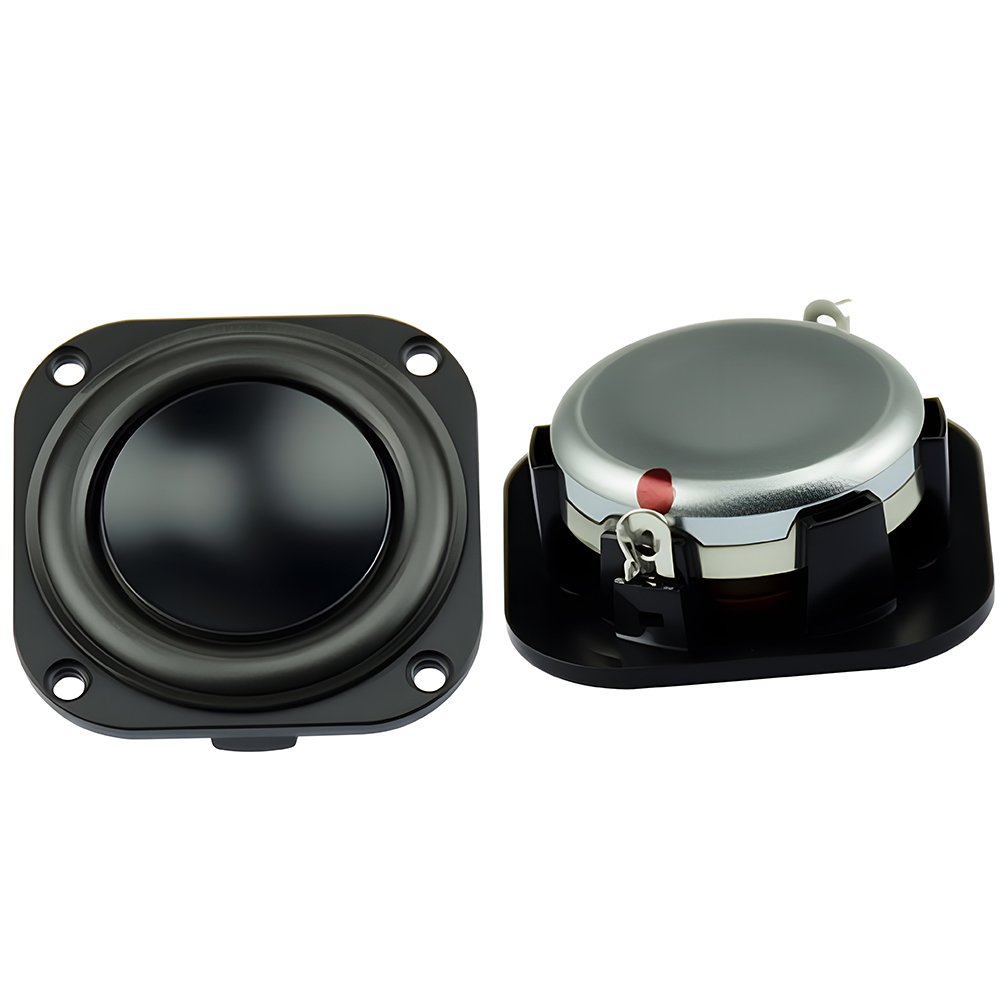
공공 방송 혼의 핵심은 증폭기의 전기적 오디오 신호를 음향 에너지로 변환하여 먼 거리와 까다로운 환경에서 소리를 투사하는 변환기입니다. 음악용 표준 스피커와 달리 혼은 다음에 최적화됩니다: 음성 명료도 그리고 소리 투사.
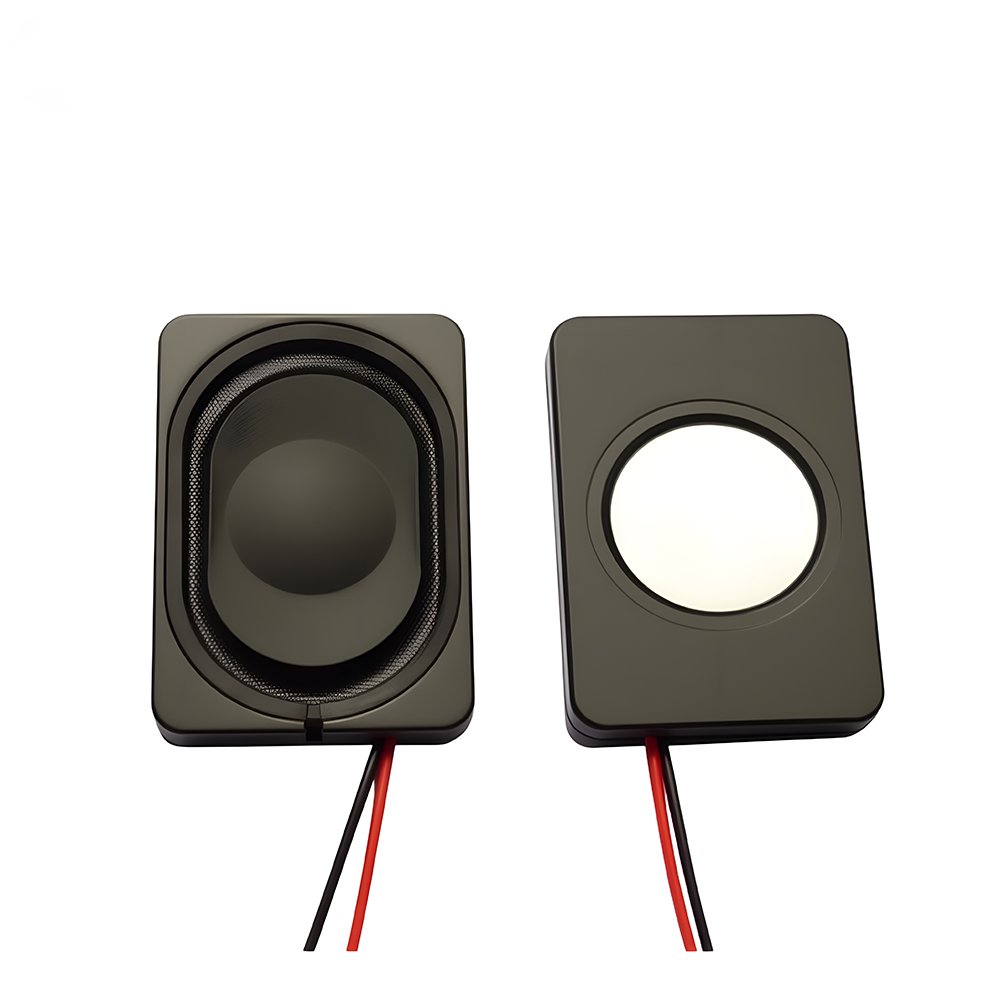
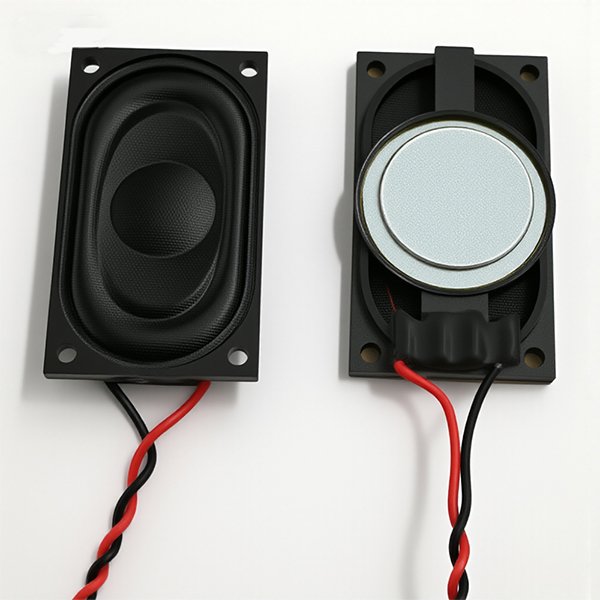
PA 시스템에 사용되는 주요 혼 유형은 다음과 같습니다:
- 정임피던스 혼: 전통적으로 70V 또는 100V 증폭기 출력에 병렬로 연결됩니다. 변압기 기반 설계 덕분에 단순하고 신뢰성이 높으며 단일 증폭기 채널에서 여러 혼을 동시에 사용할 수 있습니다. 넓은 영역 커버리지의 핵심 장비입니다.
- 저임피던스 혼(8옴): 기존 스피커처럼 작동하며 증폭기 채널에 직접 연결해야 합니다. 더 높은 충실도가 요구되거나 소수의 유닛만 필요한 응용 분야에서 자주 사용되며, 잠재적으로 더 나은 음질을 제공하지만 대규모 분산 시스템에서는 유연성이 떨어집니다.
- 호출 혼 대 사운드 프로젝터: 호출 혼은 일반적으로 더 작으며 방향성 소리를 위한 좁은 확산 패턴을 가집니다. 사운드 프로젝터는 더 크고 강력한 유닛으로, 극한 거리와 높은 주변 소음 환경(예: 석유 굴착 장치 또는 선적 야적장)에 적합합니다.
이러한 유형 간의 선택은 시스템 설계의 기초를 형성합니다. 2024년 업계 동향은 네트워크 기반 오디오 IP(AoIP) 시스템을 계속 선호하며, 전통적인 혼도 구역별 제어 및 모니터링이 가능한 지능형 주소 지정 증폭기로 구동되어 클래식 하드웨어와 현대적 디지털 관리가 결합됩니다.
정보에 기반한 선택을 위한 주요 기술 매개변수
사양서를 이해하는 것은 필수적입니다. 평가해야 할 필수 매개변수는 다음과 같습니다:
- 감도(dB SPL, 1W/1m): 이는 1미터 거리에서 1와트의 입력 전력으로 혼이 얼마나 큰 소리를 내는지 측정합니다. 더 높은 감도 등급(예: 110dB)은 혼이 더 효율적이며 더 적은 증폭기 전력으로 더 많은 소리를 생성함을 의미합니다. 이는 에너지 효율성과 증폭기 비용 절감에 중요합니다.
- 전력 처리 용량(연속/피크): 와트로 표시되며, 혼이 손상 없이 지속적으로 처리할 수 있는 전력량을 나타냅니다. 이를 증폭기 출력과 일치시키십시오. 정전압 시스템의 경우, 혼의 변압기가 해당 위치에 필요한 SPL에 적합한 와트 탭(예: 5W, 10W, 20W)을 갖추고 있는지 확인하십시오.
- 최대 음압 레벨(Max SPL): 혼이 생성할 수 있는 절대 최대 출력입니다. 이 수치는 혼이 주변 소음을 극복할 수 있는지 결정합니다. 실외 산업 지역의 경우 120-130dB 이상의 최대 SPL을 가진 혼이 필요할 수 있습니다.
- 확산 패턴(커버리지 각도): 도 단위(예: 90°H x 40°V)로 표시되며, 음장의 형태를 정의합니다. 넓은 수평 패턴은 광장 같은 넓은 영역을 커버하고, 좁은 패턴은 활주로처럼 먼 거리로 좁은 빔 형태로 소리를 투사합니다.
- 주파수 응답: 음성 명료도를 위해 중요한 범위는 500Hz ~ 4,000Hz. 입니다. 이 범위에서 조정된 응답을 가진 혼은 넓지만 불균일한 응답을 가진 혼보다 더 명확한 음성을 생성합니다. 음악 재생에는 더 넓은 범위(예: 100Hz ~ 15,000Hz)가 필요합니다.
- 침수 보호(IP) 등급: 이는 환경 내구성을 인증합니다. IP65 등급은 방진 및 저압 물 분사에 대한 보호를 의미하며, 대부분의 실외 응용 분야에 적합합니다. IP66/67 은 더 강한 분사 또는 일시적 침수에 대한 보호를 제공하며, 가혹한 산업 또는 해양 환경에 필수적입니다.
환경 및 응용 분야에 맞는 혼 선택
환경이 혼의 요구 사양을 결정합니다. 다음 주요 응용 분야 범주를 고려하십시오:
- 실내 상업 공간(사무실, 소매점, 아트리움): 여기서는 미관과 균일한 커버리지가 중요합니다. 저전력, 넓은 확산 패턴의 혼(종종 흰색)이 일반적입니다. 명료도가 핵심이지만 최대 SPL 요구 사항은 낮습니다(90-100dB). 건축용 스피커 또는 소형 혼이 자주 사용됩니다.
- 교통 허브(공항, 기차역): 이러한 공간은 크고 시끄러운 실내 공간과 실외 플랫폼이 결합되어 있습니다. 플랫폼 및 개방형 차고용 고SPL, 내후성 프로젝터와 대합실용 우수한 명료도를 가진 분산형 혼의 혼합이 필요합니다. 시스템은 대규모 알림 프로토콜과 통합되어야 합니다.
- 산업 및 제조: 최고의 난제입니다. 기계로 인한 높은 주변 소음(85-110dB+)은 매우 높은 최대 SPL(125dB+)을 가진 혼을 필요로 합니다. 또한 극도로 견고해야 하며(높은 IP 등급, 종종 내식성), 저주파 진동을 뚫을 수 있어야 합니다. 석유화학 공장과 같은 위험 지역에서는 방폭형 혼(ATEX/IECEx 인증)이 필수입니다.
- 실외 공공 공간(경기장, 공원, 캠퍼스): 내후성(IP65+)이 표준입니다. 커버리지가 주요 과제이며, 경계를 넘어 과도한 소음 공해를 유발하지 않으면서 해당 영역을 덮기 위해 신중하게 선택된 확산 패턴의 혼을 전략적으로 배열해야 하는 경우가 많습니다.
실시간 데이터 포인트: 2023년 Frost & Sullivan, 의 시장 분석에 따르면, 산업 부문에서 견고하고 고출력 오디오 솔루션에 대한 수요 는 작업자 안전에 대한 관심 증가와 가청 경보 및 안내 방송에 대한 더 엄격한 규제 준수로 인해 연평균 성장률(CAGR) 7.2%로 증가하고 있습니다.
설치 및 시스템 통합 체크리스트
선택은 혼 자체에서 끝나지 않습니다. 적절한 통합이 중요합니다.
- 앰프 매칭: 정전압 시스템에서 해당 라인의 모든 혼에 대한 총 와트 탭 합계와 앰프의 채널당 출력 와트가 일치하는지 확인하십시오. 저임피던스 혼의 경우 임피던스를 일치시키십시오. 클리핑을 방지하기 위해 20-30%의 추가 앰프 헤드룸을 확보하십시오.
- 구역 설정 및 배선: 논리적 오디오 구역(예: 층별, 위험 구역별 또는 기능별)을 설계하십시오. 적절한 게이지의 스피커 와이어를 사용하십시오. 70V/100V 시스템에서 장거리 배선 시 전압 강하를 계산하여 성능을 보장하십시오. 최신 시스템은 AoIP를 위해 카테고리 케이블을 사용하며, 엔드포인트에 데이터, 전원 및 오디오를 전달합니다.
- 장착 및 조준: 분산 패턴을 고려하여 대상 영역을 효과적으로 커버하도록 혼을 배치하십시오. 벽이나 장애물이 아닌 청취자 구역을 향해 조준하십시오. 특히 무거운 실외 프로젝터의 경우 장착 하드웨어가 견고한지 확인하십시오.
- 규정 준수 및 표준: 시스템이 공공 건물에서 최소 음압 레벨과 명료도 기준을 요구하는 비상 음향 시스템에 대한 관련 지역 및 국제 표준(예: 미국의 NFPA 72, 유럽의 EN 54)을 충족하는지 확인하십시오.
일반적인 시나리오별 혼 유형 비교 분석
아래 표는 일반적인 사용 사례에 대한 빠른 참조 비교를 제공합니다.
| 적용 시나리오 | 권장 혼 유형 | 우선시할 주요 매개변수 | 일반적인 전력 및 SPL 요구 사항 | 비고 |
|---|---|---|---|---|
| 창고 실내 | 70V 컴팩트 호출 혼 | 감도, 90°-120° 분산, IP54(방진/방적) | 10-30W 탭, 105-115 dB 최대 SPL | 높이 장착하고 통로를 향해 아래로 각도를 조정하십시오. 음성 중간 대역을 우선시하십시오. |
| 공장 바닥(소음 환경) | 70V/100V 고출력 사운드 프로젝터 | 최대 SPL(>125 dB), 내구성(IP66), 주파수 응답(저주파 소음 차단) | 30-60W 탭, 125-135 dB 최대 SPL | 종종 알루미늄 또는 폴리카보네이트로 제작됩니다. 특정 주파수 “샤우트”가 있는 혼이 필요할 수 있습니다.” |
| 학교 캠퍼스 실외 | 70V 내후성 혼 | 방수성(IP65), 넓은 분산, 미적 디자인 | 15-30W 탭, 110-120 dB 최대 SPL | 균일한 커버리지를 위해 여러 유닛을 사용하십시오. 방염 기능을 고려하십시오. |
| 공항 수하물 찾는 곳 | 70V 광분산 혼 | 명료도, 넓고 균일한 커버리지(예: 90°x90°), 미적 디자인 | 5-15W 탭, 100-110 dB 최대 SPL | 밀집된 분산 시스템의 일부입니다. 종종 천장에 통합됩니다. |
| 위험 구역(Zone 1) | 인증된 방폭 혼 | ATEX/IECEx 인증, 최대 SPL, 스테인리스 스틸 또는 황동 구조 | 현장 분류에 따라 매우 높은 SPL | 전문 제조업체에서 조달해야 합니다. 배선은 인증된 컨듀잇 씰을 통해 들어갑니다. |
전문가 Q&A
Q1: 명확한 명료도를 위해 혼이 주변 소음보다 얼마나 더 커야 합니까?
에이: 일반적인 엔지니어링 규칙은 청취자 위치에서 측정된 주변 소음 레벨(Leq)보다 혼의 출력이 최소 10-15 dB 이상이어야 좋은 음성 명료도를 얻을 수 있다는 것입니다. 매우 시끄러운 환경(예: 100 dB 주변 소음)에서는 115 dB SPL 이상의 혼이 필요합니다. 정교한 설계는 스펙트럼 형상을 사용하여 전체 볼륨을 단순히 높이지 않고도 인간의 귀가 음성 신호에 가장 민감한 2-4 kHz 대역을 강화하여 명료도를 향상시킵니다.
Q2: 단일 70V 앰프 채널에 너무 많은 혼을 데이지 체인으로 연결할 때의 주요 단점은 무엇입니까?
에이: 주요 위험은 앰프 과부하입니다. 변압기 탭이 부하 임피던스가 너무 낮아지는 것을 방지하지만, 모든 탭 설정의 총 와트 합계 해당 채널에 대한 앰프의 연속 와트 출력을 초과해서는 안 됩니다. 이를 초과하면 클리핑, 왜곡 및 잠재적인 앰프 고장이 발생합니다. 둘째, 하나의 혼이 고장 나면(예: 변압기 단락) 전체 회로가 중단될 수 있습니다. 별도의 앰프 채널로 적절한 구역을 설정하면 두 위험을 모두 완화할 수 있습니다.
Q3: IP 기반 오디오 시스템의 부상으로 인해 기존의 70V 혼(horn)이 더 이상 사용되지 않게 되었습니까?
에이: 전혀 그렇지 않습니다. PA 시스템의 “프론트 엔드”는 제어 및 신호 분배를 위해 AoIP(예: Dante)를 통해 빠르게 디지털화되고 있습니다. 그러나 “라스트 마일”, 즉 앰프와 혼은 여전히 아날로그 방식으로 남아 있는 경우가 많습니다. 최신 “지능형” 앰프는 네트워크 오디오를 수용하여 디지털 제어, 모니터링 및 구역 설정의 이점을 제공하면서도 기존의 견고하고 비용 효율적인 혼 네트워크에 표준 70V/100V 신호를 출력합니다. 혼 자체는 음향 방사라는 물리적 작업에 최적화된 상태를 유지하며, 이 역할에서 디지털 신호만으로는 본질적인 이점을 제공하지 않습니다.
Q4: 표준 실외용 혼을 부식성 해양 또는 화학 환경에서 사용할 수 있습니까?
에이: 아니요. 표준 방수(IP66) 혼은 종종 알루미늄 또는 강철 부품을 사용하므로 빠르게 부식됩니다. 이러한 환경에서는 다음 재료로 제작된 혼을 지정해야 합니다: 해양 등급 스테인리스강(예: 316L) 또는 고충격, UV 안정성 폴리머 (예: 폴리카보네이트) 및 특정 부식성 물질에 대해 등급이 지정된 모든 하드웨어(나사, 개스킷)를 사용해야 합니다. 항상 제조업체의 내화학성 사양을 확인하십시오.