
In the world of audio, a quiet revolution is taking place. Modern speakers are no longer hidden boxes relegated to corners; they have become centerpieces of our living spaces, objects of desire that must perform flawlessly while complementing contemporary interiors. This evolution has ignited a critical debate: should design prioritize stunning aesthetics or uncompromised acoustics? The unequivocal answer is that modern speaker design demands a symbiotic balance between the two. A speaker that sounds magnificent but visually clashes with its environment fails in today’s market. Conversely, a sculptural masterpiece that delivers poor sound is ultimately a hollow artifact. This article explores the intricate dance between form and function, arguing that the future of audio lies in harmonizing visual artistry with acoustic science.
The Historical Divide: When Form Followed Function (or Was Ignored Altogether)
For decades, the paradigm of high-fidelity speaker design was dominated by a singular mantra: performance above all. The result was often a bland, rectangular box—frequently clad in black vinyl or wood veneer—optimized internally for sound wave propagation but externally indifferent to its surroundings. These “monkey coffins,” as some critics dubbed them, were engineered in acoustically isolated labs with little consideration for the living rooms they would inhabit. The assumption was that true audiophiles would forgive any visual offense for the sake of sonic purity.
This functionalist approach had acoustic logic. A rigid, non-resonant cabinet minimized unwanted vibrations (coloration). Specific driver arrangements and cabinet dimensions were calculated to control sound dispersion and bass response. However, it created a cultural divide. High-end audio became associated with a certain utilitarian, even masculine, aesthetic that could feel imposing and out of place in modern, design-conscious homes.
Meanwhile, the rise of consumer brands introduced smaller, more stylized speakers, but these often sacrificed mid-range clarity and bass depth. The market was split: serious sound in one corner, pretty furniture in the other. This historical divide set the stage for the current challenge: unifying these two worlds without compromise.
The Modern Listener’s Environment: The Integration Imperative
Today’s living space is fundamentally different. Open-plan layouts, minimalist decor, and multi-functional rooms are the norm. Consumers, especially younger demographics, view technology not as separate equipment but as integrated lifestyle elements. A speaker is judged not just by its frequency response chart, but by how it looks on the bookshelf, how it complements the mid-century modern sofa, or how it disappears into the architecture.
According to a 2023 report by the Consumer Technology Association, over 65% of premium speaker purchasers cite “design and aesthetics” as a primary or co-primary factor in their buying decision, up from just 35% a decade ago. This is not merely superficiality. Our environments significantly impact our well-being. A visually disruptive object can cause subconscious stress, subtly detracting from the relaxation and enjoyment that music is meant to provide. Therefore, acoustic performance begins with visual acceptance; a speaker must earn its place in the room before it is ever switched on.
This “integration imperative” forces designers to rethink shapes, materials, and footprints. The classic rectangular box is being deconstructed into cylinders, organic curves, and planar forms. Brands like Sonus Faber treat cabinets like musical instruments, using fine woods and leather, while KEF with its signature Uni-Q driver and sleek aluminum cabinets turns speakers into modernist sculptures. The goal is visual harmony, which becomes the first layer of the listening experience.
The Science of the Surface: How Materials and Shape Influence Sound
This is where the real engineering challenge—and magic—happens. Every aesthetic choice has an acoustic consequence. The pursuit of balance is a deeply technical endeavor.
Materials Matter: Moving from traditional MDF to advanced composites, machined aluminum, or molded ceramics isn’t just a stylistic decision. These materials offer vastly different resonant properties. A solid aluminum enclosure, for instance, provides exceptional rigidity and damping, reducing cabinet “talk” and allowing for cleaner bass. However, it requires precise engineering to manage internal standing waves. Fabric grilles, chosen for their color and texture, must be acoustically transparent. Companies like Bang & Olufsen そして Devialet spend countless R&D hours developing proprietary materials that serve both visual and acoustic masters.
Form Follows Frequency: The shape of a cabinet directly affects sound diffusion and diffraction. Sharp edges can cause high-frequency beaming and phase issues. Rounded edges or contoured baffles, like those on Magico または Focal speakers, help create a more coherent wavefront and wider “sweet spot.” The sculptural form of the Bowers & Wilkins Nautilus, inspired by natural shells, is a direct result of managing rear-wave energy to eliminate internal reflections—a perfect marriage of biomimetic art and acoustic science.
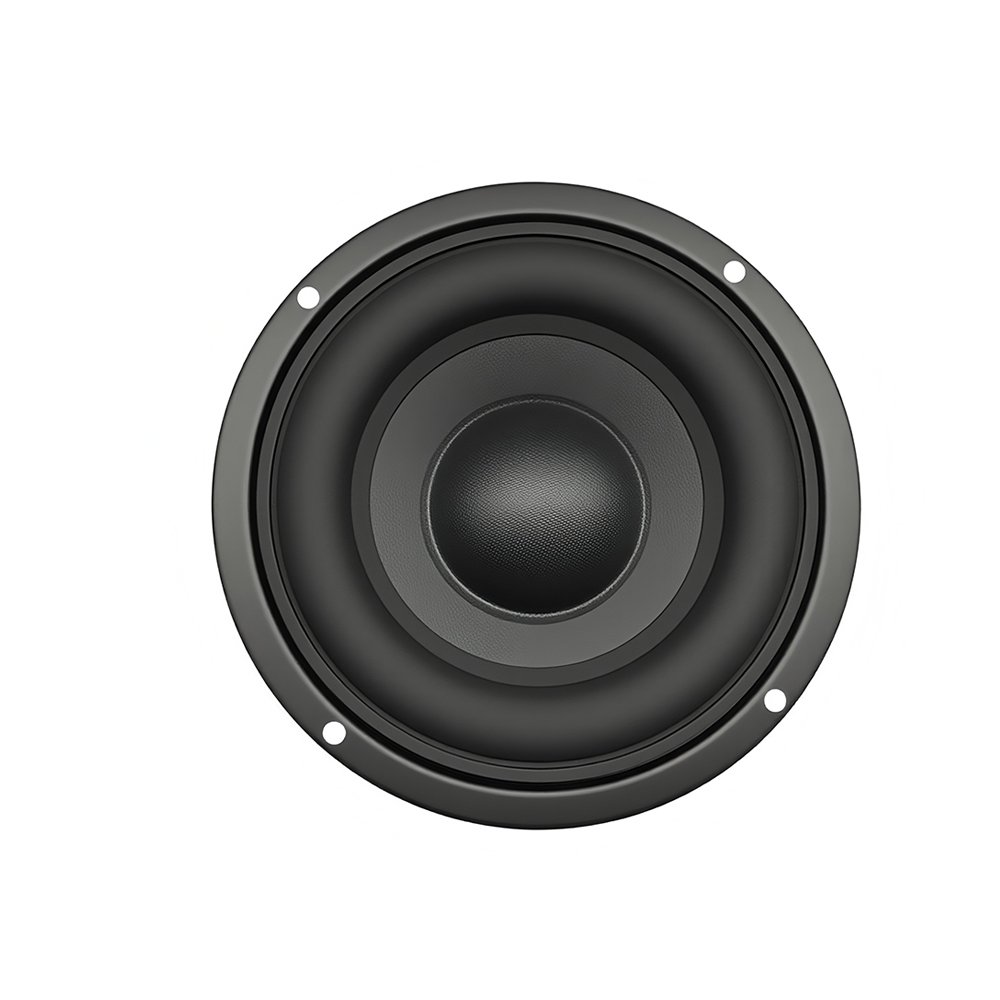
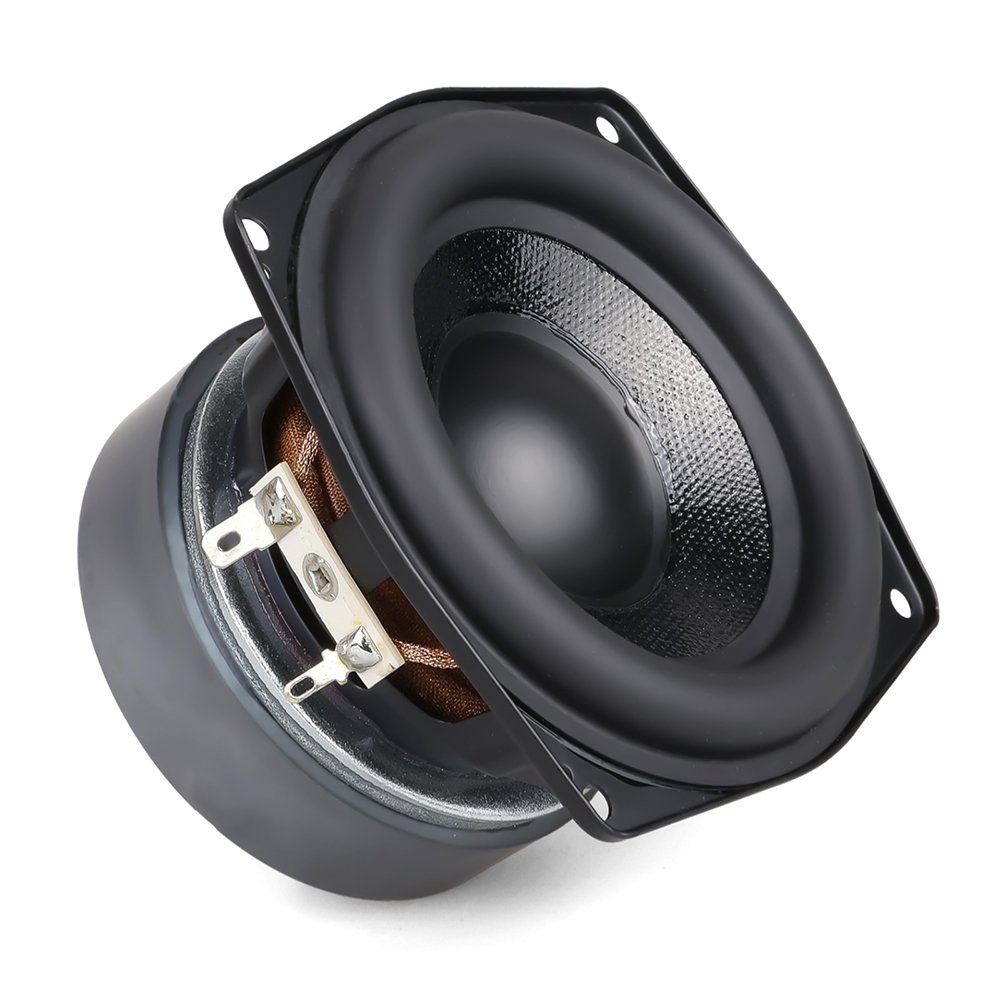
Driver Design as a Focal Point: The drivers themselves are becoming design elements. Copper相位 plugs, gleaming aluminum domes, or distinctive colored woofers (like KEF’s iconic Copper) are presented as visual features. This transparency celebrates the technology rather than hiding it, building trust through exposed engineering beauty.
Table: Impact of Common Modern Speaker Materials on Aesthetics and Acoustics
| 材料 | Aesthetic Appeal | Acoustic Primary Benefit | Design Challenge |
|---|---|---|---|
| Machined Aluminum | Modern, premium, industrial-chic; allows for precise, sculpted forms. | Extreme rigidity for low resonance and distortion; excellent heat dissipation. | Can be expensive; requires damping treatment to manage internal reflections. |
| Solid Wood (e.g., Walnut, Oak) | Warm, natural, organic; connects to furniture and craft traditions. | Natural damping properties; can provide a warm sonic character. | Prone to environmental changes (humidity/temp); consistency in density is key. |
| Advanced Composites (e.g., Carbon Fiber) | Technical, high-performance, lightweight look. | High stiffness-to-weight ratio; minimal resonance and coloration. | Complex and costly manufacturing processes. |
| Molded Polymer/ Ceramics | Allows for seamless, curvaceous, and unique organic shapes. | Can be tuned for specific damping characteristics; very consistent. | Tooling costs are high; can ring at certain frequencies if not properly formulated. |
| Acoustically Transparent Fabric | Softens appearance; offers vast color/texture customization. | Protects drivers while minimally impeding sound waves. | Must maintain consistent weave density; can collect dust and affect sound over time. |
The Market Reality: Data-Driven Design Decisions
The balance is not just philosophical; it’s commercially critical. Market data reveals the tangible benefits of getting this balance right.
Brands that have successfully championed design-led audio, like Sonos, Master & Dynamic, and Dirac-powered systems in high-end brands, have captured significant market share by appealing to both the eye and the ear. A 2024 industry analysis by Strategy Analytics showed that speakers positioned in the “Premium Design & Performance” category are experiencing a growth rate 3x faster than the traditional high-fidelity segment alone.
Furthermore, the integration of smart features and multi-room audio has accelerated this trend. A speaker is now a permanent, always-on fixture in the home. Its design, therefore, carries permanent weight. The success of models like the Apple HomePod または Sonus Faber Omnia underscores this: they are conceived as ambient objects that deliver exceptional, room-aware sound. Their computational audio (using real-time microphones to analyze and adapt sound to the room) is the acoustic counterpart to their designed form—both are about seamless integration into the user’s environment.
Engineering the Future: Computational Audio and Adaptive Design
The ultimate synthesis of aesthetics and acoustics is being realized through computational audio and advanced manufacturing. This represents the final frontier in the balance.
デジタル信号処理(DSP) is the great enabler. It allows engineers to compensate for acoustic compromises that might arise from a chosen design. If a beautiful, slender enclosure limits bass extension, DSP can intelligently manage driver excursion and apply equalization to synthesize a robust low-end response. Brands like Trinnov そして Lyngdorf build entire philosophies around room correction that frees the physical design from some traditional acoustic constraints.
Additive manufacturing (3D Printing) allows for the creation of complex, internally braced structures that are impossible with traditional woodworking. These can be optimized for both stiffness and minimal material use, leading to striking, lightweight forms with superb acoustic properties. Imagine a speaker lattice that looks like organic coral—each strut placed by an algorithm to cancel a specific resonance.
The future speaker is adaptive そして context-aware. It will use camera and microphone arrays to see the room, identify surfaces and furniture, and then tailor its sound dispersion pattern to the specific acoustic and visual environment. The physical design will be a neutral, beautiful canvas upon which the optimal soundstage is painted digitally for each unique space.
Conclusion: The Harmony is the Product
The debate is over. The most successful and meaningful speakers of our time are those that refuse to choose between art and science. They embody the principle that true luxury is the absence of compromise. The emotional journey of listening begins with the pleasure of viewing an object that enhances our space. That pleasure is then deepened and fulfilled by immersive, detailed, and moving sound.
For engineers and designers, the task is more complex and rewarding than ever. It requires cross-disciplinary collaboration where acoustic engineers work hand-in-hand with industrial designers and material scientists from day one. The result is products that resonate on a deeper level—products that are not just heard, but felt and loved as part of our daily lives. In modern speaker design, aesthetics and acoustics are not opposing forces; they are two essential voices in the same beautiful chord.
Professional Q&A: Navigating the Balance
Q1: As a buyer, how can I evaluate if a well-designed speaker has also sacrificed sound quality?
A: Look beyond basic specs. First, seek out detailed professional reviews that include both measurements (like spinorama data) and subjective listening tests. Listen for yourself in a quiet environment, if possible. Pay attention to mid-range clarity and soundstage—these are often the first casualties of compromised design. Check if the manufacturer discusses their acoustic engineering approach (cabinet bracing, driver technology, distortion measurements) with the same depth as their material choices. Reputable brands proud of their balance will transparently showcase the science behind the art.
Q2: Are there specific design shapes that are inherently problematic for sound?
A: Yes. Extremely narrow or deep cabinets can cause internal standing wave issues, muddying the mid-bass. Sharp, flat baffles around drivers cause diffraction, smearing stereo imaging. Sealed or heavily restricted rear ports for a cleaner look can severely limit bass efficiency and extension. The best designs use shape innovatively to solve acoustic problems—like curved cabinets that break up internal reflections or tapered enclosures that reduce rear-port turbulence.
Q3: With the rise of DSP and room correction, will the physical design of speakers become less acoustically important?
A: Not less important, but differently important. DSP is a powerful tool for room adaptation and driver optimization, but it cannot fix fundamental physical flaws. A poorly braced cabinet that resonates will still color the sound before the DSP can process it. A driver with high distortion will still distort. DSP shifts the focus from designing a speaker for a perfect anechoic chamber to designing a stable, low-distortion, and well-behaved “platform” that the DSP can then perfectly tune to your room. The physical design sets the ceiling of potential that the software then realizes.
Q4: What’s a real-world example of a brand or model that epitomizes this balance today?
A: The KEF LS60 Wireless is a quintessential example. Its sleek, single-cabinet “infinite baffle” design, inspired by architectural pillars, is a striking visual statement. Acoustically, this design allows for a coherent point-source sound from its Uni-Q driver array, while side-firing bass drivers use the cabinet’s structure effectively. It uses sophisticated DSP for bass management and room adaptation. Every aesthetic choice, from the curved form factor to the integrated stands, serves a direct acoustic purpose, making it a benchmark for integrated design and performance.