
High-fidelity loudspeakers are the final link in the audio chain, tasked with the critical job of converting electrical signals into the sound we hear. The pursuit of accurate, detailed, and emotionally engaging sound reproduction has driven decades of engineering innovation. A professional-grade hi-fi speaker is not merely a box with drivers; it is a finely tuned system where every component, from the material of a diaphragm to the quality of a screw, plays a crucial role in the final acoustic output. This deep dive explores the essential components that constitute a professional high-fidelity loudspeaker, explaining their function, engineering considerations, and how they interact to create a cohesive sonic masterpiece.
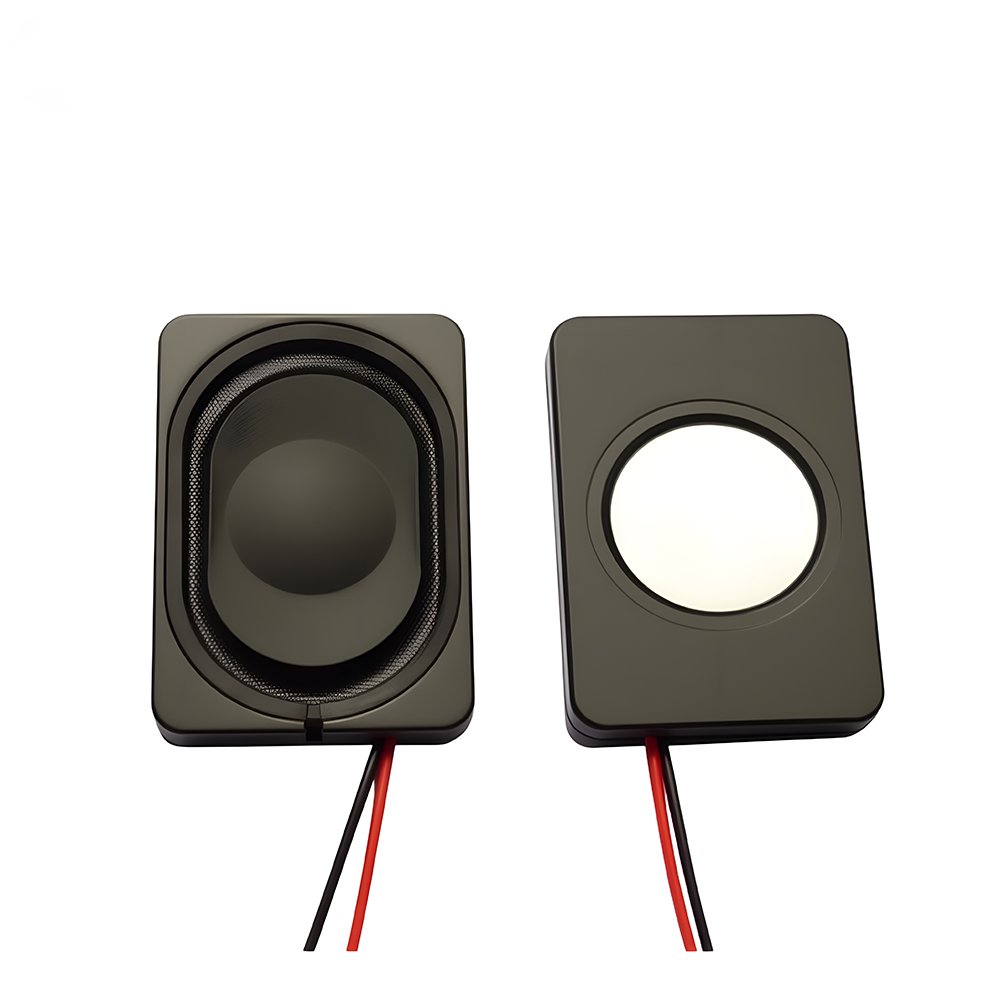
The Heart of the Sound: Driver Units and Their Technology
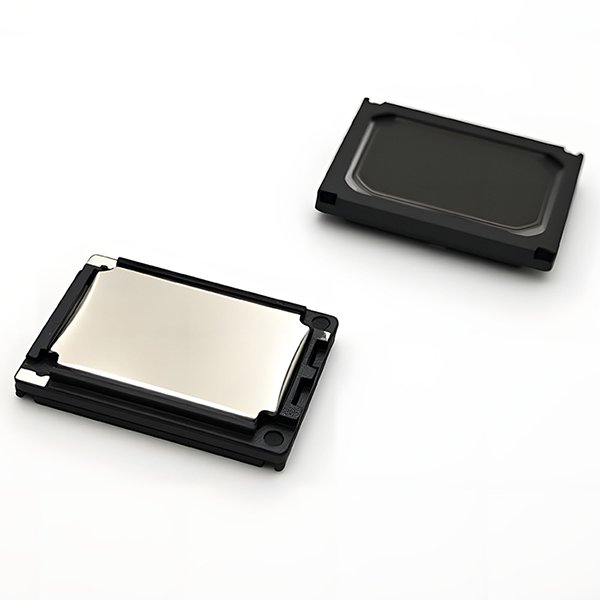
The drivers are the transducers that actually move air to create sound waves. A typical speaker system uses multiple drivers, each specialized for a specific frequency range.
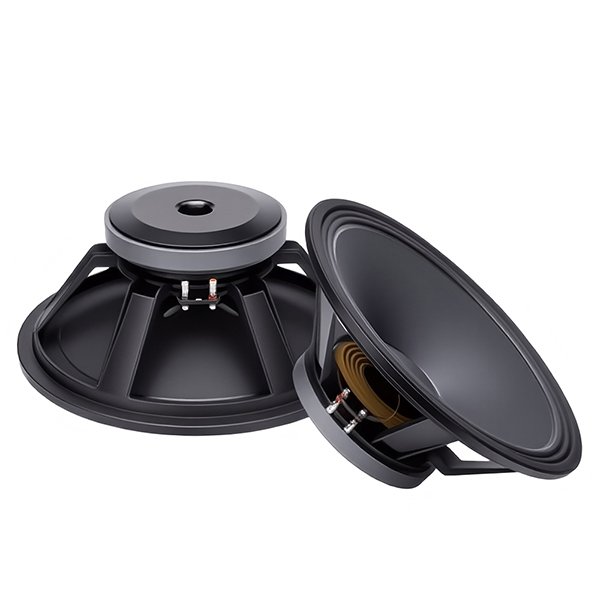
Tweeters handle the high frequencies (typically from around 2,000 Hz to 20,000 Hz and beyond). Their design prioritizes speed and precision. Common types include:
- Dome Tweeters: Utilizing a fabric (silk, polyester), soft polymer, or metal (aluminum, beryllium) dome attached to a voice coil. Soft domes offer smooth sound, while metal domes provide greater detail and extension but risk being harsh if poorly designed.
- Ribbon and AMT (Air Motion Transformer) Tweeters: These use a pleated diaphragm in a magnetic field, offering exceptional speed and low distortion due to their large radiating surface and lightweight design.
Midrange Drivers are responsible for the critical vocal and fundamental instrument range (approx. 300 Hz – 5,000 Hz). Accuracy here is paramount for natural tonality. They often use cones made from treated paper pulp, polypropylene, or woven composites, seeking an ideal balance of stiffness, low mass, and internal damping to avoid “coloring” the sound.
Woofers reproduce the low frequencies (from about 40 Hz to 1,000 Hz). Their challenge is to move large volumes of air efficiently. Key factors include:
- Cone Material: Stiff yet lightweight materials like aluminum, carbon fiber, or advanced composites prevent flexing and distortion at high excursions.
- Motor System: A powerful magnet structure (often using neodymium for higher strength-to-size ratios) and a large, linear voice coil ensure control and authority over the cone’s movement.
- Suspension: The surround (outer edge) and spider (center) must allow for long, linear travel while precisely centering the voice coil.
Subwoofers (often separate) specialize in the deepest bass (20 Hz to 120 Hz). They demand extremely robust construction, with very large cones, massive motor systems, and often high-power built-in amplification.
Recent Trend (2023-2024): There is a significant shift towards the use of Boron, Graphene, and Nano-Cellulose composites in diaphragms. These materials offer unprecedented stiffness-to-weight ratios, pushing breakup modes (where the cone distorts) far beyond the audible range, resulting in cleaner, more detailed sound.
Table: Common Driver Diaphragm Materials and Their Characteristics
| 材料 | Typical Use | Key Characteristics | Sonic Tendency |
| :— | :— | :— | :— |
| Treated Paper Pulp | Midrange, Woofers | Natural damping, cost-effective, moderate weight | Warm, natural, smooth |
| Polypropylene | Midrange, Woofers | Good damping, moisture resistant, consistent | Neutral, forgiving, sometimes limited detail |
| Aluminum/Magnesium | Tweeters, Woofers | Very stiff, lightweight, can exhibit resonances | Detailed, precise, potential for brightness |
| Beryllium | Tweeters, High-End Woofers | Extremely stiff & light, expensive, toxic to machine | Exceptional detail, speed, and extension |
| Kevlar/Carbon Fiber | Woofers, Midrange | High stiffness, strong, distinctive visual pattern | Fast, articulate, controlled |
| Graphene Composite | All Drivers (Emerging) | Exceptional stiffness & damping, very lightweight | Highly detailed, low distortion, transparent |
The Neural Network: Crossover Networks and Internal Wiring
The crossover network is the brain that directs the appropriate frequency ranges to each driver. In a passive speaker (the most common hi-fi type), this is a network of capacitors, inductors, and resistors placed inside the cabinet.
- Capacitors block low frequencies and pass high frequencies. High-quality film capacitors (e.g., polypropylene) are preferred for their low signal loss and non-linear characteristics over cheaper electrolytic types.
- Inductors (coils) do the opposite, passing lows and blocking highs. Their core material (air, iron, or ferrite) affects efficiency and potential saturation-induced distortion.
- Resistors attenuate the signal to balance driver output levels.
A well-designed crossover ensures seamless acoustic blending between drivers (so you hear one coherent speaker, not separate sources), protects drivers from frequencies that could damage them, and corrects for phase irregularities. First-order (6dB/octave), second-order (12dB/octave), and fourth-order (24dB/octave) slopes offer different trade-offs between crossover simplicity, driver protection, and phase coherence.
Internal wiring そして connectors are often overlooked but vital. High-purity, oxygen-free copper (OFC) wiring with appropriate gauge minimizes resistance and signal loss. Quality binding posts or terminal plates ensure a secure, low-resistance connection to your amplifier.
The Foundation: Enclosure Design and Damping
The cabinet is far more than a housing; it is an acoustic component. Its primary job is to prevent the sound waves from the rear of the driver from canceling out the waves from the front (which is especially critical for bass frequencies).
Enclosure Types:
- Sealed (Acoustic Suspension): Airtight box. Provides tight, accurate, and well-controlled bass with good transient response. Less efficient, requires more amplifier power.
- Ported (Bass Reflex): Uses a tuned port (tube) to reinforce low-frequency output. Increases efficiency and extends bass reach but can make bass less precise than a well-designed sealed box.
- Passive Radiator: Similar to ported but uses a passive, unpowered driver instead of a port. Offers port benefits without potential air turbulence noise.
- Transmission Line: A long, damped pathway within the cabinet for rear driver energy. Aims to produce very deep, clean bass but is complex and large.
Construction and Materials: To avoid coloration, the cabinet must be as inert as possible. High-Density Fiberboard (HDF) または Medium-Density Fiberboard (MDF) are standards due to their density and lack of resonant grain. High-end designs use laminated panels, constrained-layer damping (viscoelastic materials between rigid layers), or advanced composites like Aluminum-Sandwich panels. Internal bracing (lattice, matrix, or pillar braces) is critical to break up panel resonances.
Damping Materials: Acoustic absorbent materials like fiberglass, wool, or synthetic foams are placed inside to damp standing waves within the cabinet and absorb the rear radiation from drivers, preventing internal reflections that muddy the sound.
The Interface: Terminals, Spikes, and Finishes
Terminal Panel: Robust, high-quality binding posts that accept bare wire, spade lugs, or banana plugs are essential. Bi-wiring または bi-amping terminals, with separate posts for highs and lows, allow for more advanced system configurations by separating the crossover networks.
Spikes and Feet: These decouple the speaker from the floor, preventing energy loss and blurring of bass. They also allow for precise leveling to ensure proper driver alignment relative to the listener.
Finish: Beyond aesthetics, the finish (real wood veneer, high-quality piano lacquer, automotive-grade paint) can involve many layers of sealing, sanding, and polishing. A premium finish protects the cabinet and is a sign of overall build quality and pride in craftsmanship.
Industry Insight: The integration of DSP (Digital Signal Processing) そして amplification is a major trend in “active” high-fidelity speakers. Companies like KEF, Genelec, and Dutch & Dutch are leading with designs where the crossover is handled digitally, and each driver is powered by a dedicated, perfectly matched amplifier. This allows for unprecedented control over parameters like phase, timing, and EQ, often including room correction to adapt the speaker to its environment.
Professional Q&A on High-Fidelity Speaker Components
Q: How important is cabinet material compared to driver quality?
A: They are interdependent. A poorly constructed cabinet will resonate and color the sound, negating the benefits of even the finest drivers. Think of the cabinet as the foundation of a house—no matter how beautiful the furnishings (drivers), a weak foundation ruins everything. Modern high-end design treats the cabinet as a critical, non-resonant platform.
Q: What does “crossover slope” mean, and why does it matter?
A: The crossover slope defines how abruptly the signal is cut off to a driver beyond its designed range. A steeper slope (e.g., 24dB/octave) offers better driver protection and can make blending drivers easier but is more complex and can introduce phase issues. A gentler slope (6dB/octave) is simpler and can offer superb phase coherence but demands more from the drivers. The choice is a core part of the speaker designer’s voicing philosophy.
Q: With the rise of active speakers with DSP, are passive crossovers becoming obsolete?
A: Not obsolete, but the landscape is shifting. Passive crossovers are the hallmark of traditional hi-fi, offering simplicity and amplifier choice. Active DSP-based crossovers offer superior precision, integration, and room adaptation capabilities, representing the cutting edge of “solved” reproduction. Both have merit; passive designs represent the art of analog optimization, while active designs leverage digital tools for ultimate performance. The high-end market currently supports both vigorously.
Q: What single component upgrade typically makes the most audible difference in a speaker system?
A: While system synergy is key, upgrading the loudspeakers themselves usually yields the most dramatic improvement. They are the greatest source of distortion and coloration in the chain. However, within a given speaker, the quality of the crossover components and the integrity of the cabinet construction are often more fundamentally determinative of performance than simply swapping in a more exotic driver. A well-executed basic driver in a superb cabinet with a meticulous crossover will outperform an exotic driver in a poor system.