
中核となる違いの理解:スピーカー生産におけるOEMとODMの真の意味
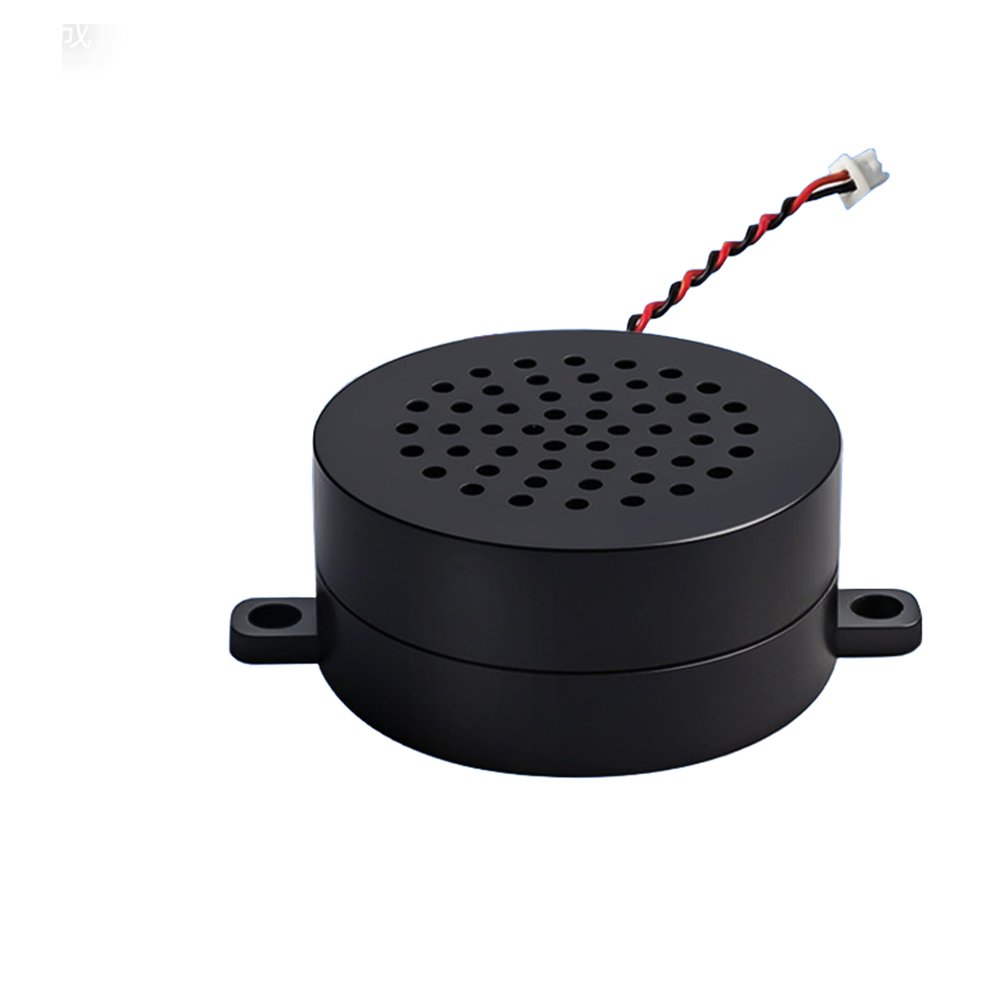
競争の激しいオーディオ機器業界では、Original Equipment Manufacturing(OEM)とOriginal Design Manufacturing(ODM)という2つの製造モデルが主流です。スピーカーを市場に投入しようとするブランドにとって、この違いを理解することは単なる専門用語の知識ではなく、ビジネス戦略の根幹を成します。. OEM製造 は、ブランドが工場に詳細な仕様と設計図を提供し、工場がその設計図通りにスピーカーを正確に製造する方式です。工場は本質的に、ブランドの製造部門として機能します。一方、, ODM製造 は、工場が設計と製造の両方のサービスを提供し、ブランドが自社ブランドとして販売できる「既製の」またはカスタマイズ可能な既存設計を提供します。.
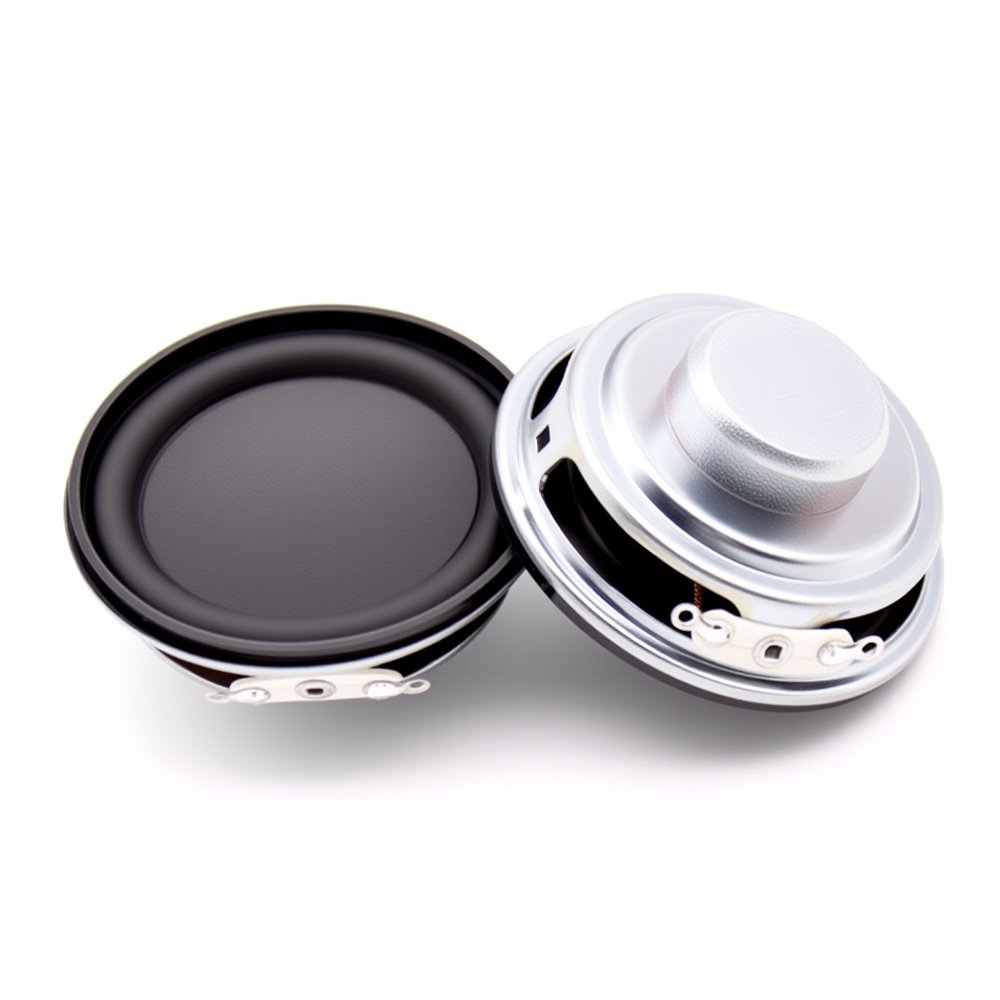
世界のオーディオ機器市場は、2023年に約 1兆4,120億円, と評価され、これらのモデルに大きく依存しており、アジア太平洋地域が製造の最大シェアを占めています。OEMとODMの選択は、ブランドのアイデンティティやコスト構造から、市場投入までのスピードや技術革新に至るまで、あらゆる要素に影響を及ぼします。BoseやSonosのようなブランドは、独自技術を厳格に管理する深いOEM関係を築く一方、多くの成功したスタートアップや価格重視のブランドは、ODMプラットフォームを活用して実績のある設計で迅速に市場に参入しています。.
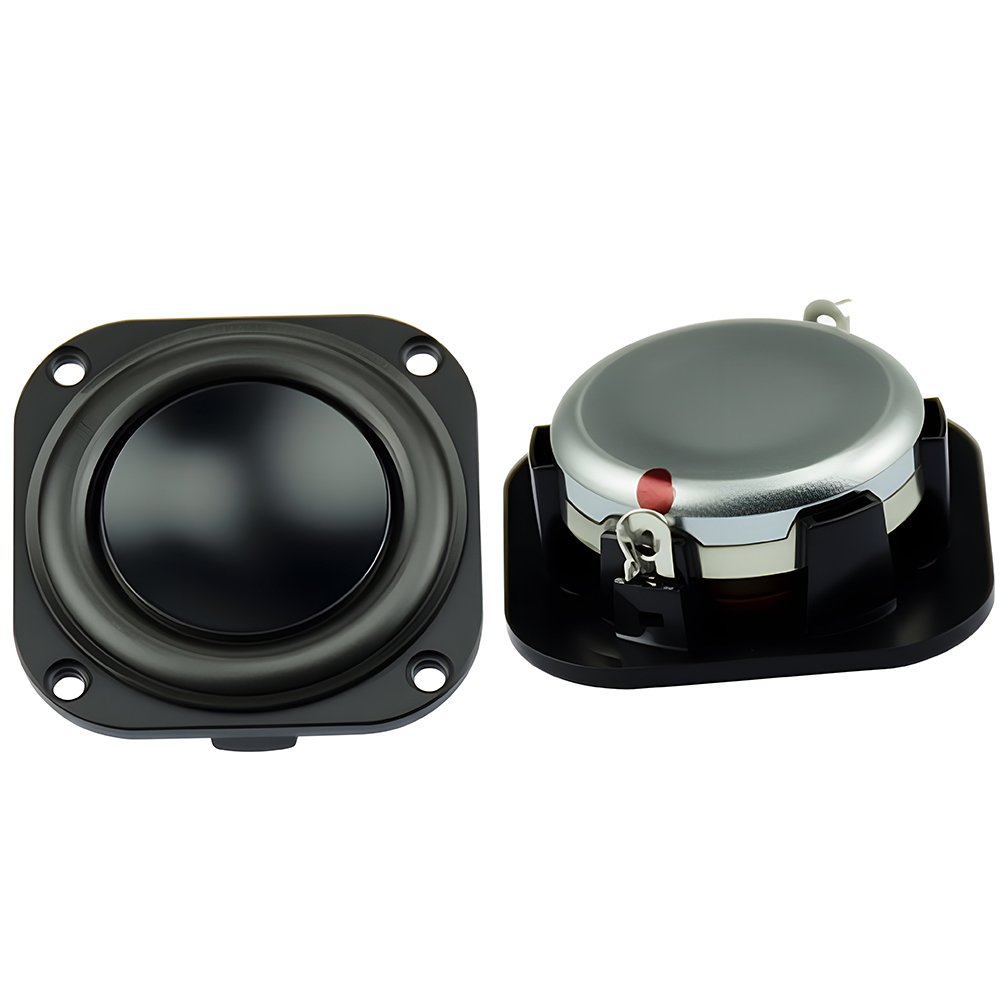
OEMスピーカー製造プロセス:設計図から完成品まで
OEMの道を選ぶということは、あなたが製品の設計者となることを意味します。プロセスは、ブランドの 研究開発(R&D) チームがスピーカーの音響特性、美的形状、ユーザーインターフェース、内部電子機器を設計することから始まります。これには、ドライバー(ウーファー、ツイーター)、クロスオーバーネットワーク、アンプモジュール、キャビネット素材、仕上げに関する詳細な仕様が含まれます。.
設計が確定したら、ブランドはそれらを実行する専門知識と設備を備えた製造パートナーを選定します。これには、品質管理基準、生産能力、倫理的コンプライアンスに関する厳格な 工場監査 が含まれます。その後、OEMパートナーは、あなたの厳格な 部品表(BOM). 仕様に従って、振動板用の特殊なマイラーや高級ネオジム磁石などのコンポーネントを調達します。生産ライン全体があなたの独自仕様に合わせて設定され、試作、テスト、そして最終的に量産へと進みます。ここでの主な利点は、 知的財産と製品差別化に対する絶対的な管理 ですが、研究開発とプロジェクト管理への多額の先行投資が必要です。.
ODMスピーカー製造モデル:既存設計と専門知識の活用
ODMモデルは根本的に異なります。ODMメーカーは、市場でテストされ、生産効率が最適化された、完全に設計済みのスピーカー設計のライブラリを保有しています。ブランドは、ポータブルBluetoothスピーカーからマルチドライバーのブックシェルフユニットに至るまで、これらの「カタログ」オプションを閲覧し、自社ブランドとして販売するモデルを選択します。.
このプロセスは著しく迅速であり、必要な資本も少なくて済みます。ODMパートナーと協力して、 カスタマイズ, (いわゆる「ホワイトラベリング」)を行うことができます。これには通常、グリル生地の変更、ロゴの適用、仕上げの選択、場合によってはEQプリセットの調整などの軽微な機能変更といった外観上の変更が含まれます。中核となる音響設計、回路基板レイアウト、金型は既に存在します。このモデルにより、 市場投入までの時間, が大幅に短縮され、OEMプロジェクトで一般的な12~24か月と比較して、多くの場合3~6か月での製品投入が可能になります。これは、大規模な研究開発予算をかけずに、製品ラインのギャップを迅速に埋めたり、新しいカテゴリーに参入しようとするブランドにとって理想的なソリューションです。.
比較分析:ブランドにとっての重要な意思決定要因
OEMとODMの選択は、いくつかの戦略的要因に依存します。以下の表は、意思決定プロセスを導くための重要な違いを示しています。.
| Decision Factor | OEM製造 | ODM製造 |
|---|---|---|
| 設計管理と知的財産 | 完全な所有権と管理権。ブランドがすべての知的財産権を保持します。. | 知的財産の所有権は限定的または皆無。設計は工場が所有し、複数のブランドに販売される可能性があります。. |
| 先行コストと投資 | 非常に高い(研究開発、試作、カスタム金型)。. | 比較的低い(主にカスタマイズ費用と金型費用)。. |
| 最小発注数量(MOQ) | カスタム生産体制を正当化するために、より高い最小発注数量(MOQ)が必要。. | 一般的に、より低く柔軟な最小発注数量(MOQ)。. |
| 市場投入までの期間 | 長い(全開発サイクルに12~24か月)。. | 短い(カスタマイズと生産に3~8か月)。. |
| 製品の独自性 | 完全に独自性があり差別化された製品。革新の可能性が高い。. | 差別化は限定的。類似製品が他ブランドからも登場する可能性があります。. |
| 必要な技術的専門知識 | 社内に音響および電気工学のチームが必要。. | 最小限の技術的専門知識で済み、工場のノウハウを活用。. |
| 主なビジネス目標 | 革新と独自のブランドアイデンティティによる市場リーダーシップ。. | 迅速な市場参入、コスト効率、ライフサイクル管理。. |
2023年から2024年の市場データ は以下の傾向を示しています:確立されたブランドやプレミアムセグメント(1台あたり300ドル以上)で競合する企業はOEMを強く好む一方、ミッドレンジのワイヤレスおよびスマートスピーカーセグメントにおける爆発的な成長は、主にODMモデルによって牽引されています。これにより、ブランドは以下のようなトレンドに迅速に対応できます: 強化されたAI音声アシスタントの統合 または 更新されたBluetoothコーデックのサポート (例:LE Audio)をODMプラットフォームを活用して実現。.
戦略的推奨事項:成功への適切な道筋の選択
意思決定は、ブランドの長期的なビジョンとリソースに沿ったものであるべきです。. 以下の場合、OEMを選択してください: 中核となる価値提案が独自技術(例:新しいドライバー設計やルーム補正ソフトウェア)に基づいている場合、研究開発に十分な資金がある場合、そして明確で防御可能な市場ポジションの構築を目指す場合。これはブランド価値のための長期的な戦略です。.
以下の場合、ODMを選択してください: 市場をテストする新規参入者である場合、トレンドを迅速に活用する必要がある場合、強みがエンジニアリングではなくマーケティングと流通にある場合、またはすべてのコンポーネントを設計するオーバーヘッドなしに完全な製品ポートフォリオを提供する必要がある場合。多くの成功したブランドは、 ハイブリッドアプローチを採用しています:アクセサリーやエントリーレベルのラインにはODMを、フラッグシップでブランドを定義する製品にはOEMをそれぞれ使用します。.
どの道を選んでも、, 製造パートナーに対するデューデリジェンスは不可欠です. 。工場を訪問し、品質管理ラボを監査し、認証(ISO 9001など)を確認し、他のクライアントと話し合ってください。今日の市場では、倫理的なサプライチェーンと持続可能な素材の確保も、ブランドと製造業者の関係の一部としてますます重要になっています。.
OEMおよびODMスピーカー製造に関する専門的なQ&A
Q1: ODMスピーカーの設計を変更して、自社ブランド向けによりユニークにすることは可能ですか?
はい、ある程度可能です。これは「ODM+」またはカスタムODMと呼ばれることがよくあります。一般的な変更には、カスタムカラーウェイと仕上げ、ブランド化されたUI要素、特定のパッケージング、および事前承認されたリストからのコンポーネント選択(例:標準ドライバーからPeerlessやTymphanyなどのブランドドライバーへのアップグレード)が含まれます。ただし、音響アーキテクチャやキャビネット金型への根本的な変更は、通常OEMの領域に該当し、多大なコストが発生します。.
Q2: 各モデルにおける品質保証と認証の責任は誰にありますか?
OEMの場合 OEM, 、最終的な責任はブランドにあります。QA基準を設定し、自社チームまたは委託された第三者が工場の出力を監査する必要があります。認証(FCC、CE、UL)は通常、ブランドが管理し費用を負担しますが、工場は試験を支援します。ODMの場合 ODM, 、工場はベースモデルに対して既存の認証を保持していることが多く、これがブランド版をカバーする場合があります。ただし、ブランドは依然として品質に関する独自のデューデリジェンスを実施する必要があります。工場の標準的なQAプロセスが適用されるためです。.
Q3: スマートスピーカーとIoTの台頭は、OEM/ODMの選択にどのような影響を与えますか?
複雑さが増します。スマートスピーカーには、組み込みソフトウェア、クラウドサービス、および音声プラットフォームとのパートナーシップ(Amazon Alexa、Google Assistant)が含まれます。OEMの場合 OEM, 、これらを独自の設計に統合する必要があり、これは大きな課題です。ODMの場合 ODM, 、多くの工場が事前認証済みモジュールを備えた「スマートスピーカープラットフォーム」を提供しており、統合が簡素化されます。2024年のトレンドでは、ODM工場が内蔵の遠距離マイクと事前交渉済みライセンス契約を備えたターンキーソリューションを提供することが増えており、小規模ブランドでもスマート機能をより利用しやすくなっています。.
Q4: 各モデルで見落としがちな隠れたコストは何ですか?
小売業者および OEMOEMの場合:開発中の設計変更指示(ECO)、特殊な試験装置のコスト、工場管理のための国際的な出張費、および継続的なファームウェア/ソフトウェアのメンテナンス。ODMの場合 ODM:製品差別化の低さによるユニットあたりの利益率の低下、同じ設計が他社で見られる場合の「ブランド希釈」の可能性、および製品タイプごとに新しいODMパートナーを認定するためのコスト。.
Q5: ODMにおける知的財産(IP)のセキュリティは実際に懸念事項ですか?
これは正当な考慮事項です。評判の良いODM工場は、契約上、あなたのブランド版 を他社に販売しないことに同意します。ただし、基礎となる汎用設計は工場の資産です。ほぼ同一の製品が別のブランドで登場するリスクは、ODMモデルに内在しています。これを軽減するために、一部のブランドは深いカスタマイズを追求したり、複製できない独自のソフトウェア層を追加したりします。設計の所有権、機密性、および独占条件を明確に定義した契約書と常に連携してください。 version to others. However, the underlying generic design is their asset. The risk of a nearly identical product appearing under a different brand is inherent to the ODM model. To mitigate this, some brands pursue deep customization or add a proprietary software layer that cannot be replicated. Always work with a contract that clearly defines design ownership, confidentiality, and exclusivity terms.