What Materials Are Best for High Audio Frequency Drivers?

目次

High-frequency drivers, commonly known as tweeters, are critical components in any loudspeaker system. They are responsible for reproducing the upper end of the audible spectrum—typically from around 2 kHz to 20 kHz and beyond. The choice of material for the diaphragm (or dome) of a high-frequency driver is one of the most consequential design decisions, directly impacting sound quality, efficiency, durability, and cost. This article explores the leading materials used in modern tweeter construction, analyzing their acoustic properties, trade-offs, and applications in today’s audio landscape.

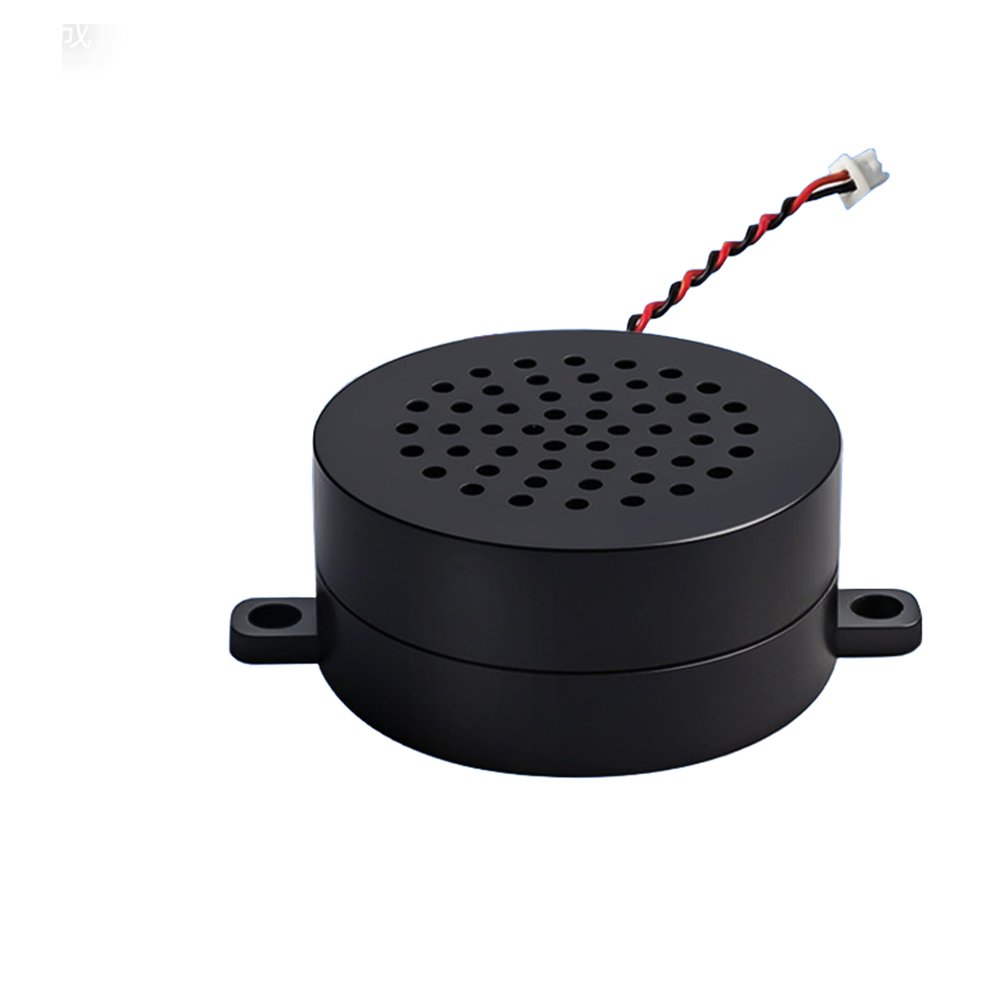
Assembled plastic speaker

The Science of Material Selection: Key Physical Properties

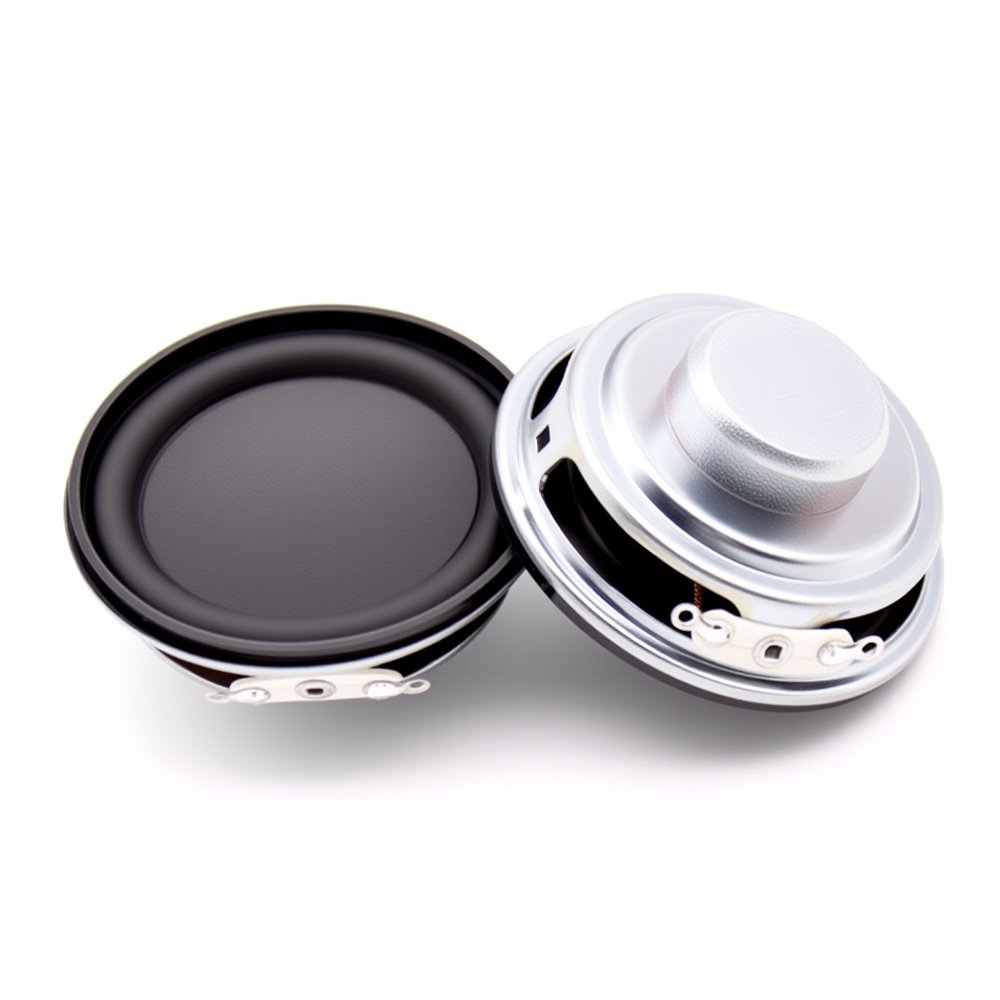
40mm 8ohm 3w audio speaker

The performance of a tweeter diaphragm is governed by several fundamental physical properties of the material from which it is made. The ideal material seeks an optimal, and often elusive, balance between these characteristics.

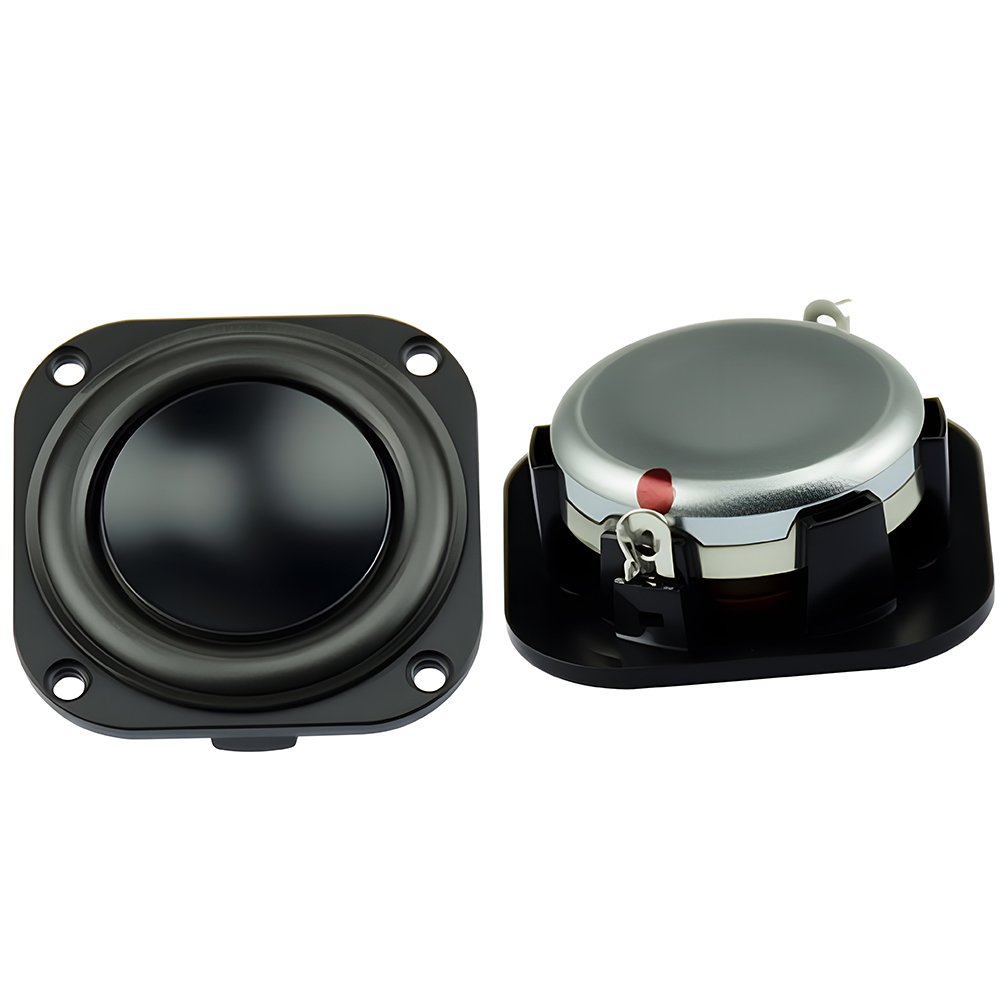
28x28mm 4ohm 3w loudspeaker square

First is stiffness (or Young’s Modulus). A stiffer diaphragm resists deformation better, which helps maintain pistonic motion—where the entire dome moves in and out as a perfect piston—to a higher frequency. This extends the driver’s usable frequency range before “breakup modes” occur, where parts of the diaphragm resonate independently, causing severe distortion. Second is low density. A lighter diaphragm requires less energy to accelerate, resulting in higher sensitivity (efficiency) and better transient response—the ability to start and stop instantly to accurately reproduce sharp, sudden sounds. Third is internal damping. A material with good self-damping absorbs unwanted resonant energy within the diaphragm itself, smoothing out frequency response and reducing coloration. Finally, cost, manufacturability, and environmental stability are practical considerations that bring the ideal into the realm of the possible.

No single material excels in all areas. Thus, the evolution of tweeter domes is a story of engineering compromises and innovative solutions to push these boundaries.

Traditional Champions: Soft Domes and Hard Domes

The tweeter world has long been divided into two primary camps: soft domes and hard domes, each with a distinct sonic signature rooted in its material properties.

Soft Domes are typically made from woven textiles like silk, or synthetic polymers such as polyester, polyamide, or phenolic-impregnated fabric. Their key advantage is inherent damping. The compliant, lossy nature of these materials effectively suppresses breakup resonances, resulting in a smooth, natural roll-off at the high-frequency limit. This often translates to a subjectively “smooth,” “warm,” or “forgiving” sound character that is less fatiguing over long listening sessions. Soft domes, especially silk, have been prized for their musicality for decades. However, their lower stiffness limits their pistonic range and ultimate high-frequency extension compared to harder materials. They can also be more susceptible to damage from moisture or physical poke.

Hard Domes are fabricated from metals like aluminum, titanium, or magnesium, or from ceramics. Their primary strength is exceptional stiffness-to-weight ratio. This allows them to maintain pistonic motion to very high frequencies, yielding superb detail, “sparkle,” and extended high-end response. Their breakup modes, when they do occur, tend to be more abrupt and pronounced than with soft domes. Without careful engineering—including precise dome geometry, behind-the-dome damping treatments, or advanced motor system control—these resonances can lead to a harsh, “metallic,” or “glaring” sonic coloration. Modern hard-dome tweeters often employ sophisticated breakup management to deliver their clarity without the associated brightness.

Table 1: Comparison of Common Tweeter Dome Materials
| Material | Typical Density (kg/m³) | Stiffness | Damping | Sonic Character | Common Use |
| :— | :— | :— | :— | :— | :— |
| Silk/Polyester | Low | Low | High | Smooth, Warm | Hi-Fi, Studio Monitors |
| アルミニウム | Medium | High | Low | Detailed, Crisp | Wide Range: Consumer to Pro |
| Titanium | Medium-High | Very High | Very Low | Sharp, Extended | High-Performance Audio, Pro |
| Magnesium | Low | High | Low | Fast, Clear | High-End Hi-Fi |
| Ceramic | High | Extremely High | Medium | Detailed, Neutral | Ultra High-End |
| Beryllium | Very Low | Exceptionally High | Low | Ultra-Fast, Resolving | Flagship High-End |

Advanced and Composite Materials: Engineering the Ideal

To transcend the limitations of traditional materials, audio engineers have developed advanced composites and hybrid structures. These aim to combine the best properties—like the stiffness of a metal with the damping of a polymer—into a single diaphragm.

One prominent example is the beryllium dome. Beryllium possesses an almost ideal combination of extremely low density and exceptionally high stiffness, offering breakup frequencies well beyond the audible range. This results in astonishingly fast transient response and a clean, uncolored output. However, beryllium is toxic in raw form, requires expensive and complex vapor deposition manufacturing processes, and is consequently found only in flagship, cost-no-object loudspeakers and compression drivers.

More accessible are sandwich composites. These may pair a thin aluminum skin with a dampening phenolic resin core, or a carbon fiber layer with a foam or honeycomb interior. The goal is to increase rigidity while adding constrained-layer damping. Diamond-coated domes take a different approach, applying an ultra-hard, ultra-stiff layer of chemical vapor deposition (CVD) diamond to a substrate like aluminum or titanium, pushing resonance frequencies phenomenally high.

Another innovative path is the use of prepress like polyimide or PEI (e.g., Ultem). These high-temperature thermoplastics can be molded into complex shapes with integrated damping, offering excellent performance at a moderate cost. They represent a significant area of growth, especially in automotive and premium consumer audio.

Real-World Implementation & Industry Trends in 2024

The theoretical best material means little without practical implementation. In 2024, the trend is toward material-specific system optimization. A manufacturer doesn’t just choose a material; they design the entire tweeter—from the voice coil and motor structure to the rear chamber and wave-guide—around that material’s characteristics.

For instance, a company using a rigid ceramic dome will likely implement a Finite Element Analysis (FEA)-optimized faceplate and a carefully tuned rear damping chamber to manage energy. Brands utilizing soft domes are now often pairing them with stronger neodymium magnet systems and cooled voice coils to handle more power and improve dynamics, closing a traditional performance gap.

Data from industry leaders like Klippel GmbH and the Audio Engineering Society (AES) in 2023-2024 underscores this. Modern high-end tweeters, regardless of base material, are showing lower Total Harmonic Distortion (THD) figures—often below 0.5% in their operating band—and more linear impedance curves thanks to better motor control. The choice of material is increasingly about defining a targeted sonic signature within a framework of universally high objective performance.

Sustainability is also becoming a factor. Research into bio-based polymers and more efficient recycling processes for magnets and composites is ongoing, as the audio industry aligns with broader environmental, social, and governance (ESG) goals.

The Listener’s Choice: Context is Everything

So, which material is objectively “best”? The answer is context-dependent. In a critical listening studio monitor, accuracy is paramount. A well-engineered soft dome or a meticulously controlled hard dome might be chosen for its neutral translation. For a home theater system, a hard dome with extended response might better reproduce the crisp detail of sound effects. In a high-end audiophile system, the sought-after “air” and micro-detail might lead to a beryllium or advanced composite driver.

The amplifier pairing matters greatly. A revealing, low-damping-factor amplifier might exaggerate the resonant peaks of a poorly integrated metal dome, while a soft dome’s forgiving nature could be a better match. Ultimately, the magic lies in the system synergy—the seamless integration of the tweeter with the midrange driver and the overall speaker design. A masterfully executed design using a “conventional” material can easily outperform a poorly implemented one with an “exotic” diaphragm.

The pursuit of the perfect high-frequency transducer continues to drive innovation in material science and acoustic engineering. As we look forward, developments in nano-materials, meta-materials, and active-damping technologies promise to further blur the lines between these traditional categories, offering ever-greater fidelity in reproducing the sparkle and brilliance of sound.


専門家によるQ&A

Q: Is a beryllium tweeter always better than a silk dome tweeter?
A: Not necessarily. “Better” is subjective and system-dependent. Beryllium offers superior stiffness and speed, often yielding more detail and extension. However, a perfectly implemented silk dome can provide a more relaxed, natural tonal balance that many listeners prefer for long-term musical enjoyment. The quality of the entire tweeter design and system integration is more important than the material alone.

Q: Why do some high-end speakers still use soft dome tweeters if hard domes are stiffer?
A: Stiffness is not the only criterion. The high internal damping of soft domes provides a inherently smooth roll-off without sharp resonances, which many engineers and listeners equate with musical accuracy and low listening fatigue. It represents a different, equally valid philosophical approach to achieving accurate sound reproduction.

Q: What does “diamond tweeter” actually mean?
A: Typically, it refers to a tweeter where a layer of synthetic diamond is deposited via Chemical Vapor Deposition (CVD) onto a substrate dome (often aluminum or titanium). Diamond is the hardest known material, giving the dome extraordinary stiffness. This raises breakup modes to extremely high, inaudible frequencies, aiming for pristine reproduction within the audible band.

Q: How important is the magnet structure behind the diaphragm material?
A: Crucially important. The motor system (magnet, voice coil, and gap) determines control, power handling, and linearity. A poorly designed motor will cause distortion regardless of how perfect the diaphragm material is. Advanced technologies like symmetric drive magnets, copper caps, and underhung voice coils are essential for getting the most out of any modern diaphragm material.

Q: Are there any new materials on the horizon for tweeter diaphragms?
A: Research is active in areas like graphene composites (for strength and lightness), advanced aerogels, and bio-derived crystalline polymers. Furthermore, the use of 3D printing and computational topology optimization allows for creating diaphragms with complex, variable-thickness geometries that were previously impossible to manufacture, potentially making the material itself part of a larger optimized structure.

素晴らしい!共有先: