Guide to Importing IPX7 Waterproof Speakers for Marine Use

目次

Understanding the Market Demand and Product Specifications

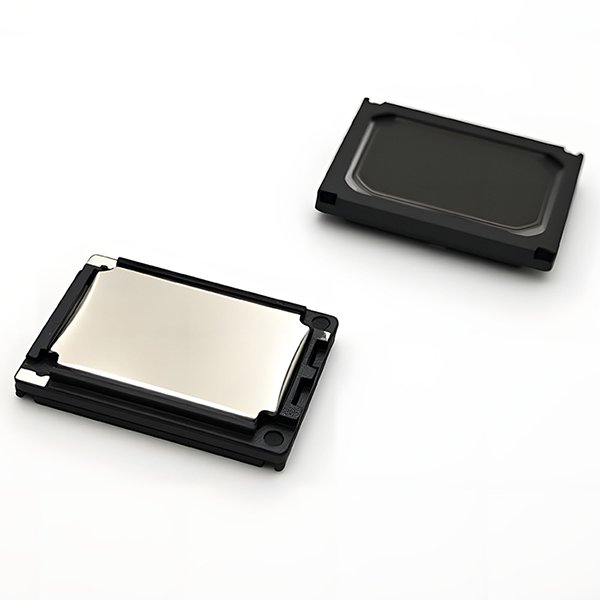
18x13 internal speaker 8ohm 0.8w

The global marine audio equipment market is experiencing a significant surge, driven by the growing popularity of recreational boating, yacht ownership, and commercial maritime activities. Recent industry reports (2024) indicate a projected market growth of 6.8% CAGR over the next five years, with waterproof speakers representing a substantial segment. For importers, distributors, and marine equipment retailers, sourcing reliable IPX7 waterproof speakers presents a lucrative opportunity, but it requires a deep understanding of both the product and the unique demands of the marine environment.

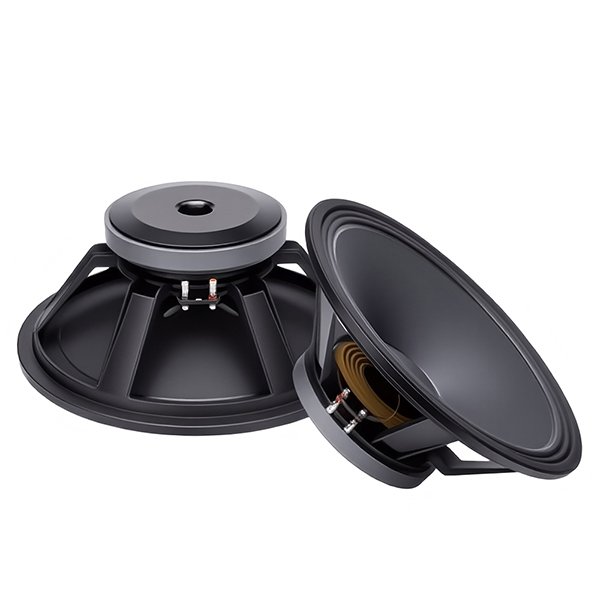
12インチの高品質スピーカー

IPX7 certification is the cornerstone of this product category. It signifies that a speaker can withstand immersion in up to 1 meter of freshwater for 30 minutes without damage. However, for true marine use, this is merely the starting point. The marine environment is brutally corrosive, combining constant exposure to salt spray, UV radiation, temperature extremes, and physical vibration. Therefore, the best speakers for this application boast additional engineering: 316-grade stainless steel or marine-grade polymer housings, UV-resistant coatings, and passive radiators for enhanced bass response without compromising the seal. Key specifications to scrutinize include power handling (RMS and peak), sensitivity (dB), frequency response, and the type of connectivity (Bluetooth 5.3 with extended range is now the industry standard, with multipoint pairing becoming essential). Drivers should be made from materials like polypropylene or titanium that resist humidity-induced degradation.

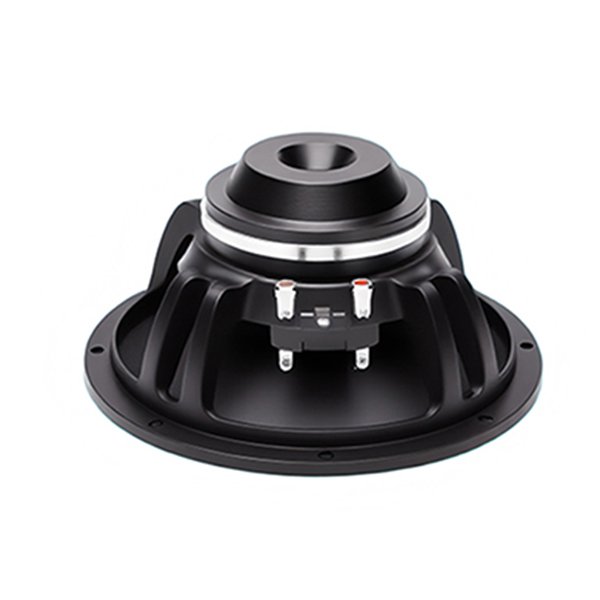
10インチカーオーディオスピーカー

Navigating the Import Process: Logistics, Compliance, and Certification

Importing electronics, especially those destined for vehicles (including vessels), involves a complex web of regulations. A successful import strategy hinges on thorough due diligence. First, identify reputable manufacturers, predominantly located in China (Shenzhen, Dongguan), Southeast Asia, and increasingly, Eastern Europe. Vetting suppliers through platforms like Alibaba is a start, but nothing replaces factory audits, either in-person or via third-party inspection services like SGS or Bureau Veritas, to verify manufacturing capabilities, quality control processes, and working conditions.

Compliance is non-negotiable. Depending on your target market, speakers must adhere to specific electromagnetic compatibility (EMC) standards to prevent interference with marine navigation equipment. In the United States, FCC Part 15 and Part 80 (for marine radio equipment) may be relevant. The European Union requires CE marking, encompassing EMC and RoHS (Restriction of Hazardous Substances) directives. For true marine safety equipment integration, speakers may need certification from classification societies like DNV or ABS. Always request full test reports and certificates from the supplier. Furthermore, proper harmonized system (HS) codes must be used for customs declaration—typically falling under 8518.29 or 8518.50 for loudspeakers. Incorrect coding can lead to delays, seizures, or incorrect duty application. Partnering with a freight forwarder and customs broker experienced in consumer electronics is highly recommended to manage duties, taxes (like import VAT), and the necessary documentation (commercial invoice, packing list, bill of lading, certificate of origin).

Installation Considerations and System Integration for Marine Environments

Selling the speaker is only half the battle; ensuring it performs in the field is critical for brand reputation. Marine installation is a specialty. Guides provided to customers or installers must emphasize the use of marine-grade wiring (tinned copper to resist corrosion), waterproof heat-shrink connectors, and strategic placement. Speakers should be mounted in locations that minimize direct exposure to the heaviest wash-down areas while optimizing acoustic performance. For larger vessels, integrating speakers with marine-grade head units, amplifiers, and multizone controllers is common. Compatibility and communication protocols (e.g., NMEA 2000 for data networking on boats) can be a value-added selling point.

The rise of digital signal processing (DSP) is a key trend. High-end marine speakers are increasingly part of systems that use DSP to tune audio output to the specific, challenging acoustic environment of a boat—counteracting engine noise, wind, and the reflective surfaces of fiberglass and water. Importers should consider offering bundled solutions or partnerships with amplifier/DSP manufacturers to provide complete, high-fidelity audio packages.

Cost Analysis, Pricing Strategy, and Supplier Negotiation

A detailed cost breakdown is essential for profitability. The Landed Cost—the total price of the product once it arrives at your warehouse—includes:

  • Unit Cost: Negotiated with the manufacturer.
  • Shipping & Logistics: Ocean freight (container or LCL), insurance, inland freight.
  • Duties & Taxes: Calculated based on HS code and country of import.
  • Compliance & Testing: Costs for necessary certifications.
  • Warehousing & Distribution: Storage and fulfillment costs.

Consider the following comparative analysis for a mid-range 6.5-inch coaxial IPX7 marine speaker unit:

Feature TierEntry-LevelMid-Range (Recommended)High-End Premium
Avg. FOB Cost (per pair)$25 – $40$65 – $120$200 – $400+
Enclosure MaterialBasic ABS PlasticMarine-Grade Polymer / Stainless Steel GrillesSolid Stainless / Bronze
Driver TechnologyPaper Cone, Simple Ferrite MagnetPolypropylene/Composite Cone, Large Ferrite MagnetTitanium/ALU Domes, Neodymium Magnet
Power Handling (RMS)20-40W50-100W100-200W+
Key Selling PointsPrice, Basic FunctionalityBest Value, Durability, Good Sound QualityUltimate Durability, Studio-Grade Sound, Brand Prestige
Target MarketSmall Dinghies, Casual BoatersMainstream Cruisers, Fishing Boats, High-Volume SalesLuxury Yachts, Performance Boats, Audiophiles

When negotiating with suppliers, focus on long-term partnerships rather than one-off transactions. Key leverage points include order volume, payment terms (30% deposit, 70% against copy of Bill of Lading is standard), and exclusivity agreements for certain designs or territories. Always request samples for rigorous in-house testing—submerge them, expose them to UV, and test their audio performance—before placing a bulk order.


Professional Q&A on Importing Marine Waterproof Speakers

Q1: Is IPX7 waterproof rating sufficient for all marine applications?
A1: IPX7 is a solid foundation, indicating protection against temporary immersion. However, for permanent installation on saltwater vessels, it should be considered a minimum. Look for speakers that also specify resistance to salt spray (often tested via ASTM B117 or similar standards), UV stability, and wide operating temperature ranges (-20°C to 70°C). For decks likely to be submerged or experience constant heavy spray, speakers with an IPX8 (continuous immersion) rating or those specifically certified by marine bodies (e.g., JL Audio’s “M” series) are more appropriate.

Q2: What are the most common pitfalls when importing these speakers from overseas?
A2: The top pitfalls include: 1) Inadequate Certification: Assuming CE/FCC marks are genuine without verifying test reports. 2) Underestimating Logistics: Not accounting for port congestion, seasonal freight cost spikes, or the need for bonded warehousing. 3) Quality Consistency: Failing to implement pre-shipment inspections, leading to varying quality across production runs. 4) Design Flaws: Overlooking small details like the quality of screw threads (which can gall in stainless steel) or the longevity of integrated LED lights.

Q3: How critical is Bluetooth technology, and what version should I look for in 2024/2025?
A3: Bluetooth is now a non-negotiable feature for the vast majority of the market. As of 2024, Bluetooth 5.3 is the benchmark, offering improved range (crucial on a boat), lower power consumption, and better stability in RF-crowded environments (marinas). Features like multipoint pairing (connecting to a phone and a chartplotter simultaneously) and support for high-quality codecs like AAC and aptX Adaptive are becoming expected in the mid-to-high tier. Suppliers should be able to confirm the specific Bluetooth IC being used.

Q4: Can I import generic “white label” speakers and build my own brand?
A4: Absolutely, and it’s a common strategy. The key is to go beyond simple rebranding. Work with the manufacturer on OEM/ODM terms to customize not just the logo, but also the grille design, color offerings, packaging, and even slight performance tweaks (like tuning the EQ profile). This allows you to create a unique product in the market. Ensure your contract clearly defines intellectual property ownership of any co-developed designs.

Q5: What are the emerging trends in marine audio that importers should watch?
A5: Several trends are shaping the future: 1) System Integration: Speakers as part of a connected ecosystem with chartplotters, sensors, and control systems. 2) Voice Control: Integration with Amazon Alexa or Google Assistant for hands-free operation. 3) Sustainable Materials: Increased use of recycled plastics and eco-friendly packaging in response to market demand. 4) Compact High-Power Designs: Advancements in neodymium magnets and DSP allow for smaller, more powerful speakers ideal for modern boat designs with limited space. Staying ahead of these trends will position your imports favorably in a competitive market.

素晴らしい!共有先: