
自動車用オーディオの状況は劇的な変化を遂げています。もはや後付けの要素ではなく、車内サウンドは全体的な運転体験の重要な構成要素であり、自動車メーカーにとっての主要な差別化要因、そして革新の焦点となっています。プレミアム自動車用オーディオシステムの中核を成すのはスピーカードライバーユニット、すなわち文字通り空気を動かして音を生み出す部品です。これらの重要な要素に適したサプライヤーを選定することは、物理学、材料科学、消費者心理、そして複雑なサプライチェーンロジスティクスのバランスを取る判断です。本稿では、現代のモビリティのサウンドを形成する主要なスピーカードライバーユニットサプライヤーを探求します。.
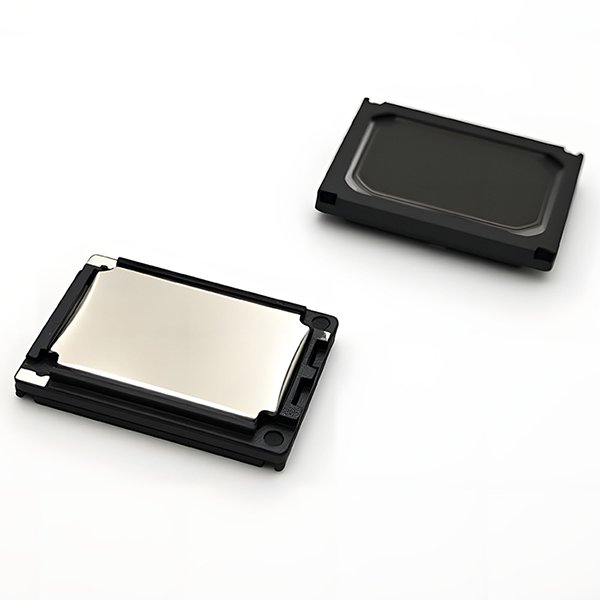
進化するサウンドスケープ:市場の推進力と技術的要請
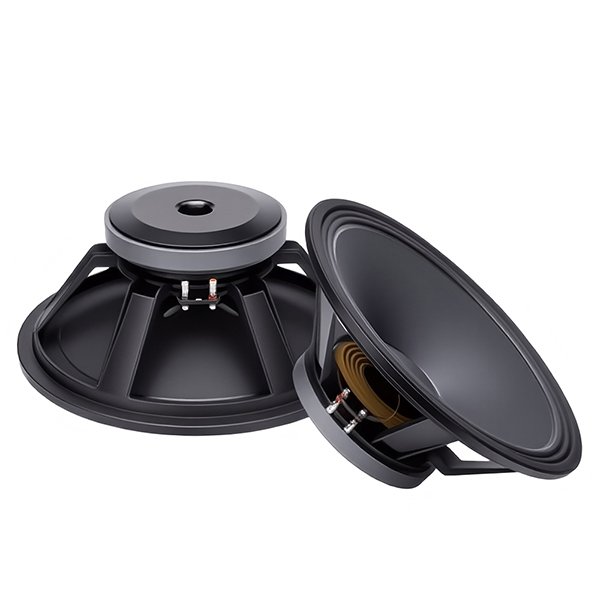
高忠実度の自動車用オーディオに対する需要は、強力なマクロトレンドによって推進されています。第一に、電気自動車(EV)の台頭により、静かなキャビン環境が生まれ、従来の内燃機関(ICE)のノイズが排除されました。この音響的な空白のキャンバスは、あらゆる細部や不完全さが聞こえるようになるため、より高解像度のオーディオを可能にし、またそれを要求します。第二に、Apple、Sony、Sennheiserといったブランドの高品質なパーソナルオーディオに慣れた消費者は、現在、車両においても同等の体験を期待しています。.
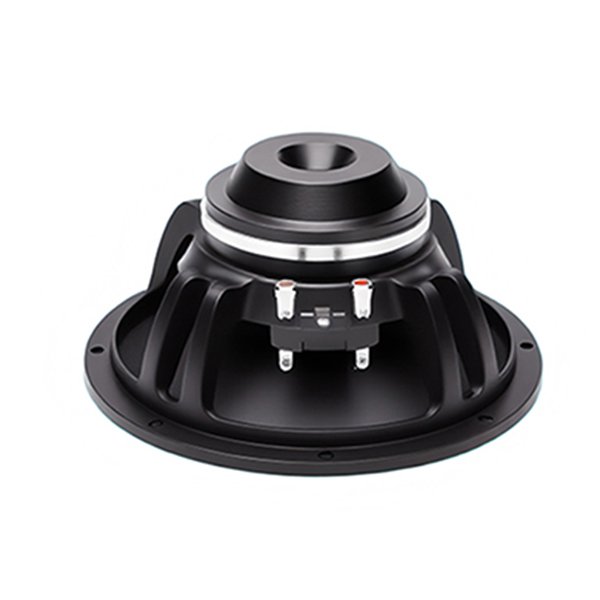
さらに、車両自体は「第三の居住空間」、すなわちエンターテイメント、生産性、リラクゼーションの拠点へと変貌しつつあります。これにより、洗練されたマルチメディアシステム、ゲーム機能、強化されたビデオストリーミングの統合が進み、これらすべてに適合する堅牢なマルチチャンネルオーディオシステムが必要とされています。Market Research Futureの2023年のレポートによると、 世界の自動車用オーディオ市場は、2022年の45億米ドルから2030年には68億米ドル以上に成長すると予測されており、, 年平均成長率(CAGR)は約5.8%です。 この成長は、ミッドレンジ車両へのプレミアムオーディオシステムの採用拡大と、サプライヤーによる絶え間ない革新に支えられています。, 技術的には、厳しい自動車環境において、より高い効率性、軽量化、そしてより堅牢な性能を実現することが不可欠です。主な焦点は以下の通りです。.
ネオジム磁石システム:
- より小型で軽量なパッケージにおいて、より高い磁力強度を実現。 先進的な振動板材料:.
- セルロースパルプ、ポリプロピレン、およびマイカやガラス繊維との複合材料を組み合わせ、最適な剛性、制動性、低質量を実現。 マルチドライバー構成:.
- 特殊なツイーター、ミッドレンジドライバー、ウーファー(多くの場合ブチルゴムエッジ付き)を戦略的に使用し、可聴スペクトル全体を正確にカバー。 DSPとの統合:.
- ドライバーは、タイムアライメント、クロスオーバーフィルタリング、キャビンイコライゼーションを実行する高度なデジタルシグナルプロセッシング(DSP)アルゴリズムと連携して設計されることが増えています。 業界のリーダー:トップ自動車用スピーカードライバーサプライヤーの内訳.
市場には、専業のオーディオ部品大手、垂直統合型オーディオシステムブランド、専門メーカーが混在しています。以下に、最も影響力のあるプレーヤーの一部を紹介します。
1. パナソニック オートモーティブシステムズ:.
自動車用電子機器の巨人であるパナソニックは、垂直統合型の大手企業です。ドライバーを供給するだけでなく、世界で最も権威あるブランドのいくつかに対して、完全なオーディオシステムを設計・製造しています。その強みは、深いOEM関係とシステムレベルの統合にあり、スピーカー、アンプ、ヘッドユニットが完全に調和して動作することを保証します。テスラへの主要サプライヤーであり、一貫して高い評価を得ている没入型オーディオシステムを提供しています。 2. ハーマンインターナショナル(サムスン傘下):.
ハーマンは、象徴的なブランドを通じてプレミアム自動車用オーディオと同義です。 JBL、ハーマンカードン、AKG、マークレビンソン。 フルシステムプロバイダーとして、ハーマンは信号チェーン全体を制御します。同社のドライバー技術は、滑らかな高域応答を実現するエッジ駆動テキスタイルドームツイーターや、中域の明瞭さを実現するカーボン充填ポリプロピレンコーンなどの革新を特徴とすることがよくあります。同社の. QuantumLogicサラウンド およびClari-Fi復元技術は、その潜在能力を最大限に発揮するために、高性能で大振幅のドライバーに依存するソフトウェアソリューションです。 そして 3. ボッシュ: 幅広い自動車ポートフォリオで知られるボッシュは、MEMS(微小電気機械システム)と精密工学における専門知識をオーディオにまで拡張しています。ボッシュのスピーカーは、信頼性、耐久性、コストパフォーマンスを重視することが多く、自動車市場の広い範囲にサービスを提供しています。特に、オーディオシステムを他の車両領域(安全性など)と統合することに注力しており、例えば、アクティブノイズキャンセレーション用のオーディオスピーカーや、EVにおける歩行者への緊急警報システムとしての利用などが挙げられます。.
4. フォスター電機: 日本の専門メーカーであり、世界のオーディオ部品業界における真の隠れたチャンピオンです。フォスターは純粋な部品メーカーであり、自社ブランドを持たない可能性のある多数のシステムインテグレーターや自動車メーカーに高性能スピーカードライバーを供給しています。同社は、その優れたエンジニアリング、一貫性、そして特にスペースが限られるドアやピラー向けの超薄型設計など、非常に要求の厳しい用途向けのドライバーを製造する能力で高く評価されています。.
5. ボーズコーポレーション: ブランド化されたプレミアムオーディオを量産自動車にもたらした先駆者であるボーズは、システムエンジニアリング企業として運営されています。そのアプローチは全体論的であり、特定の車両キャビンの音響測定から始まり、独自のドライバーからアンプ、信号処理に至るまで、すべてのコンポーネントをマッチングセットとして設計します。ボーズの革新技術である.
Centerpointバーチャルサラウンド技術や、振動を打ち消すための対向ウーファーの使用は、カスタム設計された専用ドライバーユニットに依存しています。 6. アルパイン(アルプスアルパイングループの一員): アフターマーケット用ヘッドユニットで知られる一方、アルパインは完成オーディオシステムの重要なOEMサプライヤーでもあります。同社は、モータースポーツとハイパフォーマンスオーディオの遺産を活用し、低歪みで高出力を処理できるドライバーを開発しています。アルパインの「サウンドリアリズム」への焦点は、特に正確な過渡応答のために剛性がありながら軽量なコーンを作成するという、ドライバー材料研究を推進しています。 重要な性能パラメータ:ドライバーユニット仕様の評価.
エンジニアがスピーカードライバーを評価する際、ブランド名を超えて、一連のコア性能パラメータに注目します。以下の表は、主要な仕様と自動車用オーディオにおける実際的な影響を示しています。 測定内容.
自動車用オーディオにおける重要性
周波数範囲(Hz~kHz).
| パラメータ | ドライバーが所定の出力レベル(例:+/-3dB)で再生できる周波数の範囲。 | 広くフラットな応答は、フルレンジのサウンドを保証します。実際には、システムはクロスオーバーを使用します。ウーファーは40Hz~2kHz、ツイーターは2kHz~20kHzを担当する場合があります。 |
|---|---|---|
| 周波数応答 | 感度(dB @ 1W/1m). | 1ワットの入力電力で生成される音圧レベル(SPL)、1メートルで測定。. |
| 高感度(例:>90dB)は、より少ないアンプ電力でより大きな音を意味し、効率的な車両電気システムにとって重要です。 | 定格入力(W). | ドライバーが熱的または機械的故障なく処理できる連続電力(ワット単位)。. |
| 電力処理能力(RMS) | The continuous power in watts a driver can handle without thermal or mechanical failure. | 歪みのないクリーンでダイナミックなピークを実現するために、必要なアンプ出力とシステム全体のヘッドルームを決定します。. |
| インピーダンス(オーム) | ボイスコイルの公称電気抵抗値で、通常は2、4、または8オームです。. | アンプの安定動作負荷に適合する必要があります。低インピーダンス(2~4オーム)は、低電圧アンプからより多くの出力を引き出すために自動車で一般的です。. |
| 全高調波歪率(THD) | 再生中に元の信号に加わる不要な高調波周波数の割合です。. | 低いTHD(基準レベルで1%未満)は、よりクリーンで正確なサウンドを意味し、ボーカルの明瞭さや楽器のリアリズムに不可欠です。. |
| Qts、Fs、Vas(Thiele/Smallパラメータ) | ドライバーのサスペンションとモーターシステムの電気機械的特性を定義するパラメータです。. | 最適なエンクロージャーを設計するために使用されます。自動車用途では、ドアやパネルが エンクロージャーとなるため、これらのパラメータは実環境での性能を予測する上で極めて重要です。 (上記に統合). |
カーオーディオの未来:新たなトレンドとサプライヤー戦略
今後の道のりは革新に富んでいます。サプライヤーはドライバーの改良だけでなく、車両の音響エコシステム全体を再構想しています。.
1. 持続可能な素材: ESG(環境・社会・ガバナンス)目標に牽引され、サプライヤーは性能を損なうことなく、リサイクルプラスチック、天然繊維(竹パルプやケナフなど)、バイオベースポリマーを振動板やバスケットに使用したドライバーを積極的に開発しています。.
2. エキサイターとサーフェスサウンド: キャビンスペースを最大化し、新しいインテリアデザインを可能にするため、BoseのUltraNearfield技術などのサプライヤーは、 エキサイターベースのシステムを洗練させています。これらのデバイスは、大型の内装パネル(ヘッドライナー、ピラー)自体をスピーカーの振動板に変え、各乗員に対して没入感のある空間的に正確なサウンドゾーンを創り出します。 (上記に統合).
3. 統合オーディオ&ウェルネス: オーディオと乗員のウェルネスの融合は新たなフロンティアです。将来のシステムでは、スピーカーとマイクを使用して、 アクティブノイズキャンセレーション(ANC) をロードノイズ、風切り音、さらには特定のタイヤ高調波に適用します。さらに、音楽、特定の周波数トーン、合成音を組み合わせたオーダーメイドのサウンドスケープにより、覚醒を高め、リラックスを促進し、不要なノイズをマスキングします。.
4. ブランドオーディオの普及: オーディオ界のレジェンドとのコブランディングのトレンドは、従来のプレミアムセグメントを超えて拡大しています。現在では、Sonos、Dynaudio、 さらにはBowers & Wilkins, といったブランドが自動車分野に参入しています。 これにより、専門的なドライバーメーカーは、厳しい自動車環境において、これらのコンシューマーオーディオブランドの音響特性を体現する、ユニークで特徴的なトランスデューサー技術を生み出すことが求められています。 (上記に統合).
結論として、スピーカードライバーユニットのサプライヤー選定は、車両の音響的な個性を定義する上で中心的な戦略的決定です。PanasonicやHarmanのような垂直統合型システムのマスターから、Fosterのような専門コンポーネントエンジニアまで、リーダーとなるのは、材料科学、音響工学、ソフトウェア統合を融合できる企業です。自動車が自律走行、電動化、コネクテッドな生活空間へと進化する中、単なるサウンドではなく、意味のある聴覚体験を提供できる企業が、このダイナミックで不可欠な業界の最前線に立ち続けるでしょう。.
プロフェッショナルQ&A:自動車用途におけるスピーカードライバーユニット
Q1: 自動車用スピーカーサプライヤーは、特にEVにおいて、限られた車載電力で高いパワーハンドリングの要求にどのようにバランスを取っていますか?
A: これは中核的なエンジニアリング上の課題です。サプライヤーは多角的なアプローチでこれに取り組みます。第一に、強力なネオジム磁石と最適化されたモーター構造を使用して 感度 を最大化し、入力1ワットあたりの音響出力を高めます。第二に、 熱管理, に取り組み、アルミニウム製ボイスコイルボビンや高温に耐える高度な接着剤を使用することで、ドライバーがより効果的に熱を放散できるようにします。第三に、高効率な Class-Dアンプ とのシステムレベル統合が重要です。これらのアンプは、最小限の電力消費と発熱で高出力を実現できるため、メインバッテリーの航続距離維持が最優先されるEVの制約のある12V/48Vシステムに最適です。.
Q2: トップクラスの自動車用スピーカードライバーが満たす必要がある主要な認証または性能基準は何ですか?
A: 基本的な電気安全基準(該当する場合は機能安全のISO 26262など)に加えて、最も厳格な試験は環境および寿命耐久性に関するものです。主な基準は以下の通りです。
- 温度サイクル試験: 極寒(-40°C)から極熱(+85°C以上)までの試験。.
- 熱衝撃及び耐湿性試験: 急激な温度変化と高湿度環境(例:85°C、相対湿度85%)に耐えること。.
- 機械的振動及び衝撃試験: 走行中の車両の絶え間ない振動や突然の衝撃(段差など)に耐えること。.
- 耐紫外線性及び耐薬品性試験: 素材が日光や一般的な内装用クリーナーによって劣化しないことを確認すること。.
- 長期耐久性試験: ドライバーは、車両の全寿命をシミュレートするために、高出力かつ高温の条件下で数千時間にわたってテストされることが多い。OEMは、ドアに搭載されるスピーカー向けに独自の「粉塵および異物」テストを実施している。これらの基準を満たすことは、真剣なサプライヤーにとって譲歩の余地がない必須条件である。.
Q3: 自動車メーカーにとって、フルシステムプロバイダー(例:Harman)から調達する場合と、コンポーネントスペシャリスト(例:Foster)から調達する場合のメリットとデメリットは何か?
A: これは根本的な戦略上の選択である。.
- フルシステムプロバイダー(Harman、Bose、Panasonic):
- メリット: 調達の簡素化、システム性能とブランドイメージの保証、車両インフォテインメントおよびノイズ管理システムとの深い統合、単一の責任窓口。.
- デメリット: ベンダーロックインの可能性、高コストとなる場合がある、自動車メーカーがコンポーネントレベルの具体的な設計を直接制御する余地が少なくなる。.
- コンポーネントスペシャリスト(Foster、Peerlessなど):
- メリット: 多くの場合、コンポーネントレベルでの設計の柔軟性とコスト削減の可能性を提供する。自動車メーカーまたは選定されたシステムインテグレーターが、最良のコンポーネント(あるメーカーのドライバー、別のメーカーのアンプ、第三者のソフトウェア)を「組み合わせる」ことを可能にする。.
- デメリット: コンポーネントを効果的に統合するために、社内に音響工学の専門知識が必要となる。性能検証と保証責任は自動車メーカーまたはインテグレーターに課される。サプライチェーンが複雑化する可能性がある。.
この選択は、自動車メーカーの内部能力、ブランド戦略(例:有名なオーディオブランドの活用)、および最終的な音響特性に対する望ましい制御レベルに依存することが多い。.