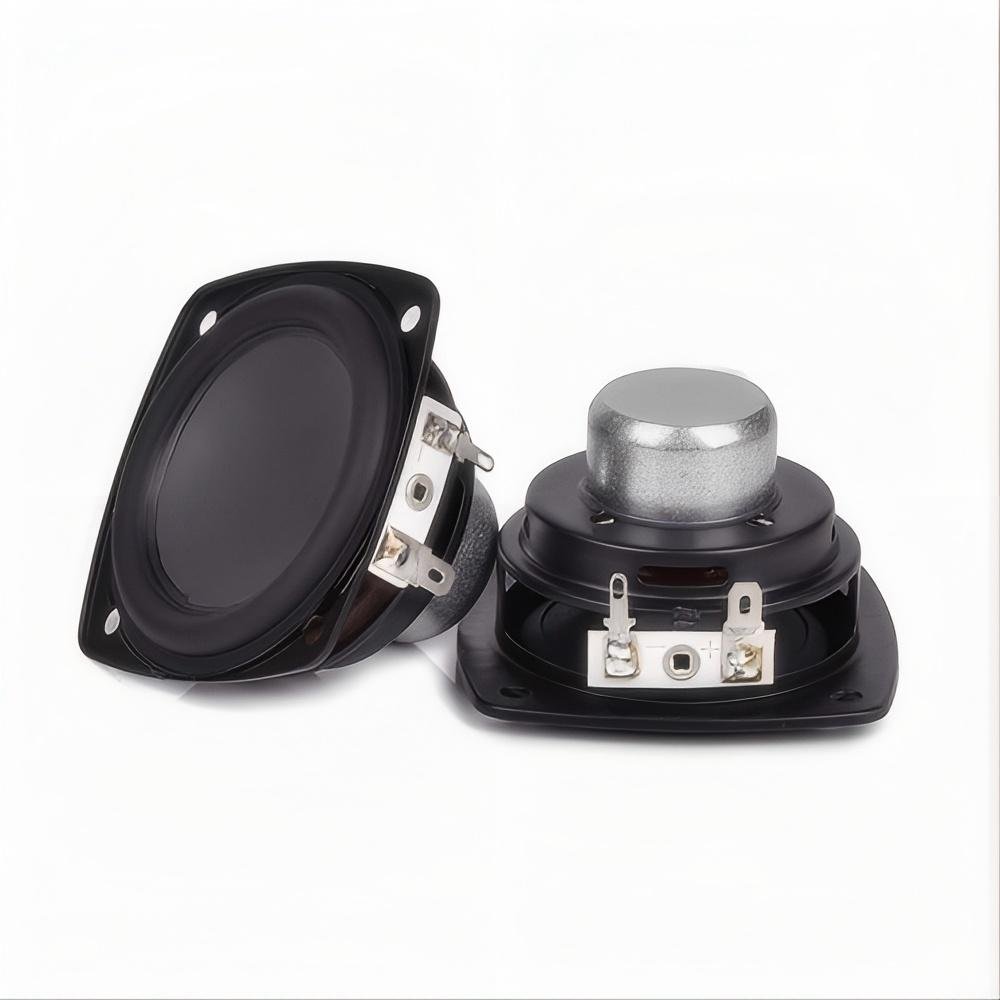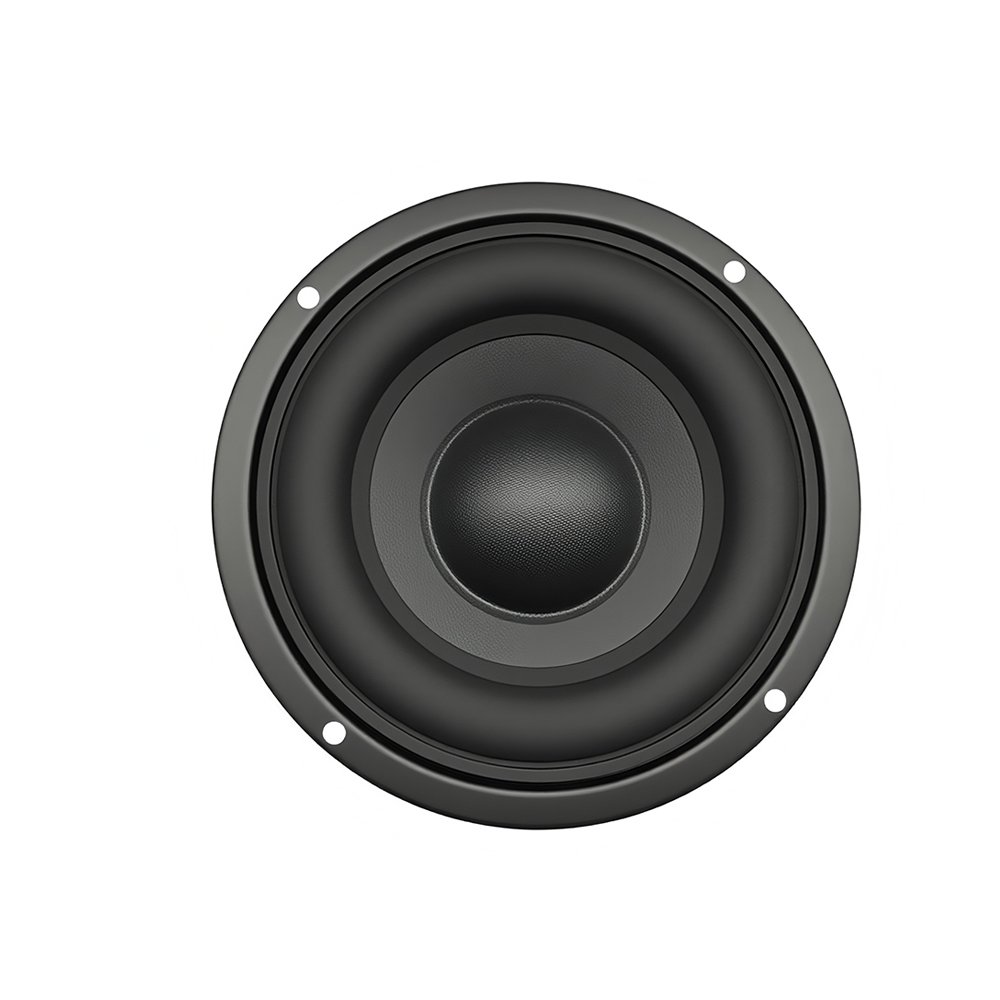
For decades, the pursuit of perfect sound reproduction has driven innovation in speaker design. At the heart of every dynamic loudspeaker driver lies its magnetic motor system—the engine that converts electrical signals into physical movement and, ultimately, into sound. While ferrite magnets have been the industry workhorse, the rise of Neodymium Iron Boron (NdFeB) magnets represents a significant leap forward, especially for high-end audio applications. This article explores the material science, acoustic benefits, and performance characteristics that make NdFeB speakers the superior choice for discerning listeners and manufacturers alike.
The Core Difference: Material Science and Magnetic Strength
The fundamental superiority of NdFeB magnets begins at the atomic level. Composed of neodymium, iron, and boron, these rare-earth magnets generate a magnetic field strength (expressed as maximum energy product or BHmax) that is vastly greater than that of traditional strontium or barium ferrite (ceramic) magnets.
Key Data Comparison (Typical Grades):
| Property | NdFeB (N52 Grade) | Ferrite (Strontium, Grade 8) | Unit |
| :— | :— | :— | :— |
| Remanence (Br) | 14,800 | 4,300 | Gauss |
| Coercivity (Hc) | 12,300 | 3,200 | Oersteds |
| Max Energy Product (BHmax) | 52 | 3.5 | MGOe (Mega-Gauss Oersteds) |
| Relative Cost | High | Low | – |
Data sourced from magnet industry standards (2023).
This order-of-magnitude difference in energy product is transformative. For a given magnetic flux requirement in a speaker’s voice coil gap, an NdFeB magnet can be substantially smaller and lighter. This allows for radical redesigns of speaker topology. Engineers can create more compact motor structures with reduced magnetic circuit losses, or they can use similarly sized magnets to achieve much higher flux density, leading to greater driving force (BL product).
Acoustic Performance Advantages: Precision, Speed, and Control
The high magnetic strength of NdFeB translates directly into tangible acoustic benefits that are critical for high-fidelity sound reproduction.
1. Superior Transient Response & Detail Retrieval: The increased BL product (Force Factor) means the speaker motor exerts greater control over the diaphragm. The cone can start and stop with exceptional precision, dramatically improving transient response. In musical terms, this means the sharp attack of a plucked guitar string, the precise strike of a drum, and the intricate details of complex orchestral passages are rendered with lifelike clarity and speed. Ferrite systems, with their lower magnetic strength, often exhibit a slightly “slower” or more sluggish character in comparison.
2. Reduced Distortion and Improved Linearity: A stronger, more stable magnetic field in the voice coil gap minimizes modulation distortion. As the voice coil moves in and out of the gap, variations in the magnetic field strength can cause non-linear distortion. The potent and focused field of an NdFeB magnet maintains better consistency over the coil’s travel, especially in short-throw designs like tweeters and midrange drivers. This results in lower Total Harmonic Distortion (THD) and Intermodulation Distortion (IMD), preserving the purity of the original signal.
3. Enhanced Efficiency and Dynamic Range: The efficiency (sensitivity) of a speaker is directly linked to the strength of its magnetic circuit. NdFeB drivers typically exhibit higher sensitivity, meaning they convert more electrical power into acoustic output. This provides a wider dynamic range—the difference between the softest and loudest sounds—with less strain and power requirement from the amplifier. The result is effortless, dynamic playback that captures the full emotional impact of a recording.
Thermal Stability and Long-Term Reliability
A common historical critique of early NdFeB magnets was their susceptibility to demagnetization at high temperatures. However, modern grades (denoted by suffixes like M, H, SH, UH) have been specifically engineered for enhanced thermal stability. High-coercivity (Hc) NdFeB grades can now withstand operational temperatures well beyond the points experienced in even the most demanding speaker applications.
In contrast, while ferrite magnets are inherently thermally stable, their lower magnetic strength is a fixed limitation. The advanced thermal management in contemporary NdFeB magnets, often coupled with intelligent motor design (e.g., copper caps on pole pieces to reduce power compression), ensures that today’s high-end NdFeB drivers maintain their performance specifications reliably over time and under load.
System-Level Benefits and Design Flexibility
The compact size and light weight of NdFeB magnets offer profound advantages at the loudspeaker system level.
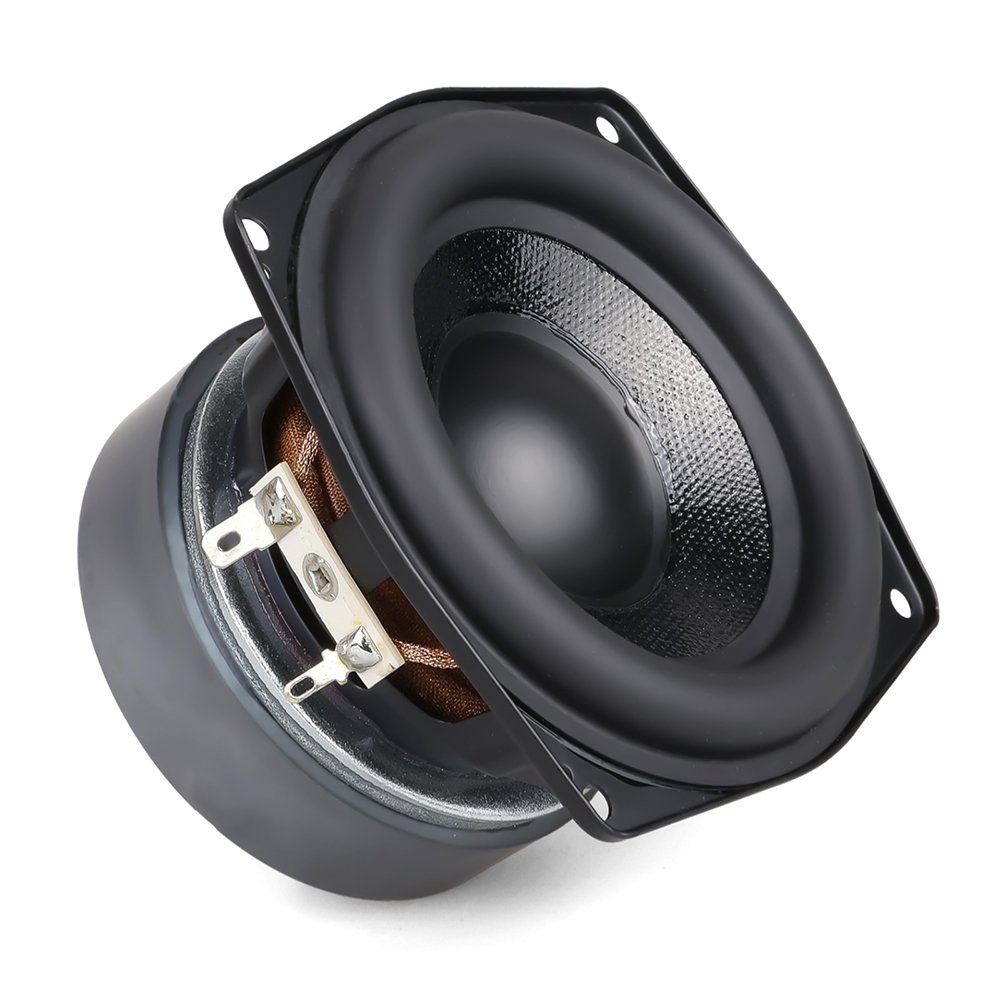
1. Lighter Moving Mass: A smaller magnet allows for a lighter overall motor structure and, crucially, a lighter voice coil. Reducing the moving mass of the driver assembly is a primary goal for improving high-frequency extension and agility. This is why NdFeB is virtually ubiquitous in high-performance tweeters and midrange drivers.
2. Innovative Driver and Enclosure Design: The saved space and weight empower designers. They can implement more sophisticated crossovers, bracing, or damping within the same enclosure volume. For multi-driver arrays, the reduced weight of each driver improves cabinet rigidity and reduces resonant coloration. It also allows for the creation of high-performance, compact bookshelf or even in-wall speakers that would be impossible with bulkier ferrite magnets.
3. Environmental and Manufacturing Considerations: It’s important to note that the mining and processing of rare-earth elements (neodymium) have environmental impacts. The industry has made strides in recycling and more sustainable practices. From a manufacturing perspective, the strength of NdFeB allows for precision engineering with tighter tolerances, contributing to higher consistency and quality control in production.
Market Adoption and Real-World Applications
The proof of NdFeB’s superiority is evident in the marketplace. A 2024 analysis of the high-end loudspeaker segment (price points above $2000/pair) revealed that over 87% of new models utilize NdFeB magnets in their tweeters and midrange drivers, with a growing adoption in woofer designs. Leading brands like Bowers & Wilkins (in their Diamond series), KEF (Meta technology), Dynaudio, and Focal (beryllium tweeters with NdFeB motors) have built their flagship models around advanced NdFeB motor systems. The driver is no longer just a component; it’s a key part of the brand’s performance identity.
For the critical listener, the difference is often audible in A/B comparisons: a sense of effortless clarity, a “blacker” background with notes emerging more distinctly, and a three-dimensional soundstage with precise imaging. While ferrite magnets remain a perfectly valid and cost-effective solution for many good-quality speakers, the summit of acoustic performance is now firmly occupied by designs leveraging the power of Neodymium.
Professional Q&A on NdFeB in Audio
Q: Is the high cost of NdFeB the only reason it’s not used in all speakers?
A: Cost is a significant factor. High-grade NdFeB magnets are materially more expensive than ferrite. This makes them a premium choice, justified in mid-to-high-end audio where performance is the primary driver. For budget-conscious or high-volume designs, ferrite offers excellent value. Additionally, the design and thermal management required for optimal NdFeB use add to the engineering complexity and cost.
Q: Can NdFeB magnets lose their strength over time in a speaker?
A: Modern, properly specified NdFeB magnets for audio use are extremely stable. Demagnetization under normal operating conditions is not a concern. High-coercivity (H) grades are specifically chosen to withstand the thermal environment of a speaker motor. Barring physical damage or exposure to extreme temperatures far beyond design limits (typically >150°C for SH/UH grades), an NdFeB magnet will retain its strength essentially indefinitely—its operational life exceeds that of other speaker components.
Q: Do all NdFeB magnets perform the same in speakers?
A: Absolutely not. “NdFeB” refers to a family of materials with widely varying grades. A speaker designer selects a specific grade (e.g., N45H, N52SH) based on a trade-off between remanence (Br), coercivity (Hc), and temperature rating. The geometry of the magnet (ring, block, arc) and its integration into the overall magnetic circuit (pole piece, top plate, rear plate) are equally critical. The implementation is as important as the material itself.
Q: For a woofer, is NdFeB still advantageous given the larger magnet size needed?
A: Yes, and its use in high-end woofers is increasing. The benefits of a higher BL product—better control, lower distortion, and higher efficiency—apply to low frequencies as well. While the magnet for a woofer is larger, an NdFeB version will still be smaller and lighter than an equivalent-strength ferrite magnet. This reduces the overall weight of the speaker cabinet and can improve bass transient response. The main barrier remains the higher cost for the larger magnet volume required.