
Introduction: The Silent Revolution in Sound Technology
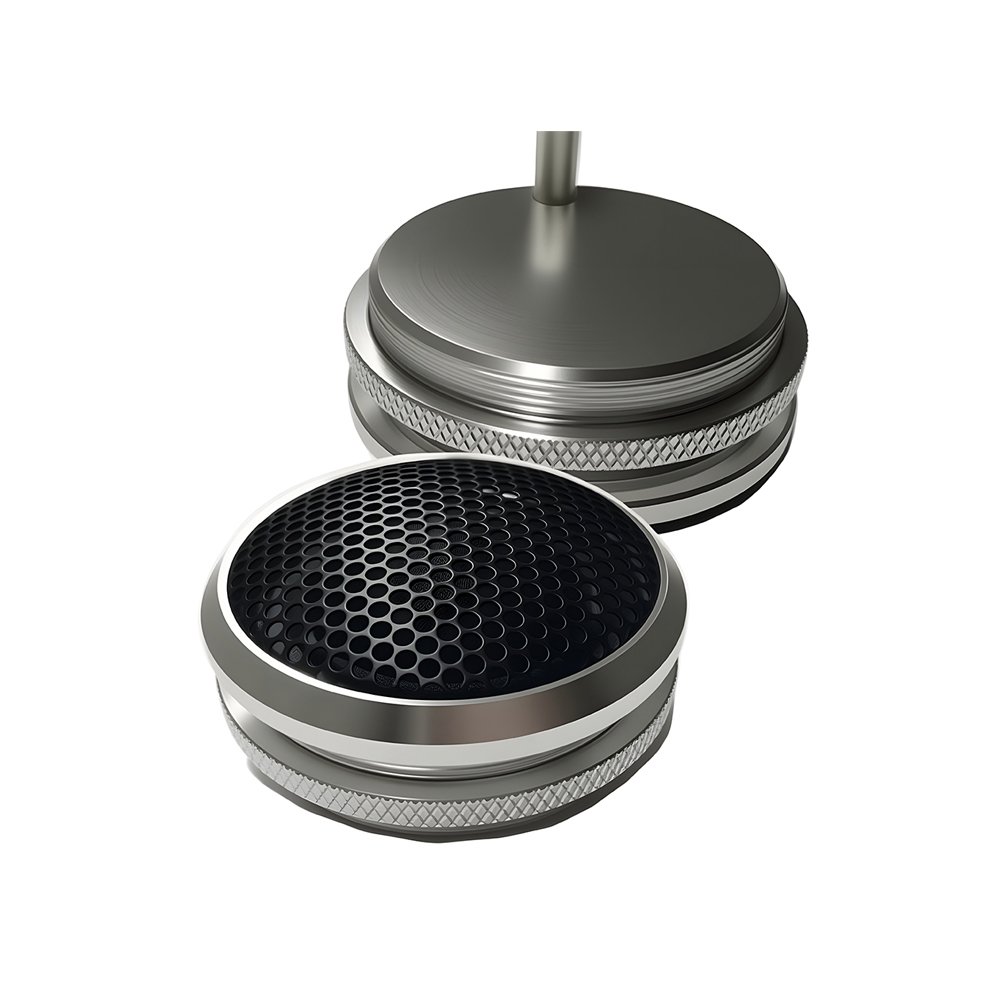
In the ever-evolving landscape of consumer electronics, one component has fundamentally transformed audio quality across devices: neodymium iron boron (NdFeB) magnets. These powerful permanent magnets, discovered in the 1980s, have become the gold standard for speaker design, enabling a remarkable combination of miniaturization, efficiency, and acoustic performance. Unlike their ferrite predecessors, NdFeB magnets offer exceptional magnetic energy density—typically 8 to 10 times stronger by volume. This physical property allows engineers to design speakers that are dramatically smaller and lighter while delivering superior sound pressure levels (SPL) and clearer frequency response. From the subtle notification chime on a smartwatch to the immersive soundscape of a home theater system, NdFeB speakers have become ubiquitous, driving innovation in portability and audio fidelity. As consumer demand for sleeker, more powerful devices continues to grow, understanding the applications of this technology provides insight into the future of personal and entertainment electronics.
Miniaturization Marvel: NdFeB in Portable and Wearable Devices
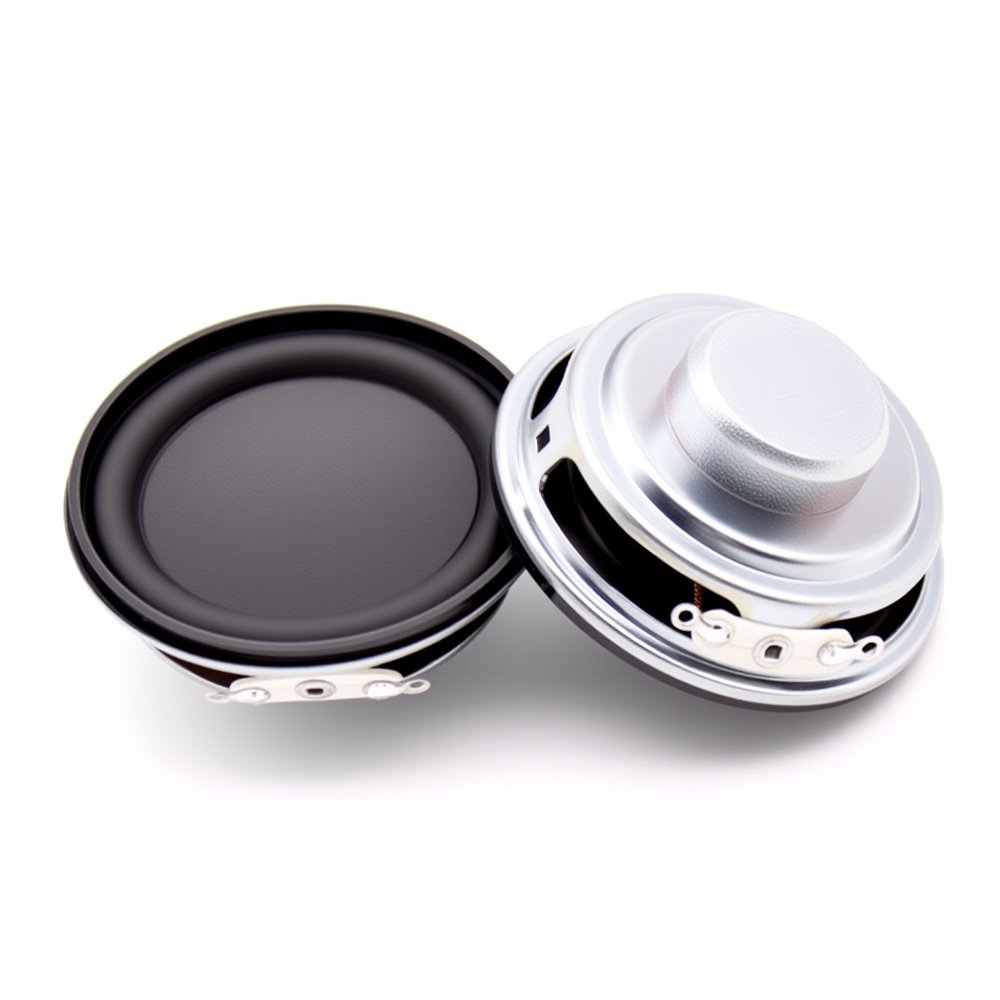
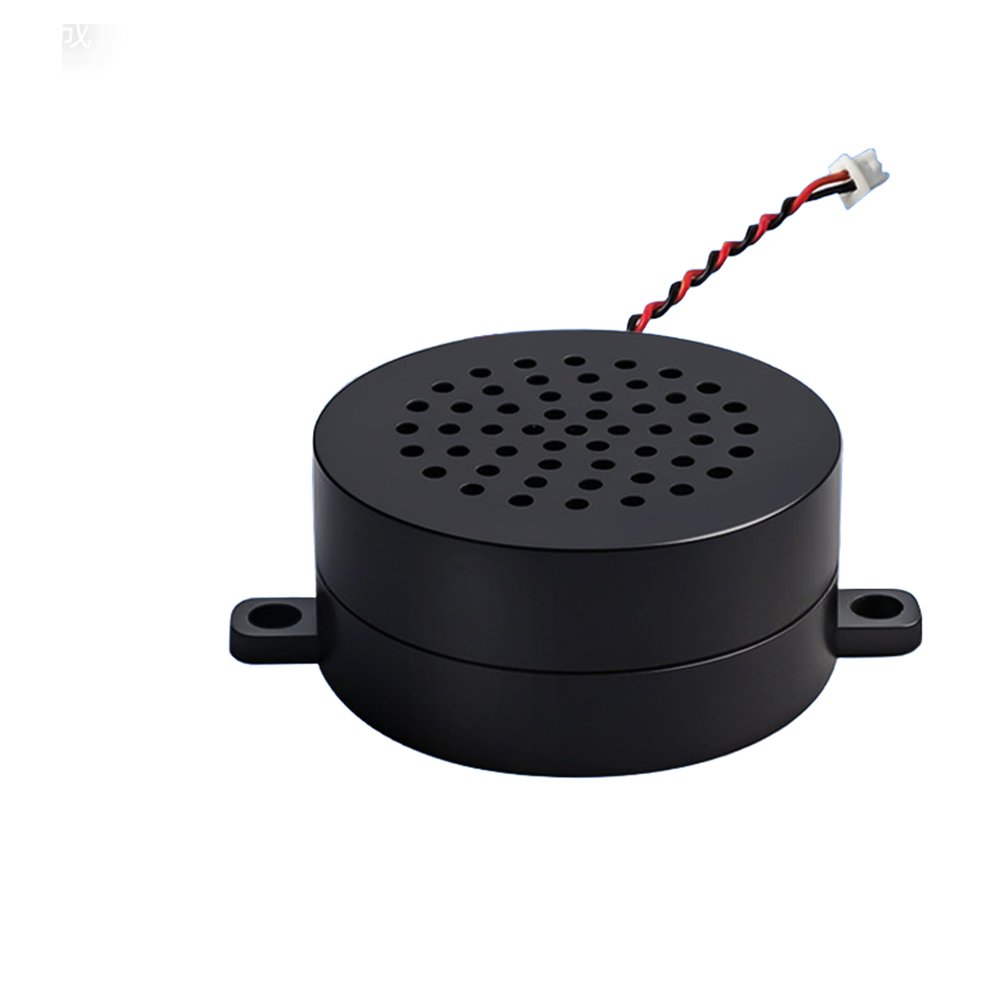
The most visible impact of NdFeB speakers is in the realm of portable electronics. Smartphones, the quintessential modern device, rely entirely on these compact magnets to deliver clear voice calls, media playback, and speakerphone functionality. A typical smartphone speaker measures less than 15mm in diameter and just a few millimeters in depth, yet can produce over 80 dB SPL—a feat impossible with traditional magnet materials. This miniaturization extends to true wireless stereo (TWS) earbuds, where each bud incorporates a micro-speaker driver powered by a NdFeB magnet weighing less than 0.5 grams. Brands like Apple, Samsung, and Sony leverage these magnets to balance battery life with acoustic performance, often using multiple drivers (woofer and tweeter) in a single earbud casing.
Wearable technology further pushes the boundaries of size constraints. Smartwatches and fitness trackers from Garmin, Fitbit, and Apple integrate piezoelectric or micro-speakers with NdFeB magnets to provide audio feedback for notifications, voice assistants, and workout cues. In hearing aids, NdFeB-based receivers enable discrete, high-fidelity sound amplification in devices that fit entirely within the ear canal. The common thread across these applications is the power-to-size ratio: NdFeB magnets allow for drivers that are not only tiny but also energy-efficient, preserving precious battery capacity in devices charged daily.
Table 1: NdFeB Speaker Specifications in Portable Devices (2023-2024 Benchmarks)
| Device Category | Typical Driver Diameter | Magnet Weight (approx.) | Max SPL (1W/1m) | Key Acoustic Challenge |
|—————-|————————-|————————–|——————|————————|
| Smartphone Main Speaker | 10-15 mm | 0.8-1.2 g | 80-85 dB | Bass response in sealed enclosure |
| TWS Earbud Woofer | 6-10 mm | 0.3-0.6 g | 75-82 dB | Distortion at high excursion |
| Smartwatch Speaker | 4-8 mm | 0.1-0.3 g | 70-78 dB | Resonances from tiny cavity |
| Hearing Aid Receiver | 3-5 mm | <0.1 g | 65-75 dB | Output stability across frequencies |
High-Fidelity Audio Systems: From Bookshelves to Soundbars
Beyond portables, NdFeB magnets are the cornerstone of modern high-fidelity audio systems. In bookshelf and floor-standing speakers, they enable smaller, more responsive driver assemblies. A 1-inch NdFeB tweeter can handle more power and produce crisper highs than a larger ferrite equivalent, allowing for better dispersion and detailed soundstaging. Brands like KEF, Bowers & Wilkins, and Dynaudio utilize NdFeB in their signature drivers to achieve benchmark-setting clarity. The reduced weight of the magnet structure also lowers inertia, improving transient response—the speaker’s ability to start and stop moving quickly, essential for accurate reproduction of percussive sounds.
Soundbars, now central to home entertainment setups, exemplify the integration advantages of NdFeB technology. To fit multiple drivers (including woofers, midranges, and tweeters) into a slender enclosure, manufacturers like Sonos, Bose, and Samsung use NdFeB magnets to maximize magnetic flux in minimal space. This allows for sophisticated acoustic architectures, such as dedicated center channels for dialogue clarity and upward-firing drivers for Dolby Atmos immersive audio. Subwoofers, too, benefit: NdFeB magnets in the voice coil assembly enable powerful bass from compact active subwoofers that complement minimalist living spaces. The efficiency gains also reduce heat generation and power requirements, supporting eco-friendly designs with lower standby consumption.
Smart Home and IoT: The Voice-Enabled Ecosystem
The proliferation of smart home devices has created a massive new application field for NdFeB speakers. Smart speakers like Amazon Echo, Google Nest, and Apple HomePod are essentially advanced speaker systems with integrated voice assistants. Their ability to deliver room-filling music and intelligible voice responses hinges on custom NdFeB-driven drivers, often in multi-array configurations for beamforming and 360° sound. For instance, the latest HomePod features a high-excursion woofer with a NdFeB magnet and five tweeter array, all orchestrated by computational audio for adaptive sound.
In broader IoT applications, NdFeB speakers provide auditory feedback in devices where screen real estate is limited or absent. Smart thermostats (Nest, Ecobee), security cameras (Ring, Arlo), and even robotic vacuums (Roomba) use small but clear speakers for status alerts, warnings, and user interaction. As these devices often operate continuously, the reliability and consistent performance of NdFeB magnets—resistant to demagnetization over time—are critical. Moreover, in voice-enabled devices, speaker performance directly impacts the accuracy of far-field voice pickup; a cleaner output reduces acoustic echo, improving the microphone array’s ability to hear user commands in noisy environments.
Automotive Audio: Transforming the In-Cabin Experience
Modern vehicles have evolved into rolling entertainment and communication hubs, with audio systems at the heart of the experience. Automotive manufacturers are increasingly adopting NdFeB speakers to overcome spatial and weight constraints while elevating audio quality. Premium brands like Mercedes-Benz (with Burmester systems), BMW (Harman Kardon), and Tesla (custom audio) use NdFeB magnets in their speaker arrays to deliver concert-like dynamics without adding significant mass—a key concern for electric vehicle range.
A typical premium car audio system now includes 12 to 20 speakers, with NdFeB drivers used in dash-mounted tweeters, door mid-woofers, and pillar-mounted surround speakers. The magnets’ high strength allows for shallow mounting depths, crucial for integrating speakers into thin door panels or headliners. Additionally, active noise cancellation (ANC) systems rely on precisely controlled speaker output to generate anti-noise; the rapid response of NdFeB drivers enhances ANC effectiveness across a broader frequency range. With the rise of autonomous driving and in-car entertainment, the demand for immersive, personalized audio zones will further drive innovation in NdFeB-based multi-speaker arrays.
Emerging Frontiers: AR/VR, Robotics, and Beyond
Looking forward, several cutting-edge fields are leveraging NdFeB speakers to enable new functionalities. In augmented and virtual reality (AR/VR) headsets like Meta Quest and Apple Vision Pro, spatial audio is critical for immersion. Integrated near-ear speakers use NdFeB magnets to produce directional sound that convinces the brain audio is coming from specific points in 3D space, all while keeping the headset light and comfortable.
Robotics, both consumer and industrial, employs these speakers for human-robot interaction. From social robots like Sony’s Aibo to service robots in hotels, clear speech synthesis and auditory cues are essential for natural communication. The robustness of NdFeB magnets under varying temperatures and mechanical stress makes them suitable for dynamic robotic environments. Furthermore, in medical devices—such as portable ultrasound machines or patient monitors—audible alerts from compact speakers can be lifesaving, requiring reliability that NdFeB technology provides.
As technology trends toward greater integration and intelligence, the role of NdFeB speakers will only expand. Research into even higher-grade neodymium magnets (e.g., with dysprosium additives for temperature stability) promises further gains. However, challenges remain, including supply chain concerns for rare-earth elements and the need for sustainable recycling. Innovations like magnet-less speakers (using piezoelectric or electrostatic principles) are emerging for niche applications, but for the foreseeable future, NdFeB magnets will continue to be the workhorse of consumer audio, invisibly powering our connected world’s soundscape.
Professional Q&A: NdFeB Speakers in Consumer Electronics
Q1: With concerns about rare-earth supply chains, are there viable alternatives to NdFeB magnets for speakers on the horizon?
A1: While research into alternatives is active, no current technology matches NdFeB’s combination of energy density, cost-effectiveness, and scalability. Ferrite magnets remain an alternative for low-cost, larger speakers but are not suitable for miniaturized devices. Emerging technologies like samarium-cobalt (SmCo) magnets offer high performance but at significantly higher cost and with their own supply constraints. Piezoelectric and electrodynamic drivers without permanent magnets are being explored for ultra-thin applications (e.g., in display panels), but they struggle with bass response and efficiency. For the next decade, NdFeB will likely remain dominant, with industry focusing on improving recycling (currently <5% of NdFeB is recycled) and developing reduced-rare-earth or dysprosium-free magnet grades to mitigate supply risks.
Q2: How does the performance of NdFeB speakers degrade over time, and what factors accelerate this?
A2: NdFeB magnets are susceptible to gradual demagnetization under certain conditions. The primary factors are:
- Temperature: Continuous exposure above 80°C (176°F) for standard N-grade magnets can cause irreversible loss of magnetic strength. High-temperature grades (e.g., SH, UH) withstand up to 150-200°C.
- Corrosion: Neodymium oxidizes easily; most consumer-grade magnets have nickel-copper-nickel plating, but physical damage to the coating in humid environments can lead to corrosion.
- External Magnetic Fields: Strong opposing fields can partially demagnetize the magnet.
In practice, properly designed speakers for consumer electronics experience minimal performance loss over the device’s lifespan (typically 3-7 years). Accelerated life testing by manufacturers often simulates decades of use, and degradation is usually less than 3-5% under normal operating conditions.
Q3: What are the key acoustic advantages of NdFeB over ferrite in woofer design, specifically for bass response?
A3: For woofers, NdFeB’s high magnetic flux density in a small volume allows for:
- Larger voice coils: More copper windings can be used within the same magnetic gap, increasing power handling and reducing distortion.
- Higher BL product (force factor): This improves control over the cone movement, resulting in tighter, more accurate bass with lower group delay.
- Extended linear excursion (Xmax): The stronger magnetic field maintains linearity over a longer travel range, enabling deeper bass from smaller enclosures.
This is why many premium compact subwoofers (e.g., in soundbars) use NdFeB magnets to achieve bass extension down to 30-40 Hz despite their small size.
Q4: How is the rise of computational audio (like Apple’s Adaptive EQ) changing the design priorities for NdFeB speakers?
A4: Computational audio uses real-time DSP to correct speaker limitations. This allows designers to:
- Prioritize size and efficiency over perfectly flat response: Speakers can be optimized for maximum output in a tiny form factor, with software correcting frequency anomalies.
- Implement active thermal and excursion modeling: Algorithms protect the driver from over-excursion and power compression, allowing more aggressive use of the NdFeB magnet’s capabilities.
- Enable adaptive sound tuning: The same hardware can be optimized for different content (music, podcasts, movies) or room acoustics.
Thus, the magnet’s role is shifting from being the sole determinant of acoustic performance to being part of a tightly integrated system where its raw power and efficiency are harnessed more intelligently by software.
Q5: What does the latest market data show about the growth of NdFeB in consumer audio?
A5: According to a 2024 report by Grand View Research, the global neodymium magnet market (valued at USD $18.5 billion in 2023) is projected to grow at a CAGR of 8.5% through 2030, driven largely by consumer electronics and electric vehicles. Specific to speakers:
- Over 90% of all micro-speakers in portable devices now use NdFeB magnets.
- The average smartphone now contains 3-5 NdFeB speakers (receiver, main speaker, possibly a dedicated woofer/tweeter).
- The TWS earbud market (approx. 300 million units shipped in 2023) is a major growth driver, with each pair containing 2-4 NdFeB micro-speakers.
Fact.MR estimates the demand for NdFeB magnets in audio applications will exceed 50,000 metric tons annually by 2026, underscoring the technology’s entrenched position.