
Design and Engineering: The Foundation of Acoustic Excellence
The journey of a speaker begins long before any physical component is assembled. In the Design and Engineering phase, acoustic engineers and product designers translate conceptual requirements into precise, manufacturable blueprints. This critical stage combines artistic sound goals with rigorous scientific principles.
The process starts with Target Performance Definition. The design team, alongside marketing and product management, defines the speaker’s intended use-case, target audience, and price point. Is it a compact Bluetooth speaker for outdoor use, a high-fidelity bookshelf model for critical listening, or a powerful subwoofer for home theater? Each path demands different engineering priorities. For 2024, key market drivers include the integration of Voice Assistant compatibility (projected in over 60% of new wireless speakers) and a strong emphasis on sustainable material choices.
Next, engineers move to Computer-Aided Design (CAD) and Simulation. Using advanced software like COMSOL Multiphysics or ANSYS, they create virtual 3D models of the speaker enclosure, driver components, and crossover networks. Finite Element Analysis (FEA) simulates how the enclosure will vibrate and potentially produce unwanted resonances, while Computational Fluid Dynamics (CFD) models air movement inside and outside the cabinet. These tools allow for rapid iteration—adjusting a driver’s magnet size, tweaking the port tube length, or reinforcing a cabinet brace—all in the digital realm before a single prototype is built. The rise of AI-assisted acoustic modeling is now shortening this phase, predicting optimal driver parameters and enclosure volumes with increasing accuracy.
The culmination of this phase is the Prototyping and Listening Test stage. Using CNC machining or 3D printing (increasingly with high-resolution resins), physical prototypes are produced. These “looks-like, works-like” models undergo exhaustive electroacoustic measurement in an anechoic chamber to validate the simulation data against real-world performance. Key metrics like frequency response, total harmonic distortion (THD), E sensitivity are charted. However, the final verdict often comes from subjective listening tests by trained golden-eared experts, ensuring the speaker not only measures well but also delivers a pleasing, musical experience. This iterative loop of measure-listen-adjust may repeat dozens of times until the design is finalized for production.
Sourcing and Manufacturing of Core Components
With a validated design, the focus shifts to procuring and fabricating the speaker’s core components. This phase is a global symphony of precision manufacturing and material science, often distributed across specialized suppliers.
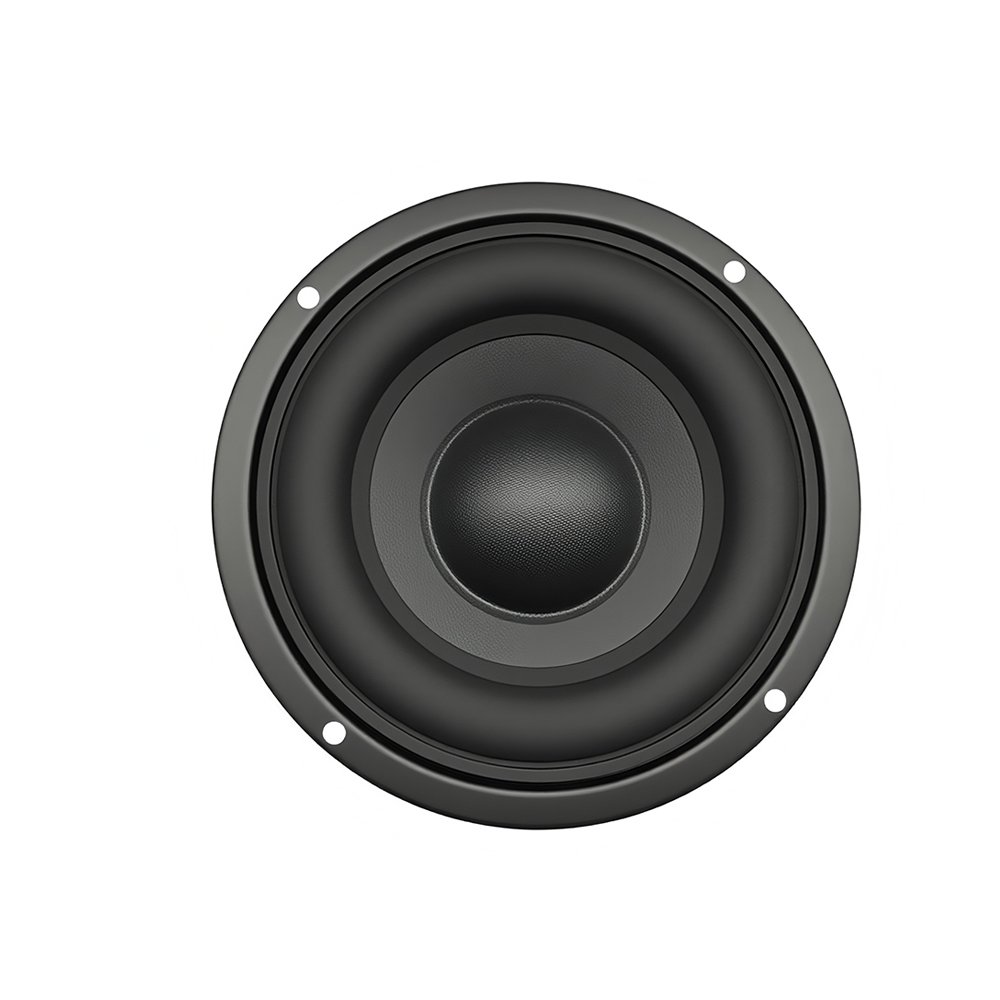
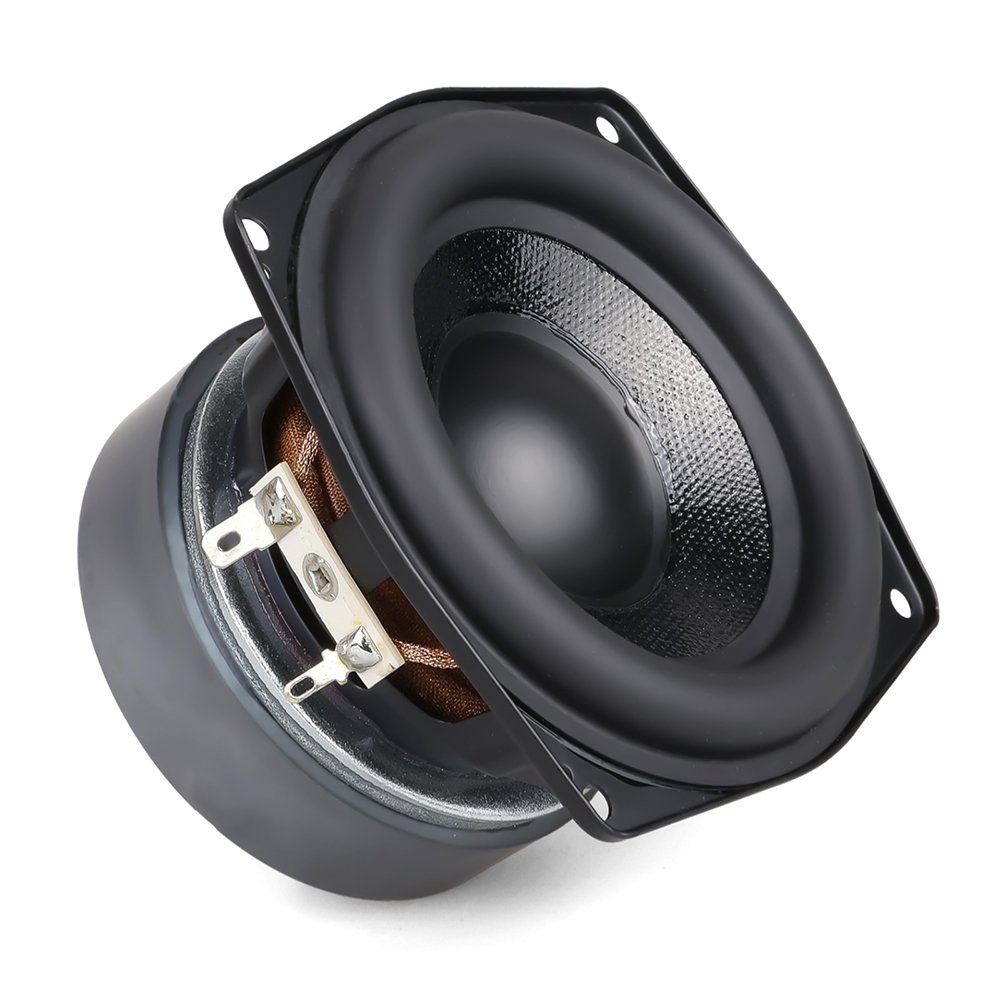
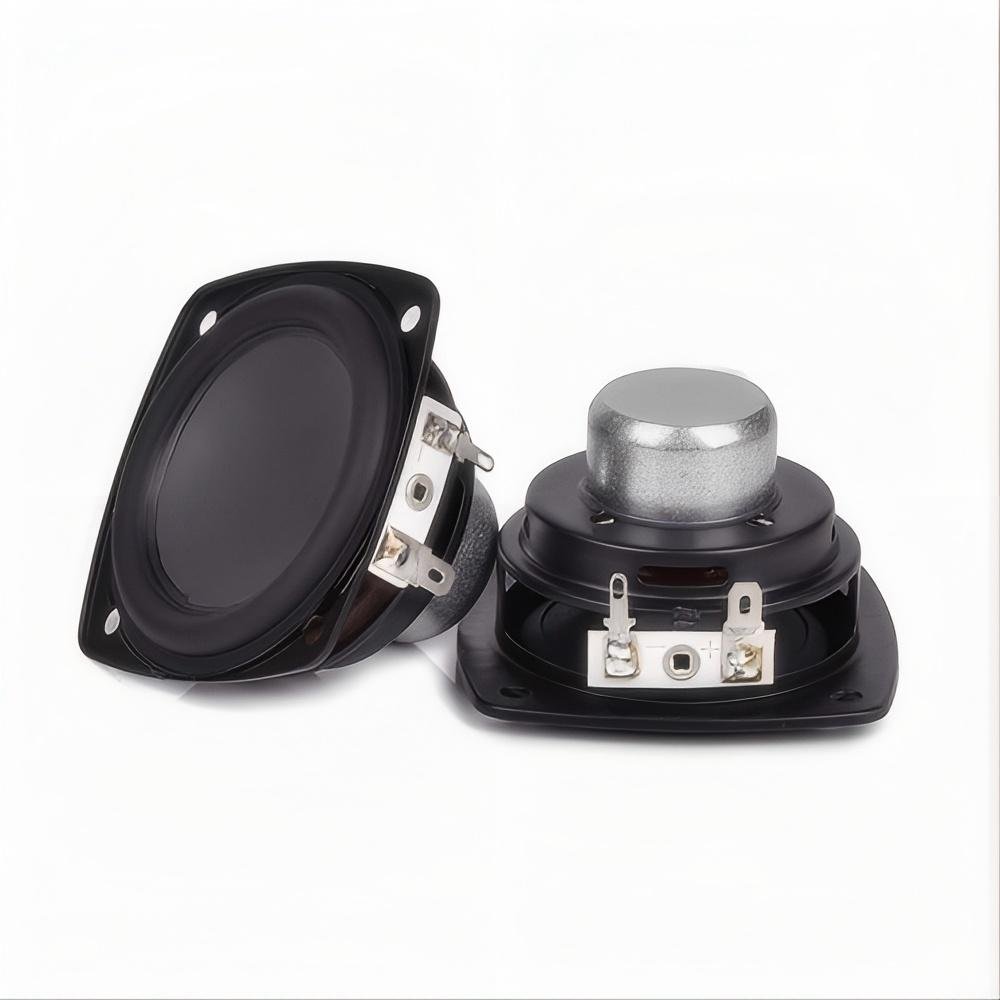
The Driver Unit Production is the heart of the operation. A typical dynamic driver consists of:
- The Basket (Frame): Usually die-cast from aluminum or stamped from steel, providing a rigid structure.
- The Magnet Assembly: Comprising a ferrite or, in high-end models, neodymium magnet, a front plate, and a pole piece. This assembly creates the magnetic gap where the voice coil operates.
- The Voice Coil: A cylindrical former (often aluminum or Kapton) wound with copper or aluminum wire. This coil is immersed in the magnetic field and moves when current from the amplifier flows through it.
- The Diaphragm (Cone/Dome): Attached to the voice coil, this is the surface that pushes air to create sound. Materials range from treated paper, polypropylene, and aluminum to advanced composites like carbon fiber or Berillio for tweeters. The surround (spider and outer rim) provides the restoring force.
Each component undergoes stringent Quality Control (QC). For example, voice coils are laser-measured for winding consistency, and diaphragms are weighed and checked for material uniformity.
Simultaneously, Enclosure Manufacturing occurs. For wood enclosures, high-density Medium-Density Fibreboard (MDF) or birch plywood is precision-cut by computer-controlled routers. The pieces are then assembled, glued, clamped, and often internally braced. The surfaces are prepared for finishing—sanded, filled, and primed. For portable or outdoor speakers, injection molding of polycarbonate or ABS plastic is common. The mold design here is critical, ensuring structural integrity and minimal resonance. A growing trend is the use of post-consumer recycled plastics and sustainably sourced woods.
The Crossover Network is the speaker’s brain. This assembly of capacitors, inductors, and resistors is assembled on a printed circuit board (PCB). The choice of components—such as film capacitors vs. electrolytic or air-core vs. ferrite-core inductors—significantly impacts sound quality and cost. This board is then mounted inside the enclosure.
Assembly, Testing, and Final Quality Assurance
The meticulously manufactured components converge on the assembly line for final integration. This stage blends skilled handcraftsmanship with automated precision.
The Assembly Line Process typically follows a lean manufacturing sequence:
- Envelope Prep: The empty enclosure receives damping material (like acoustic fiberglass or foam) to control internal reflections.
- Driver Installation: Workers manually install and screw the woofer, tweeter, and other drivers into their pre-cut openings, ensuring a perfect seal with a gasket.
- Crossover & Wiring: The crossover PCB is mounted, and internal wiring is soldered or connected to the drivers and terminal cup.
- Final Assembly: The rear panel or terminal cup is sealed, and any grilles, feet, or decorative elements are attached.
At each station, in-line testing occurs. A simple “tap” test might check for voice coil rubbing immediately after driver installation.
The most critical step is Final Electroacoustic Testing. Every single speaker unit is placed in a QC test booth, a semi-anechoic environment. It is connected to a test system that plays a series of frequency sweeps and tones. Microphones capture the output, and software compares the speaker’s response to a golden reference curve derived from the approved prototype. The system automatically flags units with anomalies like:
- Excessive Distortion: Indicating a defective voice coil or magnet.
- Capacitance/Impedance Mismatch: Suggesting a faulty crossover component.
- Rattles or Buzzing: Pointing to a loose part or debris in the enclosure.
- Channel Imbalance (for paired sets): Ensuring left/right speakers are matched within a tight tolerance (often ±0.5 dB).
Failed units are diverted to a repair station for diagnosis and rework. A 2024 industry benchmark for first-pass yield rate in a reputable factory is 92-96%. Finally, approved units undergo a burn-in or aging process, where they are played at moderate levels for several hours to stabilize the mechanical components (like the speaker surround) and catch any early-life failures.
Packaging, Logistics, and Industry Outlook
The journey concludes with preparing the speaker for its ultimate destination: the listener’s home. Packaging Design is both a marketing and an engineering task. The box must be visually appealing while providing exceptional protection. Molded pulp or expanded polystyrene (EPS) foam inserts are custom-designed to cradle the speaker, passing standardized drop tests (e.g., from 1-meter height onto concrete). The industry is rapidly moving away from single-use plastics, adopting molded pulp from recycled cardboard or sugarcane bagasse.
After boxing, units are palletized and shipped globally. Real-time supply chain analytics are crucial here, optimizing routes and inventory levels. The final step is retailer or direct-to-consumer fulfillment.
The speaker production landscape is constantly evolving. Key data points shaping 2024-2025 include:
| Aspect | Trend & Data Point | Impact on Production |
|---|---|---|
| Materials | >30% increase in use of recycled/biobased materials (YoY). | New supplier vetting; adjustments in molding/forming processes. |
| Automation | Collaborative robots (“cobots”) handling 25% of repetitive assembly tasks. | Higher consistency; reduced physical strain on workers. |
| Connectivity | Over 70% of non-portable speakers now feature Wi-Fi/streaming. | Integrating software flashing & network testing into QC lines. |
| Sustainability | Carbon footprint tracking now requested by 40% of major OEMs. | Implementing full lifecycle analysis (LCA) from raw material to shipping. |
Professional Q&A on Speaker Production
Q1: What is the most common point of failure caught during final speaker testing, and how is it addressed?
UN: The most frequent issues are buzzing or rattling (often from a stray piece of debris or a slightly loose glue joint) and voice coil rub (where the coil scrapes against the magnet gap). On the line, these are identified by the automated test suite’s distortion analysis and by trained technicians doing a brief listen. Rework involves carefully opening the unit (if designed for service), diagnosing the exact cause—using stethoscopes or vibration sensors—and rectifying it, such as removing debris, re-gluing, or replacing the driver. A robust Root Cause Analysis (RCA) is then fed back to the relevant manufacturing station to prevent recurrence.
Q2: How are manufacturers balancing the demand for high-end sound quality with the need for sustainable materials?
UN: This is a key engineering challenge. The industry is innovating on two fronts. First, in material substitution: developing diaphragms from flax, hemp, or recycled aluminum alloys that offer similar stiffness-to-weight ratios as traditional materials. Second, in process efficiency: using AI to optimize driver design for lower material use without sacrificing performance, employing water-based adhesives, and reducing energy consumption in magnet magnetization and CNC machining. The goal is a circular design philosophy, where products are easier to disassemble for repair or recycling at end-of-life.
Q3: With the rise of streaming and DSP, how has the speaker crossover design and production process changed?
UN: The shift is profound. While traditional passive analog crossovers (PCBs with coils/capacitors) are still standard for most home audio, Digital Signal Processing (DSP) is now dominant in professional, portable, and high-end wireless speakers. In production, this means the “crossover” is implemented in software. The physical manufacturing stage involves soldering a Digital-to-Analog Converter (DAC) and a powerful microcontroller onto the main board. The final testing phase now includes software flashing to load the DSP firmware and specialized tests to verify the accuracy of digital filters, time alignment, and any companion app connectivity. This allows for incredible post-production tuning flexibility but requires more complex validation protocols.