
When it comes to protecting and complementing your high-fidelity speakers, the choice of grille or cover is far from a mere cosmetic afterthought. It sits at the critical intersection of acoustics, durability, and design, directly influencing how your system sounds, lasts, and looks. The debate between metal mesh E fabric speaker covers is a central one for audio enthusiasts, integrators, and manufacturers alike. Selecting the right custom speaker cover is a decision that balances science, environment, and personal taste. This comprehensive guide will dissect the core attributes of both metal and fabric options, providing you with the real-time data and professional insights needed to make an informed choice for your specific application.
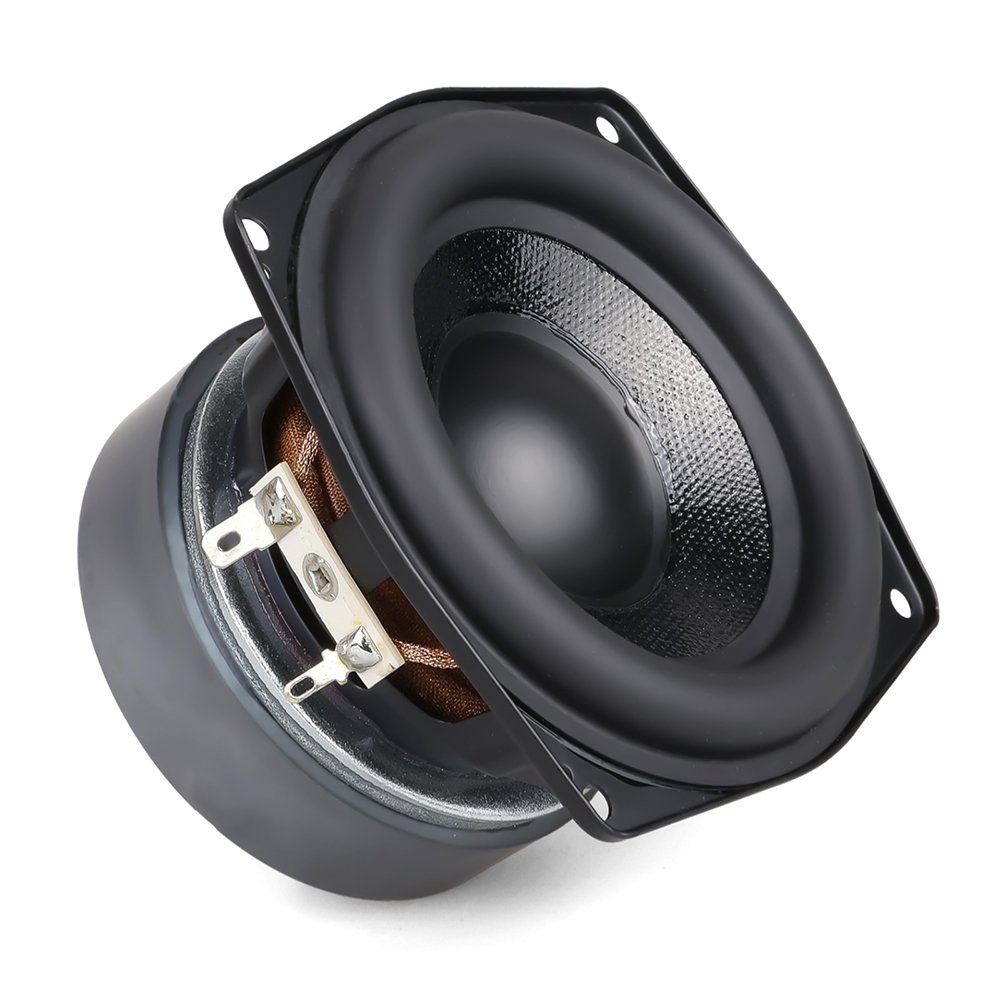
Core Differences: Acoustics, Protection, and Aesthetics
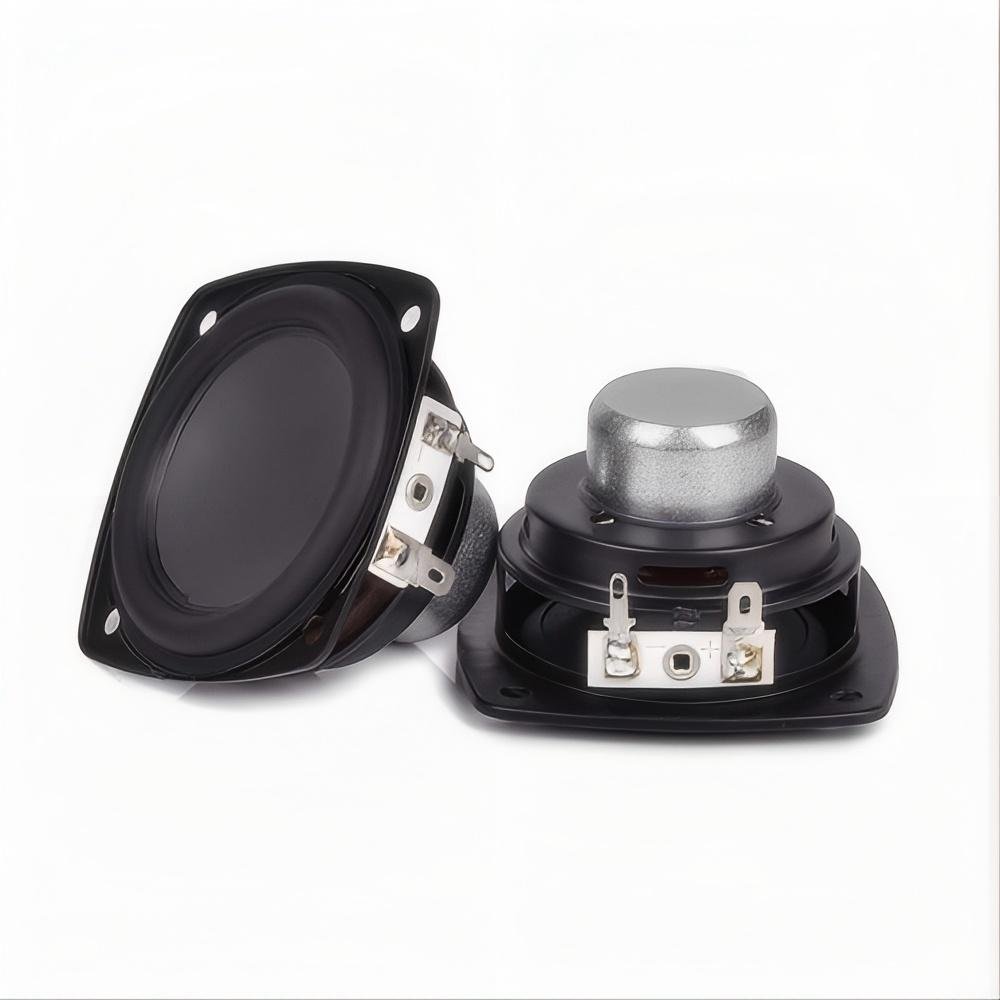
The fundamental divergence between metal mesh and fabric covers lies in their material properties, which cascade into significant differences in performance and application.
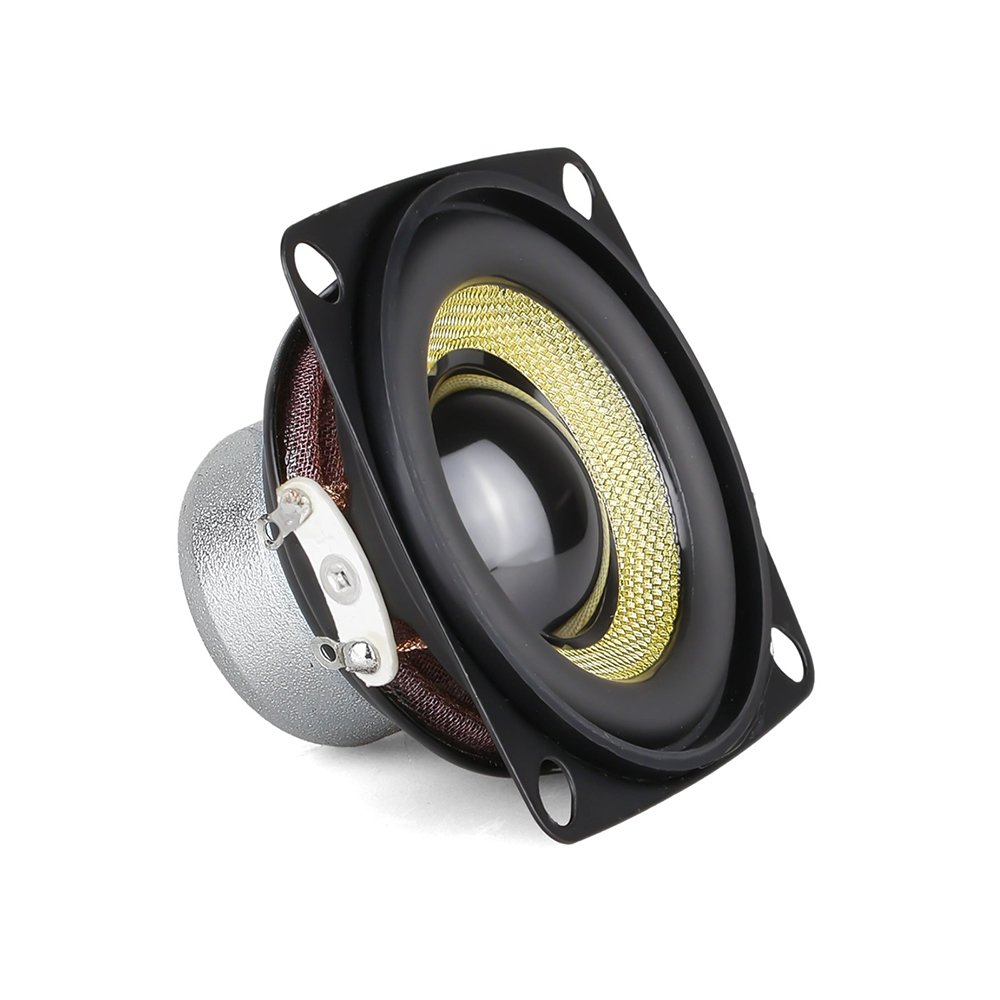
Acoustic Transparency & Sound Fidelity
This is the most critical factor for purists. The cover’s primary acoustic job is to be as “invisible” to sound waves as possible.
- Fabric Covers: Typically constructed from acoustically transparent, woven materials like polyester, nylon, or specialized blends, fabric is often the gold standard for minimal sonic interference. High-quality acoustic fabrics are engineered to have a high Open Area Ratio and minimal acoustical impedance, allowing sound waves—especially high frequencies—to pass through with negligible absorption, diffraction, or coloration. For reference, premium acoustic fabrics from brands like Guilford of Maine or MDC boast sound transparency ratings where over 98% of sound energy passes through unimpeded.
- Metal Mesh: Perforated or woven metal (often aluminum or steel) can be highly acoustically transparent if the perforations are sufficiently large and numerous. However, metal can cause high-frequency attenuation if the holes are too small or the material too thick. It can also introduce subtle diffraction effects, where sound waves scatter at the edges of the holes. Modern laser-perforated metal meshes with micro-perforations (holes as small as 0.3-0.5mm) have mitigated this significantly, but the design and precision are crucial. Generally, for the most critical listening environments, a premium acoustic fabric retains a slight edge in perceived neutrality.
Physical Protection & Durability
Here, the balance of power shifts notably.
- Metal Mesh: Offers superior structural rigidity and protection. It acts as a robust shield against accidental impacts, punctures, pet paws, and curious fingers (especially important for delicate driver cones like tweeters and midranges). Powder-coated or anodized aluminum meshes also provide excellent resistance to environmental factors like UV rays, humidity, and temperature fluctuations, making them ideal for outdoor or harsh indoor environments (e.g., coastal areas, patios, commercial spaces).
- Fabric Covers: While durable fabrics exist, they generally offer less impact protection. Their main vulnerability is to tearing, snagging, and staining. However, many modern fabrics are treated to be stain-resistant, moisture-repellent, and even flame-retardant (crucial for commercial installations). For indoor, controlled environments, a quality fabric provides ample protection against dust and minor contact.
Aesthetic & Design Integration
This is a subjective but paramount consideration.
- Fabric Covers: Offer virtually unlimited customizability. They can be wrapped over complex, curved baffles and come in hundreds of colors, textures, and weaves. They provide a softer, warmer, and more residential-friendly look, allowing speakers to blend seamlessly into living spaces. Magnetic attachment systems for fabric grilles offer a clean, seamless appearance.
- Metal Mesh: Projects a modern, industrial, or high-tech aesthetic. It conveys a sense of robustness and technical precision. Finishes can vary from matte black and metallic silver to custom color powder coatings. The look is often more associated with professional studio monitors, high-end architectural speakers, or avant-garde interior design.
Application-Based Recommendations: Matching the Cover to the Scene
The “best” choice is entirely context-dependent. Here’s a breakdown by common application scenarios, incorporating current 2023-2024 market trends from industry reports by CEDIA and CE Pro.
1. Dedicated Home Theater & Critical Listening Rooms
- Primary Goal: Uncompromised Sound Quality.
- Recommended Choice: High-End Acoustic Fabric. In a light-controlled environment where protection is a secondary concern, an acoustically transparent fabric is the preferred choice of most calibrators and audiophiles. It preserves the speaker designer’s intended sonic signature. The trend is towards magnetic, ultra-thin frame systems that minimize visual distraction.
- Data Point: A 2023 survey of professional home theater integrators showed that over 85% specify custom fabric grilles for dedicated theater rooms, citing “acoustic purity” as the top reason.
2. Whole-Home Audio & Architectural Speakers (In-Wall/In-Ceiling)
- Primary Goal: Discreet Aesthetics and Environmental Suitability.
- Recommended Choice: Highly Dependent on Location.
- Living Areas, Bedrooms: Paintable Fabric Grilles. These allow the speaker to vanish into the ceiling or wall, matching the exact paint color. This remains the dominant choice for residential stealth.
- Moisture-Prone Areas (Bathrooms, Kitchens, Covered Patios): Powder-Coated Metal Mesh. Its resistance to humidity, steam, and easier cleaning makes it superior. Look for rust-resistant aluminum with a moisture rating (e.g., IP rating for the grille assembly).
- Commercial/High-Traffic Areas: Rigid Perforated Metal or Composite. Offers the best protection against damage in hotels, restaurants, or offices.
3. Professional Recording/Monitoring Studios
- Primary Goal: Durability with Controlled Acoustics.
- Recommended Choice: Often a Robust Fabric (like ballistic nylon) or a heavy-duty, precisely perforated steel mesh. Studio monitors face constant use, potential equipment bumps, and need to maintain consistent response. The grille must be acoustically predictable and physically tough.
4. Outdoor & Marine Audio
- Primary Goal: Maximum Environmental Endurance.
- Recommended Choice: Marine-Grade Polymer-Coated Metal Mesh O Specialized Outdoor Fabrics (e.g., Sunbrella® audio lines). UV resistance, corrosion resistance (salt spray tested for marine use), and waterproofing are non-negotiable. Metal often has the edge for long-term weathering, but advanced solution-dyed acrylic outdoor fabrics are a strong, colorfast competitor.
The Selection Checklist: Your Decision-Making Framework
Use this actionable checklist to guide your specification process:
- Acoustic Priority: Is absolute sonic transparency the #1 factor? → Lean Fabric.
- Environment: Is it humid, sunny, dusty, or high-traffic? → Lean Metallo O Specialized Outdoor Fabric.
- Protection Needed: Are there pets, children, or risk of impact? → Lean Metallo.
- Aesthetic Vision: Do you need a painted, seamless blend or a bold, technical statement? → Fabric for blend, Metallo for statement.
- Budget & Customization: Fabric grilles are generally more cost-effective for complex custom shapes. Custom powder-coating metal can increase cost.
Comparative Specifications Table
| Caratteristica | Premium Acoustic Fabric | Precision Perforated Metal Mesh |
|---|---|---|
| Acoustic Transparency | Excellent (98%+ transmission typical) | Very Good to Excellent (depends on perforation) |
| High-Frequency Impact | Negligible attenuation | Potential for slight attenuation if poorly designed |
| Physical Protection | Good vs. dust; Fair vs. impact/puncture | Excellent (rigid barrier) |
| Environmental Durability | Good (with treatments); poor if untreated | Excellent (UV, moisture, temp resistant) |
| Aesthetic Flexibility | Very High (colors, textures, paintable) | Moderate (color finishes, modern/industrial look) |
| Ideal Primary Use Case | Dedicated home theaters, discreet architectural installs | Outdoor, commercial, industrial-design interiors, studios |
| Relative Cost (Custom) | Moderate | Moderate to High |
Professional Q&A: Addressing Common Dilemmas
Q1: I keep hearing that any grille degrades sound. Is that always true, and which type degrades it less?
UN: While any object in front of a driver can affect sound, the goal of a well-designed cover is to make that effect inaudible. In controlled double-blind tests, high-quality acoustic fabrics are consistently rated as having the least perceptible impact on frequency response, particularly above 2kHz. Metal mesh, unless exceptionally well-designed with micro-perforations, is more likely to cause measurable high-frequency roll-off. For critical applications, always request the manufacturer’s frequency response charts with and without the grille.
Q2: For my outdoor patio speakers, isn’t metal mesh prone to getting hot in the sun and potentially causing issues?
UN: This is a valid concern. Powder-coated aluminum mesh does absorb heat. However, reputable outdoor speaker designs account for this. The grille is not in conductive contact with the voice coil, and speakers are rated for operating temperature ranges. The benefits of metal—superior corrosion resistance, ability to shed water, and resistance to mold/mildew—far outweigh the thermal consideration in most climates. For extreme, direct-sun applications, a white or light-colored powder coat will reflect significant heat.
Q3: How do I clean and maintain these different covers?
UN:
- Fabric: Use a soft brush attachment on a vacuum cleaner regularly. For spots, gently dab with a mild detergent solution; never soak or rub harshly. Professional acoustic fabrics should not be steam-cleaned as it can damage the weave and treatments.
- Metal Mesh: Can be wiped down with a damp cloth and mild cleaner. For outdoor units, a periodic rinse with water is recommended to remove dirt and pollutants that could degrade the finish over time. Avoid abrasive pads.
Q4: Can I get the durability of metal with the acoustics of fabric? Are there hybrid solutions?
UN: The industry is innovating in this area. Solutions include:
- Composite Grilles: A rigid perforated substrate (for protection) covered with a thin layer of acoustic fabric (for sound and feel).
- 3D-Knit Technical Fabrics: These are increasingly robust, offering near-fabric acoustics with significantly improved tear resistance.
- Ultra-Precise Metal: Laser-cut metal with such high open area (e.g., >80%) and minimal material thickness that its acoustic signature approaches that of fabric.
Consult with your speaker manufacturer or a custom grille fabricator about these emerging hybrid options.
Q5: I’m having custom speakers built. How do I ensure the grille design doesn’t compromise the engineer’s work?
UN: This is crucial. Engage in a collaborative dialogue with your speaker builder or integrator. They can model or test grille materials. Key questions to ask: “What is the target Open Area Percentage for my design?” E “Do you have impedance or frequency response data for the recommended grille options?” The best results come from treating the cover as an integral part of the speaker system, not a last-minute add-on.
By carefully weighing the acoustic, physical, and aesthetic properties outlined here against your specific needs, you can move beyond seeing speaker covers as simple accessories and recognize them as essential, performance-defining components of your audio ecosystem.