
Audio Indossabile Ridefinito: Unire Portabilità e Prestazioni
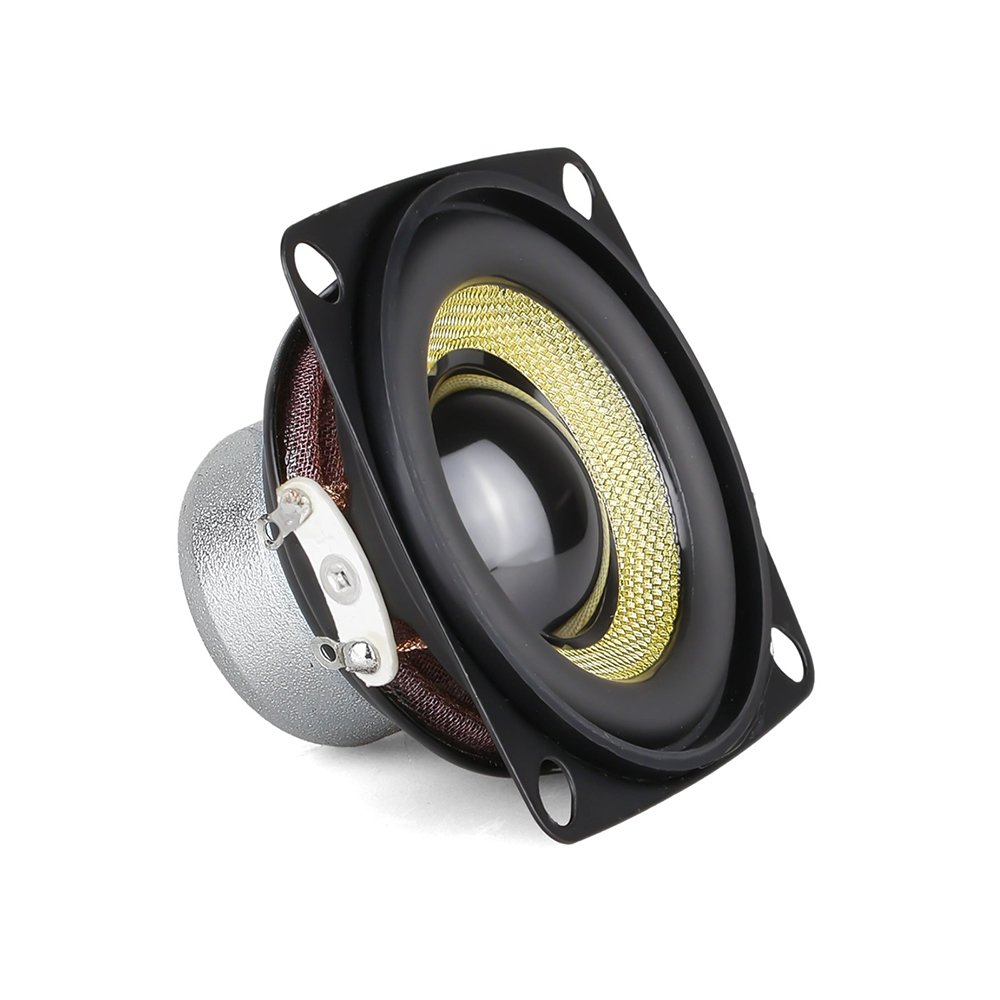
I mini altoparlanti stanno rivoluzionando la tecnologia indossabile, offrendo audio di alta qualità da dispositivi così piccoli da poter essere indossati al polso, integrati in occhiali o nei tessuti. A differenza degli altoparlanti portatili tradizionali, questi componenti micro-acustici affrontano sfide uniche: devono produrre un suono chiaro consumando energia minima, resistere all'esposizione ambientale e adattarsi a spazi spesso più piccoli di un'unghia. I più recenti progressi negli altoparlanti MEMS (sistemi micro-elettro-meccanici), nei materiali piezoelettrici e nella tecnologia a conduzione ossea consentono ai produttori di integrare esperienze audio ricche in smartwatch, fitness tracker, occhiali per realtà aumentata e persino gioielli intelligenti. Questo cambiamento rappresenta più di una semplice miniaturizzazione: è un ripensamento fondamentale di come gli esseri umani interagiscono con l'audio in movimento, creando un suono senza soluzione di continuità e sempre accessibile che si integra nella vita quotidiana senza cuffie ingombranti o dispositivi esterni.
Ingegnerizzare il Suono in Spazi Microscopici: Evoluzione Tecnica e Sfide di Progettazione
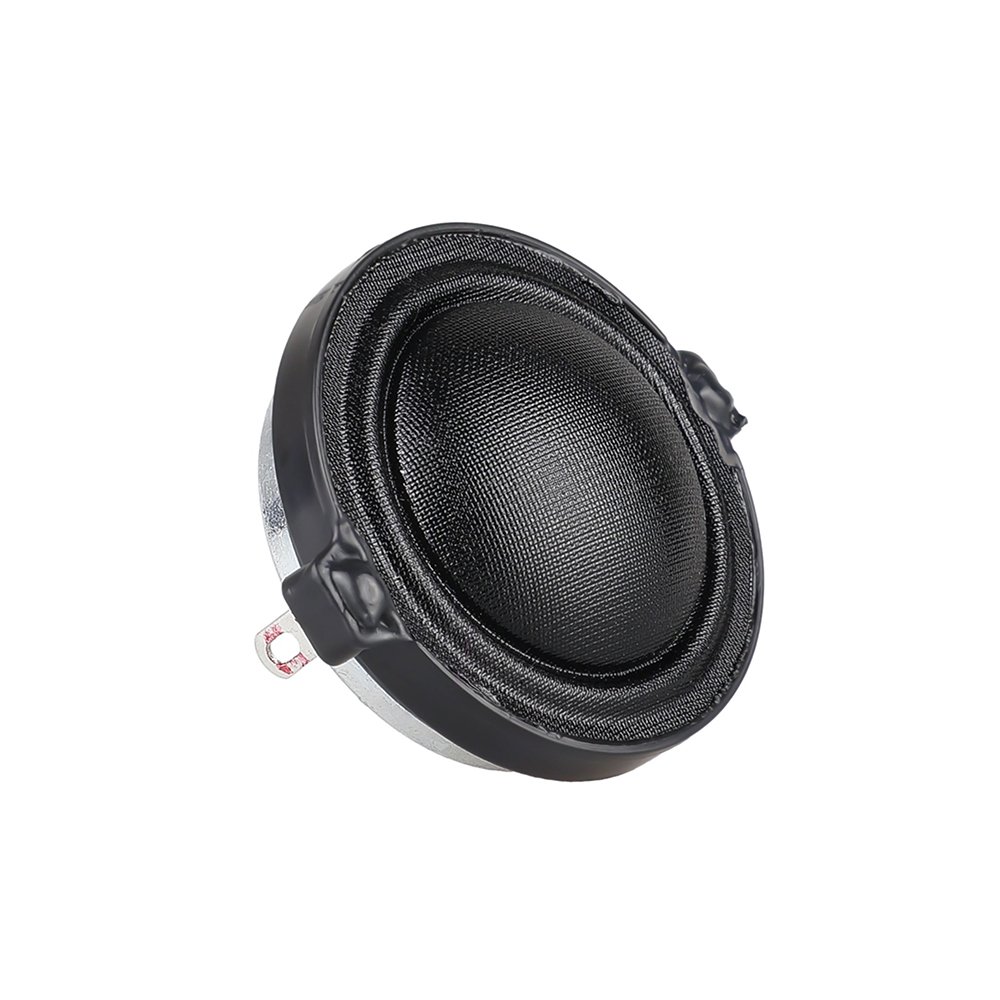
Progettare altoparlanti per dispositivi indossabili implica superare severe limitazioni fisiche. I driver dinamici tradizionali si basano su bobine mobili e grandi diaframmi che richiedono spazio per lo spostamento dell'aria, un lusso che i dispositivi indossabili non hanno. Invece, gli ingegneri adottano approcci innovativi. Gli altoparlanti MEMS, ad esempio, utilizzano tecniche di fabbricazione di semiconduttori per creare altoparlanti grandi fino a 4x4 mm, con spessori inferiori a 1 mm. Questi altoparlanti funzionano vibrando un diaframma di silicio microscopico, producendo un suono con una distorsione notevolmente bassa. Gli altoparlanti piezoelettrici, un'altra tecnologia chiave, utilizzano materiali che cambiano forma quando viene applicata una tensione, convertendo i segnali elettrici direttamente in onde sonore senza magneti ingombranti. Per dispositivi come smart ring o apparecchi acustici, i driver a armatura bilanciata, da tempo utilizzati nei monitor auricolari di fascia alta, vengono ulteriormente miniaturizzati per offrire gamme di frequenza mirate in involucri sigillati.
I principali compromessi nella miniaturizzazione riguardano la risposta in frequenza, l'efficienza energetica e la durata. Gli altoparlanti più piccoli faticano naturalmente a riprodurre i bassi a causa del movimento d'aria limitato. Algoritmi avanzati di elaborazione del segnale digitale (DSP) ora compensano potenziando psicoacusticamente le basse frequenze, facendo percepire all'orecchio bassi più profondi di quanto fisicamente prodotti. Il consumo energetico è critico; un altoparlante per smartwatch che consuma troppa energia ridurrebbe drasticamente la durata della batteria. I nuovi progetti operano a meno di 10 mW durante la riproduzione, sfruttando spesso amplificatori di classe D ultra-efficienti. Le sfide di durabilità includono l'impermeabilità (molti indossabili ora hanno classificazioni IP67/68), la resistenza a sudore e polvere e la resilienza agli urti fisici dell'uso quotidiano. Materiali come diaframmi in grafene e nanorivestimenti resistenti alla corrosione stanno affrontando questi problemi, consentendo altoparlanti che sopravvivono ad allenamenti, pioggia e cadute accidentali.
Tabella: Confronto delle Tecnologie di Mini Altoparlanti per Dispositivi Indossabili
| Tecnologia | Dimensioni Tipiche | Efficienza Energetica | Punti di Forza Chiave | Applicazioni Comuni |
|—————-|——————|———————-|——————-|————————-|
| Altoparlanti MEMS | 4x4x1mm | Eccellente (≤5mW media) | Ultra-sottile, alta consistenza, buoni medi | Smartwatch, apparecchi acustici, occhiali AR |
| Piezoelettrico | 10x10x0.5mm | Molto Buono (≈8mW media) | Senza magneti, profilo sottile, ampia frequenza | Fitness tracker, abbigliamento intelligente, badge IoT |
| Armatura Bilanciata | 6x4x3mm | Buono (≈12mW media) | Alti/medi precisi, funziona in spazi sigillati | Auricolari smart premium, dispositivi acustici avanzati |
| Conduzione Ossea | 15x10mm (trasduttore) | Moderato (≈15mW media) | Lascia l'orecchio libero, consapevolezza situazionale | Occhiali sportivi, caschi di sicurezza, comunicazioni specializzate |
L'Esperienza Utente: Qualità del Suono, Personalizzazione e Applicazioni Reali
Per i consumatori, il test finale è come questi minuscoli altoparlanti si comportano negli scenari quotidiani. Un altoparlante per smartwatch che gestisce chiamate in una strada rumorosa, occhiali AR che forniscono prompt di navigazione audio spaziale, o un fitness tracker che fornisce feedback vocale durante una corsa: ciascuno richiede chiarezza nonostante il rumore di fondo. Array di microfoni beamforming abbinati a mini altoparlanti consentono una chiara cattura e riproduzione della voce anche in ambienti ventosi o affollati. Algoritmi audio adattivi, come quelli degli ultimi Apple Watch e dispositivi Wear OS, regolano automaticamente volume ed equalizzazione in base ai livelli di rumore ambientale rilevati dai sensori di bordo.
La personalizzazione sta diventando standard. Tramite app companion, gli utenti possono personalizzare i profili sonori per musica, chiamate o avvisi. Alcuni indossabili ora apprendono le preferenze di ascolto nel tempo, ottimizzando automaticamente per l'intelligibilità del parlato o la fedeltà musicale. L'integrazione aptico-acustica aggiunge un altro livello: gli smartwatch combinano vibrazioni sottili con avvisi audio per notifiche discrete. In contesti sociali, le tecnologie di proiezione sonora direzionale (come il beamforming ultrasonico in fase sperimentale) mirano a creare bolle audio personali, permettendo solo a chi indossa il dispositivo di sentire l'output, un potenziale punto di svolta per l'usabilità pubblica.
Le applicazioni reali si estendono ben oltre l'elettronica di consumo. Nel settore sanitario, cerotti indossabili con mini altoparlanti forniscono promemoria per farmaci o esercizi di respirazione guidata per pazienti cronici. I caschi di sicurezza industriali integrano altoparlanti per la comunicazione a mani libere in ambienti rumorosi. Persino la moda ha abbracciato la tendenza, con aziende come House of Holland che sperimentano abbigliamento dotato di altoparlanti che reagisce al movimento o all'ambiente. Il filo conduttore è l'audio contestuale: un suono che migliora un'attività senza isolare l'utente dall'ambiente circostante.
Crescita del Mercato, Attori Chiave e Innovazioni Future
Il mercato dell'audio indossabile si sta espandendo rapidamente. Secondo dati recenti di Strategy Analytics, le spedizioni di smartwatch sono cresciute del 24% su base annua nel primo trimestre del 2024, con oltre 180 milioni di unità previste annualmente entro il 2025, ciascuna contenente almeno un mini altoparlante. Il mercato degli hearable (inclusi gli auricolari true wireless) continua a fondersi con quello degli indossabili, guidando la ricerca e sviluppo nella micro-acustica. Attori chiave come Knowles, AAC Technologies e Infineon dominano la fornitura di altoparlanti MEMS, mentre Sonion e Sonos sono leader nei progetti avanzati di micro-driver. I giganti dell'elettronica di consumo (Apple, Samsung, Google) stanno investendo pesantemente in tecnologie audio proprietarie, come i driver personalizzati di Apple nell'Apple Watch Ultra, progettati per un audio esterno più chiaro.
Le innovazioni emergenti puntano a un futuro trasformativo. Altoparlanti flessibili stampati, che utilizzano inchiostri conduttivi su sottili film polimerici, possono essere integrati in maniche di tessuto o superfici curve, consentendo fattori di forma completamente nuovi. Altoparlanti a raccolta di energia che convertono le vibrazioni ambientali in energia potrebbero portare a dispositivi indossabili audio senza batteria. Forse la più promettente è lo sviluppo di superfici acustiche multifunzionali: un singolo componente che funge da altoparlante, microfono e sensore ultrasonico per il controllo gestuale. La ricerca nei metamateriali, strutture ingegnerizzate che manipolano le onde sonore, potrebbe presto consentire ad altoparlanti più piccoli di un chicco di riso di produrre audio a gamma completa controllando la risonanza acustica a livello microscopico.
Con la maturazione del 5G e del edge computing, gli altoparlanti indossabili diventeranno gateway per conversazioni tradotte in tempo reale, ambienti audio immersivi in AR/VR e feedback sanitario proattivo, come uno smartwatch che analizza la frequenza della tosse o lo stress vocale per rilevare malattie. La convergenza del rilevamento biometrico e dell'output audio renderà gli indossabili non solo dispositivi di riproduzione, ma partner interattivi per la salute e la comunicazione.
Domande e Risposte Professionali: Affrontare le Principali Questioni Tecniche e di Mercato
D1: Quali sono i maggiori compromessi nella progettazione di altoparlanti per dispositivi indossabili rispetto agli altoparlanti portatili tradizionali?
I principali compromessi riguardano la risposta dei bassi, il volume massimo e l'efficienza energetica. Gli altoparlanti indossabili privilegiano le dimensioni e il risparmio energetico rispetto alla fedeltà a gamma completa. Gli ingegneri spesso sacrificano l'estensione delle basse frequenze (sotto i 200 Hz) e si affidano ad algoritmi di potenziamento psicoacustico dei bassi. La dissipazione del calore è un'altra preoccupazione; gli involucri minuscoli limitano la gestione termica, limitando la riproduzione prolungata ad alto volume. Tuttavia, i progressi nei materiali e nel DSP stanno rapidamente colmando queste lacune.
D2: Come sta tenendo il passo la tecnologia delle batterie con le richieste energetiche dell'audio indossabile sempre attivo?
Le batterie a stato solido e le celle al litio con anodo di silicio stanno emergendo per offrire una maggiore densità energetica in fattori di forma ridotti. Nel frattempo, ottimizzazioni a livello di sistema, come core DSP audio a basso consumo, codec Bluetooth LE Audio efficienti (LC3) e attivazione sensibile al contesto, riducono il consumo complessivo. Molti dispositivi ora utilizzano sistemi ibridi in cui l'altoparlante assorbe energia significativa solo durante la riproduzione attiva, rimanendo altrimenti in uno stato di potenza quasi zero.
D3: Quale tecnologia emergente per altoparlanti mostra le maggiori promesse per i dispositivi indossabili di prossima generazione?
Gli altoparlanti piezoelettrici basati su MEMS attualmente sono leader per il bilanciamento tra dimensioni, efficienza e durata. Tuttavia, la conduzione ossea sta guadagnando terreno per le applicazioni a orecchio aperto (come gli occhiali AR), poiché evita l'ostruzione dell'orecchio e migliora la consapevolezza situazionale. Per dispositivi indossabili veramente discreti, gli altoparlanti a film elettrostatico, che possono essere stampati su superfici, potrebbero consentire l'integrazione audio in abbigliamento e accessori senza cavità dedicate per altoparlanti.
D4: In che modo le preoccupazioni per la sostenibilità influenzano la produzione di mini altoparlanti?
Lo spostamento verso dispositivi indossabili modulari e riparabili spinge i fornitori a progettare altoparlanti che possano essere sostituiti indipendentemente. Magneti in terre rare riciclati, diaframmi biodegradabili e interfacce connettore standardizzate sono tendenze emergenti. I marchi leader ora mirano a cicli di vita più lunghi attraverso aggiornamenti software che migliorano le prestazioni audio senza modifiche hardware, riducendo i rifiuti elettronici.
D5: Che ruolo giocherà l'IA nel miglioramento dell'audio indossabile?
L'elaborazione audio in tempo reale basata sull'IA sta diventando standard. Esempi includono la cancellazione del rumore adattata ad ambienti specifici (ad esempio, cancellazione del rumore del vento durante il ciclismo), profili uditivi personalizzati che si adattano alla perdita dell'udito legata all'età e routing audio predittivo, come il passaggio automatico dall'altoparlante agli auricolari Bluetooth quando vengono rilevati nelle vicinanze. L'apprendimento automatico sul dispositivo consente questi adattamenti senza dipendenza dal cloud, preservando la privacy e riducendo la latenza.
D6: Esistono considerazioni sulla salute riguardo all'uso prolungato e ravvicinato di altoparlanti su dispositivi indossabili?
Gli organismi di regolamentazione limitano i livelli di uscita massimi per prevenire danni all'udito (tipicamente limitati a 100 dB SPL). La maggior parte degli indossabili imposta volumi più bassi per impostazione predefinita e include avvertenze per l'uso prolungato ad alto volume. I dispositivi a conduzione ossea evitano l'esposizione diretta del condotto uditivo, riducendo i rischi a lungo termine. La ricerca attuale non indica rischi sanitari non acustici significativi derivanti dall'emissione elettromagnetica dei micro-altoparlanti, poiché operano a livelli di potenza molto bassi, ben al di sotto delle soglie di sicurezza.