
Per ingegneri audio, appassionati di home theater e chiunque investa in un suono di qualità, comprendere le specifiche di potenza degli altoparlanti è fondamentale. La scheda tecnica può spesso sembrare un labirinto di numeri contrastanti, con RMS E Potenza di picco che sono i termini più importanti—e più frequentemente fraintesi. Scegliere un altoparlante basandosi esclusivamente su un valore elevato di potenza di picco è un errore comune che può portare a sistemi sottodimensionati, audio distorto o persino apparecchiature danneggiate. La misurazione e l'interpretazione accurate di questi valori sono fondamentali per costruire un sistema che offra un suono pulito, dinamico e affidabile. Questa guida chiarirà questi termini, fornirà una metodologia chiara per una misurazione accurata e vi fornirà le conoscenze per prendere decisioni veramente informate.
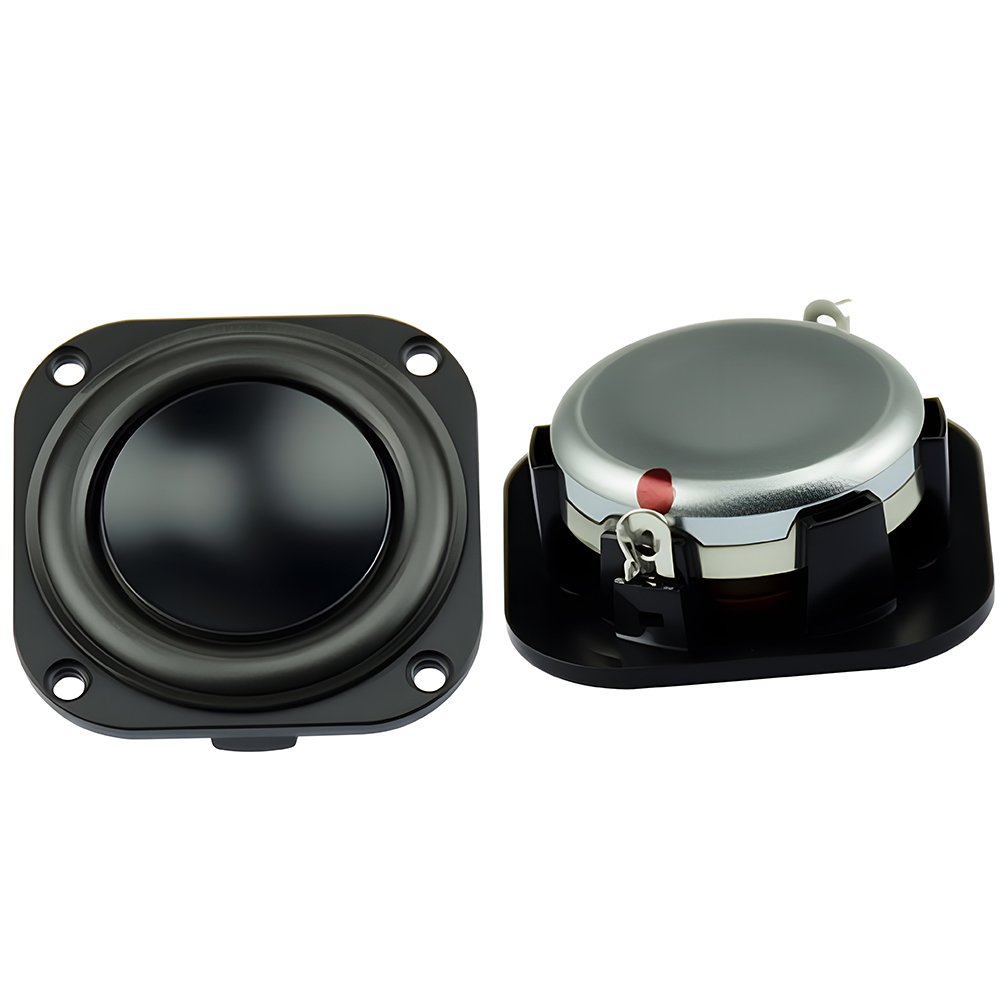
Comprendere i fondamenti: potenza RMS vs. potenza di picco
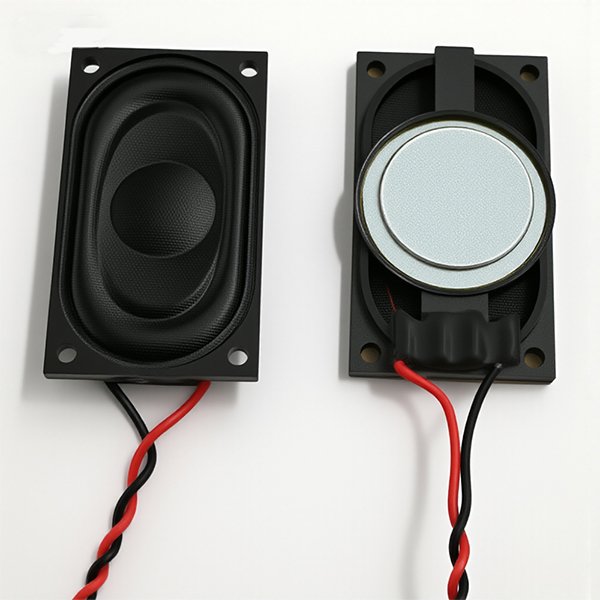
In sostanza, la potenza elettrica negli altoparlanti è la velocità con cui l'energia viene convertita da segnali elettrici in suono (e calore). Le due specifiche principali descrivono diversi aspetti di questa conversione.
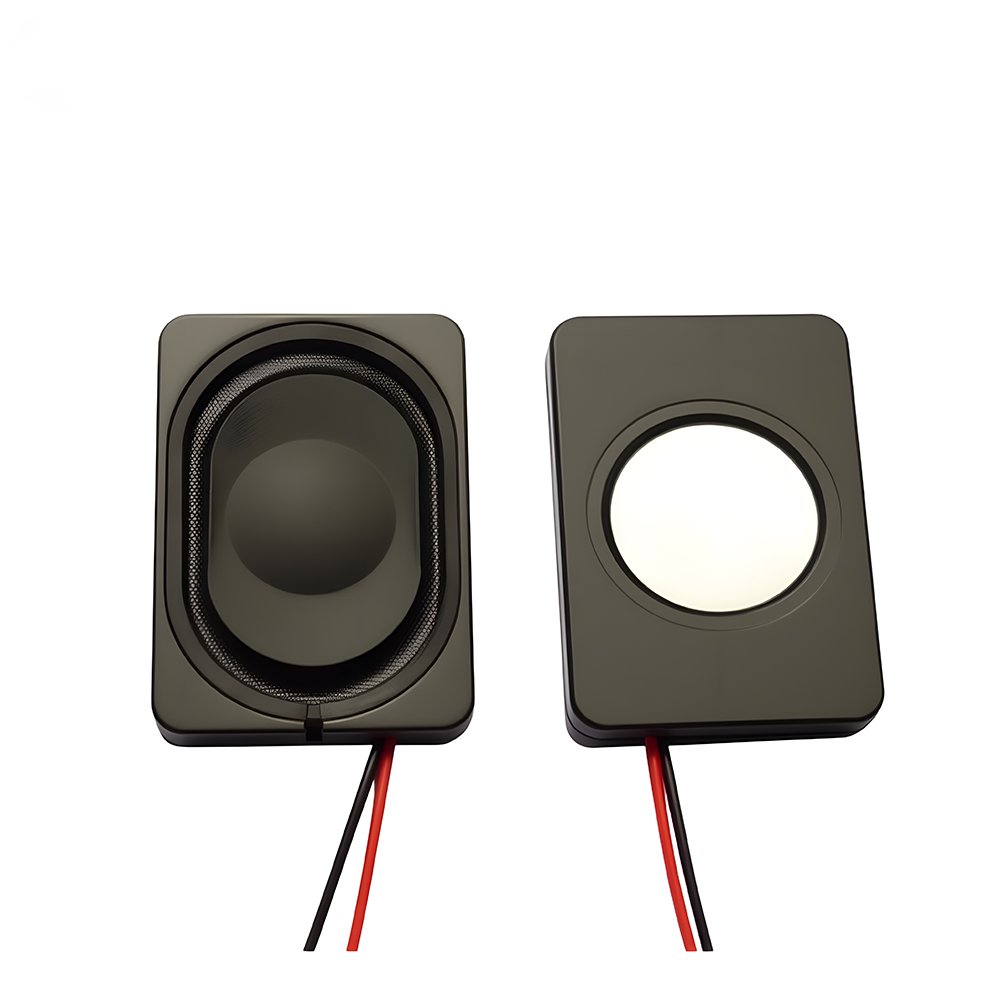
Potenza RMS (Root Mean Square) è il re delle specifiche significative. Rappresenta la potenza continua che un altoparlante può gestire o che un amplificatore può erogare per un periodo prolungato con un tono di prova standard (tipicamente un'onda sinusoidale a 1kHz) senza causare guasti termici o distorsione eccessiva. Pensatela come la valutazione di resistenza dell'altoparlante per l'uso quotidiano. Ad esempio, un altoparlante con una potenza nominale di 100 watt RMS può gestire comodamente un ingresso continuo di 100 watt. Questa specifica è direttamente legata alla capacità termica dell'altoparlante, ovvero la sua capacità di dissipare il calore dalla bobina mobile.
Potenza di picco, d'altra parte, è una misura della capacità massima a breve termine. Indica la potenza assoluta più alta che un altoparlante può gestire in brevi scoppi istantanei—spesso per millisecondi—senza subire danni meccanici (come l'escursione eccessiva del driver). Non è un livello sostenibile. Utilizzando l'esempio precedente, lo stesso altoparlante da 100 watt RMS potrebbe avere una potenza di picco nominale di 300 o 400 watt.
La relazione è spesso fraintesa. La potenza di picco non è “migliore” della potenza RMS; descrive una capacità diversa e transitoria. Una metrica derivata critica è il Fattore di cresta, il rapporto tra i valori di picco e RMS. La musica con un'elevata gamma dinamica (come la classica) ha un alto fattore di cresta (spesso 20 dB o più, con un rapporto di potenza di 10:1), mentre la musica moderna fortemente compressa ne ha uno molto più basso.
| Caratteristica | Potenza RMS | Potenza di picco |
|---|---|---|
| Definizione | Gestione della potenza continua e sostenibile. | Gestione della potenza istantanea massima. |
| Durata | A lungo termine (indefinita con tono di prova). | A breve termine (millisecondi). |
| Contro cosa protegge | Danni termici (surriscaldamento). | Danni meccanici (sovraccarico fisico). |
| Rilevanza | Determina il volume stabile e i limiti termici. | Determina il margine per i transienti dinamici. |
| Rapporto tipico con l'altro | Il valore di riferimento, base. | Spesso 2-4 volte il valore RMS. |
Standard e protocolli per una misurazione accurata
L'incoerenza nelle specifiche di potenza in tutto il settore deriva storicamente dalla mancanza di standard di prova uniformi. Fortunatamente, ora esistono diversi protocolli definiti e comprenderli è fondamentale per un confronto accurato.
- IEC (Commissione Elettrotecnica Internazionale): Il IEC 60268-5 Lo standard è un punto di riferimento internazionale ampiamente rispettato. Definisce la potenza RMS come l'ingresso massimo al quale l'altoparlante può funzionare per 1 ora con un segnale di rumore rosa (limitato in banda alla gamma dell'altoparlante) senza superare un livello predefinito di Distorsione Armonica Totale (THD), tipicamente del 10%. Questo segnale di prova realistico imita fedelmente la distribuzione energetica della musica.
- EIA/RCA: Questo standard più vecchio utilizza un'onda sinusoidale continua alla frequenza peggiore (spesso dove l'impedenza è più bassa) per 8 ore. Può produrre specifiche molto conservative.
- AES2: Lo standard della Audio Engineering Society è simile all'IEC ma utilizza una durata più breve (2 ore) di rumore rosa. È molto apprezzato negli ambienti audio professionali.
- Standard “del produttore”: Attenzione alle specifiche fornite senza uno standard citato. Alcuni produttori meno scrupolosi possono utilizzare “potenza musicale di picco” o “potenza dinamica”, che sono termini di marketing mal definiti che gonfiano i numeri misurando in condizioni irrealistiche e di breve durata.
Il ruolo critico dell'impedenza: La potenza (in watt) viene calcolata utilizzando tensione e corrente, che sono regolate dall'impedenza dell'altoparlante (in ohm, Ω). Una misurazione standard deve specificare l'impedenza, ad esempio “100W RMS a 8Ω”. Le misurazioni effettuate a impedenze inferiori (ad esempio 4Ω) produrranno valori di potenza più elevati per la stessa tensione dell'amplificatore, ma sottoporranno l'amplificatore a uno stress maggiore. Assicuratevi sempre che i confronti siano effettuati alla stessa impedenza.
Guida passo-passo alla misurazione pratica
Sebbene i test di laboratorio completamente certificati richiedano una camera anecoica e apparecchiature calibrate, è possibile eseguire misurazioni comparative robuste con una metodologia attenta.
Attrezzatura necessaria:
- Amplificatore audio: Capacità di uscita nota e stabile superiore alla potenza nominale prevista dell'altoparlante.
- Multimetro digitale (True RMS): Essenziale per una misurazione accurata della tensione CA.
- Oscilloscopio: Per monitorare visivamente la forma d'onda alla ricerca di clipping (distorsione).
- Toni di Prova: Onde sinusoidali (1kHz come riferimento, e sweep per test dipendenti dalla frequenza) e file di rumore rosa (per test di tipo IEC).
- Resistenza di Potenza Non Induttiva: Un “carico fittizio” (ad esempio, 8Ω) per calibrare l'uscita dell'amplificatore.
- Fonometro e Termometro: Per monitorare l'uscita e le variazioni di temperatura.
Processo di Misurazione per la Gestione della Potenza RMS:
- Calibrazione Pre-Test: Collegare il carico fittizio all'amplificatore. Inserire un'onda sinusoidale a 1kHz e aumentare il guadagno fino a quando l'oscilloscopio mostra l'inizio del clipping. Annotare la tensione (
V) ai capi della resistenza. Calcolare la potenza di riferimento:P = V² / R. - Collegamento dell'Altoparlante e Riferimento di Base: Sostituire il carico fittizio con l'altoparlante in prova. In uno spazio ben ventilato, riprodurre un'onda sinusoidale a 1kHz a un livello molto basso. Misurare la tensione CA ai terminali dell'altoparlante.
- Test Continuativo: Aumentare gradualmente la tensione fino al livello target (ad esempio, corrispondente a una presunta potenza RMS di 50W). Passare a una sorgente di rumore rosa. Monitorare l'uscita dell'altoparlante con il fonometro e, cosa cruciale, tastare la struttura del magnete per rilevare il calore. Il test è continuativo (puntare a 30-60 minuti se possibile).
- Determinazione della Soglia: La gestione accurata della potenza RMS è il livello di potenza massimo al quale l'altoparlante può operare per la durata senza un aumento significativo della THD (distorsione della forma d'onda visibile sull'oscilloscopio) e senza che la bobina mobile diventi pericolosamente calda (una temperatura che non consente di tenere il dito per più di 3 secondi indica >70°C e rischio)..
- Stima della Potenza di Picco: Utilizzando un'onda sinusoidale, aumentare l'ampiezza fino a osservare distorsione meccanica visibile (escursione eccessiva del woofer) o segnali udibili di sofferenza. La tensione istantanea in questo punto può essere utilizzata per calcolare un valore di potenza di picco (
V² / R). Questo è distruttivo se prolungato, quindi procedere con estrema cautela per brevi impulsi (<200ms).
Interpretazione dei Dati e Decisioni Informate
I numeri grezzi sono privi di significato senza contesto. Una misurazione accurata consente di:
- Abbinare Amplificatori e Altoparlanti: La regola d'oro è scegliere un amplificatore la cui uscita RMS per canale sia compresa tra il 50% e il 150% della gestione della potenza RMS dell'altoparlante. Un amplificatore sottodimensionato spinto in clipping invia segnali distorti dannosi che hanno maggiori probabilità di distruggere un tweeter rispetto a un segnale pulito e di potenza superiore.
- Valutare la Riserva Dinamica: Il rapporto tra picco e RMS indica la resilienza dell'altoparlante ai transienti. Un altoparlante con un alto fattore di cresta (ad esempio, un picco 4 volte il suo RMS) è adatto per materiale sorgente dinamico.
- Decodificare le Specifiche di Marketing: Cercare lo standard (IEC, AES2). Se è elencato solo “Picco”, essere scettici. Un produttore responsabile elencherà sempre la potenza RMS/Continua, Impedenza, e spesso lo Standard di Prova.
Contesto dei Dati del Mondo Reale (2023-2024): I benchmark di laboratori di prova indipendenti come Audio Science Review ed Erin's Audio Corner rivelano che gli altoparlanti da scaffale ad alte prestazioni nella fascia 500-1000 dollari hanno tipicamente una gestione della potenza continua (simile a IEC) tra 80-150W RMS, con capacità di picco che raggiungono 300-600W. Per gli altoparlanti PA professionali, sono comuni valori di 500W RMS / 2000W Picco, sottolineando la loro necessità di un'enorme riserva dinamica.
Domande e Risposte Professionali: Dilemmi Comuni sulla Potenza degli Altoparlanti
D1: Perché due altoparlanti con la stessa potenza RMS possono sembrare avere volumi diversi?
UN: La gestione della potenza non è la stessa cosa della sensibilità. Sensibilità (misurata in dB SPL a 1W/1m) è molto più importante per la percezione del volume. Un altoparlante con sensibilità di 88 dB richiederà circa il doppio della potenza dell'amplificatore (un aumento di 3dB) per sembrare forte quanto un altoparlante con sensibilità di 91 dB con la stessa potenza RMS. Considerare sempre insieme sensibilità e potenza.
D2: È pericoloso utilizzare un amplificatore con un'uscita RMS superiore a quella dei miei altoparlanti?
UN: No, se si esercita un controllo responsabile del guadagno. Un amplificatore più potente che opera ben entro i suoi limiti produce un suono più pulito con meno distorsione. Il pericolo deriva da impostazioni di volume eccessive che spingono l'altoparlante oltre i suoi limiti meccanici o termici. La riserva extra è spesso vantaggiosa. Il vero pericolo è un amplificatore sottodimensionato spinto in clipping.
D3: In che modo l'impedenza influisce sull'erogazione di potenza nel mondo reale?
UN: La maggior parte degli amplificatori eroga più potenza su impedenze più basse. Un amplificatore da 100W su 8Ω potrebbe erogare oltre 160W su 4Ω. Tuttavia, ciò sollecita l’alimentatore dell’amplificatore e aumenta il calore. È fondamentale notare che l’impedenza di un altoparlante non è lineare; varia con la frequenza. La misurazione deve riportare l’impedenza alla frequenza di test. Assicurarsi che l’amplificatore sia stabile sull’impedenza minima dell’altoparlante (spesso inferiore al valore nominale).
Q4: Con l’avvento dell’amplificazione in Classe D, gli standard di misurazione della potenza sono cambiati?
UN: Gli standard per la misurazione della altoparlante potenza non sono cambiati. Tuttavia, le prestazioni dei moderni amplificatori in Classe D, in grado di erogare potenze molto elevate su basse impedenze per brevi impulsi, rendono ancora più critica la comprensione della differenza tra potenza continua (RMS) e dinamica (di picco). Ciò rafforza la necessità di altoparlanti con specifiche di potenza di picco robuste per gestire le capacità di uscita di questi amplificatori efficienti.
Andando oltre le semplici affermazioni sulla potenza di picco e adottando una comprensione rigorosa della misurazione RMS, si passa dall’essere un consumatore passivo a un architetto audio informato. Il risultato è un sistema audio scelto non per numeri appariscenti, ma per prestazioni autentiche, affidabili ed eccezionali.