
Nel mondo dell'audio ad alta fedeltà, la ricerca del suono perfetto rappresenta una sfida ingegneristica incessante. Sebbene molta attenzione sia giustamente rivolta ai driver (woofer, tweeter), ai crossover e agli amplificatori, il cabinet dell'altoparlante—la cassa che racchiude tutto—svolge un ruolo altrettanto critico e spesso sottovalutato. Non è semplicemente un involucro estetico; è un componente acustico fondamentale. La scelta del materiale del cabinet influenza in modo determinante lo smorzamento, la risonanza, la rigidità e, in ultima analisi, la chiarezza e la purezza del suono che raggiunge le vostre orecchie. Questa guida approfondisce i materiali che plasmano la firma sonora dei migliori diffusori al mondo.
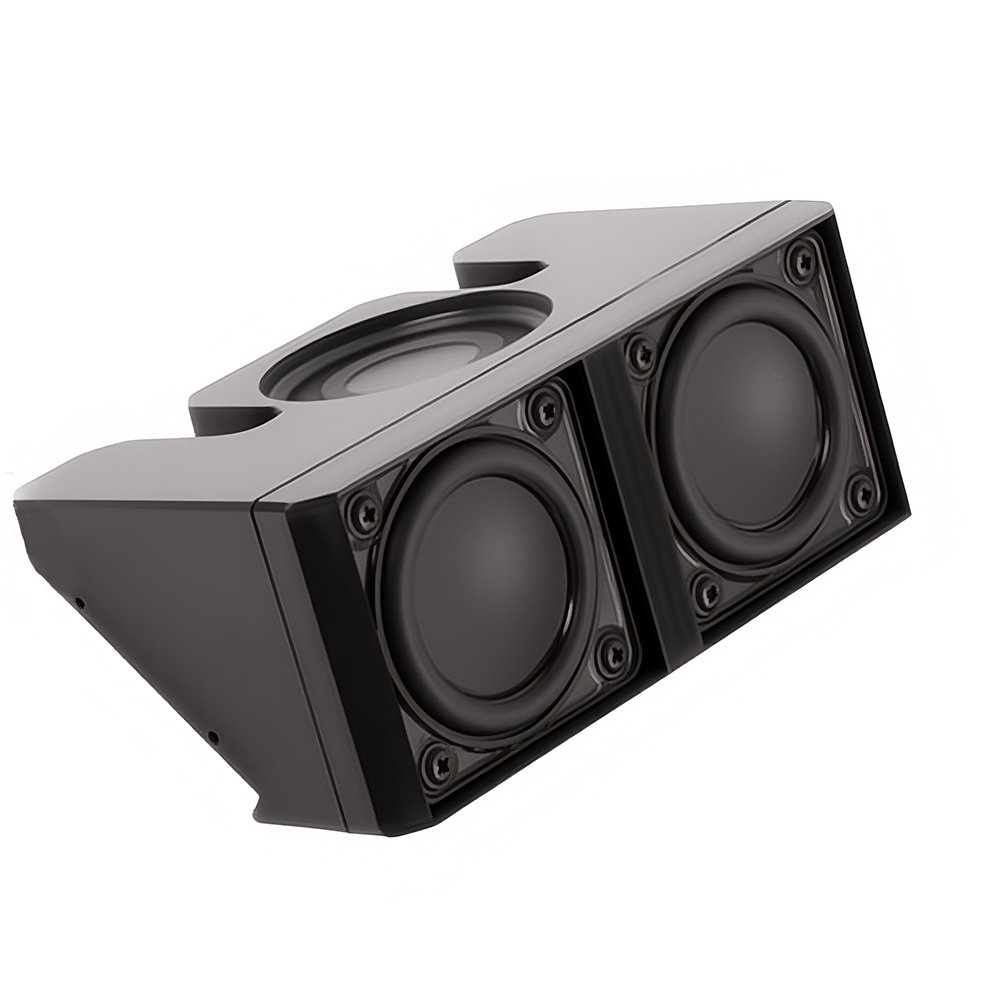
La Missione Acustica: Perché il Cabinet Non è Solo una Scatola
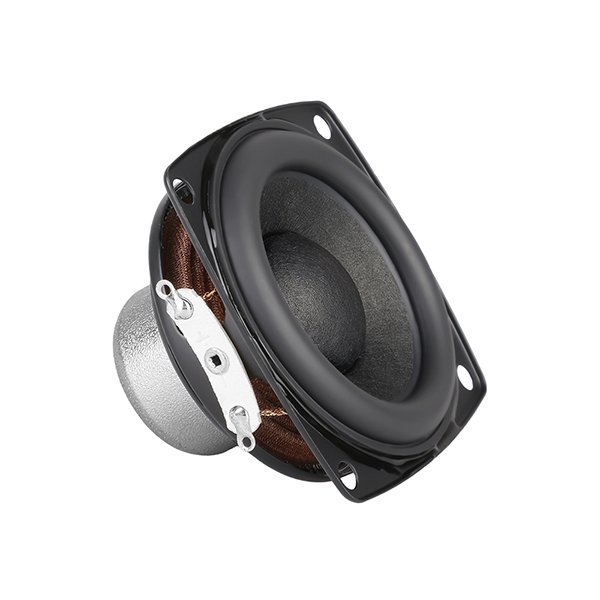
Un driver di altoparlante è un pistone in movimento. Quando si sposta in avanti per creare un'onda sonora, genera simultaneamente un'onda di pressione uguale e opposta nella parte posteriore. Senza un cabinet, queste onde anteriori e posteriori si cancellerebbero a vicenda, in particolare per le frequenze più basse, causando una grave perdita di emissione dei bassi—un fenomeno noto come cortocircuito acustico.
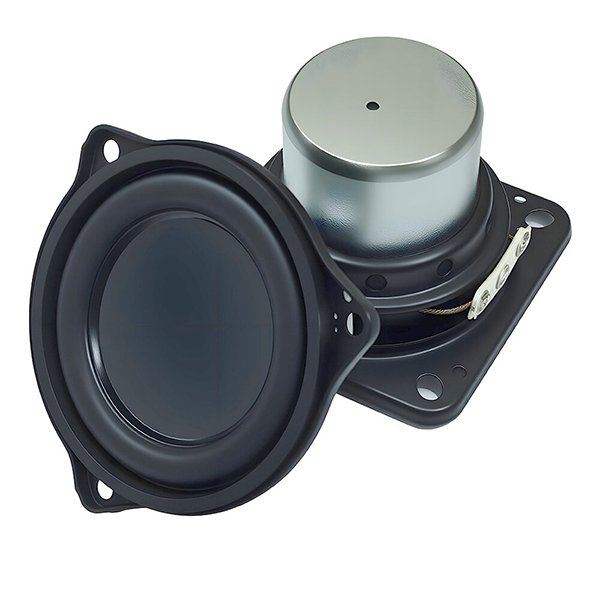
Le funzioni primarie di un cabinet di alta gamma sono:
- Isolamento: Prevenire l'interferenza distruttiva tra le onde anteriori e posteriori.
- Controllo: Fornire una molla d'aria (nei progetti sigillati) o un percorso accordato (nei progetti reflex) che controlli il movimento del driver.
- Silenzio: Rimanere acusticamente inerte. Qualsiasi vibrazione o risonanza nelle pareti del cabinet stesso è suono aggiunto e indesiderato—colorazione che offusca i dettagli e oscura il segnale originale.
- Stabilità: Fornire una piattaforma di montaggio perfettamente rigida per i driver, assicurando che il loro movimento sia precisamente allineato con il segnale elettrico.
Il materiale ideale per il cabinet, quindi, possiederebbe rigidità infinita, smorzamento interno perfetto, risonanza zero e sarebbe facile da fabbricare in forme complesse. Poiché un materiale del genere non esiste, i progettisti devono navigare un compromesso complesso tra proprietà chiave: Densità, Rigidità (Modulo di Elasticità) e Smorzamento Interno.
L'Arsenale dei Materiali: Dalla Tradizione all'Innovazione
1. Pannello di Fibra a Media Densità (MDF): Il Punto di Riferimento
L'MDF rimane lo standard del settore per buoni motivi. È un prodotto in legno ingegnerizzato omogeneo, realizzato con residui di legno duro/legno tenero triturati, legati con cera e resina sotto alta pressione e calore.
- Proprietà Acustiche: La sua alta densità e la mancanza di struttura venata lo rendono molto meno risonante del legno naturale. Possiede un buono smorzamento interno, convertendo efficacemente l'energia vibrazionale in quantità minime di calore.
- Vantaggi Pratici: È economico, si lavora splendidamente con bordi netti e minimo strappo, e fornisce una superficie perfettamente liscia per le finiture. La sua qualità costante consente prestazioni acustiche prevedibili.
- Considerazioni: È molto pesante e suscettibile all'umidità se non adeguatamente sigillato. Sebbene eccellente, il suo fattore di smorzamento è superato da alcuni compositi avanzati. Nelle applicazioni ultra-high-end, viene spesso utilizzato come materiale centrale in costruzioni sandwich.
- Utilizzo nel Mondo Reale: Presente nella stragrande maggioranza degli altoparlanti seri, da marchi mid-fi rispettati a modelli di punta di aziende come Wilson Audio (nei loro Sasha DAW) e Rivelare (serie PerformaBe), spesso con estesi rinforzi interni.
2. Metalli: La Ricerca della Rigidità Assoluta
Alluminio e acciaio rappresentano la via della rigidità estrema. L'obiettivo è spingere le frequenze di risonanza dei pannelli così in alto da essere al di fuori della banda operativa del driver e più facili da controllare.
- Alluminio: Preferito per il suo eccellente rapporto rigidità-peso. Può essere estruso, fuso o lavorato in forme rigide e complesse con rinforzi integrati. Ha uno smorzamento interno molto basso, tuttavia, quindi l'energia risonante “suona” più a lungo. I produttori di alta gamma affrontano questo problema con smorzamento a strati vincolati—incollando materiali viscoelastici tra pannelli di alluminio.
- Acciaio: Offre rigidità e densità ancora maggiori, ma è proibitivamente pesante per la maggior parte delle applicazioni. Utilizzato strategicamente in rinforzi interni o come materiale centrale in sandwich.
- Utilizzo nel Mondo Reale: Bowers & Wilkins utilizza un corpo centrale in alluminio massiccio per le sue torri della serie 800 Diamond. KEF impiega un cabinet in alluminio smorzato a strati vincolati per l'ammiraglia Blade. Magico porta questa filosofia all'estremo, utilizzando gusci in lega di alluminio di grado aerospaziale lavorati da blocchi solidi o formati da lastre spesse, ottenendo cabinet di rigidità e costo senza pari.
3. Compositi Avanzati e Laminati: Ingegnerizzare la Purezza Sonora
Questo è il punto in cui la scienza dei materiali incontra l'audio di alta gamma. Questi materiali mirano a ottimizzare il rapporto rigidità-smorzamento.
- Laminati ad Alta Pressione (HPL): Marchi come Wilson Audio hanno pionieristicamente utilizzato compositi specializzati e proprietari (X-Material, S-Material) basati su resine fenoliche e altri polimeri. Questi materiali vantano fattori di smorzamento eccezionalmente elevati e stabilità dimensionale, “scomparendo” efficacemente dal punto di vista acustico.
- Fibra di carbonio: Leggendario per la sua resistenza e leggerezza. Quando utilizzato come pelle sottile su un nucleo (come un nido d'ape in Nomex o schiuma smorzante), crea una struttura estremamente rigida, leggera e ben smorzata. La sua natura anisotropa (forte nella direzione delle fibre) deve essere attentamente ingegnerizzata.
- Pannelli Sandwich: La lezione magistrale nella progettazione di cabinet. Incollando due pelli rigide (alluminio, fibra di carbonio, compensato di betulla) a un nucleo leggero e smorzante (nido d'ape, schiuma, balsa), i progettisti ottengono una struttura che è sia estremamente rigida che altamente smorzata—il Santo Graal. Il nucleo si deforma sotto sforzo, convertendo l'energia vibrazionale in calore.
- Utilizzo nel Mondo Reale: I compositi X-Material/S-Material di Wilson Audio. L'uso di pelli in fibra di carbonio su nuclei a nido d'ape in alluminio da parte di Magico. Il Dutch & Dutch 8c utilizza un sandwich complesso di MDF, schiuma smorzante e pannello di cemento. use of carbon fiber skins over aluminum honeycomb cores. Dutch & Dutch’s 8c utilizes a complex sandwich of MDF, damping foam, and concrete board.
4. Legni Naturali e Ingegnerizzati
- Legno Massello: Esteticamente bello ma acusticamente impegnativo. La sua struttura anisotropa della venatura crea una rigidità irregolare e risonanze pronunciate. Viene raramente utilizzato nei progetti di alta gamma per il pannello frontale critico (baffle), ma può essere impiegato per pannelli laterali estetici sopra un contenitore funzionale interno.
- Compensato di Betulla (Baltic Birch): Un'alternativa superiore al legno massello. I suoi strati incrociati forniscono una resistenza più uniforme e una rigidità maggiore dell'MDF, con un buon smorzamento. È apprezzato da molti costruttori artigianali e fai-da-te per la sua musicalità e integrità strutturale.
5. Le Soluzioni Esotiche: Pietra, Calcestruzzo e Ceramica
Questi materiali ultra-densi mirano a massa e smorzamento assoluti.
- Granito/Corian: Estremamente densi e “morti”, con uno smorzamento eccellente. Tuttavia, sono fragili, difficili da lavorare e richiedono una progettazione esperta per evitare un carattere sonoro "senza vita". Utilizzati da produttori di nicchia come German Physiks e in alcuni Galloni progetti.
- Calcestruzzo: L'epitome del carico di massa. I compositi moderni che utilizzano calcestruzzo drogato sono impiegati in alcuni subwoofer e contenitori ultra-high-end per la loro totale assenza di risonanza.
Analisi Comparativa dei Materiali Comuni per Contenitori di Alta Gamma
Tabella: I dati si basano su misurazioni standard del settore e specifiche del produttore. I valori sono rappresentativi e possono variare in base a gradi e costruzioni specifici.
| Materiale | Densità (kg/m³) | Rigidità | Fattore di Smorzamento | Lavorabilità | Costo Relativo | Carattere Sonoro Primario |
| :— | :— | :— | :— | :— | :— | :— |
| MDF | 700-800 | Alta | Alto | Eccellente | Basso | Neutro, indulgente, ben smorzato |
| Compensato di Betulla | 600-700 | Molto Alta | Medio-Alto | Buona | Medio | Vivace, dinamico, buona articolazione |
| Alluminio (Fuso) | ~2700 | Estremamente Alta | Basso | Buona (con attrezzi) | Alto | Iper-dettagliato, veloce, può essere clinico |
| Sandwich in Fibra di Carbonio| Variabile | Eccezionale | Molto Alto | Difficile | Molto Alto | Trasparente, preciso, bassa colorazione |
| Composito Proprietario| 900-1100 | Alta | Eccezionale | Discreta | Molto Alto | Silenzioso, focalizzato, immensa chiarezza |
| Granito Massello | ~2700 | Alta | Eccezionale | Scarsa | Estremo | Ultra-morto, ponderoso, molto controllato |
L'Arte dell'Implementazione: Oltre la Materia Prima
Scegliere il materiale è solo metà della battaglia. L'implementazione è tutto:
- Rinforzi (Bracing): I rinforzi interni strategici sono cruciali per suddividere i grandi pannelli in sezioni risonanti più piccole e ad alta frequenza. I modelli di rinforzo a labirinto sono comuni nei progetti di alta gamma.
- Smorzamento a Strato Vincolato (CLD): Questa tecnica prevede l'incollaggio di due pannelli rigidi con un adesivo viscoelastico. Mentre i pannelli si tagliano l'uno contro l'altro, l'energia viene convertita in calore. Questo è un metodo altamente efficace per aggiungere smorzamento a materiali rigidi come il metallo.
- Geometria del Contenitore: Pareti curve o non parallele, come si vede nei diffusori di Sonus Faber O KEF Blade, riducono naturalmente le onde stazionarie interne e aumentano la rigidità rispetto ai pannelli piatti.
- Isolamento: Disaccoppiare i driver dal pannello frontale con guarnizioni specializzate e utilizzare sottocontenitori isolati per diversi driver (ad esempio, i cabinet modulari di Wilson Audio) previene il trasferimento delle vibrazioni.
Il Futuro: Materiali Intelligenti e Produzione Additiva
La frontiera della progettazione dei contenitori è spinta da nuove tecnologie:
- Stampa 3D: Consente strutture geometricamente complesse e ottimizzate, impossibili con la produzione sottrattiva. Permette di integrare guide d'onda, rinforzi e porte in un unico pezzo rigido. Marchi come Audio vivido E Audio Note stanno esplorando contenitori in metallo e polimero stampati in 3D.
- **Materiali Sostenibili:** Il settore sta assistendo a un aumento dell'uso di legni provenienti da fonti responsabili, alluminio riciclato e compositi a base biologica, rispondendo alle preoccupazioni ambientali senza compromettere le prestazioni.
- Cancellazione Attiva: Alcuni progetti d'avanguardia incorporano sensori e attuatori all'interno del contenitore per cancellare attivamente la risonanza del cabinet in tempo reale, un concetto che passa dalla teoria al prototipo.
Q&A Professionale: Materiali per Contenitori Decodificati
Q1: Dal punto di vista sonoro, qual è il singolo errore più grande commesso nella progettazione di un cabinet?
UN: Dare priorità a una sola proprietà — come la pura rigidità — e trascurare lo smorzamento. Un cabinet in alluminio ultra-rigido che non sia adeguatamente smorzato presenterà risonanze ad alto Q, “risonanze squillanti” che colorano il suono, aggiungendo spesso un “rumore metallico” o un bagliore alle frequenze superiori. I progetti di maggior successo, come i sandwich avanzati o i compositi proprietari, ottimizzano il rapporto tra rigidità e smorzamento.
Q2: Con l’ascesa dello streaming e della correzione ambientale, i materiali dei cabinet stanno diventando meno importanti?
UN: Assolutamente no. La correzione ambientale (come Dirac, ARC) affronta principalmente i problemi modali alle basse frequenze e l’equilibrio tonale all’interno di uno spazio d’ascolto. Non può annullare la dispersione nel dominio del tempo causata dalla risonanza del cabinet. Un cabinet ben progettato e inerte garantisce che il segnale più pulito possibile venga inviato nella stanza, affinché qualsiasi sistema di correzione possa lavorare al meglio. Si tratta di tecnologie complementari.
Q3: Qual è la tendenza più significativa nei materiali per cabinet nel 2024-2025?
UN: La maturazione della la produzione additiva (stampa 3D) stampa 3D per parti di produzione finale, non solo per prototipazione. Stiamo andando oltre le plastiche semplici verso polimeri e metalli avanzati stampati. Ciò consente l’integrazione funzionale— dove il pannello frontale, la guida d’onda e i rinforzi interni costituiscono un’unica unità acusticamente ottimizzata. Questa tendenza riduce il numero di componenti, migliora la consistenza e consente forme che massimizzano la rigidità e minimizzano la diffrazione in modi che la lavorazione tradizionale del legno non può eguagliare.
Q4: Per un appassionato del fai-da-te che costruisce un altoparlante di alta gamma, quale materiale consiglierebbe come miglior equilibrio tra prestazioni e lavorabilità?
UN: Compensato di betulla baltica di alta qualità, senza vuoti (18mm o 25mm) rimane il campione per il serio appassionato del fai-da-te. Offre una rigidità superiore e un suono più vivace e articolato rispetto all’MDF, pur essendo lavorabile con utensili standard per la lavorazione del legno. Per un miglioramento significativo delle prestazioni, investite tempo nella progettazione e implementazione di uno schema di rinforzo interno sofisticato e considerate l’applicazione di un trattamento di smorzamento a strato vincolato ai pannelli interni prima dell’assemblaggio finale.
In conclusione, il cabinet di un altoparlante di alta gamma è una scultura risonante nel senso più letterale del termine. La scelta del materiale — che si tratti del fidato smorzamento dell’MDF, della rigidità brutale dell’alluminio lavorato a macchina, o della perfezione ingegnerizzata di un sandwich in fibra di carbonio — rappresenta una decisione filosofica fondamentale nel progetto dell’altoparlante. È un partner silenzioso del driver, e la sua integrità è non negoziabile nell’incessante ricerca di riprodurre la musica non solo come suono, ma come esperienza. Il materiale costituisce la base silenziosa su cui si costruisce la vivida illusione di un’esibizione dal vivo.