
Chiediamo ai nostri altoparlanti intelligenti di riprodurre musica, comunicarci il meteo, controllare le nostre luci e rispondere alle nostre infinite domande. Quel momento di risposta istantanea e conversazionale sembra magia: un'interazione senza soluzione di continuità con un'entità digitale. Ma la vera “intelligenza” di un altoparlante AI non risiede solo negli algoritmi basati sul cloud; è fondamentalmente resa possibile da una sofisticata sinfonia di hardware fisico che lavora in perfetta armonia. Il microfono che ti ascolta attraverso il rumore, il chip che elabora la tua richiesta a velocità fulminea e l'altoparlante che fornisce una risposta cristallina sono gli eroi non celebrati. Questo articolo analizza i componenti hardware essenziali che trasformano un semplice altoparlante in un compagno apparentemente “intelligente”.
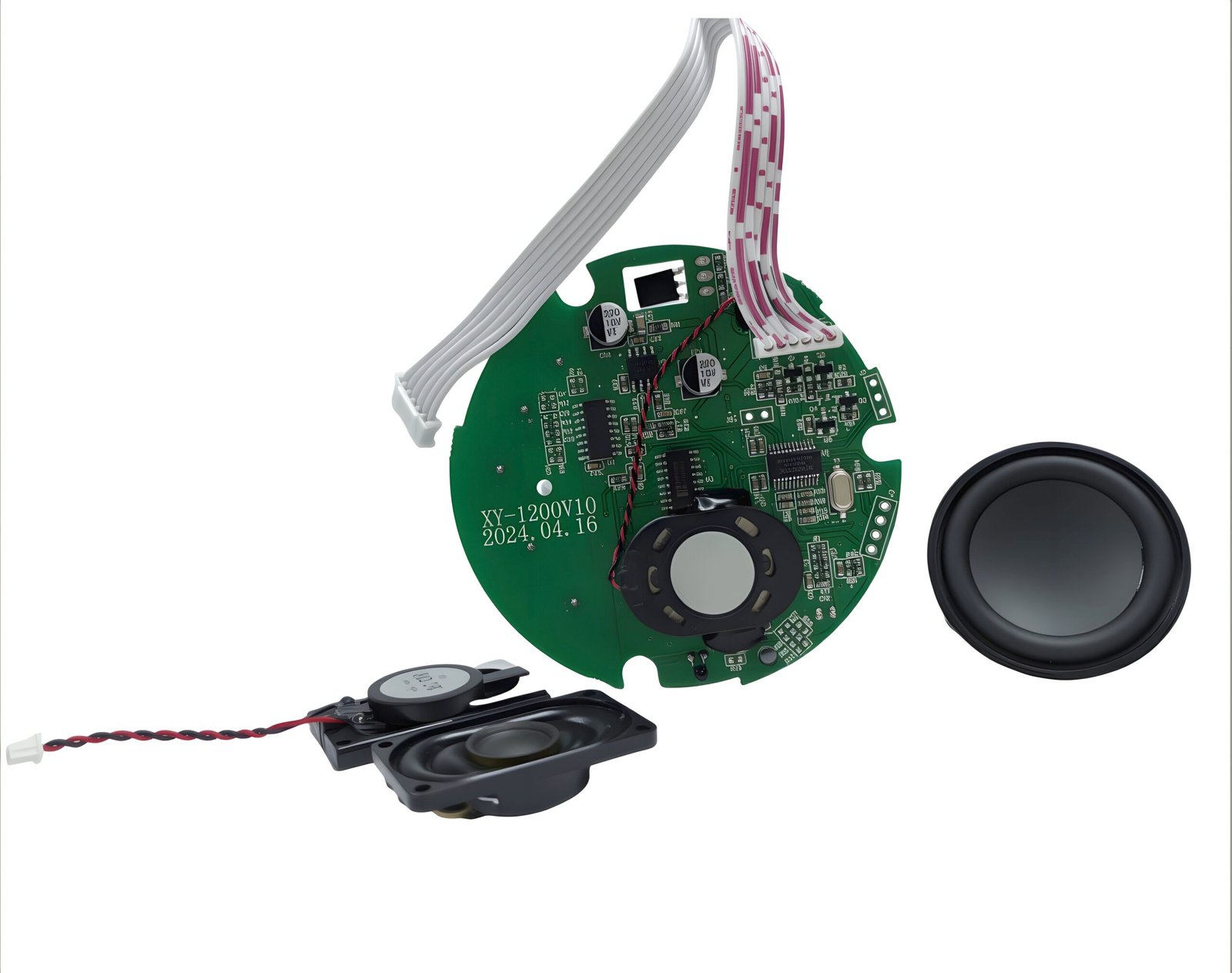
L'Ecosistema Hardware: Più di un Semplice Altoparlante
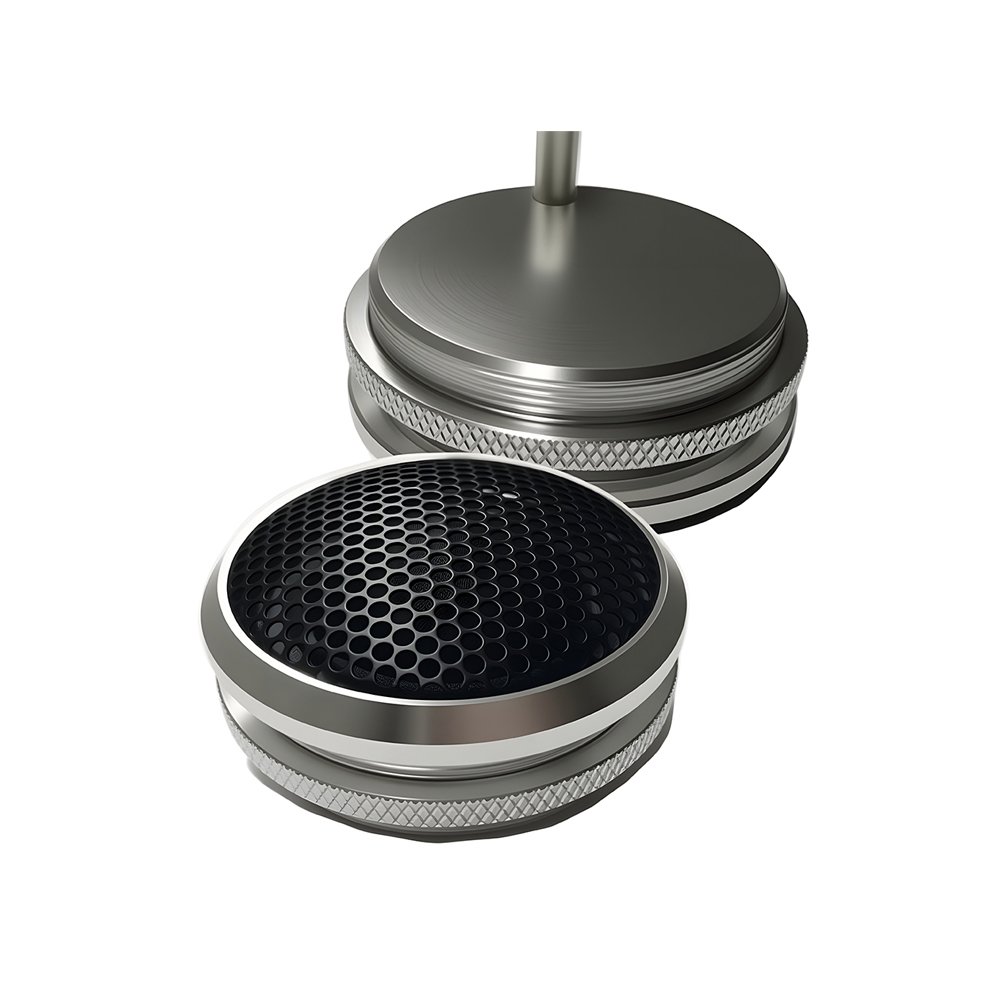
A prima vista, un altoparlante AI potrebbe assomigliare a un tradizionale altoparlante Bluetooth. Tuttavia, all'interno del suo involucro si trova un ecosistema informatico appositamente progettato per un compito principale: facilitare un'interazione vocale naturale e a mani libere. Questo ecosistema può essere visualizzato come una pipeline: Acquisizione → Elaborazione → Azione → Output.
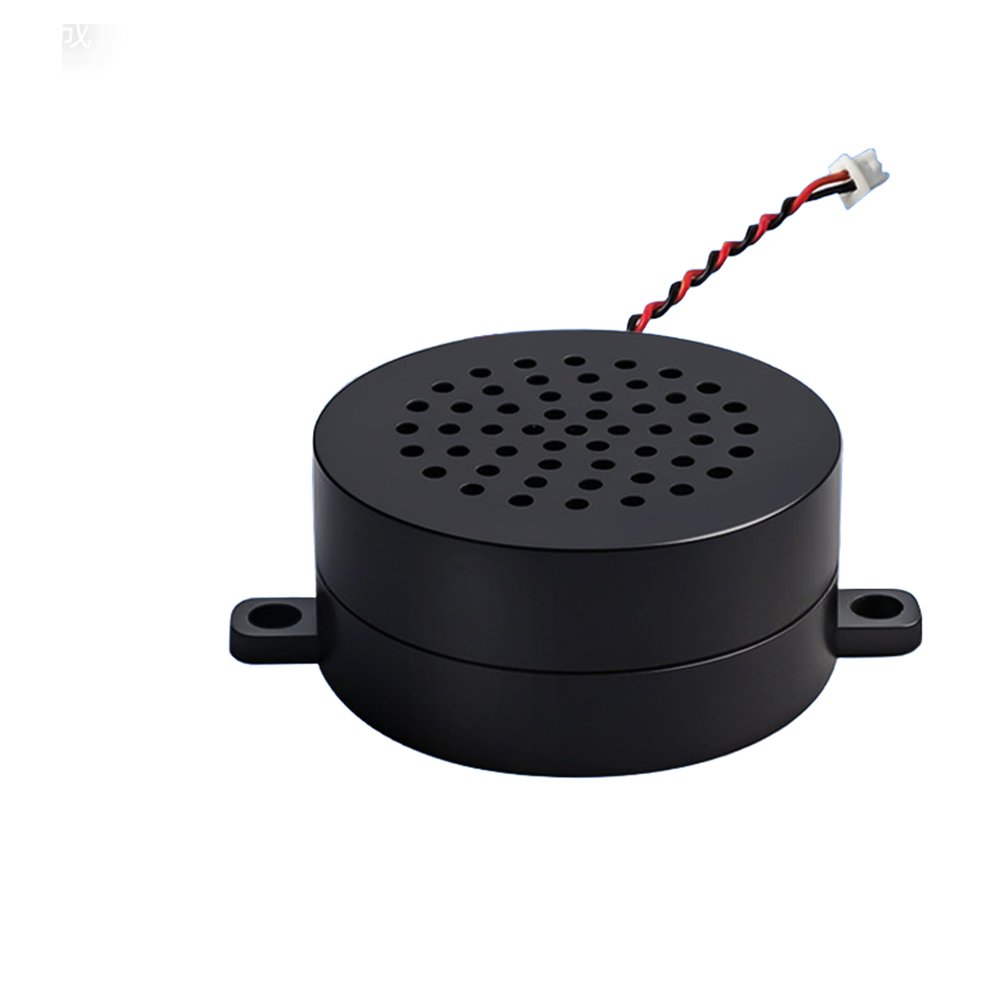
Il percorso inizia con l' Hardware di Acquisizione—i microfoni e i sensori che percepiscono il mondo fisico. Questi dati vengono convogliati nel Nucleo di Elaborazione e Connettività—il System-on-a-Chip (SoC), la memoria e i moduli wireless che fungono da cervello e sistema nervoso del dispositivo. Infine, i Sistemi di Output e Alimentazione—il driver dell'altoparlante, l'amplificatore e le unità di gestione dell'alimentazione—forniscono la risposta udibile e fisica. Ogni livello è critico. Un guasto nella sensibilità del microfono rende inutile il modello AI più potente; un processore lento crea un ritardo frustrante, infrangendo l'illusione dell'intelligenza; un altoparlante di scarsa qualità compromette l'esperienza. L'etichetta “intelligente” viene guadagnata solo quando tutti questi livelli operano con elevata precisione e bassa latenza.
Tabella 1: Componenti Hardware Principali di un Altoparlante AI Moderno (Panorama 2024)
| Categoria del Componente | Sotto-Componenti Chiave | Funzione ed Esempio Reale | Metrica delle Prestazioni |
| :— | :— | :— | :— |
| Acquisizione Audio | Array di Microfoni a Campo Lontano (4-7 microfoni), CODEC Audio | Cattura i comandi vocali in ambienti rumorosi. Es. Beamforming per isolare la voce di chi parla dal rumore della TV. | Rapporto Segnale/Rumore (SNR > 60dB), Precisione della Parola di Attivazione (>95% a 5m) |
| Nucleo di Elaborazione | System-on-a-Chip (SoC): CPU, NPU, DSP, GPU | Esegue il sistema operativo del dispositivo, gestisce attività ML sul dispositivo (es. rilevamento della parola di attivazione), pre-elaborazione audio. | Velocità di Clock (es. Quad-core A53 @ 1.8GHz), TOPS per NPU (es. 2-4 TOPS per AI sul dispositivo) |
| Connettività | Wi-Fi 6/6E (802.11ax), Bluetooth 5.3/5.4, Thread, Zigbee | Si connette al cloud, smartphone e altri dispositivi smart home. Abilita reti mesh per l'automazione domestica. | Velocità di Dati (es. 1.2 Gbps su Wi-Fi 6), Basso Consumo Energetico |
| Output Audio | Driver a Gamma Completa, Radiatore Passivo, Amplificatore Classe D | Produce suoni ad alta fedeltà per musica e risposte vocali. | Risposta in Frequenza (es. 60Hz – 20kHz), Distorsione Armonica Totale (<1%) |
| Alimentazione e Sensori | Adattatore CA / Batteria, IC di Gestione dell'Alimentazione (PMIC), Sensore di Luce Ambientale | Fornisce alimentazione stabile, abilita il rilevamento dell'attività vocale (VAD) per il risparmio della batteria, regola la luminosità dei LED. | Durata della Batteria (per unità portatili), Efficienza Energetica (inattivo < 2W) |
Le Orecchie del Dispositivo: Array di Microfoni e Ingegneria Acustica
La sfida principale per un altoparlante AI è ascoltare in modo affidabile la sua parola di attivazione (“Hey Google”, “Alexa”, “Hey Siri”), anche in un soggiorno rumoroso. Questo viene risolto non da un singolo microfono, ma da un array di microfoni a campo lontano (tipicamente da 4 a 7). Questi microfoni lavorano insieme utilizzando tecniche avanzate di elaborazione del segnale:
- Beamforming: L'array “dirige” elettronicamente un pattern di captazione sensibile verso la persona che parla, creando di fatto un riflettore acustico che amplifica la sua voce sopprimendo al contempo il rumore da altre direzioni.
- Cancellazione dell'Eco Acustico (AEC): Questo è fondamentale quando l'altoparlante riproduce musica ad alto volume. Gli algoritmi AEC utilizzano un segnale di riferimento dall'uscita dell'altoparlante per sottrarlo dall'ingresso del microfono, impedendo al dispositivo di sentire e reagire al proprio suono.
- Soppressione del Rumore: Gli algoritmi filtrano i rumori di fondo costanti come il ronzio del condizionatore d'aria o il suono del ventilatore.
I modelli più recenti incorporano microfoni a bassissimo rumore con un elevato SNR (Rapporto Segnale/Rumore), che talvolta supera i 65dB. Inoltre, il, Rilevamento dell'Attività Vocale (VAD) è sempre più gestito da un processore a basso consumo dedicato all'interno del SoC, consentendo alla CPU principale di rimanere in standby fino al rilevamento di un vero trigger vocale—una caratteristica cruciale per dispositivi sempre accesi, attenti alla privacy ed energeticamente efficienti.
Il Cervello e il Sistema Nervoso: SoC, Connettività e AI sul Dispositivo
I dati audio grezzi vengono inviati al System-on-a-Chip (SoC), il cervello centrale. I SoC moderni per altoparlanti AI sono meraviglie di integrazione:
- CPU: Gestisce il sistema operativo generale e la logica applicativa.
- DSP (Processore di Segnale Digitale): Un processore specializzato ottimizzato per la manipolazione matematica in tempo reale del segnale audio (beamforming, AEC, soppressione del rumore).
- NPU (Unità di Elaborazione Neurale): Il fattore rivoluzionario per i dispositivi “smart” moderni. Questo acceleratore hardware specializzato esegue inferenze di machine learning sul dispositivo con un'efficienza energetica estrema. Oggi, quasi tutto il rilevamento delle parole di attivazione e una quantità crescente di elaborazione dei comandi vocali avvengono localmente sull'NPU. Ciò significa che il tuo “Hey Google” viene riconosciuto istantaneamente sul dispositivo senza un round-trip verso il cloud, migliorando velocità e privacy. Le prestazioni dell'NPU sono misurate in TOPS (Tera Operations Per Second), con chip per smart speaker di ultima generazione dotati di acceleratori AI dedicati in grado di offrire da 1 a 4 TOPS.
- Comunicazioni Wireless: Integrato Wi-Fi 6/6E fornisce connessioni stabili e ad alta larghezza di banda al cloud per query complesse. Bluetooth 5.3/5.4 consente lo streaming diretto dai telefoni. Fondamentalmente, molti speaker ora includono Thread O Zigbee ricetrasmettitori, fungendo da hub per la casa intelligente in grado di controllare direttamente dispositivi a basso consumo come sensori per porte o lampadine intelligenti, senza dipendere da un bridge esterno o congestionare la rete Wi-Fi.
Erogare la Risposta: Uscita Audio, Alimentazione e il Ruolo Silenzioso dei Sensori
Una volta che il cloud elabora la query (o l'AI sul dispositivo la gestisce), la risposta deve essere erogata efficacemente. La catena di uscita audio è vitale per la soddisfazione dell'utente. Un amplificatore digitale di Classe D alimenta efficientemente il driver o i driver dello speaker. Molti progetti utilizzano un driver a gamma completa accoppiato a un radiatore passivo per migliorare la risposta dei bassi senza necessitare di un subwoofer grande e ad alto consumo energetico. La regolazione audio, spesso realizzata in collaborazione con rinomati marchi audio (come Amazon con Dolby o Google con la regolazione audio integrata di Chromecast), garantisce voci chiare e una riproduzione musicale piacevole.
La gestione dell'alimentazione è sofisticata. Un Circuito Integrato di Gestione dell'Alimentazione (PMIC) controlla meticolosamente la tensione per i diversi componenti, massimizzando l'efficienza. Per i dispositivi sempre collegati alla rete, l'obiettivo è mantenere il consumo energetico in idle al di sotto di 2 watt. Per gli speaker portatili a batteria, un complesso duty cycling—dove solo il array di microfoni e un core a basso consumo sono attivi—è essenziale per una standby di più giorni.
Infine, i sensori ambientali giocano un ruolo sottile. Un sensore di luce può attenuare i LED in una stanza buia, e un accelerometro nelle unità portatili può abilitare gesti di tocco (es., tocca per mettere in pausa). Questi sensori aggiungono strati di consapevolezza contestuale, rendendo l'interazione più intuitiva e “intelligente.”
Domande e risposte professionali
Q1: Quanta parte dell'elaborazione “intelligente” viene realmente eseguita sul dispositivo rispetto al cloud oggi?
UN: Il panorama è cambiato drasticamente. Nel 2024, tutto il rilevamento iniziale della parola di attivazione viene eseguito sul dispositivo utilizzando l'NPU o il DSP dedicato. Inoltre, un numero crescente di comandi di base (es., “alza il volume,” “stop,” “imposta un timer per 10 minuti”) viene elaborato interamente in locale per una risposta istantanea e una maggiore privacy. Le query complesse che coinvolgono ricerche, informazioni in tempo reale o conversazioni in linguaggio naturale di lunga durata vengono ancora inviate al cloud. La tendenza del settore è inequivocabilmente verso edge AI, spostando più elaborazione sul dispositivo per ridurre la latenza, aumentare l'affidabilità senza dipendere da Internet e rafforzare la privacy dell'utente.
Q2: Perché alcuni speaker AI hanno un ricetrasmettitore Zigbee o Thread e come influisce sulle prestazioni della casa intelligente?
UN: Il Wi-Fi, sebbene eccellente per dati ad alta larghezza di banda, è energivoro per piccoli dispositivi per la casa intelligente come sensori per porte/finestre o prese intelligenti. Zigbee e Thread sono protocolli di rete mesh a basso consumo e bassa latenza, progettati specificamente per l'Internet delle Cose (IoT). Integrando un ricetrasmettitore Zigbee o Thread direttamente in uno speaker AI, lo speaker diventa un hub per la casa intelligente. Ciò gli consente di comunicare direttamente con questi dispositivi a basso consumo, creando una rete più robusta, reattiva e dedicata per la tua casa intelligente. Riduce la congestione sulla tua rete Wi-Fi principale, migliora la durata della batteria dei dispositivi (a volte fino ad anni) e spesso aumenta l'affidabilità e la velocità delle automazioni (es., un sensore di movimento che attiva una luce).
Q3: Da una prospettiva hardware, qual è la singola più grande limitazione nell'attuale design degli speaker AI, e cosa si prospetta all'orizzonte?
UN: La principale limitazione hardware rimane la Compromesso tra fedeltà audio, dimensioni e costo. Un suono veramente ad alta fedeltà richiede driver più grandi, un volume interno maggiore e una progettazione acustica avanzata, il che entra in conflitto con l’esigenza di dispositivi compatti e discreti. All’orizzonte si profilano diversi sviluppi chiave:
- IA on-device più potente ed efficiente: Le NPU di nuova generazione consentiranno interazioni locali più complesse e persino una comprensione multimodale (ad esempio, rispondere in modo diverso se sente piangere e vede tramite una telecamera connessa che un bambino è sveglio).
- Integrazione avanzata di sensori: L’inclusione di radio ultra-wideband (UWB) potrebbe consentire agli altoparlanti di fungere da ancore spaziali, abilitando risposte sensibili all’ambiente (ad esempio, rispondere solo nella stanza in cui lo si è chiamato) e un preciso rilevamento dei dispositivi.
- Progettazione sostenibile: Un’attenzione crescente all’uso di materiali riciclati, design modulari per una riparazione più semplice e stati di risparmio energetico ancora più aggressivi per ridurre l’impronta ambientale di questi dispositivi sempre accesi.