
L'unità driver dell'altoparlante è il cuore di qualsiasi sistema audio, che traduce i segnali elettrici nel suono che sentiamo. Le sue prestazioni sono fondamentalmente determinate dai materiali utilizzati nella sua costruzione. Sebbene i principi fondamentali rimangano invariati, la ricerca di una maggiore fedeltà, efficienza, durata e sostenibilità sta guidando una rivoluzione nei materiali. I principali fornitori non si limitano più a modificare la carta o la plastica tradizionali; stanno sperimentando composti avanzati e materiali intelligenti provenienti dai settori aerospaziale, biomedico e nanotecnologico. Questo articolo esplora i materiali all'avanguardia che stanno definendo il panorama audio premium.
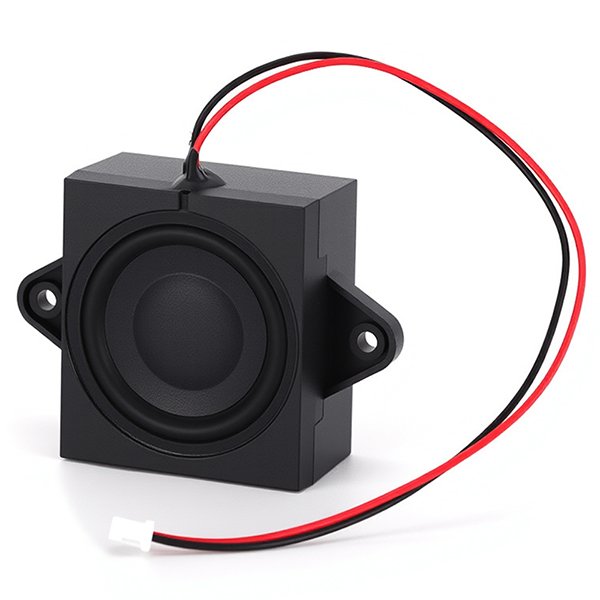
Il passaggio dai materiali convenzionali a quelli ingegnerizzati
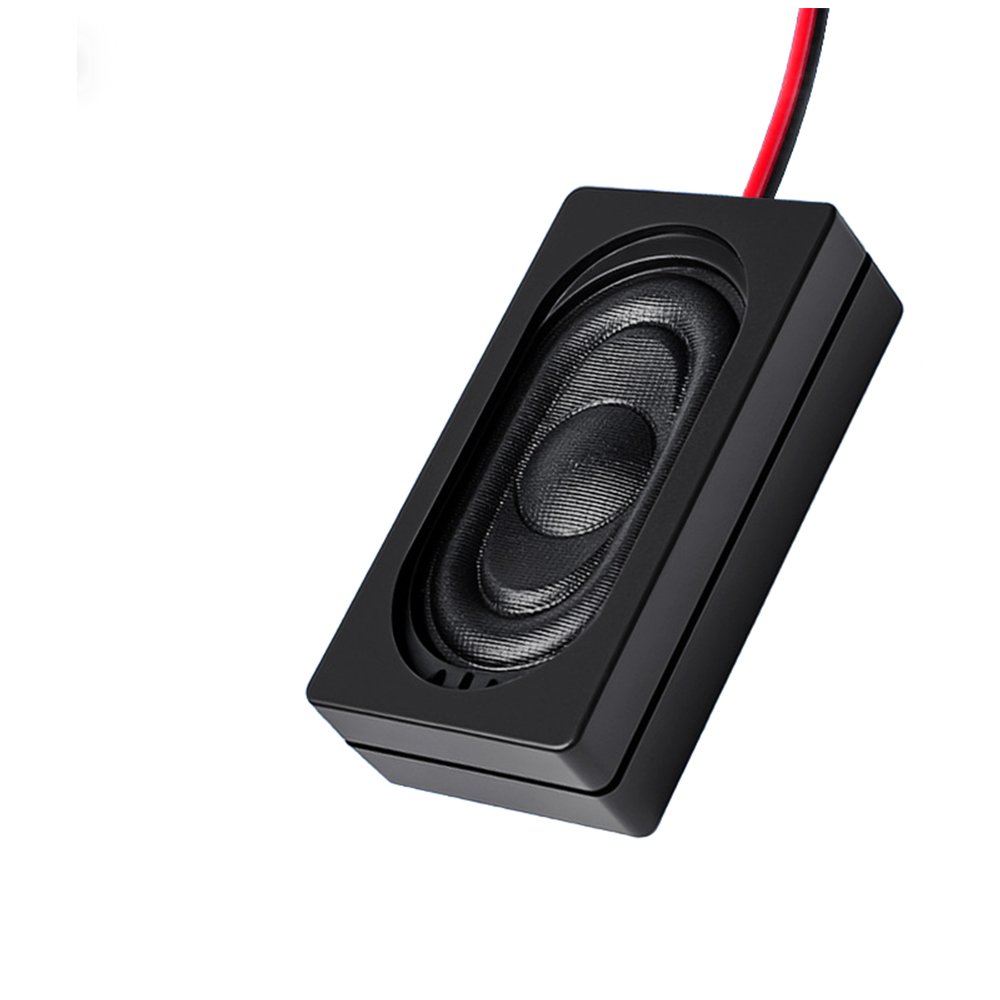
Per decenni, i materiali dei coni (diaframmi) degli altoparlanti hanno seguito uno schema piuttosto standard: cartapesta per il suo carattere sonoro naturale, polipropilene per la sua consistenza e capacità di smorzamento, alluminio e titanio per la rigidità nei tweeter e tessuti intrecciati come la seta per i tweeter a cupola morbida. Il surround (il bordo flessibile che collega il cono al cestello) era tipicamente in gomma butilica o schiuma.
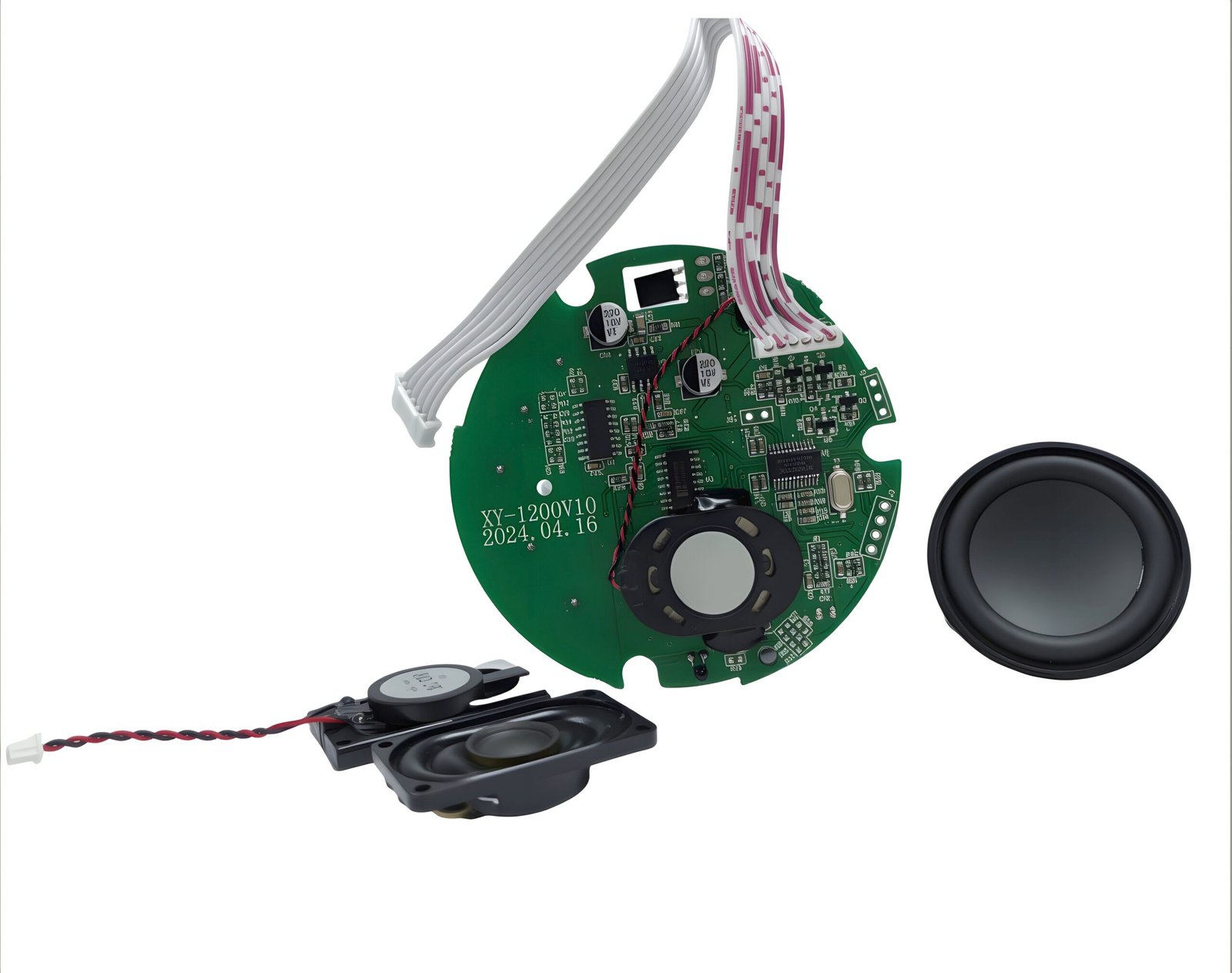
Il limite di questi materiali risiede nei compromessi intrinseci. I materiali rigidi e a bassa massa (come i metalli) resistono alla deformazione per una riproduzione accurata, ma possono presentare forti risonanze di "rottura" alle alte frequenze. I materiali più morbidi e smorzati (come la carta tradizionale) controllano meglio la risonanza, ma possono mancare di dettaglio e velocità. L'obiettivo moderno è superare questi compromessi creando materiali che siano simultaneamente leggero, incredibilmente rigido, ben ammortizzato e stabile dal punto di vista ambientale.
Ciò ha portato ad un approccio articolato:
- Materiali compositi: Sovrapporre sostanze diverse per combinarne le migliori proprietà.
- Nanomateriali: Incorporazione di particelle a livello molecolare per migliorare l'integrità strutturale.
- Materiali biologici e sostenibili: Rispondere alle preoccupazioni ambientali senza sacrificare le prestazioni.
- Polimeri e materiali sintetici avanzati: Materiali plastici ingegnerizzati con proprietà meccaniche precise.
Oggi i fornitori sono meno venditori di materiali di base e più simili a partner di ingegneria acustica, offrendo soluzioni di materiali su misura per applicazioni specifiche dei driver, dai monitor da studio all'audio per auto, all'home theater e ai dispositivi portatili.
Materiali all'avanguardia per diaframmi e coni
Il diaframma è il componente più critico e l'evoluzione del suo materiale è la più drammatica.
1. Grafene e nanocompositi a base di carbonio:
Il grafene, un singolo strato di atomi di carbonio disposti in un reticolo esagonale, è un materiale meraviglioso per l'audio. È incredibilmente resistente e rigido, ma estremamente leggero. I fornitori non utilizzano fogli di grafene puro, ma integrano ossido o fiocchi di grafene in matrici composite (spesso con polipropilene o altre resine). Questo crea coni incredibilmente rigidi, prevenendo flessioni e colorazioni indesiderate, con conseguente risposta ai transienti incredibilmente rapida e un'estensione dettagliata delle alte frequenze. Marchi come ZYLUM e alcuni fornitori OEM di marchi di fascia alta hanno sperimentato per primi il suo utilizzo nei tweeter e nei coni dei midrange.
2. Berillio:
Pur non essendo una novità, la sua adozione a prezzi più accessibili e in forme raffinate è più recente. Il berillio offre una combinazione ideale di bassa densità ed elevata rigidità, con una velocità del suono attraverso il materiale quasi tre volte superiore a quella dell'alluminio. Ciò consente una dispersione più ampia e controllata e alte frequenze eccezionalmente pulite. A causa della sua tossicità durante la lavorazione, i fornitori ora utilizzano tecniche avanzate di deposizione da vapore per creare diaframmi puri e sottili in modo sicuro. Rimane una scelta di prima qualità per le cupole dei tweeter in diffusori di fascia alta di aziende come Focal, e il suo utilizzo si sta diffondendo.
3. Biocellulosa (nota anche come cellulosa microbica o derivati dello “Zylon”):
Si tratta di un affascinante materiale sostenibile. Coltivata in laboratorio tramite fermentazione batterica, la biocellulosa forma una rete densa, naturalmente smorzata e incredibilmente resistente. Impregnata di resina, crea un diaframma rigido e autosmorzante, eliminando la necessità di rivestimenti aggiuntivi. Offre una firma sonora fluida e naturale con una distorsione molto bassa. TAGO STUDIO utilizza un driver proprietario in “Bio-Cellulosa” nei suoi monitor di punta e diversi fornitori giapponesi sono leader in questa fusione biotecnologica-acustica.
4. Ceramica avanzata e compositi rivestiti in ceramica:
Le leghe di alluminio e magnesio hanno rappresentato un passo avanti, ma i diaframmi in ceramica pura o in alluminio rivestito in ceramica si spingono oltre. La ceramica è estremamente dura e stabile. Un sottile strato di ceramica applicato tramite deposizione al plasma su un nucleo di alluminio crea una struttura a sandwich inerte e priva delle "risonanze" talvolta associate ai diaframmi in metallo puro. Questa tecnologia, utilizzata da marchi come ELAC nei loro tweeter JET e in altri fornitori OEM, produce alte frequenze precise e a bassa distorsione.
5. Fibra aramidica (e altre trame):
Conosciute per i giubbotti antiproiettile, le fibre aramidiche (ad esempio il Kevlar) vengono intrecciate in un tessuto e fissate con resina. Il cono risultante è eccezionalmente resistente e ben smorzato. Le ultime innovazioni riguardano intrecci ibridi, che combinano aramide con fibra di carbonio o altri filamenti per ottimizzare il rapporto rigidità/smorzamento. Questo materiale è apprezzato per i driver di fascia media, dove chiarezza ed espressione dinamica sono fondamentali.
Tabella comparativa: Materiali avanzati per diaframmi
| Materiale | Proprietà chiave | Applicazione tipica | Personaggio di Sonic | Esempio/Nota del fornitore |
|---|---|---|---|---|
| Composito di grafene | Estrema rigidità/peso, veloce | Tweeter, Midrange | Transienti rapidi e altamente dettagliati, alti estesi | ZYLUM, OEM per marchi boutique |
| Berillio | Elevata rigidità, bassa densità, alta velocità | Cupole dei tweeter | Alti eccezionalmente puliti e ariosi, ampia dispersione | Focal, TAD, Techstream (OEM) |
| Bio-cellulosa | Naturalmente smorzato, forte, sostenibile | Gamma completa, gamma media | Morbido, naturale, bassa distorsione, caldo ma dettagliato | TAGO STUDIO, Foster (OEM) |
| Rivestimento ceramico | Molto duro, inerte, stabile | Tweeter, Midrange | Preciso, analitico, bassa colorazione | ELAC (JET), alcuni OEM cinesi |
| Tessuto in fibra aramidica | Elevata resistenza alla trazione, buon smorzamento | Midrange, Woofer | Dinamico, incisivo, controllato, neutro | Scan-Speak, SEAS, Peerless |
Innovazioni nei materiali per il sistema surround, il cestello e il sistema motore
Un cono di grandi dimensioni necessita di un sistema di supporto altrettanto avanzato.
Circonda: La classica gomma butilica viene migliorata. Elastomeri termoplastici (TPE) sono ormai comuni, offrendo prestazioni più costanti in tutti gli intervalli di temperatura. In particolare, rivestimenti in tessuto ondulato trattati con rivestimenti in silicone avanzati stanno tornando in auge nei design di alta gamma. Questo materiale, come quello utilizzato in Driver di tecnologia audio, offre una conformità estremamente lineare con isteresi minima, riducendo la distorsione nell'escursione critica a bassa frequenza.
Cestini (Cornici): Lo spostamento è verso cestelli in lega di alluminio pressofuso anche nei driver di fascia media. Sono molto più rigidi dell'acciaio stampato, impedendo il trasferimento di energia e la risonanza nel gruppo del driver. Alcuni fornitori di fascia altissima utilizzano cestelli in alluminio massiccio fresato o composito per l'inerzia assoluta.
Sistemi motori:
- Magneti: Oltre alla ferrite standard e al neodimio, c'è una spinta per circuiti magnetici ottimizzati. I fornitori stanno utilizzando analisi degli elementi finiti (FEA) progettare motori con calotte in rame (anelli di Faraday) e anelli di cortocircuito realizzati in leghe specializzate per ridurre l'induttanza e la distorsione di intermodulazione, migliorando la chiarezza, soprattutto ad alta potenza.
- Bobine mobili: Sebbene rame e alluminio siano materiali standard, il fattore forma è fondamentale. Filo esagonale o rettangolare consente un avvolgimento più stretto e un riempimento di rame più elevato nel traferro magnetico, aumentando la sensibilità e la gestione della potenza. Filo rivestito viene utilizzato anche per una maggiore resistenza alle alte temperature.
- Sospensione (Spider): Trattamento avanzato lino o Nomex Per i ragni vengono utilizzati materiali che mantengono la linearità anche su lunghe escursioni. La formula della resina di impregnazione è spesso un segreto gelosamente custodito dai fornitori.
Il ruolo della sostenibilità e dei materiali intelligenti
Il settore si trova ad affrontare pressioni ambientali. I fornitori stanno rispondendo con:
- Plastica riciclabile: Compositi ad alte prestazioni a base di polipropilene e PET, progettati per un facile riciclaggio.
- Compositi di fibre naturali: Coni realizzati in fibre di lino, canapa o bambù mescolate a resine. Offrono un'estetica gradevole e un carattere sonoro spesso descritto come "organico" o "caldamente dettagliato". Marchi come Audio vivido E Vincenzo hanno utilizzato tali materiali.
- Adesivi e rivestimenti a base d'acqua: Sostituzione dei sistemi a base di solvente nell'assemblaggio.
In attesa, “materiali ”intelligenti” o adattivi sono all'orizzonte. Immaginate un materiale per il diaframma o un surround le cui proprietà di smorzamento possano essere regolate con precisione tramite l'applicazione di un campo elettrico, consentendo a un singolo driver di funzionare in modo ottimale in diverse gamme di frequenza o ambienti acustici. Pur essendo ancora in fase di ricerca e sviluppo, questo rappresenta la fusione definitiva tra scienza dei materiali ed elettronica attiva.
Conclusione: le prestazioni sono guidate dalle molecole
I materiali più recenti dei fornitori di driver per altoparlanti non sono solo materiale da scheda tecnica. Sono il risultato di una profonda ricerca interdisciplinare volta a risolvere problemi fisici fondamentali. Dalla perfezione atomica del grafene alla crescita biologica della cellulosa, fino all'ingegneria di precisione dei rivestimenti ceramici, questi materiali consentono ai progettisti di creare altoparlanti più precisi, efficienti ed emotivamente coinvolgenti che mai. Il moderno altoparlante ad alta fedeltà è, in sostanza, un esempio di scienza dei materiali avanzata, in cui ogni molecola è orchestrata per scomparire, lasciando solo la musica.
Domande e risposte professionali: Materiali dei driver degli altoparlanti
D1: Come produttore di altoparlanti OEM, perché dovrei considerare materiali più recenti come il composito di grafene rispetto a opzioni collaudate come il Kevlar intrecciato? Qual è il vantaggio tangibile?
UN: La decisione dipende dalle prestazioni che si vogliono raggiungere e dal prezzo. I compositi di grafene offrono una riduzione misurabile in Distorsione armonica totale (THD), in particolare nelle medie e alte frequenze, grazie al loro ineguagliabile rapporto rigidità/peso. Questo si traduce in un suono più pulito ad alto volume e in una maggiore microdefinizione. Il Kevlar, pur essendo un materiale eccellente e ampiamente riconosciuto, ha un maggiore smorzamento intrinseco che può "smussare" leggermente i transienti. Il vantaggio tangibile del grafene si riscontra nei prodotti in cui l'assoluta precisione analitica, la velocità e l'estesa risposta alle alte frequenze sono gli obiettivi primari della progettazione. Tuttavia, i compositi in grafene sono attualmente più costosi e possono essere più difficili da lavorare in termini di sagomatura del cono e terminazione del bordo.
D2: Quanto è importante la stabilità ambientale dei nuovi materiali e quali offrono le migliori prestazioni in condizioni variabili di umidità/temperatura (ad esempio, per l'audio in esterni o per uso automobilistico)?
UN: La stabilità ambientale è fondamentale per la consistenza e la longevità. I materiali tradizionali come la carta sono altamente sensibili all'umidità, che ne modifica la massa e lo smorzamento. I materiali sintetici e compositi avanzati eccellono in questo campo. Compositi a base di polipropilene, metalli rivestiti in ceramica e rivestimenti termoplastici avanzati (TPE) mostrano una deviazione minima delle prestazioni in un'ampia gamma di condizioni. Per ambienti estremi (come le portiere delle automobili o gli impianti audio marini), i fornitori danno priorità a materiali con basso assorbimento di umidità e catene polimeriche stabili. Richiedere sempre dati dei test di cicli di umidità e invecchiamento termico dal tuo fornitore per applicazioni critiche.
D3: Con l'avvento dell'amplificazione in Classe D e del DSP, i materiali esotici dei driver stanno diventando meno importanti? Non possiamo semplicemente "aggiustarli via software"?
UN: Questo è un dibattito chiave nel settore. Mentre i moderni DSP possono fare miracoli nel correggere la risposta in frequenza, la temporizzazione e persino alcune non linearità, non può superare le limitazioni meccaniche fondamentali. Un driver con modalità di breakup scadenti, elevata isteresi o sospensioni non lineari genererà una distorsione che viene incorporata nel segnale acustico. La correzione DSP applicata a posteriori è una misura compensativa, non curativa, e può introdurre altri artefatti. I materiali avanzati creano un punto di partenza meccanico più pulito e lineare. Pensatela in questo modo: il DSP è un ottimo sarto, ma non può trasformare la tela in seta. I sistemi migliori utilizzano materiali superiori E sofisticato DSP per ottenere risultati che nessuno dei due potrebbe raggiungere da solo.
Q4: Qual è il prossimo materiale o processo “santo graal” che i fornitori stanno ricercando per i driver?
UN: La frontiera risiede in materiali multifunzionali e programmabili. La ricerca è focalizzata su:
- Polimeri Elettroattivi (EAP): Materiali che cambiano forma o rigidità con l'applicazione di tensione, consentendo potenzialmente un controllo in tempo reale del cono o della sospensione.
- Lenti Acustiche in Metamateriale: Utilizzo di strutture stampate in 3D, sub-lunghezza d'onda, sul o attorno al diaframma per controllare attivamente la direttività e i modelli di dispersione senza guide d'onda tradizionali.
- Stratificazioni Composite Ottimizzate dall'IA: Utilizzo dell'apprendimento automatico per modellare e progettare trame composite complesse e anisotrope (dipendenti dalla direzione) che forniscono profili di rigidità specifici in diverse aree di un singolo diaframma, eliminando di fatto i modi di rottura prima che si manifestino.
L'obiettivo è passare da componenti passivi a trasduttori acustici intelligenti e adattivi.