
Introduction: The Crucial Intersection of Design and Sound
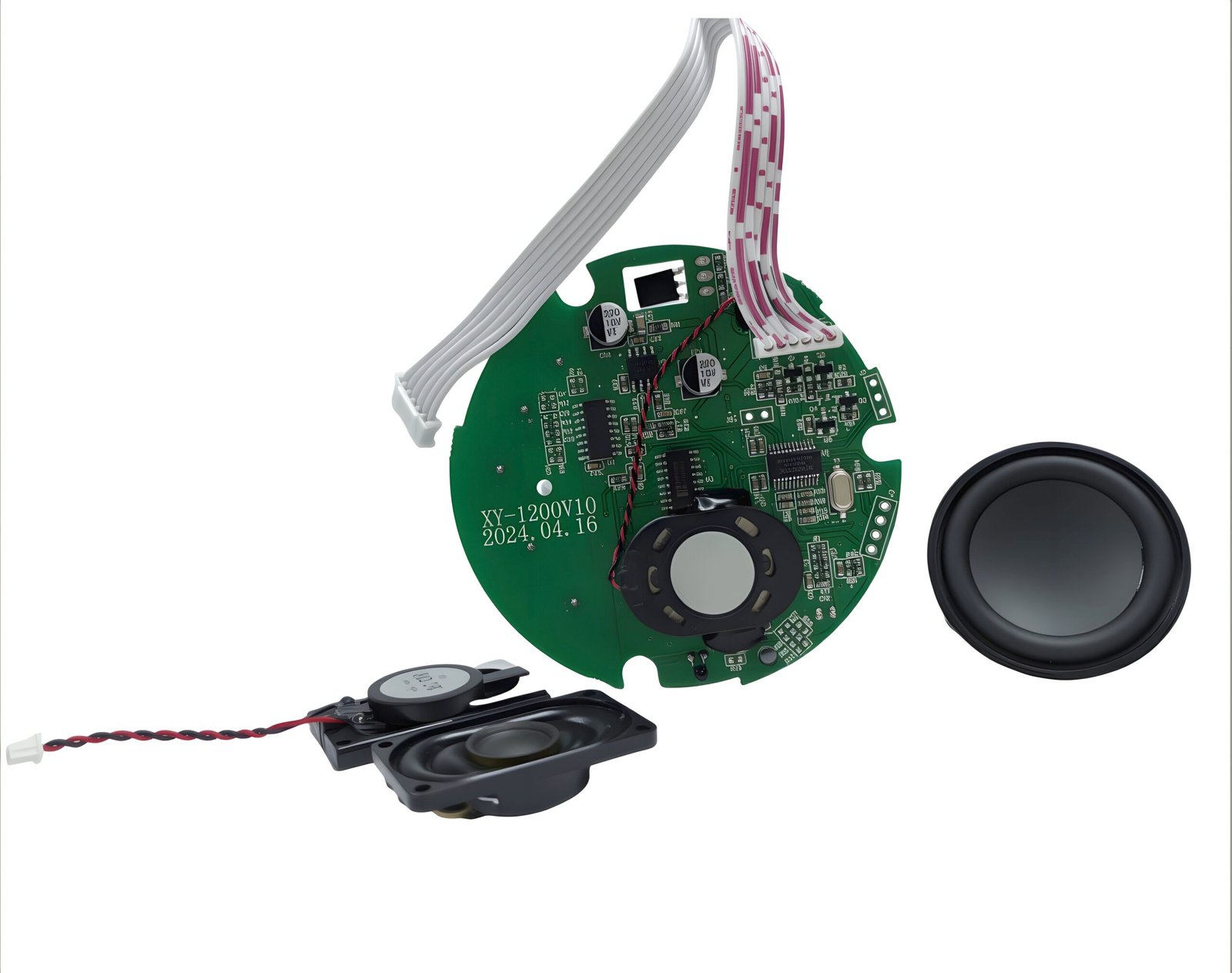
When we think of high-fidelity audio, our minds often leap to drivers, amplifiers, and digital signal processors. Yet, an often-overlooked component plays a pivotal role in what we ultimately hear: the speaker cover or grille. A custom speaker cover is not merely a decorative dust shield; it is an acoustic filter that stands directly between the transducer and your ears. A poorly designed cover can muffled detail, dampen dynamics, and color the sound, effectively undoing the engineering excellence of the speaker itself. Conversely, a cover designed with Acoustic Transparency as the primary goal can offer protection and aesthetic customization without perceptibly degrading sonic performance. This guide delves into the materials, design principles, and fabrication techniques required to create custom speaker covers that are truly transparent to sound.
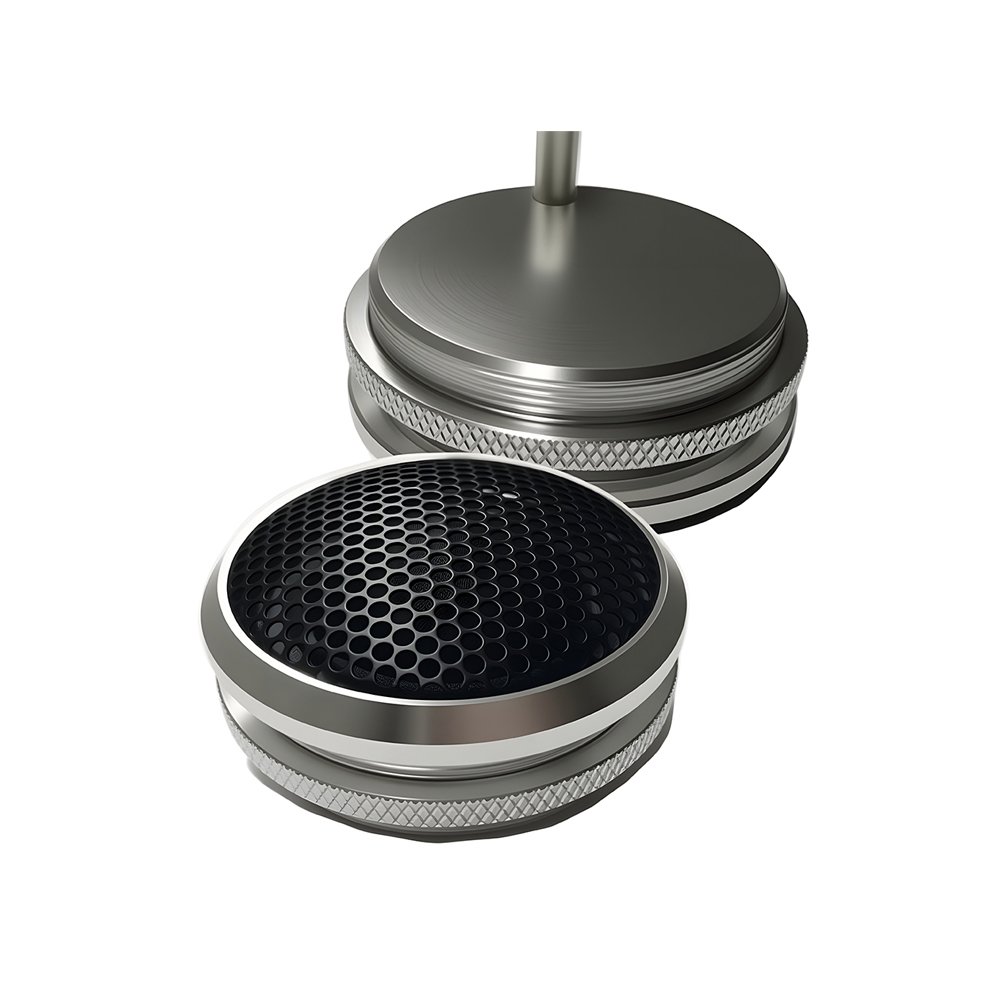
The demand for customized audio solutions is rising. According to a 2023 market analysis by Grand View Research, the global high-end audio equipment market size was valued at USD 12.1 billion and is expected to grow at a compound annual growth rate (CAGR) of 6.5% through 2030. A significant portion of this growth is driven by consumer desire for personalized, living-space-integrated audio, where visible speakers are covered with fabrics matching interior decor. The challenge and opportunity lie in executing this personalization without sacrificing the audio quality that justifies the investment in premium gear.
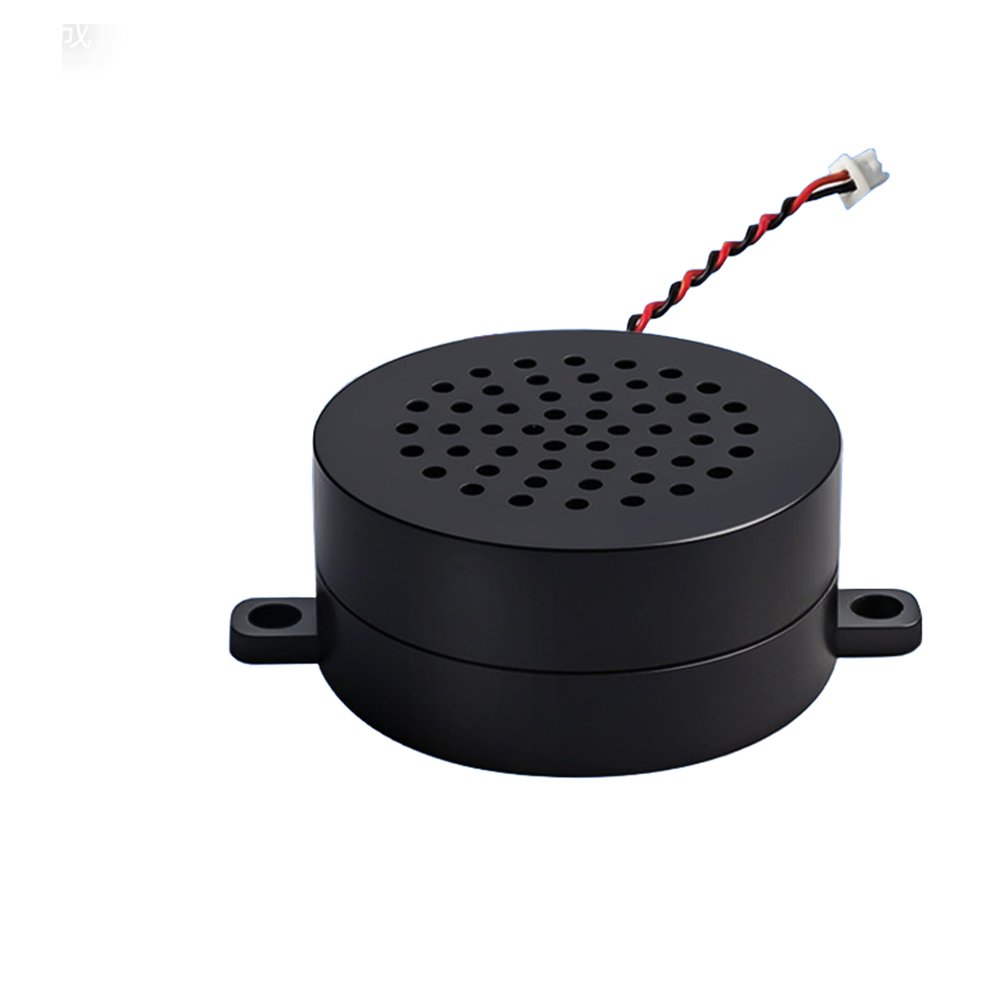
The Science of Acoustic Transparency: More Than Just an Open Hole
Acoustic transparency is quantified as a cover’s ability to allow sound waves to pass through with minimal attenuation, reflection, or diffusion. The goal is a frequency response alteration that is negligible—typically considered less than ±0.5 dB across the audible spectrum (20 Hz – 20 kHz). Achieving this is a battle against physics, involving several key factors:
- Material Porosity: This is the ratio of open area to total area. Higher porosity generally means less obstruction. Professional acoustic fabrics often have a porosity of 70% or higher. The weave or knit must be tight enough for aesthetics and protection but open enough to let sound through effortlessly.
- Material Acoustical Impedance: The fabric’s mass and rigidity affect how much energy is absorbed or reflected. Lightweight, low-density materials are preferable. Heavy, dense fabrics act as a barrier, particularly damping high frequencies.
- Geometric Design: The shape and depth of the cover frame matter. A cover that sits too close to the driver can cause undesirable reflections and comb filtering (phase cancellation at certain frequencies). A shallow, low-profile frame that holds the fabric taut several centimeters from the driver is ideal.
- Fabric Tension: Loose fabric can vibrate sympathetically at certain frequencies, creating audible buzzes or rattles and absorbing energy. The fabric must be drum-tight to avoid becoming a secondary, unwanted diaphragm.
Table 1: Common Speaker Cover Materials & Their Acoustic Properties
| Material Type | Typical Porosity | Acoustic Transparency | Best Use Case | Key Consideration |
| :— | :— | :— | :— | :— |
| Professional Acoustic Fabric (e.g., Guilford of Maine FR701) | >75% | Excellent | High-fidelity home audio, studios | Industry standard, wide color range, fire-rated. |
| Stretched Synthetic Micro-knit | 70-85% | Very Good to Excellent | Custom installs, decorative panels | Excellent stretch, uniform appearance, can be less durable. |
| Standard Decorative Cloth | Varies Widely (10-60%) | Poor to Fair | Non-critical, background audio | Aesthetic choice first; will degrade sound. |
| Perforated Metal (Thin) | 40-60% | Good (with cavity) | Pro audio, rugged environments | Very durable, but requires careful design to avoid resonance. |
| Wooden Slats or Grilles | 40-70% | Fair to Good | Vintage/retro design aesthetics | Design (slat width, spacing, edge shaping) is critical for HF response. |
Material Selection: The Foundation of Transparency
The choice of fabric is the single most important decision. As the data in Table 1 suggests, not all fabrics are created equal.
Professional Acoustic Fabrics: Des marques comme Guilford of Maine (now part of CF Stinson) and Psi Audio Fabrics are the gold standard. They are engineered specifically for this purpose. For instance, Guilford’s FR701 is a 100% polyester knit designed to have minimal acoustic effect. Its random knit pattern helps break up and pass sound waves uniformly. These fabrics are also treated for flame resistance (crucial for commercial installations) and are often acoustically tested, with data sheets available.
Key Specification to Request: When sourcing material, ask for or look for its “Insertion Loss” data. This graph shows signal loss in decibels across the frequency spectrum. A flat line near 0 dB is ideal.
Stretch Fabrics for Custom Frames: For custom-shaped frames (round, oval, complex polygons), a synthetic micro-knit with 4-way stretch (like Spandex/Lycra blends) is indispensable. The magic of these materials lies in their ability to be stretched to extreme tension over complex forms, creating a seamless, wrinkle-free surface that is also highly porous. Brands like Speaker Grill Stretch Fabrics offer options with acoustic properties approaching dedicated acoustic cloths.
What to Avoid:
- Non-porous materials: Vinyl, leather, standard canvas.
- Thick woven fabrics: Upholstery fabrics, burlap, felt. Their irregular, often dense weave causes significant high-frequency roll-off and diffusion.
- Loose weaves: Fabrics that are too open may not provide adequate driver protection and can look unrefined.
Design & Fabrication: From Concept to Acoustic-Friendly Reality
With the right material in hand, the design and build process determines success.
1. Frame Design:
- Matériel: Use stiff, non-resonant materials. Medium-density fibreboard (MDF), hardwood, or aluminum are common. Avoid thin, flexible plastics that can vibrate.
- Profile: Design a low-profile, shallow frame. The goal is to increase the distance between the fabric and the driver (reducing reflection interference) while keeping the overall cover slim. A recessed design where the fabric sits behind the front lip of the frame (a “stealth” look) can also help minimize edge diffraction.
- Mounting: Plan for secure, stable mounting. Magnetic mounts are popular for high-end systems as they allow tool-free removal with a solid, rattle-free connection. Plastic snap-on clips or Velcro are alternatives but can be less precise.
2. Fabric Stretching and Attachment:
- The Process: This requires patience and the right technique. For rectangular frames, start by stapling or tacking the fabric at the center of one side, pull tightly to the opposite side and secure, then repeat for the other two sides. Work outward from the centers, alternating sides, always maintaining high tension. For complex shapes, a specialized stretching frame or jig may be necessary.
- Attachment Method: For wood/MDF frames, mono-filament (invisible) staples are best. For a clean finish, the fabric can be wrapped around the frame and glued to the back. Some advanced DIYers and professionals use “acoustically transparent” hot-melt adhesives applied in a thin bead to avoid seepage through the fabric.
3. Testing and Iteration:
- The Ultimate Test: Your ears. The most critical test is a careful A/B listening comparison with the cover on and off. Listen for a loss of “air” or sparkle in the highs (cymbals, vocal sibilance), a softening of transient attacks (plucked strings, percussion), or a muddying of midrange clarity.
- Measurement (if possible): Use a calibrated measurement microphone (like a Dayton Audio iMM-6 or miniDSP UMIK-1) with free software (REW – Room EQ Wizard) to measure the speaker’s frequency response and impulse response with the cover on and off. Overlay the graphs. Look for differences, particularly above 2 kHz.
Advanced Considerations and the Future of Cover Design
For the true enthusiast, several advanced topics can elevate a cover from transparent to enhancing.
Angled and Waveguide-Integrated Covers: In speakers with waveguides (like many modern compression drivers), the cover can be designed as an extension of the waveguide itself, maintaining its geometry to ensure proper high-frequency directivity. This requires precise 3D modeling and fabrication, often using molded plastic or resin.
Hybrid Materials: Experimentation with layered materials is ongoing. Imagine an ultra-thin, acoustically transparent mesh laminated to a chosen decorative fabric. The mesh provides the acoustic properties, while the outer layer provides the aesthetic. The challenge is preventing delamination and managing added mass.
Digital Fabrication and Customization: The rise of accessible digital tools is a game-changer. CNC routers can mill perfect frames from MDF or aluminum. Laser cutters can create intricate perforated patterns in metal or wood veneers with exacting porosity calculations. 3D printing allows for the creation of complex, integrated frame structures that would be impossible with traditional woodworking, enabling organic shapes and integrated mounting solutions. Real-time data from the 3D printing industry (Wohlers Report 2024) shows that additive manufacturing for consumer audio components is one of the fastest-growing application segments, with an estimated 22% year-over-year growth in prototyping and end-use parts.
The future points toward “Active” or “Adaptive” Covers. With the integration of ultra-thin, transparent OLED or micro-perforated display surfaces, a speaker cover could one day display information or artwork while remaining acoustically transparent. Furthermore, DSP (Digital Signal Processing) could theoretically apply a corrective EQ profile specifically calibrated for the cover’s minute acoustic signature, achieving perfect neutrality.
Conclusion
Designing a custom speaker cover that honors the integrity of your audio system is a rewarding synthesis of art, craft, and science. It begins with respecting the paramount importance of acoustic transparency and follows through with informed material selection, thoughtful mechanical design, and meticulous fabrication. By prioritizing the guidelines outlined here—opting for engineered acoustic fabrics, building rigid low-profile frames, and achieving perfect tension—you can create a beautiful, personalized barrier that disappears sonically. In doing so, you ensure that the only thing that reaches your ears is the pure, uncolored performance your speakers were designed to deliver.
Professional Q&A on Acoustic Transparency
Q1: How can I quantitatively test the acoustic transparency of a fabric sample at home without professional gear?
UN: A simple but effective subjective test is the “hand clap” or “voice test.” Hold a single layer of the fabric taut over one ear. Clap your hands or speak at a consistent volume and timbre. Then, do the same without the fabric. Listen carefully for any dulling, muffling, or change in the high-frequency character of the sound. A truly transparent fabric will cause almost no perceptible change. For a slightly more quantitative approach, use a sound level meter app on your smartphone. Play a consistent pink noise track from a speaker, measure the SPL at your listening position, then place the fabric loosely over the speaker and measure again. Any drop greater than 1-2 dB suggests significant attenuation.
Q2: Is an acoustically transparent cover also “dust-proof”? Is there a trade-off?
UN: There is always a trade-off. True acoustic transparency requires high porosity, which by definition allows small particles to pass. Professional acoustic fabrics will stop larger debris (like pet hair) but will not block fine dust. If dust protection is a critical concern (e.g., in a workshop), a compromise must be made. A slightly less porous material or a dual-layer solution (a very open mesh behind a slightly more protective front layer) can be explored, but it must be acoustically tested. The best practice for high-end systems in clean environments is to use a highly transparent cover and perform occasional gentle vacuuming of the driver surfaces with a soft brush attachment.
Q3: With the growth of IoT and smart speakers, how is cover design adapting to ensure Wi-Fi and wireless signal transparency (e.g., for Bluetooth, Wi-Fi, Zigbee)?
UN: This is an emerging and critical consideration in the custom install market. Many modern speakers now house wireless connectivity modules behind the same grille. Metals, particularly conductive materials like aluminum in frames or metallic threads in fabrics, can attenuate or block these radio frequency (RF) signals. The industry response is two-fold:
- Material Innovation: Development of non-conductive, RF-transparent composite materials for frames (e.g., advanced polymers, carbon fiber with non-metallic resins).
- Strategic Design: Positioning the wireless antenna module away from obstructive materials, sometimes using a separate, dedicated RF-transparent window on the speaker cabinet. For custom covers, the recommendation is to avoid metallic-based fabrics or frames for speakers with critical wireless functions and to test connectivity with the cover in place during the design phase. Data from the 2024 Connectivity Standards Alliance report indicates that over 30% of new high-end audio products now include specific design guidelines for RF-transparent enclosure materials.