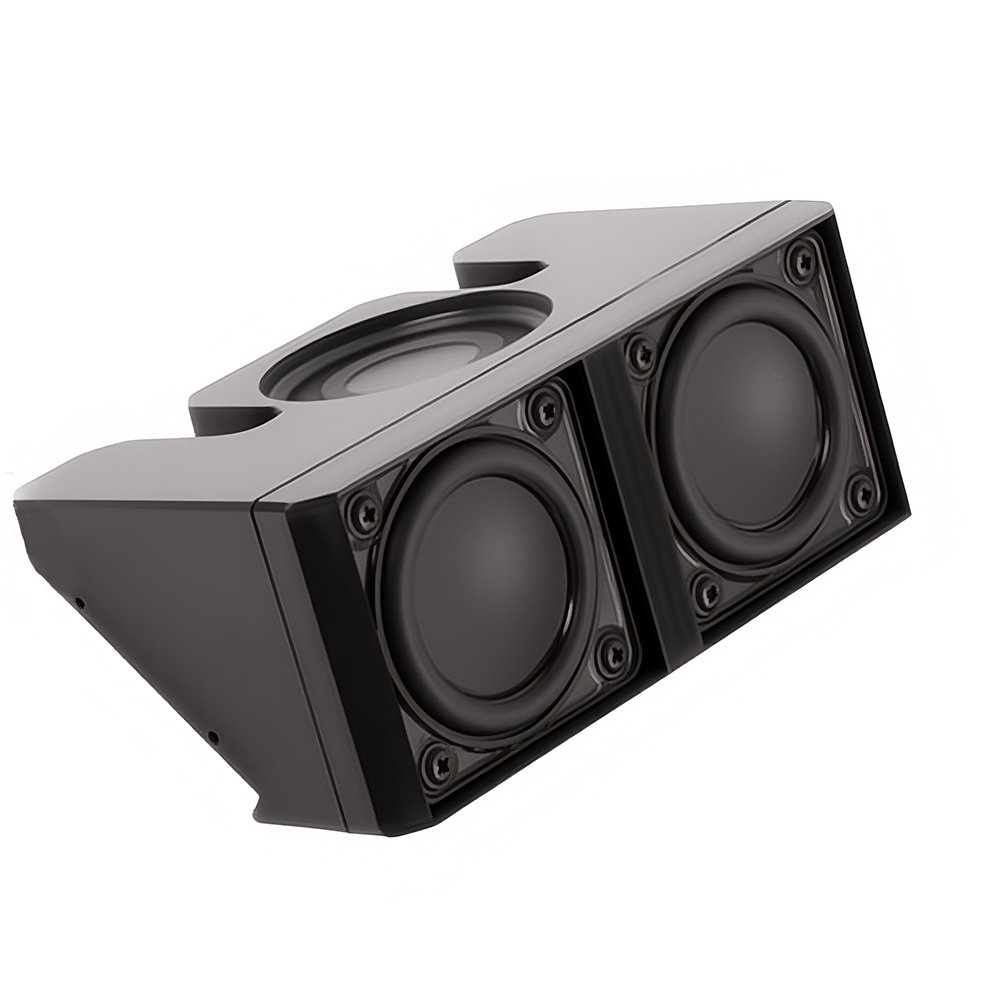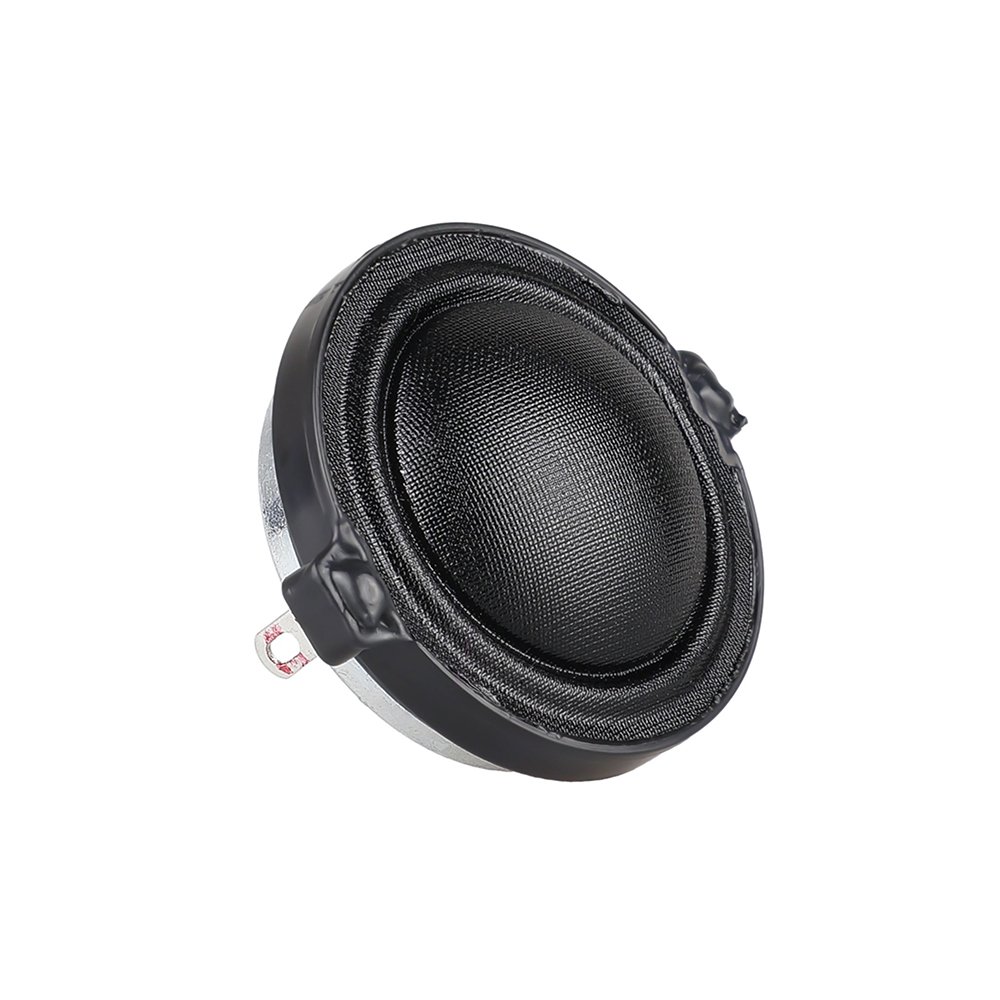
In today’s crowded event landscape, capturing attention is both an art and a science. Promotional events must create immersive, memorable experiences that resonate long after attendees leave. Enter LED light speakers—a dynamic fusion of high-quality audio and captivating visual technology. These aren’t just sound systems; they are interactive engagement tools that amplify brand presence, evoke emotion, and drive social sharing. Customizing these versatile devices for your specific promotional goals can transform a standard event into a sensational multi-sensory touchpoint. This comprehensive guide explores the strategic, technical, and creative processes behind leveraging customized LED light speakers to maximize impact at product launches, pop-up activations, corporate gatherings, and retail promotions.
The Strategic Advantage of Custom LED Light Speakers in Modern Marketing
Promotional events are fundamentally about creating a tangible connection between a brand and its audience. In an age where digital overload is common, physical experiences that engage multiple senses have surged in value. Custom LED light speakers serve as a powerful medium for this connection, offering dual utility: they provide essential ambient or featured audio while functioning as a customizable visual display.
The real-time data underscores this trend. According to a 2024 Event Marketing Benchmark Report, experiential marketing that integrates audio-visual elements can increase brand recall by up to 70% compared to traditional digital advertising. Furthermore, events featuring interactive technology see a 35% higher social media mention rate, with attendees spending 40% more time at such activations.
The psychological impact is clear. Light and sound are deeply tied to emotional response and memory formation. Synchronized LED visuals that pulse with music or react to voice can make a brand feel innovative, responsive, and engaging. For promotional purposes, this means transforming a passive audience into active participants. Whether it’s a product launch where the speaker’s color morphs to match the new product line, or a sponsored music segment where the lights dance to the beat, the technology creates a shareable “wow” moment.
From a practical branding perspective, these speakers offer extensive surface area for logo placement, brand colors, and messaging, both in their physical design and through their light patterns. They become a movable, reusable brand asset that works across various events, ensuring consistency and reinforcing identity.
Key Customization Options: From Hardware to Software Control
Customizing LED light speakers involves decisions across several layers, from physical aesthetics to intelligent software behavior. Understanding these options is key to aligning the technology with your event objectives and budget.
1. Physical & Aesthetic Customization:
- Housing & Materials: Speakers can be housed in custom-shaped enclosures (e.g., your product silhouette, brand mascot) using materials like acrylic, aluminum, or sustainable woods. Size can vary from portable handheld units to larger tower-style systems for main stages.
- Branding Integration: This includes vinyl wraps, laser etching, or direct printing of logos and graphics onto the speaker grill or body. For premium impact, consider in-mold decoration where the graphic is fused into the casing material for durability.
- LED Type and Placement: Options include:
- RGB LED Strips: Flexible and ideal for outlining shapes or creating light bars.
- NeoPixel or Addressable LEDs: Each LED can be individually controlled, allowing for complex animations, text scrolling, and patterns.
- LED Matrices: A grid of LEDs capable of displaying simple animations or bitmapped logos.
- Placement can be behind speaker grills, along edges, or as a central panel display.
2. Technical & Functional Customization:
- Audio Quality & Power: Select driver size, amplifier power, and connectivity (Bluetooth 5.3, auxiliary input, USB-C, Wi-Fi) based on the event’s audio needs—from background ambiance to primary sound.
- Control Systems: Determine how the lights will be controlled.
- Pre-Set Modes: Built-in sound-reactive modes where lights automatically respond to audio input.
- Mobile App Control: A dedicated app allows staff to change colors, patterns, and brightness in real-time from a smartphone.
- DMX Control: For large-scale, professional stage integrations, DMX protocol allows lighting technicians to sync the speaker lights with the entire stage lighting rig via a console.
- Interactive Triggers: Lights can be programmed to react to specific triggers, like a product demo (via a button press) or social media hashtag usage (via API integration).
3. Software & Content Customization:
This is where branding becomes dynamic. Work with your provider to program custom light shows that reflect your brand identity.
- Brand Color Palettes: Program the primary, secondary, and accent colors of your brand for seamless integration.
- Themed Animations: Create light sequences for different event moments—a pulsating “welcome” pattern, a dramatic product reveal sequence, or a celebratory “thank you” animation.
- Interactive Experiences: Develop modes where attendees can use a tablet kiosk to change the light patterns themselves, creating a personalized, participatory experience.
| Customization Tier | Ideal For | Key Features | Estimated Lead Time |
|---|---|---|---|
| Basic Branding | Small roadshows, giveaways | Vinyl logo wrap, standard sound-reactive LED mode, portable size. | 2-3 weeks |
| Enhanced Interactive | Product launches, pop-up shops | Custom color programming, app control, semi-custom housing, higher audio power. | 4-6 weeks |
| Full Integration | Large conferences, flagship events | Fully custom shape/DMX control, interactive triggers, high-resolution LED matrix, premium audio. | 8-12+ weeks |
Implementing Custom LED Speakers Across Different Event Types
The application of customized speakers varies significantly by event goal. Here’s how to deploy them strategically:
Product Launches: Use the speakers as the audio-visual centerpiece of the reveal. Program a unique light animation that triggers the moment the new product is unveiled, synchronizing light, sound, and emotion. The speakers can then continue to play curated music in brand colors throughout the venue.
Brand Activations & Pop-Ups: In these high-foot-traffic environments, the speakers must attract and engage. Interactive stations where passersby can connect their phones and instantly affect the speaker’s light show are highly effective. The speakers become both a draw and a tool for demonstrating brand personality.
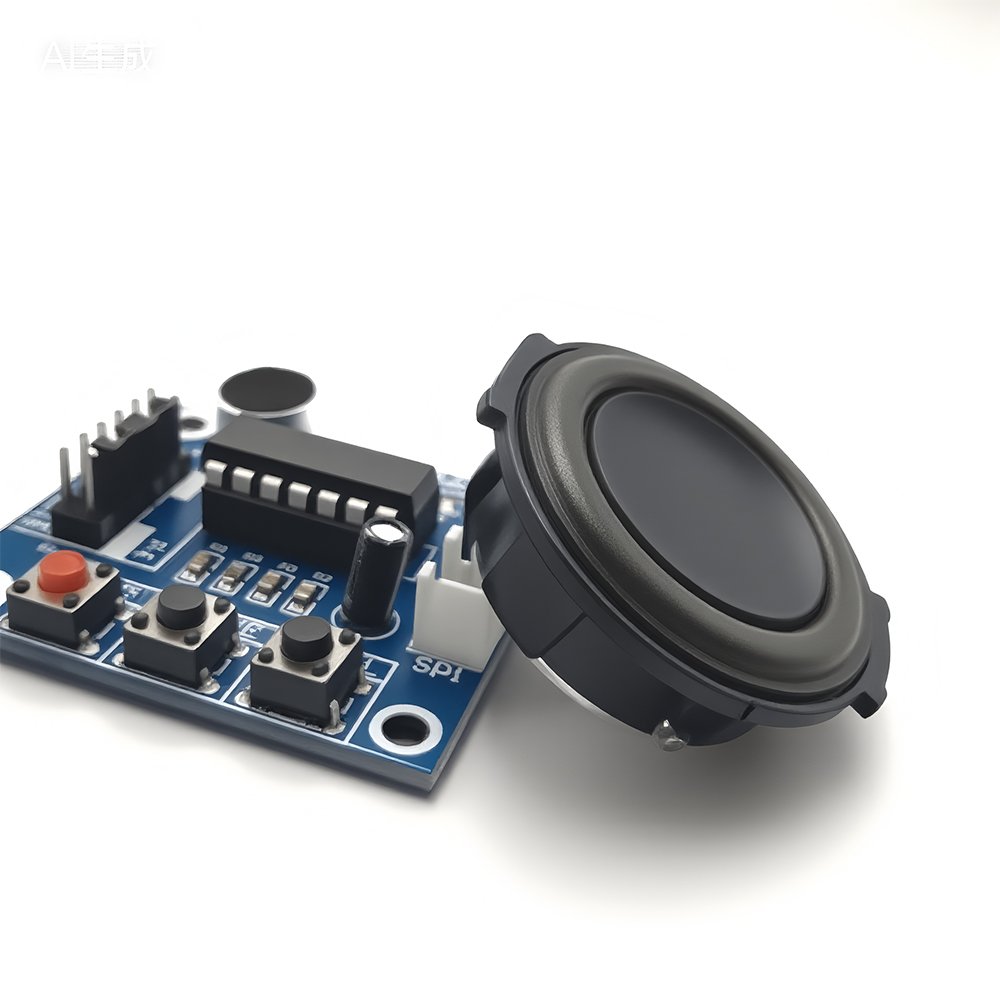
Corporate Hospitality & VIP Events: Here, the goal is sophistication and ambient branding. Custom speakers with subtly etched logos and elegant, slowly shifting light patterns can enhance the atmosphere in lounges or during dinners. They provide a constant but gentle brand reminder without being intrusive.
Retail and In-Store Promotions: Integrate custom speakers into window displays or key product areas. For a sports brand, speakers could pulse with team colors during a game. For a tech brand, they could react to customer interactions with products, creating a linked experiential journey.
Post-Event & Long-Term Value: The investment extends beyond the event day. Custom speakers can be used in office spaces, showrooms, or as high-impact gifts for key partners, continuing to promote your brand long after the event concludes.
Measuring ROI and Best Practices for Success
Justifying the investment in custom technology requires a focus on tangible and intangible returns.
Quantitative Metrics:
- Social Media Amplification: Track hashtags, shares, and posts featuring your branded speakers. The unique visual is highly “Instagrammable.”
- Lead Capture: Use the speaker attraction to drive sign-ups for contests or newsletters.
- Dwell Time: Measure how long attendees interact with or remain near the activation.
- Post-Event Surveys: Gauge recall by asking attendees to describe memorable elements.
Qualitative & Brand Metrics:
- Perception Shift: Does the brand feel more innovative or premium?
- Press Coverage: Custom tech often attracts media and influencer attention.
- Content Generation: The speakers provide a backdrop for professional event photography and video.
Best Practices for a Smooth Process:
- Start Early: Customization, especially for hardware, requires a significant lead time (see table above).
- Define Clear Objectives: Is it for ambiance, a main reveal, or attendee interaction? This guides all customization choices.
- Partner with a Specialist: Work with a manufacturer or AV integrator experienced in custom LED projects. They can advise on technical feasibility and cost-saving optimizations.
- Prioritize User Experience: Ensure the technology is reliable, intuitive for your staff to operate, and adds to—rather than complicates—the attendee journey.
- Plan for Logistics: Consider power requirements, transportation, and on-site technical support.
Conclusion: Lighting Up the Future of Experiential Marketing
Custom LED light speakers represent a potent convergence of sensory marketing and reusable brand technology. They break through the noise by making your brand not just seen or heard, but felt. The process—from conceptualizing the design to programming the interactive experience—allows for deep brand storytelling. While the initial investment is greater than off-the-shelf alternatives, the returns in engagement, memorability, and long-term asset utility make them a compelling choice for forward-thinking marketers. In the competitive arena of promotional events, a custom LED light speaker isn’t just a piece of equipment; it’s a brand protagonist, creating rhythmic, radiant memories that drive connection and conversation.
Professional Q&A on Custom LED Light Speakers
Q1: What is the typical cost range for customizing LED light speakers for an event, and what factors most influence the price?
A: Costs can range widely from $200 to $2,000+ per unit, depending on scale and specs. Key cost drivers include: 1) Degree of Hardware Customization (standard box vs. custom mold), 2) LED Complexity (simple strips vs. addressable matrix), 3) Audio Quality (basic vs. premium components), and 4) Software/Control (basic modes vs. fully programmable app/DMX). Order volume also significantly reduces per-unit cost. A mid-range, app-controlled speaker with a custom wrap and good audio typically starts around $500-$800 per unit for a modest batch order.
Q2: How can we ensure our custom LED speaker design is durable enough for multiple events?
A: Durability hinges on material choices and construction. Insist on ABS plastic or aluminum housings over cheaper plastics. For branding, laser etching or in-mold graphics are far more durable than vinyl wraps for long-term use. Ensure all electronic components are securely mounted and connectors are strain-relieved. Discuss an IP (Ingress Protection) rating with your supplier; an IPX4 rating or higher is advisable for resistance to spills and dust at events. Finally, invest in quality custom flight cases for transportation.
Q3: Can the LED patterns be synchronized across multiple speaker units at a large venue?
A: Absolutely. This is a key advantage for large-scale events. Synchronization is achieved through:
- DMX Protocol: The industry standard for stage lighting. Each speaker acts as a DMX fixture, allowing a lighting console to control all units in perfect unison as part of the master light show.
- Wireless Mesh Networks: Some proprietary systems use Wi-Fi or other RF protocols to create a network where one “master” speaker wirelessly controls the “slave” units, ensuring synchronized patterns across a venue without running cables.
- Wired Daisy-Chaining: Simpler systems may use a direct cable link (e.g., via 3.5mm audio jack or data cable) to sync the light controllers.
Q4: From an SEO and content perspective, how can we leverage this custom tech for pre- and post-event marketing?
A: Custom tech is a content goldmine. Pre-event, tease the development process with behind-the-scenes videos of the design and prototyping, using keywords like “custom event technology” and “immersive brand experience.” During the event, create live streams and reels focusing on the speakers in action, encouraging user-generated content with a specific hashtag. Post-event, publish a detailed case study on your website (like this article) targeting long-tail keywords such as “ROI of custom audio-visual for events.” This content demonstrates thought leadership, improves SEO through relevant, quality content, and extends the asset’s value.