
In today’s competitive audio market, selecting the right loudspeaker manufacturer for large-scale production is a critical strategic decision. Whether you’re an established brand scaling up or a new venture launching a product line, the manufacturer you choose directly impacts product quality, supply chain resilience, brand reputation, and ultimately, profitability. An exhaustive, multi-faceted audit is not just due diligence—it’s a necessity. This guide provides a structured framework for auditing loudspeaker manufacturers, ensuring your partner can meet the demands of high-volume production while upholding the highest standards of performance and reliability.
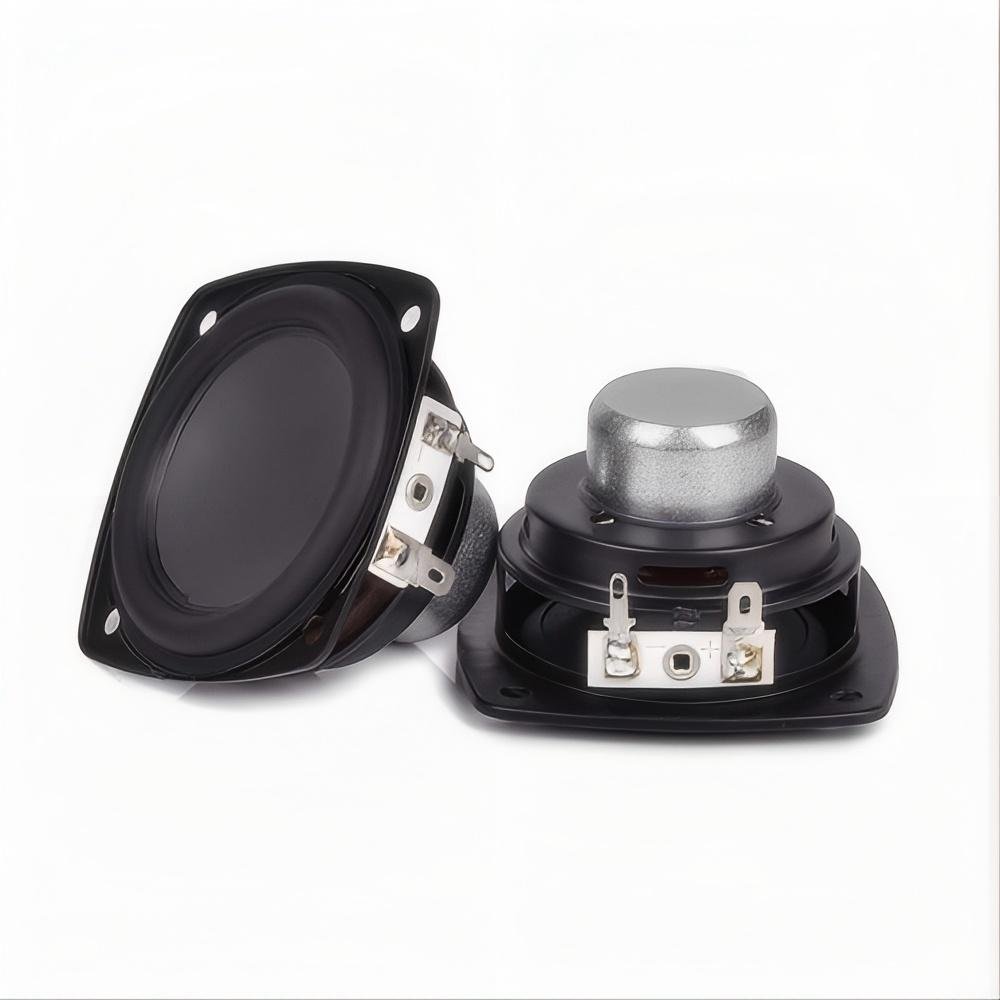
1. Supply Chain and Raw Material Sourcing
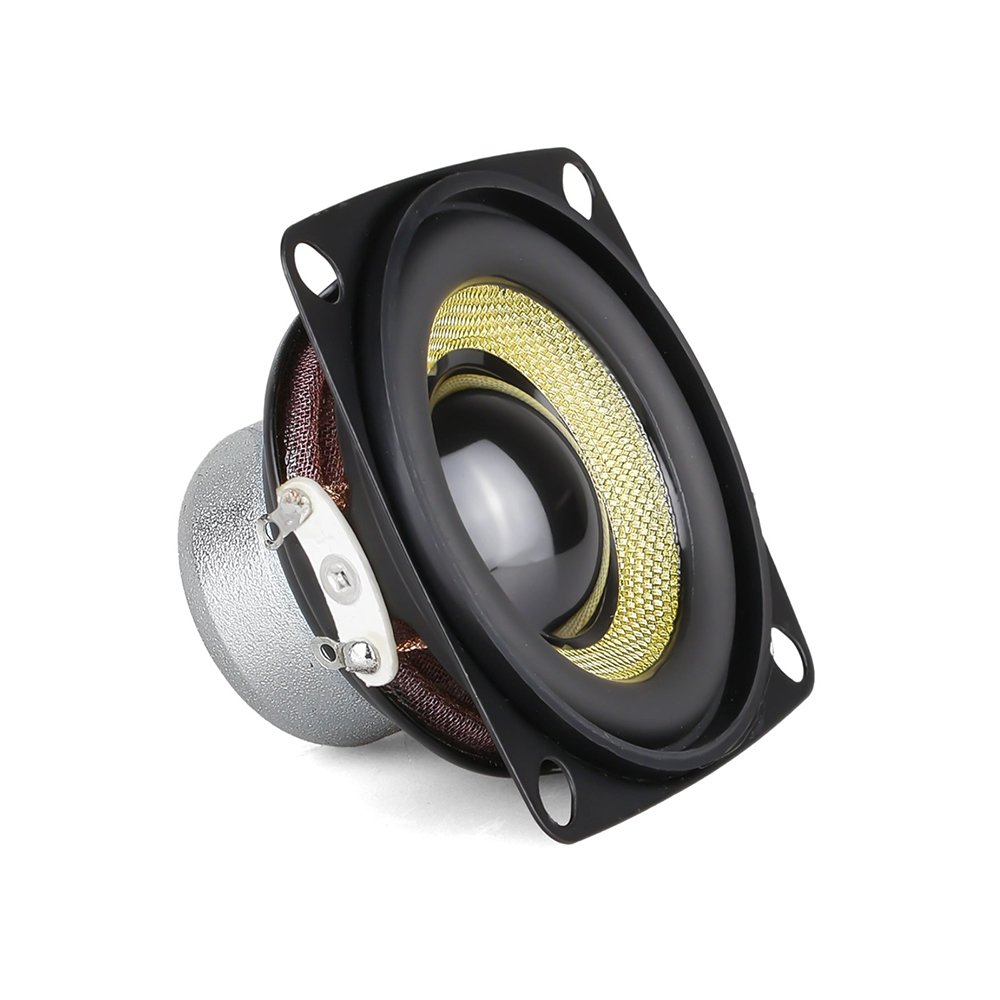
A manufacturer’s capability is only as strong as its supply chain. For loudspeaker production, this encompasses everything from raw materials (magnets, voice coils, cones, suspensions, frames) to components like crossovers and connectors.
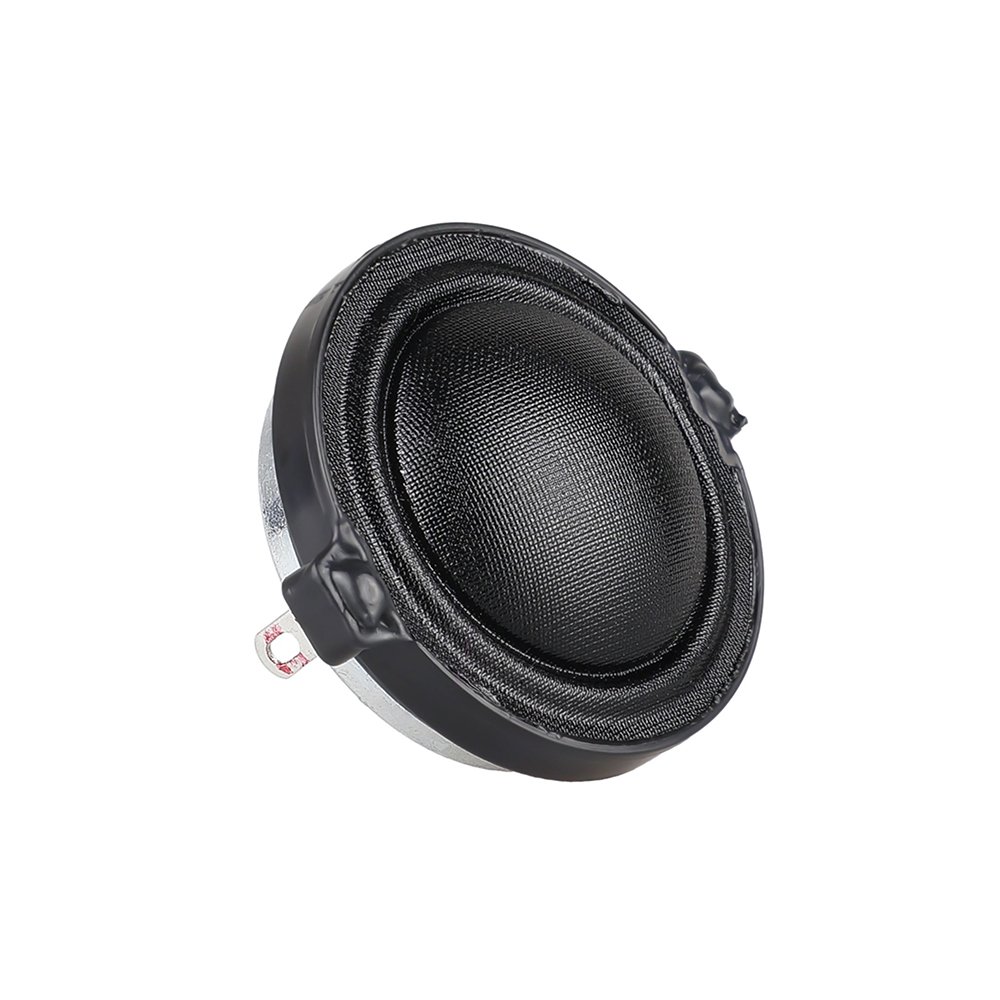
- Vertical Integration: Assess the level of vertical integration. Does the manufacturer produce key components in-house (e.g., molding their own cones or winding their own coils)? This often grants greater control over quality, cost, and lead times. A 2023 McKinsey report on advanced manufacturing highlights that vertically integrated electronics suppliers can reduce time-to-market by up to 15% and mitigate supply disruption risks.
- Supplier Vetting: Audit their supplier qualification process. They should have documented procedures for evaluating and approving sub-suppliers of critical items like neodymium magnets (whose prices and availability fluctuated significantly in 2024) or high-grade PCBAs for crossovers.
- Inventory and Logistics: Evaluate raw material inventory management and logistics networks. For large-scale orders, consistent material flow is paramount. Inquire about their safety stock policies for critical components and their contingency plans for supply chain disruptions.
Table 1: Key Raw Material & Component Considerations
| Composant | Critical Audit Points | Recent Market Factor (2024) |
| :— | :— | :— |
| Magnets | Grade/consistency, supplier diversification, cost stability clauses | Volatile neodymium prices; increased focus on sustainable sourcing. |
| Voice Coils | Wire purity, former material (Kapton, aluminum, etc.), winding precision | AI-driven optical inspection for defect rates <0.01% becoming standard. |
| Cones & Diaphragms | Material formulation (paper, polypropylene, composites), molding consistency | Growth in use of recycled and bio-based composites for sustainability. |
| Suspensions | Material compliance, durability testing data, batch uniformity | Automated laser measurement ensuring spider/roll geometry tolerances. |
| Crossovers | Component (capacitor, inductor) quality, PCB assembly standards, testing | Global chip shortage recovery shifting towards localized PCB sourcing. |
2. Production Facilities and Technical Capabilities
The factory floor is where capability meets reality. A physical audit (or a detailed virtual tour with live verification) is indispensable.
- Production Lines: Examine the flow of production lines for efficiency and cleanliness. Look for organized workstations, electrostatic discharge (ESD) protection for electronic assembly, and proper handling of components. Are lines dedicated to high-volume models, or is there constant changeover?
- Automation Level: Identify the level of automation. While skilled labor is crucial for final assembly and QC, automated processes for coil winding, gluing, diaphragm attachment, and laser measurement ensure consistency at scale. According to data from the International Federation of Robotics, adoption of collaborative robots (cobots) in electronics assembly grew by over 30% year-on-year in 2023.
- Equipment and Calibration: Review the maintenance and calibration logs of key machinery (e.g., CNC machines for frame production, injection molders, test systems). Modern SPL and Thiele-Small parameter measurement systems should be traceably calibrated.
3. Engineering Support, R&D, and Prototyping
A true manufacturing partner offers more than just assembly; they provide engineering support to optimize design for manufacturability (DFM) and cost (DFC).
- DFM/DFC Process: Inquire about their formal DFM/DFC process. They should proactively suggest material or tolerance adjustments that reduce cost or improve yield without compromising performance.
- R&D Investment: Evaluate their investment in R&D. Do they have an acoustics lab, anechoic chambers, and Klippel or similar analysis systems? This indicates an ability to support complex development and troubleshoot production issues from first principles.
- Prototyping Speed: Assess their prototyping workflow. Fast, iterative prototyping (from 3D-printed parts to functional pre-production samples) is essential for rapid development cycles. Leading manufacturers now offer rapid prototyping turnarounds of 2-4 weeks.
4. Quality Management Systems and Testing Protocols
A rigorous Quality Management System (QMS) is the backbone of consistent large-scale production.
- Certifications: Verify international certifications such as ISO 9001:2015 (Quality Management) and ISO 14001 (Environmental Management). IATF 16949 (automotive) is a strong indicator of exceptional process control, even for consumer audio.
- In-Process Testing: Audit their in-process testing (IPT). Every critical assembly stage—coil centering, glue application, suspension alignment—should have checkpoints with clear Acceptable Quality Limits (AQL).
- Final Product Testing: This is non-negotiable. Every single loudspeaker unit should undergo final performance testing, not just spot-checking. The gold standard is a fully automated test rig measuring key parameters (Fs, Re, SPL, distortion, impedance curve) against digital gold standards and automatically binning or rejecting outliers. As of 2024, machine learning algorithms are increasingly used on test data to predict production line drift before it creates rejects.
- Data Traceability: Ensure complete traceability. Each driver or finished product should be traceable through serial numbers back to its production batch, component lots, and test data.
5. Scalability, Capacity, and Lead Times
Can they grow with you? Assess their true scalability.
- Current & Future Capacity: Determine their current monthly output capacity and the lead time required to scale (e.g., adding shifts, new lines). Ask for evidence of past scaling for other clients.
- Lead Time Analysis: Break down their quoted lead times: raw material procurement, production, testing, and shipping. A transparent manufacturer provides a realistic timeline with buffer for delays.
- Factory Footprint: Consider their physical expansion capabilities. Is there space for additional production lines within the facility or the industrial park?
6. Sustainability and Compliance
Modern procurement mandates environmental and ethical responsibility.
- Environmental Practices: Audit waste management, energy efficiency, and use of restricted substances (compliance with REACH, RoHS, Prop 65). The EU’s new Ecodesign for Sustainable Products Regulation (ESPR) will increasingly impact audio equipment.
- Ethical Compliance: Verify social accountability (e.g., SA8000, Sedex audits) ensuring fair labor practices, health, and safety. This mitigates brand risk and aligns with ESG (Environmental, Social, and Governance) goals. A 2024 Deloitte survey found 65% of supply chain leaders have accelerated ESG initiatives in their supplier networks.
- Packaging: Review packaging for sustainability—using recycled, recyclable, or minimal materials without compromising protection.
Conclusion
Auditing a loudspeaker manufacturer for large-scale production is a deep dive into their ecosystem—from their supply chain’s foundation to their quality culture’s pinnacle. It requires a blend of technical inspection, process analysis, and strategic evaluation. By systematically applying the framework outlined above, you can move beyond price-per-unit comparisons and select a manufacturing partner who ensures consistent quality, scalable supply, and innovative support—turning your loudspeaker design into a commercially successful, reliable product. In an era where consumers and retailers demand both excellence and responsibility, this comprehensive audit is your most powerful tool for de-risking production and securing long-term market success.
Questions et réponses professionnelles
Q1: Beyond the basic ISO 9001, what specific quality certifications should we prioritize for a high-volume loudspeaker manufacturer?
UN: While ISO 9001 is a baseline, IATF 16949 (the automotive quality standard) is a strong indicator of exceptional process control, statistical analysis, and defect prevention—highly desirable for consumer electronics at scale. For environmental management, ISO 14001 is key. Additionally, look for ISO/IEC 17025 accreditation for their in-house testing laboratory, which ensures their measurement data is internationally credible and traceable to national standards.
Q2: How can we verify a manufacturer’s claimed defect rates, and what is an acceptable AQL for finished loudspeakers in 2024?
UN: Always request historical Quality Performance Data ou Supplier Scorecards from their existing clients (with confidentiality agreements). During the audit, ask to review recent Process Capability (Cp/Cpk) studies for key parameters and Final Test Yield Reports. For finished loudspeakers, a standard AQL for critical defects (e.g., rub & buzz, catastrophic failure) at final inspection is 0.065% (Level II, Single Sampling). However, with automated 100% testing, the target for escaped defects reaching packaging should be <0.01%. Leading manufacturers now use real-time SPC (Statistical Process Control) dashboards to monitor this.
Q3: With global supply chain volatility, what are the most effective strategies to audit for supply chain resilience?
UN: Focus on three areas: Diversification, Visibility, and Buffer Strategy. Audit their approved supplier list for single-source vs. multi-source components. For critical items like magnets, multi-sourcing is preferable. Assess their use of Supply Chain Management software providing real-time visibility into supplier inventory and logistics. Finally, scrutinize their safety stock policies and ask for their Business Continuity Plan (BCP) detailing specific actions taken during recent major disruptions (e.g., pandemic, port congestion). A resilient manufacturer will have quantifiable plans, not just vague assurances.
Q4: How important is it for the manufacturer to have in-house R&D and advanced measurement tools like a Klippel system for a standard high-volume project?
UN: It is increasingly a critical differentiator. While not every project requires novel R&D, a manufacturer with in-house acoustics engineering and a Klippel system provides immense value. It allows for precise characterization of prototypes, identification of non-linear distortions early, and most importantly, correlating production test results with design performance. This means they can diagnose why a unit on the line is failing and correct the root process issue, rather than just rejecting the driver. This capability directly protects your production yield and long-term product consistency.