
The Critical Role of Thermal Management in Compact Audio Design
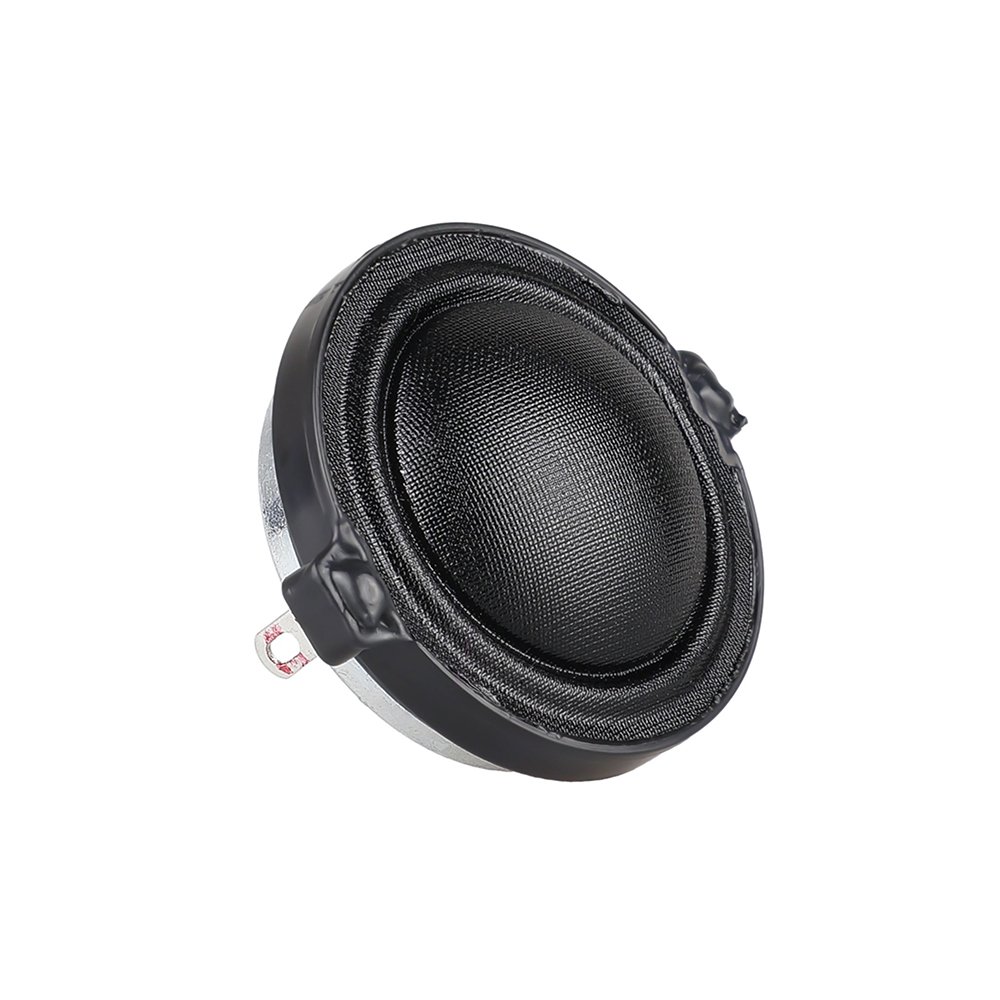
In the relentless pursuit of smaller, more powerful, and clearer audio devices, thermal management has emerged as a paramount, yet often underestimated, engineering challenge. For small loudspeakers—found in everything from premium wireless earbuds and smart speakers to compact Bluetooth portables and laptop soundbars—excessive heat is the silent killer of performance, reliability, and component life. At its core, a loudspeaker driver is an energy conversion device: it transforms electrical energy from the amplifier into mechanical motion (sound) and, unavoidably, into heat. Inefficiencies in this conversion, particularly in the voice coil, generate thermal energy. In confined enclosures with minimal airflow, this heat accumulates, leading to a cascade of detrimental effects.
The primary risks are both immediate and long-term. Firstly, the voice coil’s resistance increases with temperature (a positive temperature coefficient), a phenomenon known as power compression. This reduces the electrical current for a given voltage, effectively decreasing acoustic output—the speaker becomes quieter even as the amplifier delivers full power. Secondly, prolonged high temperatures can degrade or melt adhesives bonding the voice coil to the former and the spider to the frame, leading to catastrophic failure. Thirdly, magnetic field strength in the motor structure (particularly in ferrite magnets) can weaken with elevated temperature, subtly altering the driver’s Thiele-Small parameters and thus its frequency response. Modern design trends exacerbate these issues: consumers demand higher peak SPL (Sound Pressure Level), deeper bass extension from tiny drivers, and prolonged operation at high volumes, all of which push more power through miniature systems. Consequently, a proactive thermal design is not an optional add-on but a fundamental pillar of high-fidelity, durable small loudspeaker development.
Core Heat Generation Mechanisms and Dissipation Pathways
Understanding where et how heat is generated is the first step toward managing it. In a dynamic loudspeaker driver, over 90% of the thermal load typically originates from the voice coil. When alternating current passes through the coil windings, resistive losses (I²R) produce heat. This heat conducts through the voice coil former (typically aluminum or polyimide) and radiates into the air gap. The tight tolerance between the voice coil and the top plate/pole piece means this gap acts as a significant thermal barrier.
Key Heat Generation Zones:
- Voice Coil: The primary source.
- Motor Structure: Eddy currents in the pole piece and top plate can generate secondary heat, especially with high-frequency content.
- Amplifier: Particularly in active designs with integrated Class-D amplifiers, the PCB and power components (MOSFETs, inductors) are major heat contributors inside the enclosure.
Dissipation Pathways in a sealed small speaker are limited:
- Conduction: Heat moves from the voice coil through the former, spider, and diaphragm to the frame/basket, and from the frame to the enclosure. This is the most critical path in sealed designs.
- Radiation: The voice coil and motor structure radiate infrared energy to surrounding surfaces.
- Convection: Minimal in sealed, air-tight enclosures. Some ported or passive radiator designs allow for slight internal air movement, but this is often negligible for core voice coil cooling.
The thermal circuit can be modeled like an electrical one, with thermal resistances (in °C/W) between nodes. The goal is to minimize the total thermal resistance from the voice coil to the ambient environment. The following table outlines typical thermal resistance values for key pathways in a small speaker driver.
Table 1: Typical Thermal Resistance Pathways in a Small Speaker Driver
| Pathway | Description | Typical Thermal Resistance Range | Design Influence |
| :— | :— | :— | :— |
| Voice Coil to Frame (via Spider/Diaphragm) | Primary conductive path through driver components. | 5°C/W to 15°C/W | Material selection (aluminum vs. polyimide former), adhesive thermal conductivity, spider material (Nomex, polyimide). |
| Frame to Envelope (Enclosure) | Contact between metal basket and plastic/housing. | 2°C/W to 10°C/W | Interface design, use of thermal interface materials (TIMs), frame material (stamped steel vs. cast aluminum). |
| Envelope to Ambient | Final dissipation from device exterior to air. | 10°C/W to 50°C/W | Enclosure surface area, material (metal vs. plastic), external fins/texture, placement within end product. |
| Internal Radiation & Convection | Within the sealed enclosure volume. | Very High (>50°C/W) | Internal blackening, strategic use of internal heat sinks or thermal bridges. |
Advanced Materials and Component-Level Design Strategies
Innovation at the material and component level offers the most direct means of improving thermal performance without increasing size.
1. Voice Coil and Motor Innovations:
- High-Temperature Materials: Using Class-H (180°C) or Class-C (220°C+) wire enamels, polyimide formers, and high-temp adhesives (epoxy, cyanoacrylate) raises the failure threshold.
- Conductive Formers: Aluminum voice coil formers are a game-changer for small speakers. They act as an integrated heat sink, conducting heat axially away from the coil windings and radially into the magnetic gap air. This can reduce voice coil temperature by 15-25% compared to polyimide formers.
- Underhung Motor Designs: While often used for linearity, an underhung design (coil shorter than the magnetic gap height) can improve cooling by exposing more coil surface area to the air in the gap.
- Ferrofluid: Although less common in very small drivers due to potential long-term stability issues and damping effects, ferrofluid in the magnetic gap can significantly enhance heat transfer from the coil to the pole piece.
2. Basket/Frame as a Heat Sink:
The frame is no longer just a structural element. Die-cast aluminum baskets provide superior thermal conductivity versus traditional stamped steel. Design features like thick webs, ribs, and a large contact pad where the frame mates with the enclosure can dramatically lower thermal resistance.
3. Envelope-Level Integration:
- Thermal Interface Materials (TIMs): Applying thermal pads, phase-change materials, or non-silicone thermal grease at the interface between the driver frame and the internal housing wall creates a low-resistance bridge.
- Strategic Enclosure Design: Using materials like aluminum or magnesium alloy for parts of the housing, or integrating thermally conductive plastics (polymer composites with ceramic or graphite fillers), can spread heat. Internal structures can be designed as heat spreaders ou chimneys to encourage natural convection, even in semi-sealed designs.
- External Surface Optimization: Texturing, finning, or using darker, high-emissivity coatings on the exterior plastic can improve radiative and convective heat loss to ambient air. As of 2024, advancements in micro-finned injection molding allow for complex, heat-dissipating geometries on plastic housings without significant cost increases.
Modeling, Simulation, and Testing for Robustness
Modern thermal design relies heavily on predictive engineering to avoid costly prototype failures.
1. Multiphysics Simulation: Tools like COMSOL Multiphysics or ANSYS allow for coupled electro-thermal-mechanical simulations. Engineers can model the entire system: input a real-world audio signal (like a standardized test tone or music clip), compute the resulting power dissipation in the voice coil and amplifier, and simulate the resulting temperature rise across the entire structure over time. This virtual prototyping identifies hotspots and evaluates the effectiveness of different material and design choices before any physical build.
2. Standardized Thermal Testing Protocols: Reliable data is key. The industry standard is the IEC 60268-5 test for loudspeaker power handling. It involves driving the speaker with a specified noise signal (pink noise with a 6 dB crest factor, band-limited to the speaker’s usable range) for periods of 1 hour, 2 hours, or until failure, while monitoring temperature and acoustic output. Key metrics derived are:
- Maximum Input Power (Pmax): The power a driver can handle for a specific duration without thermal or mechanical damage.
- Power Compression Curve: A plot of SPL output vs. time at a constant input power, showing the drop due to heating.
3. Real-World Validation: Beyond standardized tests, testing with dynamic music or movie content is crucial, as the complex, peaky nature of real signals can cause different heating patterns compared to steady noise. Infrared thermography is invaluable for visually mapping temperature distributions on prototypes in real-time.
Table 2: Comparison of Thermal Management Solutions for Small Speakers
| Solution | Typical Temp. Reduction | Cost Impact | Design Complexity | Best Application |
| :— | :— | :— | :— | :— |
| High-Temp Materials (Wire, Adhesives) | Increases failure threshold by 20-50°C | Low | Low | All small speakers as a baseline. |
| Aluminum Voice Coil Former | 15-25% lower peak coil temp | Medium | Medium | High-performance drivers in portable speakers, soundbars. |
| Die-Cast Aluminum Frame | 10-20% lower system temp | High | Medium | Premium compact drivers where weight is less critical. |
| Thermal Interface Material (TIM) | 5-15% lower frame-to-enclosure resistance | Low | Low | Any design where driver mates directly to housing. |
| Thermally Conductive Plastic Housing | 5-10% lower surface temp | Medium-High | Low-Medium | Enclosures for smart speakers, soundbars. |
| Active Cooling (Micro Fan/ Piezo) | 30-50%+ lower internal temp | High | High | Ultra-compact, high-power designs (e.g., gaming earbuds). |
Future Trends and Integrated System Approaches
The frontier of thermal management lies in system-level co-design et smart thermal control. The line between the speaker driver, amplifier, and enclosure is blurring.
- Amplifier-Driver Co-Design: Modern Class-D amplifiers are highly efficient (>90%), but the remaining few percent of loss at high power in a tiny space matters. Placing the amplifier PCB to use the speaker frame as its heat sink, or vice-versa, is becoming common. Digital Signal Processing (DSP) plays a growing role through thermal modeling protection algorithms. The DSP can estimate voice coil temperature in real-time based on the programmed signal history and driver parameters, and dynamically limit equalization (especially bass boost) or apply a high-frequency shelf filter to reduce power when a threshold is neared, preventing damage while maintaining audibility.
- Emerging Materials: Research into graphene et carbon nanotube composites promises plastics with metal-like conductivity at lower weight and cost. Vapor chambers (VC) et heat pipes, miniaturized for consumer electronics, are beginning to be explored for directing heat from critical audio components in flagship devices.
- Sustainability-Driven Design: As regulations push for longer product lifespans and repairability, thermal management directly supports these goals by ensuring components operate within safe, degradation-free temperature ranges for years. A well-cooled speaker is a more durable and sustainable one.
Professional Q&A on Small Speaker Thermal Management
Q1: In a cost-sensitive design, what is the single most effective thermal improvement I can make?
UN: Prioritize the use of high-temperature voice coil materials (Class-H wire and adhesives). This is a relatively low-cost intervention that directly raises the failure temperature, providing a larger safety margin. Following that, ensuring a tight mechanical and thermal bond between the driver frame and the enclosure using a cost-effective thermal pad or even thermally conductive adhesive can significantly improve heat sinking with minimal added expense.
Q2: How does thermal management interact with acoustic tuning, particularly for bass response?
UN: There’s a direct trade-off. Bass frequencies, especially those below 100Hz, require large cone excursions and thus high power to generate significant sound pressure. This is the most thermally demanding content. Aggressive DSP bass boost or tuning for deep bass in a small sealed enclosure is the fastest way to generate dangerous heat. A robust thermal design allows for more aggressive acoustic tuning without failure, but engineers must always balance the target frequency response with the thermal capacity of the system. A thermal protection algorithm in the DSP is often necessary to safely implement an ambitious bass target.
Q3: Are there reliable real-time methods to monitor voice coil temperature in a production device?
UN: Direct measurement with a thermocouple is impossible in a sealed product. The industry-standard indirect method is Voice Coil Resistance (VCR) monitoring. Since copper’s resistance increases predictably with temperature (~0.4% per °C), the DSP can periodically inject a low-level DC pulse or use the audio signal itself to estimate the coil’s DC resistance. From this, it can calculate the approximate temperature rise. This method is used in some high-end automotive and professional audio systems for active protection and compensation.
Q4: With the rise of miniaturized active noise cancellation (ANC) in earbuds, how does this affect thermal load?
UN: ANC significantly increases the thermal challenge. The ANC feedback microphones often cause the amplifier to drive the speaker with large, low-frequency signals out-of-phase with the ambient noise to achieve cancellation. This means the drivers are working hard even when no “desired” audio is playing at high volume, leading to sustained, high-power dissipation. Thermal design for ANC earbuds must account for this continuous, high-duty-cycle load, not just peak music playback scenarios. This often necessitates the use of aluminum formers and sophisticated DSP-based thermal limits.