
Le marché des enceintes Bluetooth sous marque de distributeur représente une opportunité dynamique et lucrative pour les entrepreneurs, les marques de commerce électronique et les entreprises établies cherchant à élargir leurs gammes de produits. Avec la taille du marché mondial des enceintes Bluetooth évaluée à plus de 7,8 milliards de dollars en 2023 et une croissance projetée à un TCAC d'environ 10.2% jusqu'en 2030, la demande de solutions audio innovantes et de marque est plus forte que jamais. Ce guide complet vous accompagnera à chaque étape cruciale du développement de votre propre enceinte Bluetooth sous marque de distributeur, du concept initial au lancement sur le marché et au-delà, en intégrant les dernières tendances et données pour 2024.
Analyse de marché et positionnement du produit
Avant de contacter un fabricant, une analyse de marché approfondie est incontournable. Le paysage audio en 2024 se caractérise par plusieurs tendances clés : l'essor des écosystèmes audio multi-pièces, une demande accrue pour des conceptions robustes et axées sur l'extérieur avec des indices IP élevés, l'intégration de assistants vocaux (bien qu'avec une mise en œuvre plus sélective après le pic), et un changement significatif des consommateurs vers durabilité dans les matériaux et l'emballage. De plus, LE Audio avec le codec LC3 émerge, promettant une meilleure qualité sonore avec une consommation d'énergie réduite, ce qui en fait une spécification clé pour les modèles tournés vers l'avenir.
Votre première tâche consiste à identifier votre niche. Ciblez-vous les audiophiles, les aventuriers en plein air, les consommateurs soucieux du design ou les acheteurs soucieux de leur budget ? L'analyse des concurrents sur des plateformes comme Amazon, Walmart et les détaillants audio spécialisés révélera des lacunes sur le marché, peut-être en termes d'ensembles de fonctionnalités spécifiques, de fourchettes de prix ou d'esthétique de conception. Par exemple, bien que les grandes marques dominent le marché général, des opportunités existent dans des segments comme les enceintes de qualité tactique pour les sports extrêmes, enceintes biodégradables ou en matériaux recyclés pour les marques écologiques, ou enceintes dotées de fonctionnalités d'écoute sociale uniques.
Définir votre proposition de valeur unique (UVP) est crucial. Cela pourrait être :
- Performance acoustique supérieure à un prix donné : Offrir des haut-parleurs et des radiateurs passifs bien réglés, généralement présents dans des modèles plus chers.
- Durabilité inégalée : Dépasser la norme IP67 avec des certifications spécifiques de résistance aux chutes de qualité militaire (MIL-STD-810G).
- Esthétique de niche : Collaborer avec des artistes ou utiliser des matériaux comme le béton, le bois ou des tissus haut de gamme.
- Fonctionnalités intelligentes : Intégrer des commandes d'application propriétaires pour le réglage de l'égaliseur, les jeux de lumière ou l'appairage en groupe au-delà du TWS (True Wireless Stereo) standard.
Une UVP claire guidera chaque décision ultérieure, de la sélection des composants au texte marketing.
Spécifications techniques et approvisionnement en composants
Cette phase traduit votre vision en exigences techniques. S'associer avec un fabricant OEM/ODM compétent en Chine (Shenzhen est le centre mondial), à Taïwan ou dans d'autres régions est essentiel. Voici les composants principaux à spécifier :
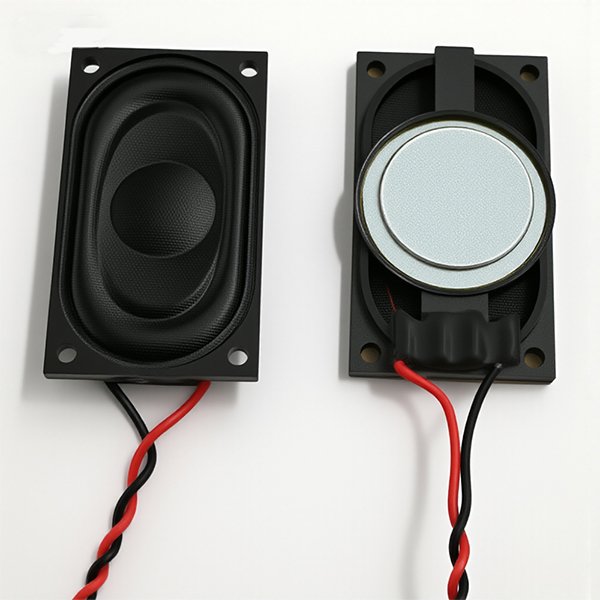
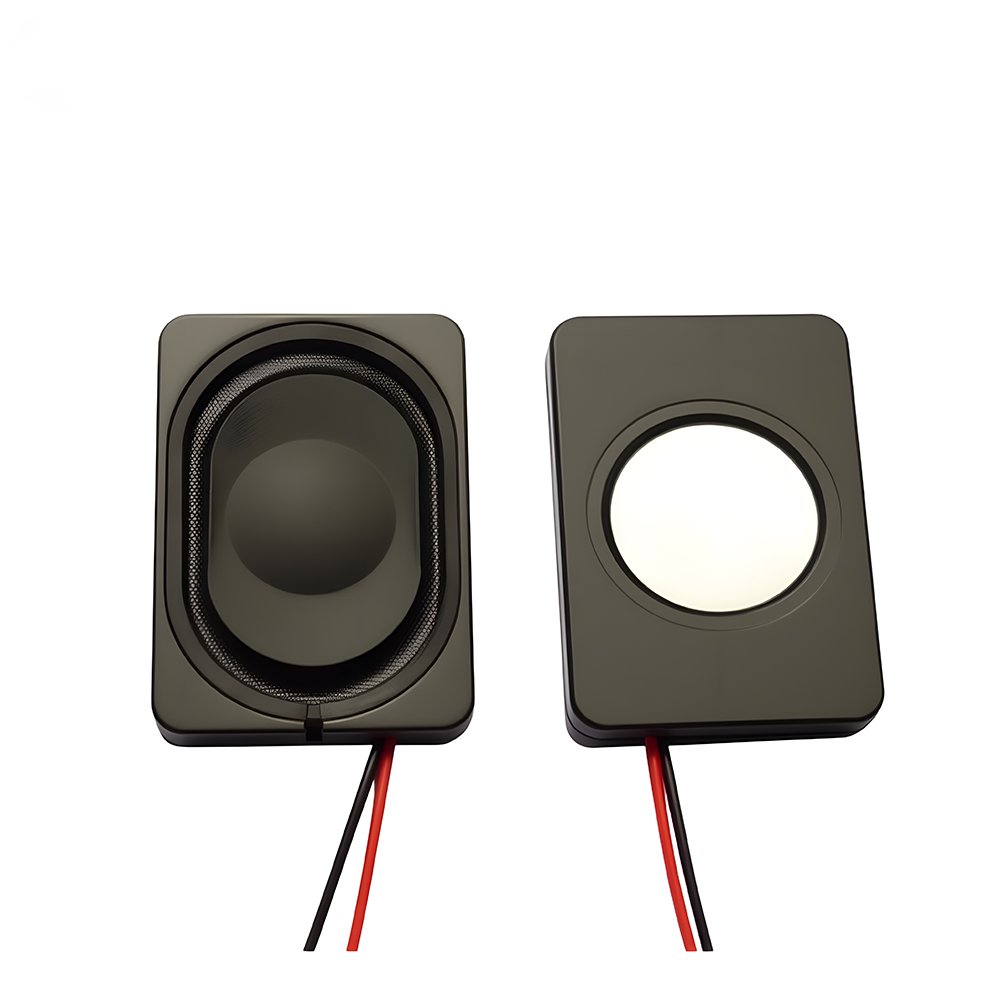
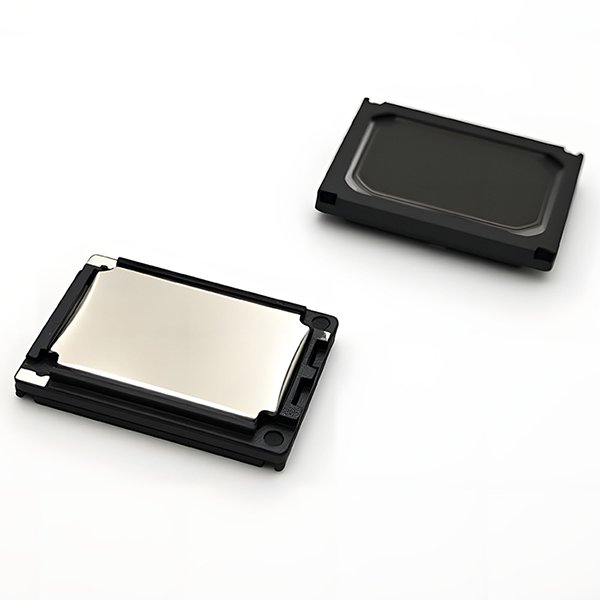
Haut-parleurs audio et acoustique : Décidez de la configuration des haut-parleurs (par exemple, un large bande, deux voies avec un tweeter et un woofer). La taille (par exemple, 40 mm, 52 mm) et le matériau (papier, polypropylène, aluminium) impactent directement la signature sonore. Discutez des objectifs de réglage (équilibré, riche en basses, clarté vocale) avec l'ingénieur. L'inclusion de radiateurs passifs est presque standard pour améliorer la perception des basses.
Puce Bluetooth et codecs : En 2024, Le Bluetooth 5.3 est la norme attendue, offrant une stabilité améliorée et une latence réduite. La prise en charge de codecs avancés comme aptX Adaptive (pour un audio haute résolution et à faible latence à partir d'appareils compatibles) et LDAC est un différenciateur premium. Assurez-vous que la puce choisie prend en charge les fonctionnalités souhaitées (appairage multipoint, appairage stéréo).
Batterie et gestion de l'alimentation : La capacité (mAh) détermine l'autonomie. Pour 2024, une batterie de 3000 mAh offrant 10 à 15 heures à volume modéré est un objectif courant pour les enceintes de taille moyenne. La charge rapide via USB-C PD (Power Delivery) est désormais une attente des consommateurs. Le firmware de gestion de l'alimentation est essentiel pour la sécurité et la longévité.
Conception du boîtier et matériaux : Cela définit la durabilité et l'esthétique. Les matériaux courants incluent :
- Plastique ABS : Rentable, malléable pour diverses formes.
- Silicone/Caoutchouc : Offre une absorption des chocs et une sensation tactile, souvent utilisé pour les modèles extérieurs.
- Métal (Alliage d’aluminium) : Aspect et toucher haut de gamme, excellente dissipation thermique.
- Tissu en maille : Choix esthétique, mais nécessite un traitement pour l’imperméabilité.
Fonctionnalités supplémentaires : Planifier pour :
- Indice de protection IP : L’indice IP67 (étanche à la poussière et à l’eau jusqu’à 1 mètre pendant 30 minutes) est la référence pour les enceintes robustes.
- Microphones : Pour la fonction mains-libres et, le cas échéant, l’intégration d’un assistant vocal.
- Éclairage RGB : LED programmables pour un attrait visuel, populaires dans certains segments.
- Contrôle par application : Développer une application compagnon ajoute une valeur significative mais nécessite des ressources en développement logiciel.
Tableau : Matrice décisionnelle technique clé pour 2024
| Composant | Option économique | Milieu de gamme / Équilibré | Haut de gamme / Différencié |
| :— | :— | :— | :— |
| Version Bluetooth | 5.2 | 5.3 | 5.3 ou 5.4 avec prise en charge LE Audio |
| Codecs audio | SBC, AAC | SBC, AAC, aptX | LDAC, aptX Adaptive, LHDC |
| Matériau du boîtier | Plastique ABS | ABS avec accents en silicone, tissu | Alliage d’aluminium, tissu haut de gamme, matériaux durables |
| Indice IP | IPX5 (Résistant à l’eau) | IP67 (Étanche à la poussière et à l’eau) | IP68 ou IP69K (Conditions extrêmes) |
| Batterie et charge | 2000mAh, Micro-USB | 3000mAh, USB-C 18W Charge rapide | 5000mAh+, USB-C PD 30W, Charge sans fil Qi |
| Les enceintes de recharge sans fil offrent une gamme de caractéristiques spécifiquement adaptées aux environnements de chevet, ce qui en fait un choix supérieur par rapport aux enceintes traditionnelles ou aux chargeurs autonomes. Ces caractéristiques sont conçues pour améliorer la convivialité, le confort et l’expérience globale, garantissant que les utilisateurs peuvent les intégrer facilement dans leurs routines nocturnes. | Appairage stéréo, égaliseur de base | Appairage stéréo, égaliseur personnalisé via l’application, assistant vocal | Audio multi-pièces, certification audio haute résolution, écosystème d’application avancé |
Conception, personnalisation et prototypage
Une fois les spécifications verrouillées, la phase de conception commence. L’équipe de design industriel (DI) de votre fabricant créera des rendus 2D et des modèles CAO 3D basés sur votre cahier des charges. C’est là que votre identité de marque prend forme physique. Concentrez-vous sur :
- Ergonomie : Taille, poids, prise en main et placement des boutons.
- Image de marque : Emplacement et méthode pour votre logo (en relief, en creux, imprimé, surmoulé).
- Palettes de couleurs : Sélectionnez les couleurs Pantone. Les tendances pour 2024 incluent les tons terreux, les couleurs rétro audacieuses et les finitions bicolores.
- Emballage : L’expérience de déballage est un outil marketing. Envisagez des matériaux durables et un design qui communique votre proposition de valeur unique.
Le prototypage est itératif. Vous recevrez :
- Prototypes de validation technique (EVT) : Des unités précoces pour tester les fonctionnalités de base et le design principal.
- Prototypes de validation de conception (DVT) : Des unités plus proches de l’aspect final, utilisées pour le réglage audio, la durabilité et les tests de certification.
- Prototypes de validation de production (PVT) : Des unités issues de la ligne de production finale, confirmant la cohérence de la fabrication en série.
À chaque étape, des tests rigoureux sont essentiels : mesures des performances acoustiques, tests de chute, tests d’étanchéité, tests de cycles de batterie et tests de portée/interférences Bluetooth.
Fabrication, contrôle qualité et certifications
Après approbation de l’échantillon PVT, vous autoriserez la production en série. Contrôle Qualité (CQ) ne peut être une réflexion après coup. Vous ou une agence de contrôle qualité tierce embauchée devez effectuer des inspections aux étapes clés :
- Pendant la production (DUPRO) : Vérifications en début de cycle de production pour détecter les problèmes rapidement.
- Inspection avant expédition (PSI) : Un contrôle par échantillonnage aléatoire des produits finis et emballés avant leur départ de l’usine.
Certifications obligatoires sont incontournables pour l’accès au marché :
- FCC/CE : Pour les fréquences radio et la compatibilité électromagnétique aux États-Unis et dans l'UE.
- RoHS/REACH : Restreindre les substances dangereuses dans les équipements électriques dans l'UE.
- BIS (Inde), KC (Corée), RCM (Australie) : Requis pour la vente dans ces pays respectifs.
- Qualification Bluetooth SIG : Votre produit doit être répertorié dans la liste des conceptions qualifiées Bluetooth (QDID).
Les délais de livraison varient généralement de 60 à 90 jours entre la passation de commande et l'expédition des marchandises, selon la complexité et le volume de commande (la quantité minimale de commande ou MOQ peut être aussi basse que 500 à 1 000 unités pour les usines établies).
Marketing, image de marque et stratégie de lancement
Votre produit est prêt, mais il lui faut désormais un public. Élaborez un plan de lancement qui exploite :
- Listings de produits optimisés pour le référencement : Pour votre site web et votre boutique Amazon. Utilisez des mots-clés comme “ enceinte Bluetooth portable ”, “ enceinte extérieure étanche ”, “ enceinte à longue autonomie ”, ainsi que vos caractéristiques uniques.
- Contenu de haute qualité : Photos professionnelles, vidéos à 360 degrés et vidéos de démonstration mettant en avant la qualité sonore et la durabilité dans des scénarios réels.
- Marketing d'influence : Envoyez des échantillons à des critiques audio, des amateurs de plein air et des vlogueurs technologiques. Les avis authentiques sont de l'or.
- Publicité payante : Utilisez stratégiquement les Google Shopping Ads, Amazon PPC et les publicités sur les réseaux sociaux ciblant les données démographiques de vos clients idéaux.
- Garantie et Support : Offrir une garantie de 12 à 24 mois renforce la confiance des consommateurs et réduit les frictions post-achat.
Questions-réponses professionnelles sur le développement d'enceintes Bluetooth sous marque de distributeur
Q1 : Quel est le budget minimum réaliste pour développer une enceinte Bluetooth sous marque de distributeur à partir de zéro en 2024 ?
UN: Hors frais de marketing, un budget réaliste commence à environ $25 000 – $50 000. Cela couvre la création de moules (qui peut être de $10 000 à $20 000+ selon la complexité), les cycles de prototypage et de test ($3 000 à $8 000), la production initiale de la quantité minimale de commande (MOQ) pour 500 à 1 000 unités ($10 000 à $25 000), et les frais de certification ($5 000 à $8 000). Les coûts peuvent augmenter considérablement avec des matériaux haut de gamme, un réglage audio personnalisé et des fonctionnalités avancées.
Q2 : Comment puis-je garantir que la qualité audio de mon enceinte soit compétitive sans être ingénieur audio ?
UN: Fiez-vous à l'expertise de votre fabricant, mais soyez précis. Fournissez des pistes de référence et des enceintes cibles que vous admirez. Insistez pour recevoir des graphiques de réponse en fréquence lors du réglage. Plus important encore, effectuez des tests d'écoute en aveugle avec votre équipe ou un groupe de discussion en comparant votre prototype aux principaux concurrents. L'écoute subjective est aussi importante que les mesures objectives. Engager un consultant audio indépendant pour la phase de réglage peut être un investissement rentable.
Q3 : Quels sont les pièges les plus courants dans le processus de développement, et comment les éviter ?
UN: Les principaux pièges incluent :
- Sous-estimation du calendrier : Du concept à la marchandise expédiée, prévoyez 5 à 7 mois. Se précipiter entraîne des compromis sur la qualité.
- Choisir un fabricant uniquement sur le prix : Vérifiez minutieusement les usines. Demandez des échantillons de produits existants, vérifiez les références et visitez si possible.
- Négligence du logiciel/firmware : L'expérience utilisateur est dictée par le firmware. Budgetisez et testez les mises à jour logicielles, la connectivité des applications et les corrections de bugs.
- Sauter un contrôle qualité approprié : Ne sautez jamais les inspections avant expédition. Un seul défaut de lot peut détruire la réputation d'une nouvelle marque.
- Ignorer la conformité : Vendre sans certifications appropriées (FCC, CE) peut entraîner la saisie des envois, des amendes et une responsabilité légale.
Q4 : Avec la croissance des enceintes intelligentes, une enceinte Bluetooth “ non connectée ” est-elle encore un produit viable ?
UN: Absolument. Le marché se bifurque. Alors que les enceintes intelligentes dominent les hubs domestiques, il existe une demande robuste et croissante pour des appareils audio portables, fiables et de haute qualité pour une utilisation en déplacement, des activités de plein air et des scénarios où la connexion Internet est indésirable ou indisponible. La proposition de valeur fondamentale d'une enceinte Bluetooth—audio portable, résilient et sans tracas—reste puissamment pertinente. De nombreux consommateurs préfèrent une enceinte dédiée au son excellent plutôt qu'un appareil à assistant vocal au son médiocre.