
Introduction : Le rôle crucial de l’audio dans les soins de santé modernes
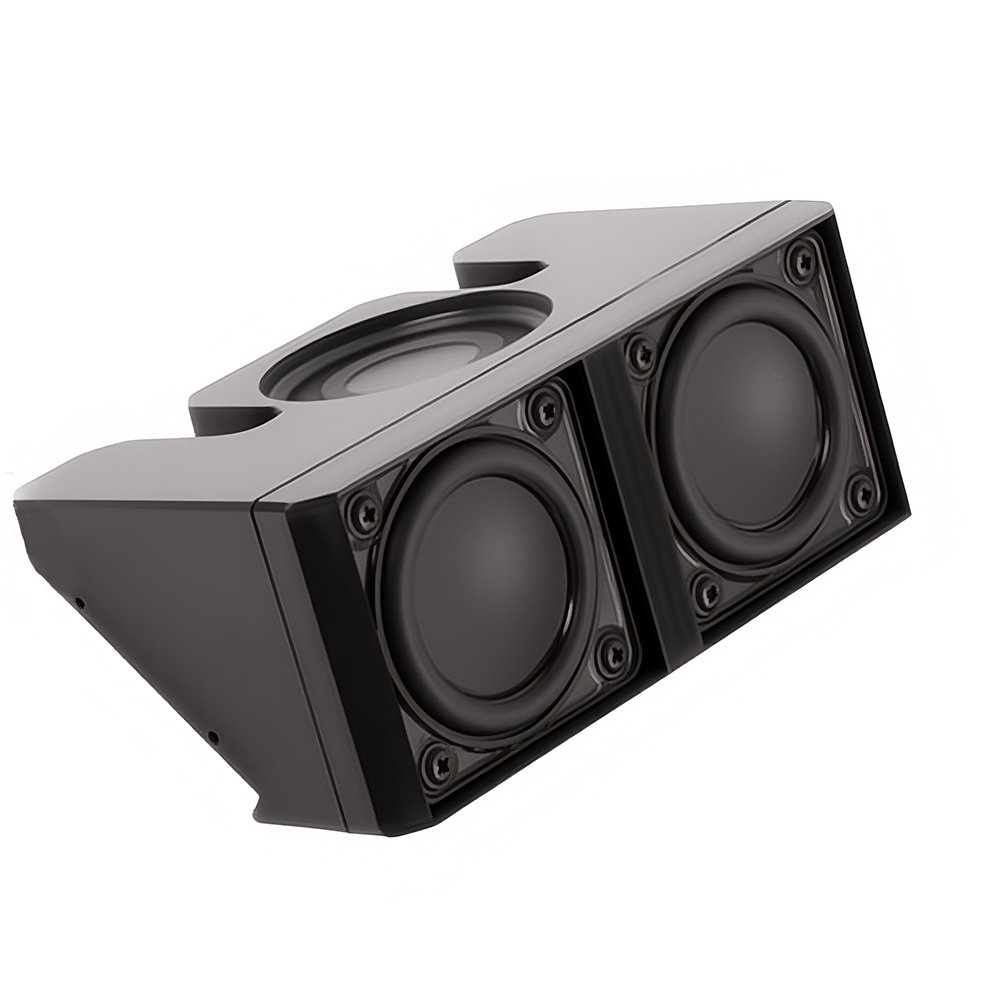
Dans l’environnement à enjeux élevés des soins de santé modernes, où des décisions prises en une fraction de seconde et une surveillance précise peuvent faire la différence entre la vie et la mort, chaque composant des équipements médicaux doit fonctionner avec une fiabilité inébranlable. Bien qu’une attention considérable soit légitimement portée à la résolution d’imagerie, à la précision des capteurs et à l’analyse des données, le rôle de la sortie audio—plus précisément des haut-parleurs intégrés—est souvent un pilier sous-estimé de la fonctionnalité des dispositifs. Du bip persistant d’un moniteur patient signalant un rythme cardiaque irrégulier aux instructions vocales claires d’un échographe, les haut-parleurs intégrés constituent un pont de communication vital entre la technologie médicale complexe et ses opérateurs humains.
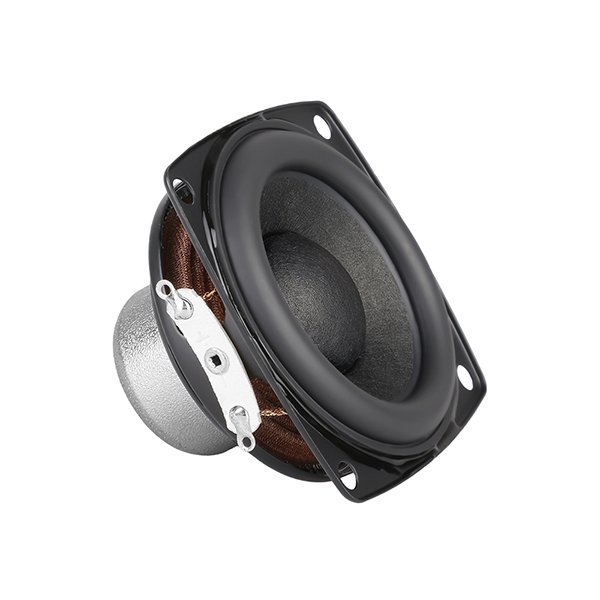
L’évolution de ces composants audio suit la transformation numérique plus large de la médecine. L’époque des simples avertisseurs sonores est révolue ; les haut-parleurs intégrés pour dispositifs médicaux d’aujourd’hui sont des systèmes sophistiqués conçus pour fournir un son cristallin dans une gamme d’applications critiques. Ils doivent traverser le vacarme d’une unité de soins intensifs très fréquentée, fournir des instructions intelligibles dans les blocs opératoires et offrir une clarté rassurante dans les dispositifs destinés aux patients, tout en respectant les normes les plus rigoureuses de sécurité, de durabilité et d’hygiène. Cet article explore en profondeur la technologie, les considérations de conception, les normes et les critères de sélection de ces composants essentiels, offrant un guide complet pour les fabricants de dispositifs médicaux, les ingénieurs biomédicaux et les spécificateurs de technologies de la santé.
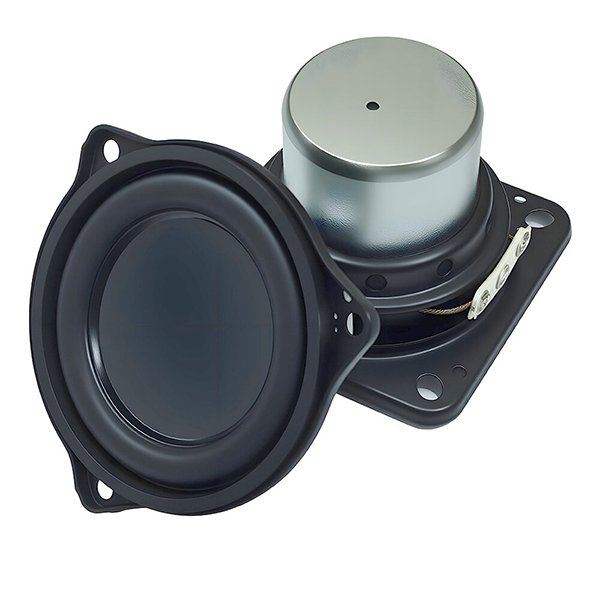
Spécifications techniques et paramètres de performance : Ingénierie pour la clarté et la fiabilité
La sélection d’un haut-parleur intégré pour équipement médical nécessite un équilibre méticuleux entre performance acoustique, contraintes physiques et conformité réglementaire. La base est régie par des normes internationales, en particulier la CEI 60601-1-8 pour les systèmes d’alarme dans les équipements électriques médicaux, qui impose des niveaux de pression acoustique, des schémas de fréquence et des priorités spécifiques pour différents types d’alarmes. Cependant, la performance va bien au-delà du simple respect des normes minimales.
Principaux indicateurs de performance acoustique :
- Réponse en fréquence : L’audio médical nécessite souvent une réponse adaptée. Les alarmes bénéficient d’une concentration sur les fréquences moyennes (500 Hz – 2 kHz) où l’audition humaine est la plus sensible, tandis que les instructions vocales nécessitent une plage plus large (200 Hz – 4 kHz) pour l’intelligibilité. Les haut-parleurs avancés pour applications diagnostiques, comme ceux des stéthoscopes à amplification audio ou des appareils Doppler, peuvent nécessiter une réponse spécialisée pour reproduire avec précision les sons physiologiques.
- Niveau de pression acoustique (SPL) : Mesuré en décibels (dB), le niveau de pression acoustique (SPL) doit être suffisant pour être entendu par-dessus le bruit ambiant, qui dans les hôpitaux peut atteindre en moyenne 60-70 dB et grimper plus haut. Les haut-parleurs d’alarme critiques doivent souvent produire 75-85 dB à 1 mètre. Le haut-parleur doit le faire sans distorsion, même à la puissance maximale.
- Distorsion harmonique totale (THD) : Un faible THD (<5 % à la puissance nominale) est crucial pour la clarté. Des alarmes déformées peuvent être confuses ou totalement ignorées, en particulier dans des situations de stress élevé.
- Directivité et dispersion : La conception du haut-parleur détermine la propagation des ondes sonores. Un angle de dispersion large est souvent nécessaire pour les alertes couvrant toute une pièce, tandis qu’une conception plus directionnelle peut être utilisée pour un retour d’information spécifique à l’opérateur.
Conception physique et environnementale :
Les environnements médicaux sont exigeants. Les haut-parleurs intégrés doivent être :
- Scellés et nettoyables : Ils nécessitent un indice IP54 ou supérieur pour résister à un nettoyage rigoureux avec des désinfectants, des lingettes alcoolisées et des déversements de liquides. La membrane et les composants internes doivent être protégés contre la pénétration.
- Blindés magnétiquement : Pour éviter les interférences électromagnétiques (EMI) avec les appareils électroniques de diagnostic sensibles, les haut-parleurs doivent utiliser des aimants blindés. Cela est impératif pour les dispositifs comme les équipements adjacents à l’IRM, les moniteurs patients et les systèmes d’imagerie.
- Compacts et intégrables : Avec la tendance des dispositifs médicaux à la miniaturisation, des haut-parleurs comme les avertisseurs piézoélectriques à profil mince ou les micro-haut-parleurs dynamiques sont souvent spécifiés. Ils doivent s’adapter à des boîtiers de plus en plus fins sans compromettre la sortie.
Tableau 1 : Comparaison des technologies courantes de haut-parleurs intégrés pour dispositifs médicaux
| Caractéristique | Haut-parleur dynamique (à bobine mobile) | Haut-parleur piézoélectrique | Récepteur à armature équilibrée |
| :— | :— | :— | :— |
| Idéal pour | Alarmes générales, guidage vocal, besoins en large bande de fréquences | Alarmes perçantes à haute priorité dans des espaces compacts | Dispositifs ultra-compacts, intégration dans les aides auditives, fréquences précises |
| Réponse en fréquence | Large, bon pour les tons moyens/graves | Étroite, concentrée sur les hautes fréquences (1-4 kHz) | Très précise, peut être accordée pour des plages spécifiques |
| Efficacité énergétique | Modérée | Très élevée | Élevée |
| Durabilité / Nettoyabilité| Excellente (peut être entièrement scellé) | Excellente (construction à semi-conducteurs) | Bonne (nécessite un scellement soigneux) |
| Profil de coût | Faible à modéré | Très faible | Modéré à élevé |
| Exemples d’applications| Ventilateurs, moniteurs patients, échographes | Pompes à perfusion, moniteurs de chevet, dispositifs portatifs | Stéthoscopes numériques, moniteurs patients portables |
Dynamique du marché et critères de sélection pour les fabricants d’équipement d’origine (OEM)
Le marché mondial des composants audio spécialisés dans les dispositifs médicaux connaît une croissance régulière, portée par la prolifération des dispositifs de santé connectés, des diagnostics au point de service et des systèmes avancés de surveillance des patients. Les analystes prévoient que le segment des composants audio pour dispositifs médicaux croître à un TCAC de plus de 61 % de 2023 à 2028, soulignant son importance stratégique.
Pour un fabricant d'équipement d'origine (OEM), le processus de sélection va au-delà d'une simple fiche technique. Il implique une évaluation multidimensionnelle :
- Alignement sur la voie réglementaire : Le fournisseur de haut-parleurs doit comprendre et soutenir la stratégie réglementaire de l'OEM (FDA 510(k), marquage CE selon le Règlement sur les dispositifs médicaux (MDR), etc.). Cela inclut la fourniture de déclarations complètes de matériaux, de rapports d'essais pour la norme IEC 60601 (relative à la sécurité électrique et à la CEM), et éventuellement le soutien aux tests de biocompatibilité si le haut-parleur est en contact avec le patient.
- Résilience de la chaîne d'approvisionnement : Le contexte post-pandémique a mis en évidence la nécessité de chaînes d'approvisionnement robustes et multirégionales. Les OEM privilégient les partenaires ayant une fiabilité éprouvée, un approvisionnement transparent et des capacités de fabrication flexibles afin d'éviter les retards de production pour les équipements médicaux critiques.
- Support à l'intégration acoustique : Le meilleur haut-parleur, mal intégré, aura de mauvaises performances. Les fournisseurs leaders offrent un support d'ingénierie applicative, aidant à la conception de la cavité acoustique, à l'optimisation de la grille et au réglage du traitement numérique du signal (DSP) pour garantir que le produit final atteigne ses objectifs acoustiques sans cycles de prototypage coûteux.
- Capacité de personnalisation : Les solutions standard ne conviennent pas toujours. La capacité de personnaliser les supports de montage, les types de connecteurs, les conceptions de grilles et même les courbes de performance acoustique constitue un facteur de valeur significatif pour les projets de dispositifs médicaux à grand volume ou spécialisés.
Point de données en temps réel : Une enquête de 2024 auprès d'ingénieurs concepteurs de dispositifs médicaux a indiqué que “la ” Facilité d'intégration » et “la ” Documentation de conformité réglementaire » ont dépassé “le ” Coût unitaire » en tant que deux premiers critères de sélection pour des sous-composants tels que les haut-parleurs intégrés, reflétant le coût et la complexité accrus du processus de certification.
Considérations de conception pour des applications médicales spécifiques
L'approche “ universelle ” échoue totalement dans la technologie médicale. Les impératifs de conception pour un haut-parleur intégré varient considérablement selon le cas d'utilisation et l'environnement du dispositif.
- Surveillance vitale (moniteurs patients, ventilateurs) : Ici, la fiabilité des alarmes est primordiale. Les haut-parleurs font souvent partie d'un système audio multi-tons et priorisé. La conception se concentre sur une intelligibilité maximale et la capacité de projeter des sons d'alarme distincts et urgents, conformément à la norme ISO 7731 pour les signaux de danger. La redondance, comme un haut-parleur dynamique principal soutenu par un avertisseur piézoélectrique secondaire, est courante.
- Salles d'opération et d'intervention : Les équipements tels que les unités électrochirurgicales, les insufflateurs et les systèmes de navigation fournissent un retour auditif (par exemple, des changements de tonalité selon les modes de coupe/coagulation). Le haut-parleur doit produire des tonalités claires et distinctes à un volume réglable par le chirurgien, souvent conçu pour se fondre sans être intrusif. Un blindage CEM strict est essentiel pour éviter les interférences avec d'autres équipements sensibles dans la salle d'opération.
- Diagnostics au point de service et portables (échographes, lecteurs de glycémie) : L'espace est la contrainte principale. Les concepteurs recherchent des haut-parleurs ultra-miniaturisés ou des micro-haut-parleurs capables de fournir des invites vocales claires, des bips d'état ou un audio Doppler. L'efficacité énergétique est également cruciale pour les appareils fonctionnant sur batterie. L'étanchéité contre la poussière et les liquides (au moins IP67) est standard pour les dispositifs utilisés dans divers environnements cliniques.
- Dispositifs destinés aux patients et portables (pompes à perfusion, moniteurs portables) : L'audio remplit à la fois des fonctions d'alerte et de réconfort. Les sons d'alarme doivent attirer l'attention du patient, tandis que les confirmations d'état peuvent être plus douces. La psychoacoustique—la manière dont le son est perçu—joue un rôle. Les haut-parleurs doivent être durables pour une utilisation quotidienne par le patient et nécessitent souvent des grilles personnalisées pour s'aligner sur un design de produit de type grand public.
L'avenir de l'audio dans les dispositifs médicaux : tendances façonnant la prochaine génération
L'intégration de l'audio dans les dispositifs médicaux devient plus sophistiquée, dépassant la simple sortie sonore pour devenir un composant intelligent et connecté de l'écosystème de soins de santé.
- Traitement audio amélioré par l'IA : Les puces DSP intégrées, couplées à des algorithmes d'IA, permettent un filtrage audio intelligent. Les futurs ventilateurs ou moniteurs pourraient utiliser une IA embarquée pour distinguer une condition d'alarme critique d'un bruit de fond (comme une barrière de lit tombée), réduisant potentiellement la fatigue liée aux alarmes—une préoccupation majeure en matière de sécurité des patients. Des recherches d'institutions comme Johns Hopkins en 2023 mettent en évidence des modèles d'IA capables de réduire les alarmes non actionnables de plus de 40 %.
- Synthèse vocale et retour biométrique : Davantage de dispositifs intégreront une synthèse vocale de haute qualité pour des instructions complexes et la communication avec le patient. De plus, les haut-parleurs commencent à fonctionner en tandem avec des microphones pour une surveillance biométrique acoustique—analysant les sons de toux, les schémas respiratoires ou les bruits cardiaques pour fournir des données diagnostiques.
- Synergie Haptique-Audio : Pour lutter contre la désensibilisation aux alarmes dans les environnements bruyants, les concepteurs combinent des alertes audio précises avec un retour haptique synchronisé (vibration). Cette approche multisensorielle, déjà répandue dans l'électronique grand public, migre vers les dispositifs cliniques pour les téléavertisseurs de poche et les outils portatifs des infirmières, garantissant que les notifications critiques ne soient jamais manquées.
- Durabilité & Matériaux : La recherche de dispositifs médicaux plus écologiques influence le choix des composants. Attendez-vous à un accent accru sur les haut-parleurs utilisant des matériaux recyclables, des composants sans halogène et des conceptions facilitant le démontage en fin de vie, le tout sans compromettre les exigences strictes de performance et de sécurité.
Questions-Réponses Professionnelles : Relever les Défis Courants
Q1 : Nous concevons un nouveau dispositif de diagnostic portatif. Comment équilibrer le besoin d'une alarme forte et claire avec les contraintes d'une petite batterie et d'un format réduit ?
UN: Il s'agit d'un défi de conception classique. La solution réside dans une approche multidimensionnelle :
- Sélection du Haut-Parleur : Privilégiez les technologies à haute efficacité comme les haut-parleurs piézoélectriques ou ou micro dynamiques avec aimants en néodyme. Examinez attentivement la courbe SPL vs. consommation électrique sur la fiche technique.
- Conception acoustique : Travaillez en étroite collaboration avec les ingénieurs d'application de votre fournisseur de haut-parleurs. Une chambre acoustique ou ou un résonateur de Helmholtz bien conçu derrière le haut-parleur, même dans un petit appareil, peut amplifier des fréquences cibles spécifiques (comme les tonalités d'alarme) de 3 à 6 dB sans augmenter la consommation d'énergie.
- Alarmes Pilotées par DSP : Utilisez un microcontrôleur doté de capacités DSP pour générer des tonalités d'alarme spectralement efficaces. Une tonalité pulsée ou modulée à la fréquence la plus sensible pour l'audition humaine (environ 2-3 kHz) peut être perçue comme plus forte et plus urgente qu'une tonalité continue, économisant ainsi la batterie.
Q2 : Notre dispositif a échoué aux tests CEM en raison des interférences électromagnétiques (IEM) provenant du haut-parleur. Quelles mesures devrions-nous prendre pour atténuer ce problème ?
UN: Les interférences électromagnétiques provenant des haut-parleurs sont un problème courant. La remédiation doit suivre cette hiérarchie :
- Suppression à la Source : Assurez-vous d'utiliser un haut-parleur blindé magnétiquement. C'est la première et la plus critique des étapes. Vérifiez la spécification de blindage (par exemple, “>95% de confinement du flux”).
- Isolation du Circuit : Implémentez des filtres en pi (inductance-condensateur) sur les lignes d'alimentation et de signal audio alimentant le haut-parleur. Utilisez des perles de ferrite sur toutes les connexions proches des bornes du haut-parleur.
- Disposition & Mise à la Terre : Réévaluez la disposition de votre circuit imprimé (PCB). Éloignez les circuits et les pistes de l'amplificateur audio des sections analogiques ou RF sensibles. Assurez une mise à la terre en étoile à point unique pour le sous-système audio afin d'éviter les boucles de masse qui rayonnent du bruit.
- Blindage du Boîtier : En dernier recours, envisagez de renforcer le blindage RF du boîtier du dispositif autour de la zone du haut-parleur à l'aide de joints ou de revêtements conducteurs, en veillant à ce qu'ils soient correctement mis à la terre.
Q3 : Avec l'essor des dispositifs connectés, existe-t-il de nouvelles normes de qualité audio à connaître pour les équipements de télémédecine ou de surveillance à distance ?
UN: Absolument. Bien que les normes de sécurité (CEI 60601) restent fondamentales, les normes de performance pour la connectivité gagnent en importance.
- Pour les dispositifs qui transmettent de l'audio (par exemple, un stéthoscope numérique envoyant des bruits cardiaques pour une téléconsultation), concentrez-vous sur les recommandations de la série P de l'UIT-T pour la qualité audio en télécommunication. Cela inclut des spécifications sur la bande passante, le bruit et la distorsion.
- Assurez-vous que votre système intégré de haut-parleur et de microphone prend en charge une bande passante suffisamment large (au moins 100 Hz à 8 kHz) pour une parole intelligible et des sons diagnostiques.
- Considérez le LE Audio du Bluetooth SIG ainsi que le nouveau codec LC3 pour les appareils sans fil. Il offre une qualité audio nettement supérieure à des débits binaires plus faibles que les codecs précédents, améliorant la clarté tout en prolongeant l’autonomie de la batterie – un facteur clé pour les capteurs médicaux portables. La conformité à ces normes d’interopérabilité devient une attente du marché.
En comprenant l’impact profond de la clarté audio, le paysage technique rigoureux et les tendances en évolution, les innovateurs de dispositifs médicaux peuvent prendre des décisions éclairées concernant les haut-parleurs intégrés. Ce composant apparemment mineur, lorsqu’il est sélectionné et intégré avec expertise, devient un outil puissant pour améliorer les résultats cliniques, optimiser l’expérience utilisateur et, en fin de compte, protéger le bien-être des patients.