
Lors de la conception de systèmes audio haute-fidélité, le haut-parleur demeure l'élément déterminant de la qualité sonore. Parmi les différentes spécifications, l'impédance, et plus particulièrement la norme de 8 ohms, largement répandue, est un pilier de la conception Hi-Fi. Une impédance nominale de 8 ohms offre un équilibre optimal pour la plupart des amplificateurs, assurant une charge stable qui permet un transfert de puissance optimal, une distorsion réduite et une meilleure compatibilité des composants. Pour les fabricants, le choix du haut-parleur est primordial. Ce guide présente les haut-parleurs 8 ohms les plus recommandés pour la fabrication de systèmes Hi-Fi, en analysant leurs technologies clés, leurs caractéristiques de performance et leurs applications idéales afin d'éclairer votre prochain projet audio haut de gamme.
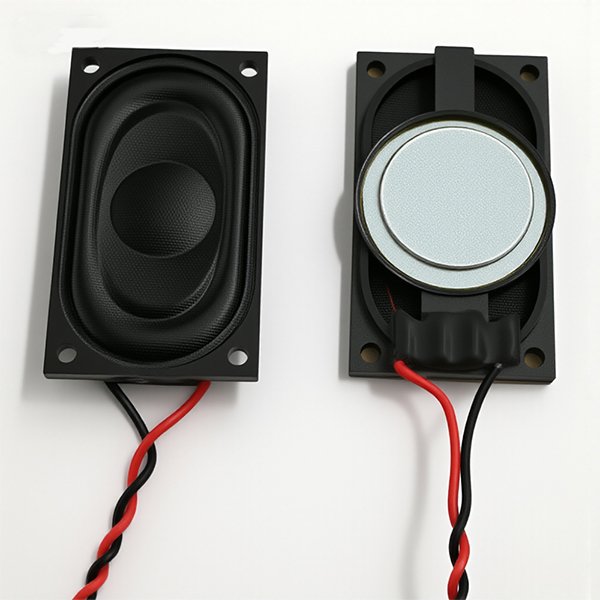
Les mérites techniques des haut-parleurs de 8 ohms dans la conception haute fidélité
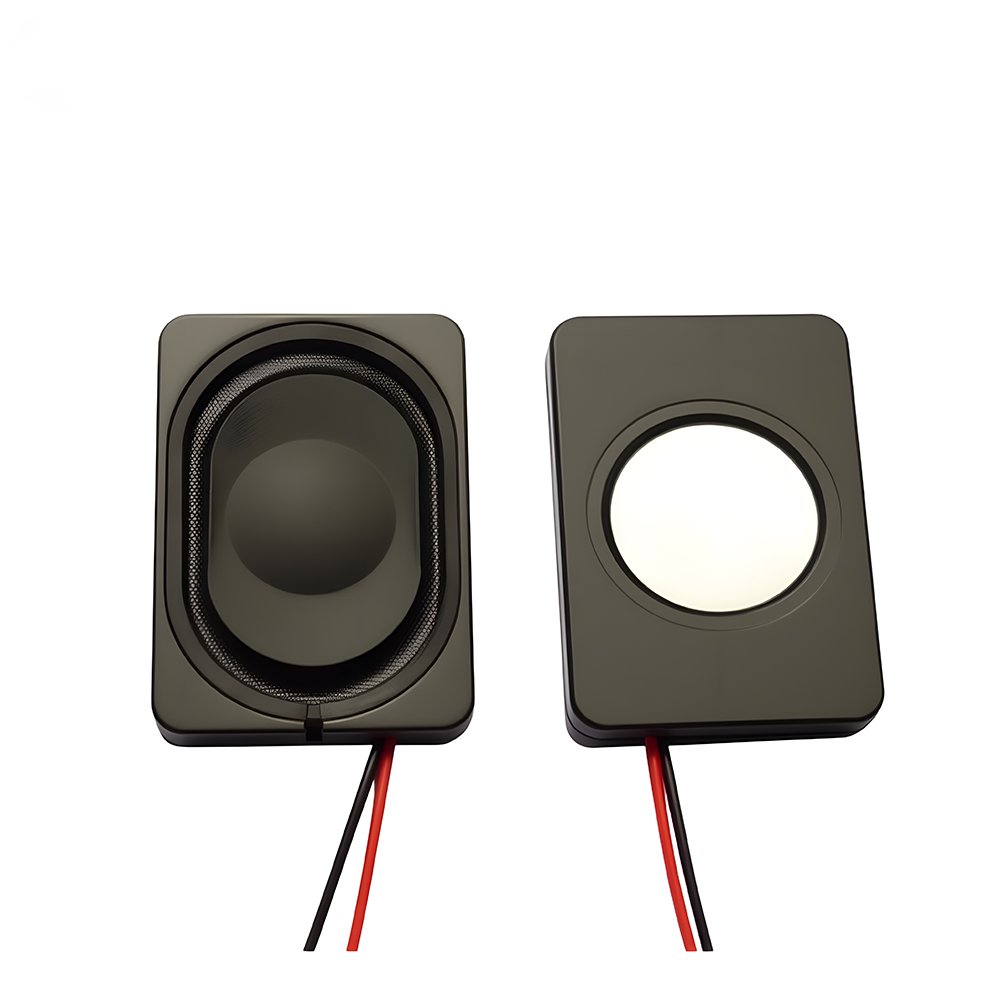
Le choix d'une impédance nominale de 8 ohms n'est pas arbitraire. Elle représente un compromis optimal pour la conception des haut-parleurs, en adéquation avec les caractéristiques électriques de la plupart des amplificateurs à transistors et à tubes. L'impédance d'un haut-parleur est une résistance complexe, dépendant de la fréquence, au courant alternatif. Une valeur nominale de 8 ohms indique que, bien que l'impédance varie sur le spectre de fréquences, sa valeur moyenne se situe autour de 8 ohms. Cette charge est suffisamment élevée pour éviter une consommation de courant excessive, réduisant ainsi la contrainte sur les étages de sortie de l'amplificateur et minimisant l'échauffement. Pour les fabricants, cela se traduit par une compatibilité système plus étendue et une plus grande marge de manœuvre lors de l'intégration avec des appareils électroniques grand public.
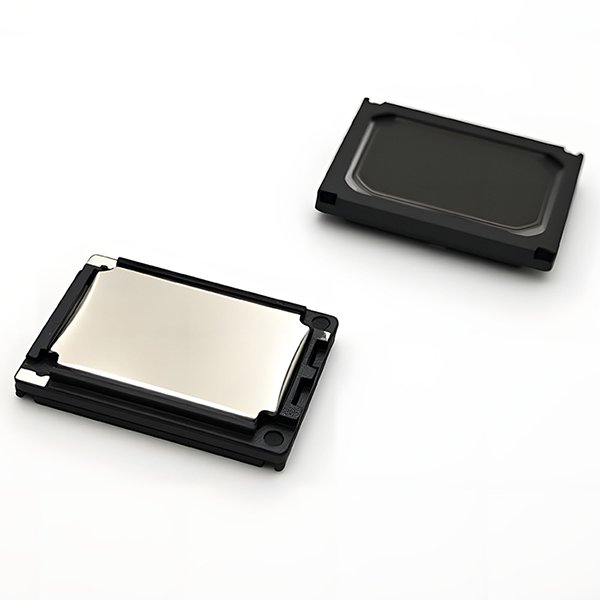
Les haut-parleurs modernes de 8 ohms exploitent des matériaux de pointe pour atteindre une impédance stable tout en optimisant les performances. Des membranes rigides et légères en papier enduit, polypropylène et céramique composite aux systèmes moteurs sophistiqués dotés d'anneaux de court-circuit en cuivre pour réduire la distorsion d'inductance, cette technologie vise à préserver l'intégrité du signal audio. Il en résulte un haut-parleur qui convertit l'énergie électrique en un signal acoustique d'une linéarité, d'une dynamique et d'une coloration remarquables – des caractéristiques essentielles pour tout produit Hi-Fi se voulant haute fidélité.
Critères de performance essentiels pour le choix d'enceintes hi-fi
Au-delà de l'impédance, plusieurs spécifications clés et facteurs qualitatifs déterminent l'adéquation d'un haut-parleur à une fabrication haut de gamme. Sensibilité, La sensibilité, mesurée en décibels (dB) à 1 watt/1 mètre, indique l'efficacité avec laquelle un haut-parleur convertit la puissance en son. Pour les haut-parleurs de 8 ohms, une sensibilité comprise entre 85 et 92 dB est typique pour les woofers et les médiums, ce qui garantit de bonnes performances avec une large gamme de puissances d'amplification. Réponse en fréquence Elle définit la bande passante que le haut-parleur peut reproduire, mais la linéarité de sa courbe de réponse est plus révélatrice de ses performances haute fidélité. Une réponse étendue et régulière dans sa plage de fonctionnement est essentielle.
Le Distorsion harmonique totale (THD) Les données, notamment aux niveaux de sortie pertinents, révèlent la linéarité du haut-parleur. Les fabricants haut de gamme fournissent désormais souvent des spectres de distorsion montrant les harmoniques de second et de troisième ordre. Gestion de la puissance La valeur efficace (RMS) doit correspondre à la sortie du système cible, mais les limites thermiques et mécaniques doivent être conçues en tenant compte des matériaux utilisés dans le programme. Enfin, Paramètres de Thiele/Small Tout comme Qts, Vas et Fs, ces paramètres sont essentiels à la conception d'un caisson, car ils déterminent si un haut-parleur convient à un caisson clos, bass-reflex ou à ligne de transmission. Les meilleurs haut-parleurs de 8 ohms sont fournis avec des fiches techniques complètes et vérifiées, permettant une intégration précise et fiable.
Haut-parleurs de graves et de médiums 8 ohms recommandés
Pour les éléments fondamentaux de tout système d'enceintes (les basses et les médiums), la clarté, la puissance et la robustesse sont essentielles. Les haut-parleurs de 8 ohms suivants sont exemplaires dans leurs catégories respectives et sont plébiscités par les audiophiles amateurs et les fabricants d'équipement d'origine pour leurs performances éprouvées.
1. Scan-Speak Discovery 18W/4531G00 (Haut-parleur médium-grave de 6,5 pouces)
Référence dans sa catégorie de prix, ce haut-parleur de conception danoise est doté d'une membrane renforcée de fibres de verre pour une rigidité et un amortissement optimaux. Sa bobine mobile de 8 ohms, intégrant un aimant en ferrite de grande taille et une suspension à faible distorsion, offre une réponse en fréquence linéaire jusqu'à 5 kHz, ce qui en fait un excellent candidat pour les systèmes 2 voies ou comme haut-parleur de médium-grave dédié. Son débattement linéaire et sa réponse en fréquence progressive facilitent la conception du filtre.
2. SEAS Prestige ER18RNX (H1600-08) (Haut-parleur médium-grave à cône en laine de 7 pouces)
Le fabricant norvégien SEAS signe un classique avec ce haut-parleur. Son cône en papier (laine) traité lui confère des propriétés acoustiques naturelles et une faible résonance. Sa configuration 8 ohms, associée à un système moteur robuste, garantit une pureté exceptionnelle dans les médiums et une réponse dynamique dans les graves. Sa faible distorsion et son excellente réponse hors axe en font un choix privilégié pour les enceintes bibliothèque et colonnes haute-fidélité.
3. SB Acoustics Satori MW16P-8 (woofer à cône en papier de 6 pouces)
Représentant le summum de la fabrication grand public, la gamme Satori est dotée d'un cône en papier breveté avec une structure nervurée unique pour une distorsion maîtrisée. La version 8 ohms bénéficie d'un système de moteur sous-dimensionné avec un capuchon polaire en cuivre, garantissant une distorsion ultra-faible et une réponse transitoire exceptionnelle. C'est un choix de premier ordre pour les fabricants recherchant des performances de médium de pointe.
Tableau : Comparaison des haut-parleurs de graves/médiums recommandés (8 ohms)
| Modèle | Taille | Matériau du cône | Sensibilité (dB) | Gamme de fréquences | Puissance (RMS) | Idéal pour |
|———–|———-|——————-|———————–|———————|—————–|————–|
| Scan-Speak 18W/4531G00 | 6,5″ | Fibre de verre | 87 | 38-5 000 Hz | 60 W | Moniteurs 2 voies, médium-grave |
| SEAS ER18RNX | 7″ | Papier traité (laine) | 88 | 38-4 000 Hz | 80 W | Médium naturel, système 3 voies |
| SB Acoustics MW16P-8 | 6″ | Papier papyrus | 87,5 | 35-6 000 Hz | 75 W | Moniteurs haut de gamme, conception à faible distorsion |
Haut-parleurs d'aigus de 8 ohms de pointe pour une reproduction détaillée des hautes fréquences
Le tweeter est responsable de la brillance, de l'aération et de la précision spatiale qui caractérisent une expérience Hi-Fi. Les tweeters modernes de 8 ohms utilisent des matériaux de diaphragme et des technologies de guide d'ondes de pointe pour obtenir une réponse étendue et linéaire avec une large dispersion.
1. Scan-Speak Discovery D2608/913000 (Tweeter à dôme textile de 1″)
Ce tweeter Scan-Speak, offrant un excellent rapport qualité-prix, est doté d'un dôme textile souple suspendu dans une chambre arrière amortie. Son impédance de 8 ohms et son refroidissement par ferrofluide lui confèrent une faible fréquence de résonance et une puissance admissible élevée. Il délivre des aigus précis et non fatigants, s'intégrant parfaitement à de nombreux haut-parleurs de médium-grave.
2. SEAS Prestige 27TBCD/GB-DXT (Dôme textile 1″ avec guide d’ondes)
Ce haut-parleur innovant associe un dôme en tissu classique au guide d'ondes DXT (Depth Extension Technology) exclusif de SEAS. Ce guide d'ondes contrôle la directivité, améliorant ainsi l'intégration au baffle et offrant une zone d'écoute optimale plus large. La version 8 ohms est particulièrement facile à utiliser pour la conception de filtres passifs, offrant une excellente réponse hors axe pour une scène sonore plus immersive.
3. Morel CAT 378 (Tweeter à dôme souple de 1,1 pouce)
Apprécié dans les systèmes audio haut de gamme automobiles et domestiques, le tweeter à dôme souple revêtu de Morel offre une douceur et une précision exceptionnelles. Ce tweeter de 8 ohms est doté d'un système magnétique massif et d'une chambre arrière pour une distorsion très faible et une réponse étendue jusqu'à 1 kHz, permettant ainsi une fréquence de coupure plus basse et plus simple.
Solutions avancées à gamme complète et coaxiales 8 ohms
Pour les designs minimalistes ou les formats spécifiques, les haut-parleurs large bande et coaxiaux offrent une solution intégrée. Les modèles modernes s'affranchissent des limitations traditionnelles et offrent une fidélité surprenante.
1. Markaudio Alpair 10P (Cône papier large bande de 4 pouces)
Ce haut-parleur de conception japonaise est un véritable bijou d'ingénierie. Son unité large bande de 8 ohms à cône en papier offre un son d'une cohérence et d'une précision remarquables à partir d'une source unique. Avec une bande passante de 45 à 25 000 Hz, il est idéal pour les enceintes acoustiques à haut rendement et à haut-parleur unique, ou comme haut-parleur médium-aigu haut de gamme dans un système FAST (Full-range And Subwoofer Technology).
2. Tymphany Peerless TC9FD18-08 (cône en papier à gamme complète de 3,5 pouces)
Ce petit haut-parleur large bande de 8 ohms offre un rapport qualité-prix exceptionnel, garantissant une linéarité et une clarté remarquables dans les médiums et les aigus. Il est largement utilisé dans les moniteurs de bureau, les enceintes satellites et comme haut-parleur de médiums dédié.
3. Unité coaxiale SEAS Prestige H1499 (F8)
Ce haut-parleur coaxial de 20 cm (8 pouces) de SEAS intègre un woofer de 8 ohms et un tweeter à dôme textile de 2,5 cm (1 pouce) monté au centre. Il offre la précision de la directivité et la directivité d'une conception coaxiale, alliées à la qualité sonore des composants SEAS Prestige séparés, simplifiant ainsi la mise en place d'un système audio performant et cohérent.
Intégration, conception croisée et optimisation du système
La sélection de pilotes d'élite n'est que la première étape. Leur intégration réussie détermine le caractère du produit final. Conception de crossover Il s'agit de la phase la plus critique. Pour les haut-parleurs de 8 ohms, les valeurs des composants diffèrent de celles des haut-parleurs de 4 ohms : les inductances peuvent avoir une valeur plus élevée et une résistance en courant continu plus faible, et les condensateurs peuvent avoir une valeur plus faible pour une même fréquence de coupure, ce qui permet potentiellement de réduire les coûts ou d'utiliser des composants de meilleure qualité tout en respectant le budget.
Conception de meubles Le fonctionnement doit être régi par les paramètres de Thiele/Small. Un haut-parleur de graves de 8 ohms avec un faible facteur de qualité (Qts) peut être idéal pour une configuration bass-reflex, tandis qu'un Qts plus élevé conviendra mieux à une enceinte close. Conception des déflecteurs, amortissement et réflexions internes Il faut gérer cela avec méticulosité pour permettre aux conducteurs de fonctionner comme prévu. Enfin, tests de mesure et d'écoute sont irremplaçables. Des outils comme les analyseurs Klippel et les balayages d'impédance haute résolution, associés à une écoute critique approfondie, garantissent que le produit fabriqué répond aux normes de haute fidélité promises par ses composants.
Questions-réponses professionnelles : Comprendre la fabrication des haut-parleurs 8 ohms
Q1 : Pourquoi 8 ohms reste-t-il la norme dominante en Hi-Fi, même si de nombreux amplificateurs sont stables jusqu'à 4 ohms ?
- UN: Bien que les amplificateurs modernes soient plus robustes, l'impédance de 8 ohms demeure une référence en matière de compatibilité, de tradition et d'efficacité énergétique. Elle permet l'utilisation de câbles d'enceintes plus longs et plus fins, avec moins de pertes de puissance, réduit la consommation de courant des alimentations des amplificateurs et garantit la compatibilité avec un vaste parc d'appareils électroniques, anciens comme grand public. Pour les fabricants, elle simplifie les recommandations relatives aux amplificateurs et réduit les risques de problèmes d'adaptation d'impédance chez l'utilisateur final.
Q2 : Dans quelle mesure est-il critique d'adapter la courbe d'impédance dans un système multi-haut-parleurs lorsque tous les haut-parleurs ont une impédance nominale de 8 ohms ?
- UN: Il est crucial de concevoir le réseau de filtrage en fonction de l'impédance réelle et mesurée de chaque haut-parleur. à la fréquence de coupure, Il ne faut pas se fier uniquement à l'impédance nominale. L'impédance d'un haut-parleur de graves de 8 ohms peut atteindre plus de 30 ohms à sa fréquence de résonance, tandis que celle d'un tweeter peut descendre jusqu'à 6 ohms. Les composants du filtre doivent être dimensionnés en fonction de ces valeurs d'impédance réelles afin d'obtenir la pente acoustique souhaitée et de garantir une charge composite stable pour l'amplificateur.
Q3 : Pour une conception haute puissance et haute fidélité, devons-nous privilégier la sensibilité ou la gestion de la puissance dans un woofer de 8 ohms ?
- UN: Cela dépend du système. Pour les conceptions visant des niveaux de pression acoustique élevés avec des amplificateurs de puissance modérée (par exemple, 50-100 W), une sensibilité élevée (plus de 90 dB) est primordiale. Pour les conceptions associées à des amplificateurs de très forte puissance (plus de 300 W) où l'objectif est une marge dynamique maximale et une faible compression, la tenue en puissance et la gestion thermique (via une grande bobine mobile, des pièces polaires ventilées, etc.) peuvent primer, même si la sensibilité est légèrement inférieure (85-88 dB). Le haut-parleur idéal optimise ces deux aspects en fonction des contraintes du projet.
Q4 : Avec l’essor de l’amplification de classe D, y a-t-il des considérations particulières à prendre en compte lors du choix de haut-parleurs de 8 ohms ?
- UN: Les amplificateurs de classe D modernes et de haute qualité sont dotés de filtres de sortie capables d'interagir avec des charges d'enceintes complexes. Il est primordial de garantir une impédance relativement stable et non réactive pour le système d'enceintes, notamment dans les hautes fréquences. Le choix de haut-parleurs de 8 ohms à inductance maîtrisée (par anneaux de court-circuit) et la conception d'un filtre passif évitant les creux d'impédance et les déphasages importants contribuent à assurer des performances et une stabilité optimales pour toutes les classes d'amplificateurs, y compris les modèles à découpage.
Note technique : Les spécifications et les références de modèles présentées dans cet article sont basées sur les fiches techniques actuelles des fabricants et sur le consensus de l’industrie au deuxième trimestre 2024. Consultez toujours la documentation technique officielle pour obtenir les paramètres les plus précis et les plus récents avant de finaliser toute conception.