
Le succès des objets connectés et des jouets électroniques repose sur un équilibre subtil : offrir un son puissant et clair dans un format ultra-compact sans épuiser la batterie. Le haut-parleur, souvent négligé, est pourtant un élément essentiel qui influence l’expérience utilisateur. Choisir le micro-haut-parleur idéal est un défi multidisciplinaire qui allie ingénierie acoustique, logistique et stratégie produit. Ce guide complet fournit aux chefs de produit, aux ingénieurs en matériel et aux responsables des achats les informations pratiques nécessaires pour s’orienter avec succès dans cet univers complexe.
Comprendre le marché et le paysage technique des micro-haut-parleurs
Le marché mondial des micro-haut-parleurs est porté par la croissance exponentielle de l'Internet des objets (IoT), des technologies portables et des jouets intelligents. Selon une étude de Grand View Research publiée en 2024, le marché mondial des haut-parleurs était évalué à plus de 10 milliards de dollars américains, le segment des micro-haut-parleurs pour appareils portables devant connaître un taux de croissance annuel composé (TCAC) de 8,51 000 milliards de dollars entre 2024 et 2030. Cette demande est alimentée par la multiplication des montres connectées, des écouteurs sans fil, des traqueurs d'activité avec coaching vocal et des jouets éducatifs interactifs.
Sur le plan technologique, le choix des haut-parleurs pour ces applications va bien au-delà de la simple notion de “ volume sonore ”. L’essentiel est de comprendre les paramètres acoustiques fondamentaux et leurs compromis :
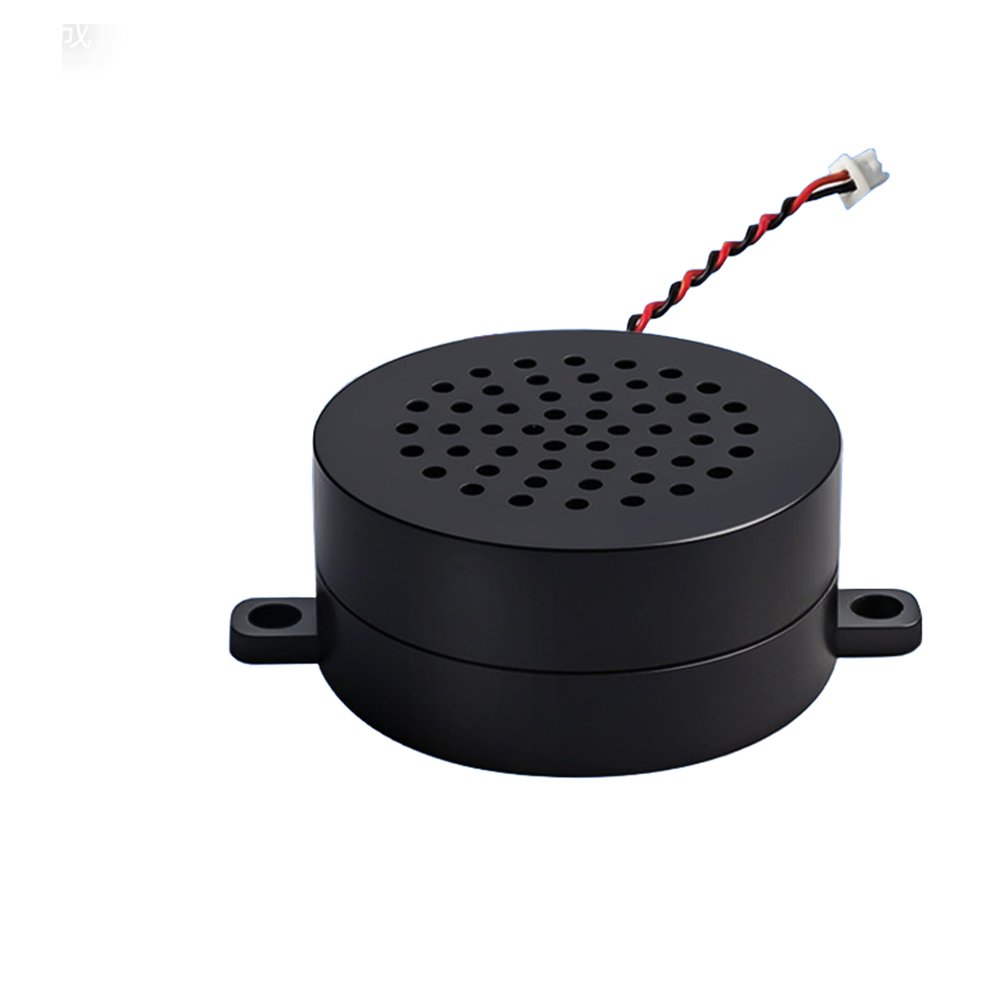
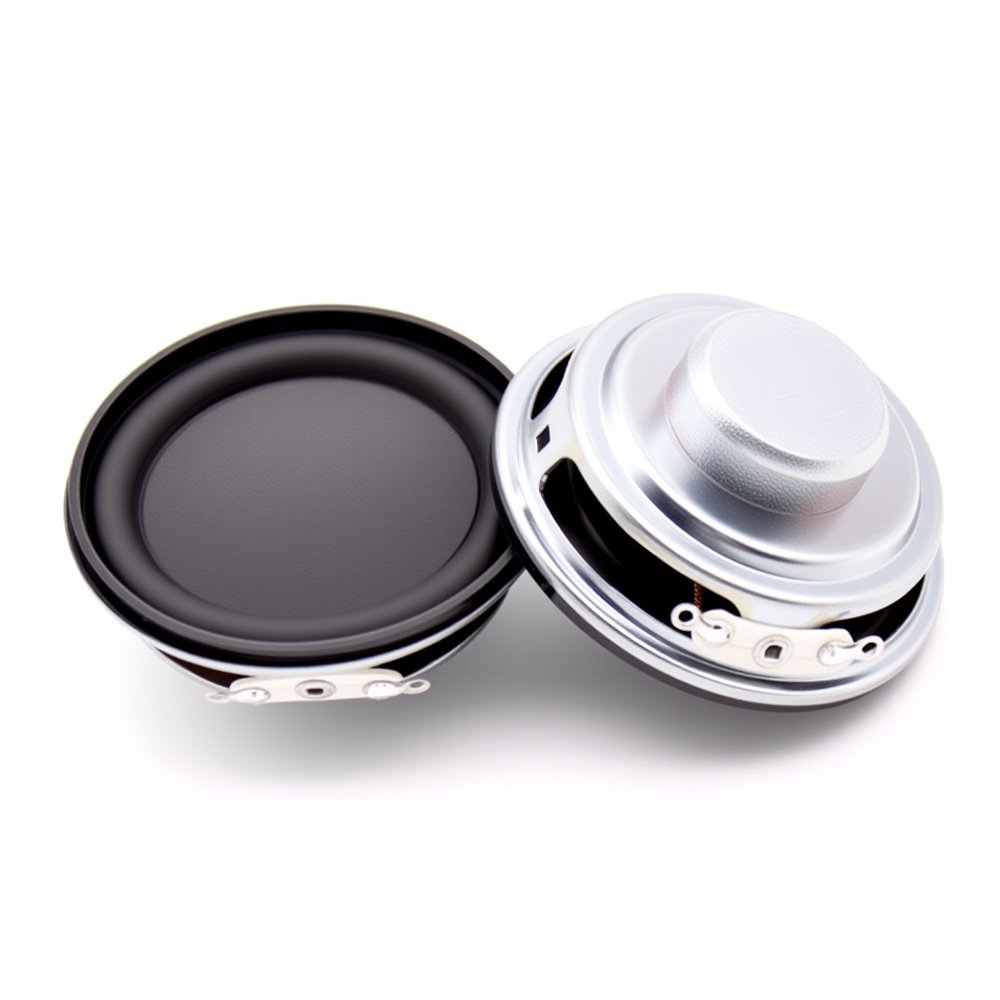
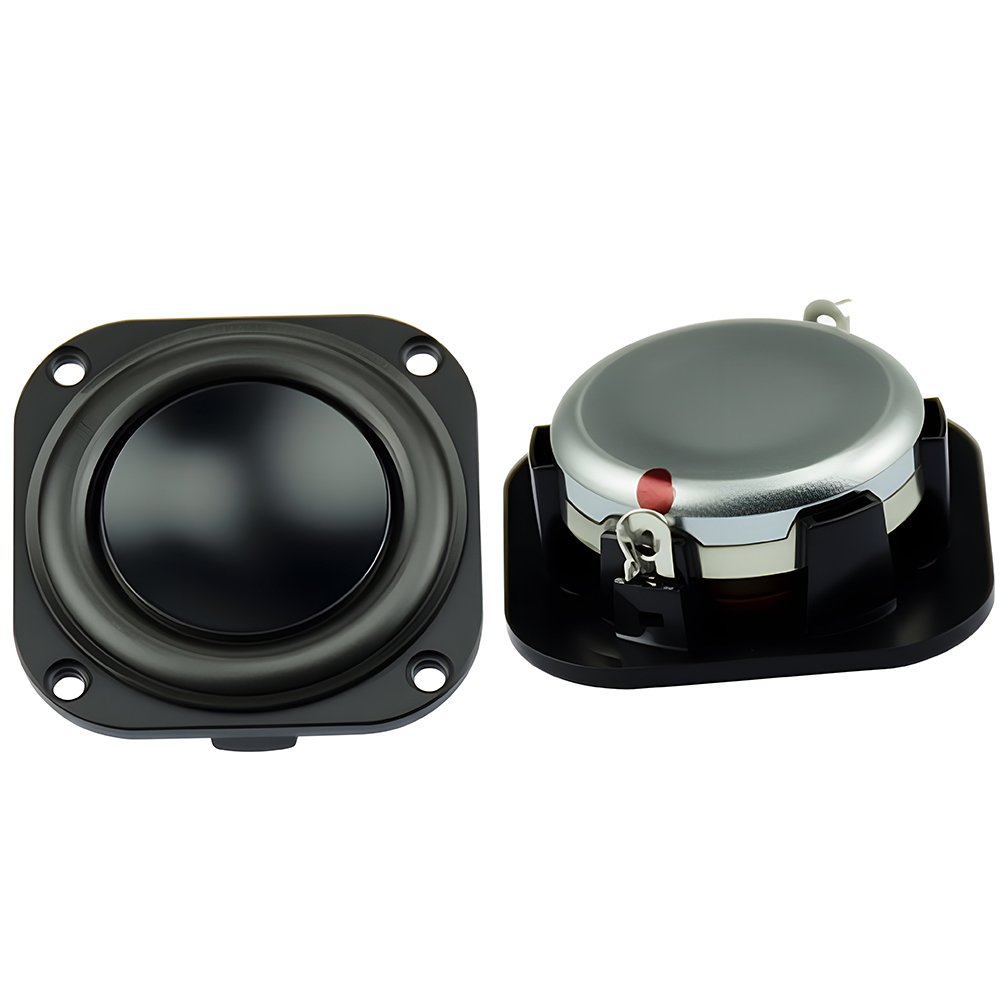
- Taille et format : Les haut-parleurs destinés aux objets connectés et aux jouets ont généralement un diamètre de 10 à 20 mm et une hauteur minimale de 2 mm. Leur forme peut être ronde, ovale ou même rectangulaire pour s'adapter à des conceptions industrielles spécifiques.
- Puissance et impédance : Conçue pour une faible consommation (généralement de 0,5 W à 2 W) afin de préserver l'autonomie de la batterie, son impédance est généralement de 4 Ω, 8 Ω ou 16 Ω et doit correspondre à la sortie de votre amplificateur.
- Réponse en fréquence : Cela définit la plage de fréquences audibles que le haut-parleur peut reproduire. Une réponse plus large (par exemple, 300 Hz – 20 kHz) offre une meilleure qualité sonore, mais privilégier les fréquences moyennes (800 Hz – 5 kHz), où la voix humaine est la plus claire, est souvent plus pratique pour les notifications portables et les commandes vocales des jouets.
- Niveau de pression acoustique (SPL) : Mesurée en décibels (dB) à une distance et une puissance spécifiques, il s'agit du “ niveau sonore ” perçu. Un haut-parleur avec un SPL plus élevé à 1 W/1 m sonnera plus fort et plus clair, en particulier dans les environnements bruyants.
- Distorsion harmonique totale (THD) : Indique la clarté du son. Un taux de distorsion harmonique (THD) plus faible (< 51 TP3T à un point de référence) signifie une reproduction sonore plus pure.
- Fréquence de résonance (Fs) : Un paramètre clé. Une fréquence de résonance (Fs) plus basse peut améliorer la réponse dans les graves, mais la miniaturisation a souvent pour effet de repousser cette fréquence vers des valeurs plus élevées.
Tableau 1 : Comparaison des paramètres de performance principaux pour les applications courantes
| Application | Taille typique (mm) | Priorité clé | Cible SPL (1W/1m) | Considérations relatives à l'autonomie de la batterie |
| :— | :— | :— | :— | :— |
| montre connectée | 10-14, <3 mm de hauteur | Profil ultra-mince, voix claire | 75-85 dB | Critique (appareil toujours allumé) |
| Suivi de forme physique | 12-16 | Robustesse, résistance à l'humidité | 80-88 dB | Élevé |
| Écouteurs sans fil | 6-10 (chacun) | Qualité sonore exceptionnelle, ultra-miniature | 85-95 dB | Paramount |
| Jouet interactif | 15-20 | Niveau sonore, durabilité, coût | 85-95+ dB | Moyen-élevé |
| Lunettes intelligentes | 10-15, variantes à conduction osseuse | Audio directionnel, conception à oreille ouverte | Variable | Critique |
Définir vos besoins et trouver des fournisseurs qualifiés
Avant de contacter un fournisseur, vous devez définir précisément votre cahier des charges produit (PRD). Toute ambiguïté à ce stade entraîne une perte de temps, des échantillons non conformes et des dépassements de coûts.
Étape 1 : Établir les points non négociables.
- Contraintes physiques : Définissez précisément le volume disponible (L x l x H), la méthode de montage (colle, joint, vis) et l'acoustique du volume avant/arrière de votre boîtier.
- Objectifs de performance : Définissez des valeurs minimales acceptables pour le SPL à votre tension de fonctionnement, votre plage de fréquences (par exemple, “ doit reproduire clairement la voix à 500 Hz-4 kHz ”) et le THD maximal autorisé.
- Environnement et fiabilité : Spécifiez les exigences en matière de résistance à l'eau et à la poussière (indice IP), de résistance aux chutes et aux chocs, de plage de températures de fonctionnement et de durée de vie prévue en heures de fonctionnement.
- Conditions commerciales : Déterminez vos prévisions de volume annuel (cruciales pour la tarification), votre coût cible par unité (CPU) et vos Incoterms préférés (par exemple, FOB Shenzhen).
Étape 2 : Naviguer dans l’écosystème des fournisseurs.
La chaîne d'approvisionnement est structurée en plusieurs niveaux :
- Spécialistes mondiaux de l'acoustique de niveau 1 : Des entreprises comme Knowles, Sonion ou BSE Spécialisée dans les haut-parleurs à armature équilibrée et les micro-haut-parleurs ultra-miniatures de haute précision, cette entreprise offre un excellent service de recherche et développement ainsi qu'une qualité constante, à un prix élevé. Ces haut-parleurs sont idéaux pour les dispositifs portables de pointe, tels que les aides auditives sophistiquées ou les écouteurs haut de gamme.
- Fabricants de volume de niveau 2 : Appareils Fortune Grand, Risun et CUI Ces fabricants, parmi d'autres, sont des exemples reconnus pour leur expertise dans le domaine des micro-haut-parleurs dynamiques. Ils offrent un excellent rapport performance/prix et adaptabilité, ce qui en fait des fournisseurs de choix pour la plupart des montres connectées et des jouets grand public.
- Fournisseurs régionaux de niveau 3 : De nombreuses usines, principalement dans le Région de la Grande Baie (Guangdong, Chine) L'Asie du Sud-Est propose des prix très compétitifs. Le contrôle qualité, la protection de la propriété intellectuelle et la stabilité financière sont des aspects primordiaux.
Des plateformes comme Alibaba, Global Sources et Made-in-China sont utiles pour la découverte, mais la vérification est essentielle. Participez à des salons professionnels comme CES ou le Salon de l'électronique de Hong Kong rencontrer les fournisseurs en personne et inspecter la qualité des échantillons.
Le processus critique d'échantillonnage, de test et de validation
La réception des échantillons marque la rencontre entre la théorie et la pratique. Un processus d'évaluation structuré permet d'éviter les défaillances ultérieures.
1. Évaluation initiale de l'échantillon : Dès réception des échantillons (généralement 5 à 10 pièces), effectuez un “ test de base en laboratoire ” :
- Inspection visuelle : Vérifier la qualité de fabrication, les soudures et la régularité.
- Vérification dimensionnelle : Vérifiez à l'aide d'un pied à coulisse que l'échantillon correspond au dessin du fournisseur.
- Test acoustique de base : Utilisez un amplificateur de référence et un microphone calibré (même une configuration simple avec une interface audio USB et un logiciel gratuit comme Room EQ Wizard peut fournir des données précieuses) pour vérifier le niveau de pression acoustique et la réponse en fréquence. Soyez attentif à toute distorsion ou vibration parasite.
2. Tests de validation de la conception (TVC) : Intégrez le haut-parleur dans le boîtier de votre prototype. Cette étape est obligatoire. Les performances du haut-parleur sont fortement influencées par l'acoustique de son enceinte (la “ chambre acoustique ”).
- Tester le rendu audio attendu dans le logement réel.
- Vérifiez la présence de vibrations indésirables ou de “ bourdonnements ” provenant d'autres composants.
- Vérifiez que la conception de la grille ou du treillis n'étouffe pas le son.
3. Tests de fiabilité et de conformité : Avant toute commande en volume, soumettez les échantillons à des tests de résistance rigoureux qui simulent une utilisation réelle :
- Test de vie : Fonctionnement continu et intermittent à la puissance nominale/maximale.
- Dépistage du stress environnemental (ESS) : Cycles de température élevés/basses, exposition à l'humidité.
- Tests de chute et de vibration : Conformément aux spécifications de votre produit.
- Conformité: Assurez-vous que les matériaux utilisés par les haut-parleurs sont conformes aux normes de sécurité en vigueur sur votre marché (par exemple, RoHS, REACH, CPSC/ASTM F963 pour les jouets).
Finalisation du partenariat et gestion de la production
Choisir un fournisseur est une décision de partenariat à long terme, et non un simple achat transactionnel.
Négociation et passation de marchés : Utilisez vos données de test et les devis de plusieurs fournisseurs comme levier. Négociez sur coûts d'outillage (NRE), prix unitaire selon vos volumes, conditions de paiement (par exemple, acompte 30%, 70% avant expédition) et responsabilité en cas de problèmes de qualité. Une clarté Accord de qualité est essentiel, en définissant les limites de qualité acceptables (AQL) pour les performances audio et les défauts, et en décrivant le processus de traitement des lots de production rejetés.
Gestion de la production de masse : Même avec des échantillons parfaits, la production peut rencontrer des problèmes.
- Exécution de préproduction (PP) : Commandez un petit lot sur la chaîne de production de masse (300-500 pièces) pour une validation finale avant de vous engager sur la commande complète.
- Inspection aléatoire en cours de production et finale : Faites appel à un organisme de contrôle qualité externe (par exemple, SGS ou Bureau Veritas) pour effectuer des contrôles en usine pendant la production et avant l'expédition. Cet organisme devra tester un échantillon représentatif du lot par rapport au niveau de qualité acceptable (AQL) convenu.
- Communication continue : Maintenez une ligne directe avec l'équipe d'ingénierie du fournisseur afin de résoudre rapidement tout écart de processus ou toute modification de composant.
Conclusion : Une stratégie efficace pour réussir dans le domaine de l'audio miniature
Trouver le micro-haut-parleur idéal est un processus complexe qui exige une définition précise, une validation rigoureuse et un partenariat stratégique. En comprenant les compromis techniques, en définissant précisément vos besoins, en sélectionnant les fournisseurs avec soin au-delà du simple prix et en mettant en œuvre un processus d'échantillonnage et de suivi de production infaillible, vous pouvez obtenir un composant qui améliore l'expérience utilisateur de votre produit au lieu de la dégrader. Sur les marchés saturés des objets connectés et des jouets intelligents, un son de qualité supérieure et fiable peut être un atout majeur qui fidélise la clientèle et génère des ventes récurrentes.
Questions-réponses professionnelles : Trouver des micro-haut-parleurs
Q1 : Nous sommes une start-up avec de faibles volumes initiaux. Comment pouvons-nous obtenir des prix compétitifs et un bon service de la part de nos fournisseurs ?
UN: Soyez transparent quant à votre stratégie. De nombreux fournisseurs de qualité sont disposés à soutenir les startups en leur proposant des prix avantageux pour des volumes plus faibles, à condition de constater la crédibilité de leur plan de croissance. Envisagez de regrouper vos achats de composants (haut-parleurs, batteries, amplificateurs, etc.) auprès d'un seul fournisseur afin d'augmenter votre budget global. Vous pouvez également faire appel à un agent d'approvisionnement expérimenté en Asie, capable de regrouper votre commande avec d'autres pour bénéficier de tarifs dégressifs.
Q2 : Quelle est l’erreur la plus courante que vous constatez dans la conception des chambres acoustiques pour les objets connectés ?
UN: L'erreur la plus fréquente et la plus grave consiste à négliger le joint de volume arrière. Un micro-haut-parleur nécessite un volume arrière parfaitement étanche pour fonctionner correctement. Les fuites ou une cavité trop petite réduisent considérablement le rendement et l'efficacité dans les basses fréquences, ce qui donne un son métallique et faible. Il est primordial de concevoir le boîtier avec une étanchéité parfaite (à l'aide de joints ou d'adhésif) et un volume interne suffisant pour le haut-parleur choisi.
Q3 : Un fournisseur propose un haut-parleur de remplacement “ prêt à l’emploi ” nettement moins cher. Quels risques dois-je prendre en compte avant de l’approuver ?
UN: Procédez avec la plus grande prudence. Bien que physiquement identiques, leurs performances acoustiques peuvent différer. Vous devez :
- Retest complet le nouvel échantillon dans votre boîtier pour SPL, réponse en fréquence et THD.
- Vérifier la conformité des matériaux (RoHS, etc.) avec une nouvelle fiche technique des matériaux.
- Vérifiez les interférences magnétiques. si placé à proximité de capteurs (par exemple, une boussole ou un capteur à effet Hall).
- Auditez le processus de contrôle des changements du fournisseur—Vous informeront-ils des modifications futures apportées aux matériaux ou aux procédés ? Les économies réalisées ne justifient que rarement le risque d’un rappel de produit ou d’une avalanche d’avis négatifs dus à une mauvaise qualité audio.
Q4 : Quel est l’impact des progrès en science des matériaux sur les performances des micro-haut-parleurs ?
UN: Les avancées récentes se concentrent sur des matériaux plus résistants et plus légers. L'utilisation de membranes recouvertes de graphène est en augmentation, offrant une rigidité et une légèreté exceptionnelles pour améliorer les détails haute fréquence et réduire la distorsion. Par ailleurs, les fabricants développent des systèmes d'aimants en néodyme plus puissants dans des boîtiers plus compacts et explorent des matériaux magnétiques flexibles pour créer des haut-parleurs pouvant s'intégrer dans des espaces courbes non conventionnels au sein des wearables de nouvelle génération. Se tenir informé de ces tendances peut offrir un avantage audio concurrentiel.