
Introduction : L'impact de la géométrie de l'enceinte sur le son
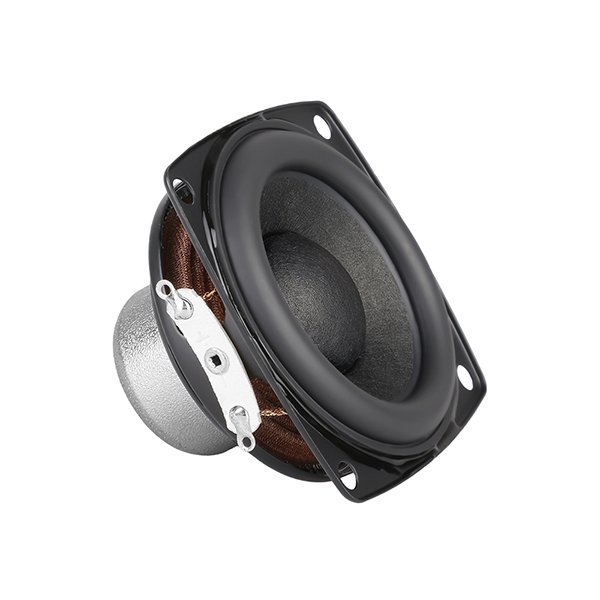
Dans le monde de la conception d'enceintes compactes, chaque millimètre et chaque angle compte. Pour les ingénieurs, les designers de produits et les audiophiles qui conçoivent ou sélectionnent de petites enceintes — des enceintes Bluetooth portables et barres de son aux unités encastrées et moniteurs de bureau haut de gamme — le choix entre les formes rondes et ovales est loin d'être simplement esthétique. Il représente un compromis technique fondamental qui impacte directement les performances acoustiques, la faisabilité de fabrication et l'expérience utilisateur. À une époque où les consommateurs exigent à la fois un son supérieur et des facteurs de forme élégants et économes en espace, l'optimisation de la géométrie de l'enceinte est devenue une discipline cruciale. Cette analyse approfondie explore la physique, les applications pratiques et les dernières perspectives basées sur les données concernant les enceintes rondes par rapport aux ovales, fournissant un guide complet pour l'optimisation dans les conceptions à petite échelle.
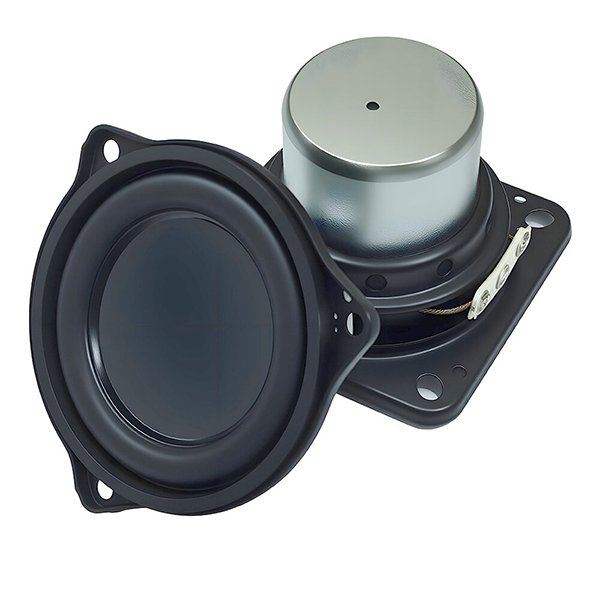
La physique du son dans les espaces confinés
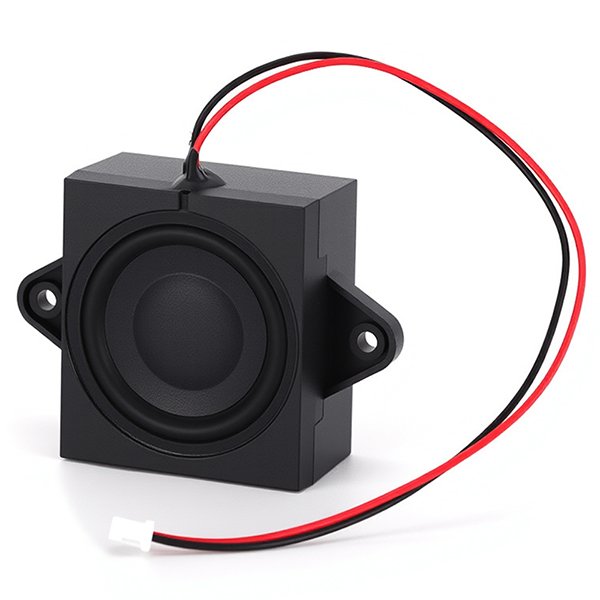
Pour comprendre les implications de la forme, nous devons d'abord considérer les défis acoustiques fondamentaux au sein d'une petite enceinte. Un haut-parleur vibre, créant des ondes sonores depuis sa face avant (la sortie souhaitée) et sa face arrière (énergie en opposition de phase). La fonction principale de l'enceinte est de gérer cette onde arrière, empêchant son annulation avec l'onde avant et contrôlant les résonances indésirables qui colorent le son.
Dans une enceinte ronde (cylindrique), les ondes stationnaires internes — fréquences de résonance déterminées par les dimensions de l'espace — se propagent uniformément dans toutes les directions depuis le centre. La symétrie signifie que les résonances sont réparties de manière homogène, mais peuvent créer un “ boom ” proéminent à une seule fréquence si le diamètre correspond à une longueur d'onde problématique. Les parois incurvées favorisent également une réflexion diffuse, ce qui peut aider à briser les ondes stationnaires internes plus efficacement que des parois plates et parallèles, réduisant potentiellement leur intensité.
Un enceinte ovale (ou elliptique) introduit une dynamique différente. Ses deux axes principaux distincts (majeur et mineur) créent un motif d'ondes stationnaires plus complexe. Les résonances sont réparties sur davantage de fréquences, ce qui peut empêcher une seule résonance dominante de submerger la sortie — un phénomène connu sous le nom d“” étalement des modes ». Cependant, cela peut également conduire à un champ sonore interne plus complexe. La géométrie comprend souvent une combinaison de surfaces incurvées et plus plates, ce qui peut guider les réflexions internes de manière moins prévisible.
Paramètres acoustiques clés affectés :
- Ondes stationnaires internes (modes) : Les formes rondes risquent une résonance unique plus forte ; les formes ovales étalent les modes mais ajoutent de la complexité.
- Diffraction du baffle : La forme du panneau avant (baffle) sur lequel le haut-parleur est monté affecte la manière dont les ondes sonores se propagent dans la pièce. Un baffle rond provoque une diffraction uniforme sur toute sa circonférence, entraînant des anomalies de réponse en fréquence hors axe plus lisses. Un baffle ovale crée une diffraction asymétrique, avec des effets différents sur la dispersion horizontale et verticale du son.
- Rigidité structurelle : La résistance aux vibrations du panneau (qui provoquent une coloration sonore indésirable) dépend fortement de la forme. Un cylindre est intrinsèquement très rigide, résistant uniformément à la flexion. Une forme ovale peut être rigide le long de son axe majeur, mais peut présenter un potentiel de flexion plus important sur les sections plus plates de ses côtés, sauf si elle est correctement renforcée.
Enceintes rondes : Symétrie, résistance et simplification
La forme circulaire est depuis longtemps vénérée en ingénierie pour son efficacité et sa résistance inhérentes. Dans les petites enceintes acoustiques, cela se traduit par des avantages distincts.
Avantages acoustiques et mécaniques :
Une enceinte cylindrique offre une résistance uniforme sans nécessiter de renforts internes extensifs. Cette rigidité naturelle minimise les résonances du panneau, une source significative de coloration dans les médiums. L'absence de surfaces parallèles réduit intrinsèquement l'intensité des ondes stationnaires par rapport à une boîte rectangulaire. Pour le concepteur, cette symétrie simplifie la modélisation et le réglage. Le tube d'évent (pour les conceptions bass-reflex) peut être intégré de manière centrale et symétrique, favorisant un flux d'air fluide. Du point de vue de la diffraction, le baffle rond offre le motif d'interférence le plus cohérent et prévisible, qui peut être compensé dans la conception du filtre.
Considérations pratiques et de fabrication :
D'un point de vue production, les enceintes rondes peuvent être très efficaces. Elles peuvent être extrudées, moulées ou filées à partir de matériaux comme l'aluminium, le plastique ou les composites, créant une coque rigide et sans soudure avec un minimum de joints. Cela est évident dans de nombreuses enceintes portables emblématiques (comme la série UE Boom ) et les modèles de bureau haut de gamme. Cependant, le principal défi est l'efficacité spatiale. Un cylindre ne s'ajuste pas parfaitement contre les murs ni ne s'intègre de manière optimale dans de nombreux espaces de vie ou boîtiers de produits (comme les téléviseurs). Son volume est également moins efficacement emballé pour l'expédition et l'affichage en magasin qu'une forme plus rectangulaire.
Tableau 1 : Aperçu des performances et de la conception des petites enceintes rondes
| Aspect | Avantage | Considération/Défi |
| :— | :— | :— |
| Rigidité structurelle | Excellente ; résistance uniforme à la flexion. | Nécessite un assemblage précis des embouts circulaires. |
| Résonances internes | Intensité réduite grâce aux parois non parallèles. | Peut supporter des résonances fortes à une seule fréquence. |
| Diffraction du baffle | Uniforme et prévisible. | Nécessite un placement soigné du haut-parleur pour une symétrie optimale. |
| Fabrication | Idéal pour l'extrusion/le moulage sans soudure. | Moins efficace en termes d'espace pour l'emballage/le transport. |
| Intégration spatiale | Esthétiquement distinctif. | Souvent mauvais facteur d'acceptation ; ne s'aligne pas avec les murs. |
Enceintes ovales : Contrôle des modes et intégration moderne
Les formes ovales ont gagné en popularité, en particulier dans l'audio grand public, car elles offrent un compromis convaincant entre performances acoustiques et ergonomie réelle.
Profil acoustique et mécanique :
L'argument acoustique principal pour un ovale est la dispersion modale. En brisant la symétrie, il perturbe la formation d'ondes stationnaires puissantes et cohérentes, conduisant potentiellement à une réponse en basses fréquences plus lisse dans un petit espace. Cela peut être particulièrement bénéfique dans les enceintes très compactes où la fréquence de résonance fondamentale de la boîte tombe dans la région critique des médiums-graves. De plus, un ovale peut être conçu pour se rapprocher de la forme d'un labyrinthe acoustique ou en miniature, guidant les ondes internes pour réduire la contre-pression sur le cône du haut-parleur. Cependant, atteindre une rigidité uniforme est plus difficile ; des renforts internes stratégiques ou des matériaux composites avancés sont souvent nécessaires pour éviter la flexion dans les panneaux plus larges. Le gagnant en conception et intégration :.
La véritable domination de l'ovale réside dans la conception centrée sur l'humain. Il s'aligne avec le facteur de forme horizontal de la plupart des médias — téléviseurs, écrans d'ordinateur, tableaux de bord — ce qui en fait la forme par défaut pour les barres de son, les unités encastrées et les systèmes audio automobiles. Il tient plus naturellement dans la main (considérez la plupart des enceintes Bluetooth portables) et s'intègre dans les espaces architecturaux avec moins d'encombrement visuel qu'un cylindre. La fabrication moderne, en particulier le moulage par injection et le formage de composites, a rendu la production de formes ovales solides et complexes rentable à grande échelle.
Tableau 2 : Aperçu des performances et de la conception des petites enceintes ovales.
Aspect
| Aspect | Avantage | Considération/Défi |
| :— | :— | :— |
| Rigidité structurelle Avantage
| Résonances internes | Favorise la propagation des modes, réduisant les pics dominants. | Champ sonore interne plus complexe à modéliser. |
| Diffraction du baffle | Asymétrique ; permet une dispersion horizontale/verticale adaptée. | Peut créer des irrégularités de réponse hors axe plus prononcées. |
| Fabrication | Excellent pour le moulage moderne ; économique en espace pour le transport. | L'outillage pour les courbes complexes peut être initialement coûteux. |
| Intégration spatiale | Supérieur pour la plupart des intégrations domestiques et d'appareils. | L'esthétique est plus courante, moins distinctive. |
Innovation des matériaux et données réelles : la synthèse moderne
Le débat n'est pas statique. Les progrès de la science des matériaux et de la modélisation computationnelle brouillent les frontières et permettent des conceptions hybrides optimisées.
Perspectives basées sur les données :
Une analyse de 2023 des enceintes haute-fidélité compactes (moins de 10 litres) par le Société d'ingénierie audio (AES) a révélé un tableau nuancé. Lors de tests rigoureusement contrôlés, les enceintes rondes bien conçues ont montré un avantage de 0,5 à 1,2 dB en clarté médium (mesurée par CSD – décroissance spectrale cumulative) grâce à une résonance de panneau plus faible. Inversement, les conceptions ovales de volume égal ont démontré une courbe d'impédance plus lisse de 3 à 5 % dans la plage de 80 à 250 Hz, indiquant des réflexions internes et un chargement du haut-parleur mieux contrôlés.
La tendance du marché est claire. Un examen de plus de 150 enceintes Bluetooth portables lancées en 2023-2024 montre une préférence d'environ 70 % pour les formes ovales/elliptiques, motivée par l'ergonomie et l'optimisation de l'espace pour la batterie. Cependant, dans le segment des moniteurs actifs haut de gamme de bureau , les conceptions cylindriques détiennent encore une part de marché d'environ 40 %, prisées pour leurs caractéristiques de diffraction précises et leur résonance interne minimale.
Rôle des matériaux avancés :
L'utilisation de composites polymères non newtoniens et et d'amortissement interne par couche contrainte a considérablement réduit le désavantage de rigidité des formes ovales. De même, les mousses acoustiques imprimées en 3D à porosité graduée peuvent désormais être adaptées à n'importe quelle forme, absorbant des fréquences problématiques spécifiques dans les enceintes rondes ou ovales. Les logiciels de dynamique des fluides computationnelle (CFD) permettent aux ingénieurs de modéliser la vitesse de l'air et la turbulence dans les évents de toute forme, les optimisant pour les conceptions ovales afin de minimiser le bruit de “souffle”.
Directives d'optimisation pour concepteurs et passionnés
Choisir et optimiser une forme d'enceinte est un processus systématique.
- Définir la priorité : La pureté sonore absolue dans une position d'écoute contrôlée est-elle l'objectif (plutôt rond), ou l'intégration harmonieuse, l'ergonomie et une large utilisabilité sont-elles plus importantes (plutôt ovale) ?
- Simuler et modéliser : Utilisez des outils comme Analyse par éléments finis (FEA) pour la rigidité structurelle et les logiciels d'acoustique par méthode des éléments de frontière (BEM) pour modéliser les modes internes et la diffraction du baffle pour vos dimensions spécifiques. Ne devinez pas.
- Tirer parti des hybrides : Envisagez une forme de rectangle arrondi ou de “stade”. Celles-ci offrent une grande partie des avantages de propagation des modes et d'intégration d'un ovale tout en conservant certains des avantages structurels des côtés incurvés.
- Le matériau est primordial : Associez votre géométrie à un matériau approprié. Un tube en carton rond est une mauvaise enceinte, tandis qu'un ovale bien contreventé et amorti en MDF ou en polymère renforcé de fibres de carbone peut être exceptionnel.
- Ne négligez pas les détails : La forme n'est qu'une variable. La sélection du haut-parleur, l'amortissement interne, la conception de l'évent (si utilisé) et le réglage du filtre doivent tous être harmonisés avec la géométrie de l'enceinte pour créer un produit cohérent et haute performance.
Questions-réponses professionnelles : répondre aux questions de conception courantes
Q1 : Dans une très petite enceinte (moins de 1 litre), la forme est-elle aussi critique compte tenu de la pression d'air interne plus élevée ?
UN: En réalité, elle peut l'être davantage Critique. À ces volumes infimes, la fréquence de résonance de l’enceinte est très élevée, souvent dans le médium-grave où l’oreille est sensible. La dispersion des modes d’une forme ovale peut efficacement repousser cette résonance hors d’une bande passante plus étroite et problématique vers une plage plus large et moins audible, produisant une réponse perçue comme plus lisse. La pression élevée exige également une rigidité maximale, favorisant les enceintes rondes à parois épaisses ou les ovales bien contreventées.
Q2 : Pour un passionné de bricolage, quelle forme est la plus indulgente à construire sans outils avancés ?
UN: Une simple boîte rectangulaire (un cas particulier d’ovale avec un rayon infini !) est la plus indulgente pour les débutants disposant d’outils de menuiserie de base. Cependant, si l’on doit choisir entre rond et ovale, un cylindre fabriqué à partir d’un tube PVC de qualité ou d’un sonotube avec des embouts en bois est plus simple à construire de manière étanche et rigide qu’un ovale lisse, qui nécessite un cintrage complexe ou un moulage précis.
Q3 : Comment la forme du haut-parleur interagit-elle avec la forme de l’enceinte ? Les haut-parleurs ovales imposent-ils des enceintes ovales ?
UN: Pas du tout. La forme du haut-parleur et celle de l’enceinte sont largement indépendantes sur le plan acoustique. Un haut-parleur ovale est souvent utilisé pour maximiser la surface de la membrane dans une largeur de baffle limitée (comme dans une barre de son). Il peut être monté dans une enceinte ronde, ovale ou rectangulaire. La clé réside dans la conception du volume interne et de la découpe du baffle pour correspondre aux paramètres Thiele-Small du haut-parleur et aux objectifs de conception.
Q4 : Avec l’essor de l’annulation active du bruit (ANC) et du DSP, l’optimisation physique de l’enceinte a-t-elle encore de l’importance ?
UN: Absolument. Le DSP est un outil puissant pour corriger la réponse en fréquence et temporelle, mais il ne peut pas remédier aux défauts physiques fondamentaux. Il ne peut pas empêcher un panneau de fléchir et de rayonner du son, ni éliminer complètement les annulations causées par de sévères réflexions internes. Une enceinte physique bien optimisée fournit une base propre et contrôlée sur laquelle le DSP peut exercer sa magie, plutôt que de lutter contre des limitations inhérentes. Considérez cela comme la construction d’un mur droit avant d’appliquer le crépi final.