
La cohérence acoustique est le Graal de la fabrication d’enceintes acoustiques — la garantie que chaque unité sortant de la chaîne de production, qu’il s’agisse du premier ou du dix-millième lot, offre des performances sonores identiques. Pour les fabricants de premier plan, atteindre cet objectif n’est pas simplement un but de contrôle qualité, mais une promesse fondamentale faite aux audiophiles, aux studios et aux consommateurs qui comptent sur un son précis et reproductible. Dans un secteur où de légères variations dans les matériaux, l’assemblage et l’environnement peuvent modifier la réponse en fréquence, la dispersion et l’équilibre tonal, les grandes marques déploient une approche multidimensionnelle alliant une ingénierie rigoureuse, des protocoles de fabrication avancés et des tests incessants. Cet article explore les méthodologies et technologies utilisées par les leaders du secteur pour garantir que chaque enceinte respecte des normes acoustiques exigeantes.
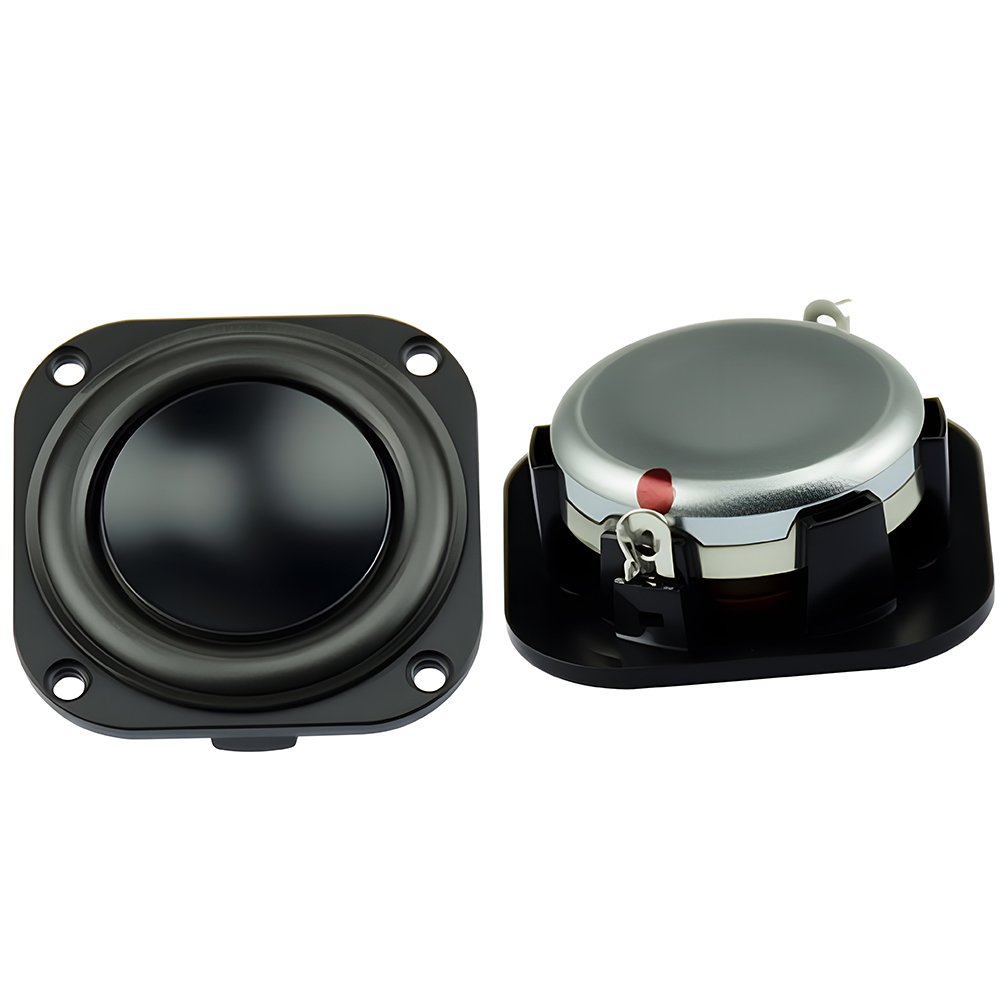
1. Ingénierie de précision et gestion des tolérances de conception
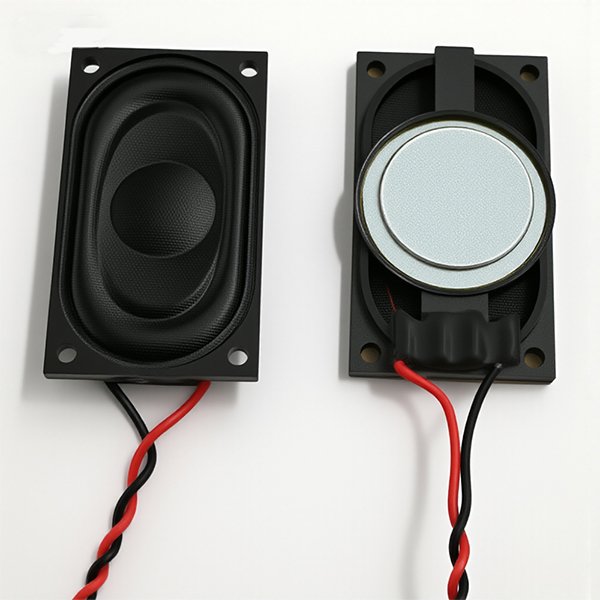
Le chemin vers la cohérence acoustique commence bien avant l’assemblage, lors de la phase de conception et de prototypage. Les fabricants de premier plan utilisent des logiciels avancés de conception assistée par ordinateur (CAO) et d’analyse par éléments finis (AEF) pour modéliser chaque composant — des cônes de haut-parleur et bobines mobiles aux réseaux de filtrage et parois d’enceinte — en tenant compte de la manière dont chacun interagit dans diverses conditions de fonctionnement. En simulant la dynamique thermique, les contraintes mécaniques et le comportement électromagnétique, les ingénieurs peuvent prédire et atténuer les sources potentielles de variation.
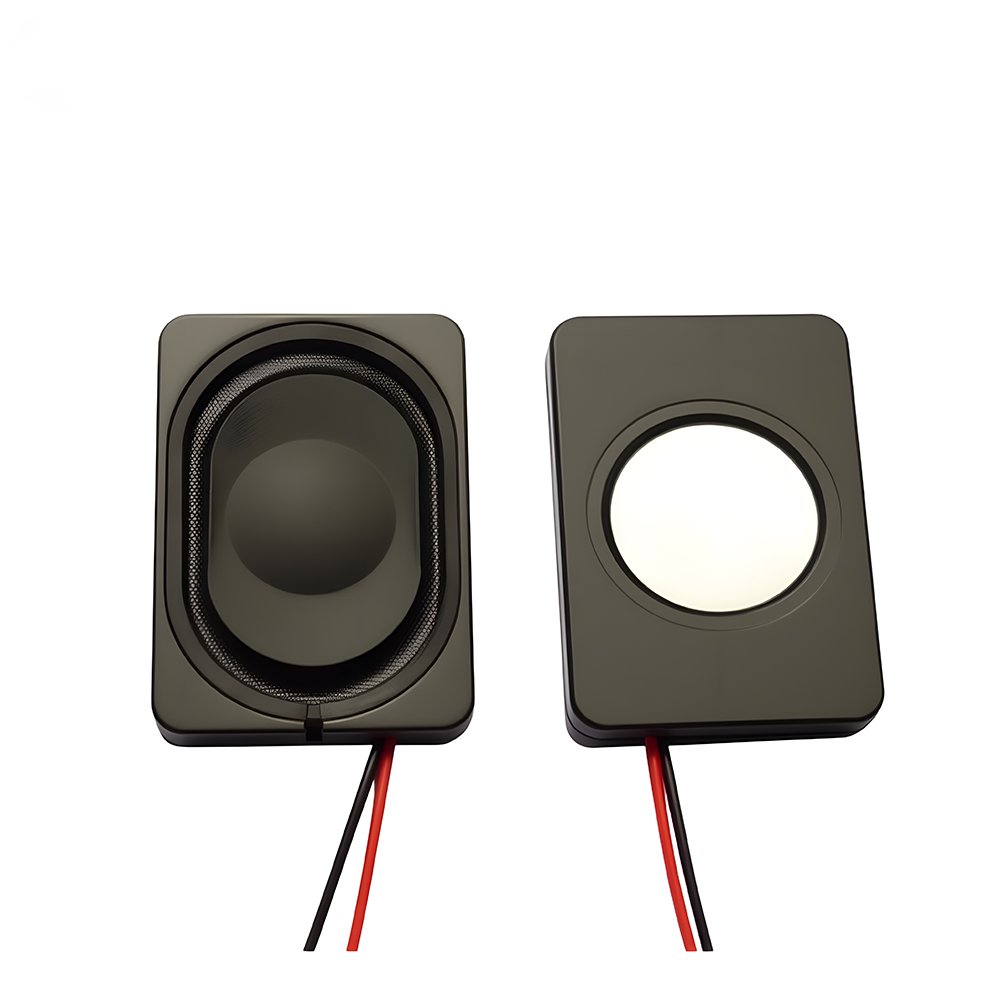
Les tolérances sont spécifiées avec une extrême précision. Par exemple, l’épaisseur et la composition des matériaux de membrane (comme les composites tissés, l’aluminium ou la cellulose) sont contrôlées à des tolérances de l’ordre du micromètre. De même, l’entrefer magnétique dans les structures moteur est conçu pour maintenir un flux magnétique uniforme, garantissant un comportement cohérent du haut-parleur. Les composants du filtre — condensateurs, inductances et résistances — sont souvent sélectionnés à partir de lots de haute précision et à faible variance, certaines marques employant un ajustement laser automatisé pour atteindre des valeurs exactes. Cette rigueur en amont minimise la variabilité inhérente à la conception, établissant une base solide pour la production.
2. Environnements de fabrication contrôlés et assemblage automatisé
Même les meilleures conceptions peuvent échouer si les conditions de production sont incohérentes. Les grands fabricants maintiennent des environnements strictement contrôlés où la température, l’humidité et les niveaux de poussière sont constamment surveillés. Un tel contrôle empêche que des matériaux comme les adhésifs, les suspensions ou les composés amortissants ne durcissent ou ne se comportent différemment d’une série de production à l’autre.
L’automatisation joue un rôle central dans la réduction des variations induites par l’humain. Des systèmes robotiques sont utilisés pour des tâches telles que le bobinage des bobines, la fixation des membranes et l’application de colle, garantissant que chaque opération est répétée avec une pression, un alignement et une quantité identiques. Par exemple, dans l’assemblage d’un dôme de tweeter, un bras robotique peut placer et coller le dôme sur la bobine mobile avec une précision inaccessible manuellement. Des systèmes d’inspection optique automatisés vérifient en outre le placement et l’intégrité des composants à chaque étape.
La construction des enceintes bénéficie également de l’usinage par commande numérique par ordinateur (CNC), qui découpe les panneaux avant, les renforts et les caissons selon des spécifications exactes, éliminant les légères différences dimensionnelles qui peuvent affecter le volume interne et donc la réponse dans les graves. L’utilisation de matériaux cohérents et testés — comme des qualités spécifiques de MDF, de contreplaqué ou d’aluminium — garantit des propriétés acoustiques uniformes.
3. Tests en ligne complets et procédures de rodage
Après l’assemblage, chaque enceinte subit généralement une série de tests électroniques et acoustiques. Les tests d’impédance électrique vérifient que le haut-parleur et le réseau de filtrage fonctionnent dans les paramètres spécifiés, détectant tout court-circuit ou circuit ouvert. Ensuite, les tests acoustiques dans des chambres anéchoïques ou semi-anéchoïques fournissent les données les plus critiques.
Les fabricants de premier plan utilisent des systèmes de test automatisés où des microphones capturent la réponse en fréquence, la distorsion harmonique, la sensibilité et la dispersion polaire de l’enceinte sous plusieurs angles. Ces mesures sont comparées à une référence numérique idéale — un profil maître dérivé du prototype de conception. Toute unité se situant en dehors des seuils acceptables est signalée pour ajustement ou rejet. Certaines marques utilisent même une analyse en temps réel pour apporter des micro-corrections, comme l’ajustement automatique des valeurs des composants du filtre via des réseaux programmables.
De plus, beaucoup mettent en œuvre un processus de rodage contrôlé, où les enceintes fonctionnent à des niveaux de puissance spécifiés pendant plusieurs heures. Cela stabilise les composants mécaniques (comme la conformité de la suspension et du spider) et garantit que les mesures de performance sont effectuées dans des conditions représentatives et stabilisées, plutôt que dans l’état fraîchement sorti de la chaîne qui pourrait légèrement dériver.
4. Assurance qualité avancée et contrôle statistique des processus
Au-delà des tests unitaires individuels, les fabricants utilisent le contrôle statistique des processus (CSP) pour surveiller les tendances de production. Les données de chaque unité testée — courbes de réponse, diagrammes d’impédance, mesures de distorsion — sont enregistrées dans des bases de données centralisées. Les ingénieurs qualité analysent ces données pour détecter toute tendance à la dérive qui pourrait indiquer une usure d’outillage, un problème de lot de matériaux ou un changement environnemental. Cette approche proactive permet d’apporter des corrections avant que des unités hors tolérance ne soient produites.
Certains fabricants haut de gamme effectuent également un échantillonnage par lots avec des tests plus exhaustifs, notamment des tests de fiabilité à long terme dans des conditions climatiques variées et des tests de résistance à la puissance. Ceux-ci aident à valider que la cohérence perdurera tout au long de la durée de vie du produit.
De plus, les grandes marques conservent souvent un ensemble d’enceintes de “ référence maître ” issues de la première série de production, les testant périodiquement par rapport aux unités actuelles pour garantir qu’il n’y a pas de dérive à long terme dans les normes de production. Cette boucle de rétroaction en circuit fermé entre les données de production et les améliorations techniques maintient la cohérence acoustique sur des années de fabrication.
5. Calibration et écoute finale
Pour les gammes phares ou les moniteurs professionnels, des étapes de calibration supplémentaires sont courantes. Cela peut impliquer de mesurer individuellement chaque enceinte et d’appliquer de légères corrections d’égalisation via le traitement numérique du signal (DSP) pour correspondre précisément à la réponse de référence. Des marques comme Genelec, Neumann et KEF utilisent de telles techniques pour atteindre des tolérances exceptionnellement serrées (par exemple, ±0,5 dB dans les plages de fréquences critiques).
Enfin, les tests d’écoute humaine restent une étape précieuse chez de nombreux fabricants de premier plan. Des ingénieurs du son expérimentés effectuent des comparaisons A/B en aveugle entre l’unité et une enceinte de référence dans une salle d’écoute calibrée. Bien que subjectifs, ces tests détectent des nuances subtiles que les mesures pures pourraient manquer, comme des résonances mineures ou des colorations hors axe. Ce n’est qu’après avoir passé à la fois la validation instrumentale et humaine que l’enceinte est autorisée pour l’emballage.
Tableau : Normes comparatives de tolérance acoustique parmi les principaux fabricants
| Fabricant | Tolérance typique de réponse en fréquence | Technologie clé de cohérence | Environnement de test principal |
|---|---|---|---|
| Genelec | ±0,5 dB (40 Hz–20 kHz) | Calibration DSP par unité | Chambre anéchoïque + analyse pilotée par IA |
| KEF | ±0,75 dB (80 Hz–20 kHz) | Appariement des haut-parleurs Uni-Q | Mesure anéchoïque au niveau du sol |
| Bowers & Wilkins | ±1 dB (100 Hz–20 kHz) | Interférométrie laser pour l’inspection des haut-parleurs | Chambre semi-anéchoïque avec micros multipoints |
| JBL Professional | ±1 dB (45 Hz–20 kHz) | Contrôle de symétrie d’entraînement différentiel | Grande chambre anéchoïque + enregistrement de données en temps réel |
| Neumann | ±0,5 dB (50 Hz–20 kHz) | Calibration individuelle du capteur | Anéchoïque de précision avec plateau tournant automatisé |
Données provenant de notes techniques et de livres blancs publiés (2023-2024).
Q&R : Analyse approfondie de la cohérence acoustique
Q1 : Comment la température et l’humidité pendant la fabrication affectent-elles la cohérence acoustique, et comment sont-elles contrôlées ?
La température et l’humidité peuvent modifier considérablement les propriétés des matériaux — par exemple, les temps de durcissement des adhésifs, la teneur en humidité des membranes en papier ou composite, et même la stabilité dimensionnelle des caissons en bois. De légers changements peuvent décaler les fréquences de résonance ou les caractéristiques d’amortissement. Les fabricants de premier plan maintiennent des salles blanches avec des systèmes de contrôle climatique qui maintiennent la température à ±1°C et l’humidité relative à ±5% des points de consigne. Les matériaux sont souvent acclimatés dans ces conditions avant l’assemblage.
Q2 : Deux enceintes peuvent-elles mesurer de manière identique mais sonner différemment aux oreilles humaines ?
Bien que rare avec la rigueur des mesures modernes, c’est possible. Les mesures couvrent généralement la réponse en fréquence axiale, la distorsion et la dispersion hors axe, mais des comportements subtils dans le domaine temporel (comme la décroissance spectrale cumulative ou la linéarité de phase) et des non-linéarités de très faible niveau peuvent ne pas être entièrement capturés dans les tests standard. C’est pourquoi les marques haut de gamme complètent par des tests d’écoute. Cependant, dans les tolérances serrées des grands fabricants, les différences perçues sont minimes et souvent indiscernables lors de tests en aveugle.
Q3 : Quel rôle le filtre joue-t-il pour garantir la cohérence, et comment sa qualité est-elle contrôlée ?
Le réseau de filtrage est critique — il détermine comment les fréquences sont réparties entre les haut-parleurs et affecte l’alignement de phase et l’impédance. Des incohérences ici peuvent entraîner des déséquilibres tonals et des lobes hors axe. Les fabricants utilisent des composants de haute tolérance (1% ou mieux pour les condensateurs et les résistances), un soudage automatisé et des tests post-assemblage de la fonction de transfert de chaque filtre. Certains emploient des filtres DSP actifs dans les modèles amplifiés, permettant un appariement de précision basé sur logiciel.
Q4 : Existe-t-il des compromis entre l'obtention d'une cohérence extrême et la proposition d'enceintes artisanales fabriquées à la main ?
Oui, dans une certaine mesure. Les unités véritablement artisanales, où chaque pièce est réglée individuellement ou utilise des matériaux naturels présentant des variations inhérentes (comme certains bois ou membranes traitées à la main), peuvent afficher de légères caractéristiques uniques. Certaines marques de niche considèrent cela comme faisant partie du caractère du produit. Cependant, même de nombreux fabricants artisanaux mettent en œuvre des mesures et des appariements rigoureux pour maintenir les variations dans une fourchette artistique souhaitée, souvent encore très serrée—en privilégiant la cohérence des paramètres de performance critiques tout en autorisant des variations esthétiques ou matérielles minimales.
Q5 : Avec l'essor de l'intelligence artificielle et de l'apprentissage automatique, comment la technologie fait-elle progresser davantage la cohérence acoustique ?
L'IA est intégrée de plusieurs manières : maintenance prédictive des équipements de production pour prévenir les dérives d'outillage, analyse en temps réel des données de test pour identifier des schémas de corrélation subtils que les humains pourraient manquer, et même dans l'optimisation de la conception pour créer des haut-parleurs moins sensibles aux variations de production. Par exemple, certaines gammes utilisent désormais des algorithmes d'apprentissage automatique pour suggérer des ajustements de calibration basés sur les données des microphones de test, réduisant ainsi le besoin d'intervention manuelle. Ces technologies permettent des tolérances encore plus fines et une détection plus rapide des anomalies.