
Introduction: The Sound of Sustainability

The audio industry is undergoing a quiet revolution. As consumers become increasingly environmentally conscious, speaker manufacturers are responding by fundamentally rethinking how products are designed, built, and delivered. Sustainable speaker manufacturing is no longer a niche concern but a central driver of innovation, combining acoustic excellence with ecological responsibility. This shift addresses the significant environmental footprint of electronics manufacturing—from resource-intensive mining for rare-earth magnets and plastics derived from fossil fuels to energy-hungry production and complex end-of-life waste. Today, leading brands and pioneering startups are proving that high-fidelity sound and environmental stewardship can harmonize, setting new trends that are reshaping the market. This article explores the most impactful sustainable manufacturing trends, supported by real-time data and analysis, providing a comprehensive overview of the industry’s green transformation.
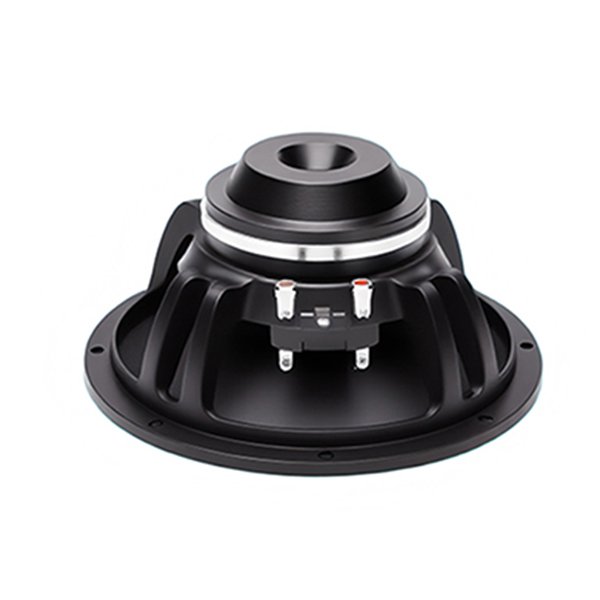
Trend 1: Innovation in Eco-Conscious Materials and Components
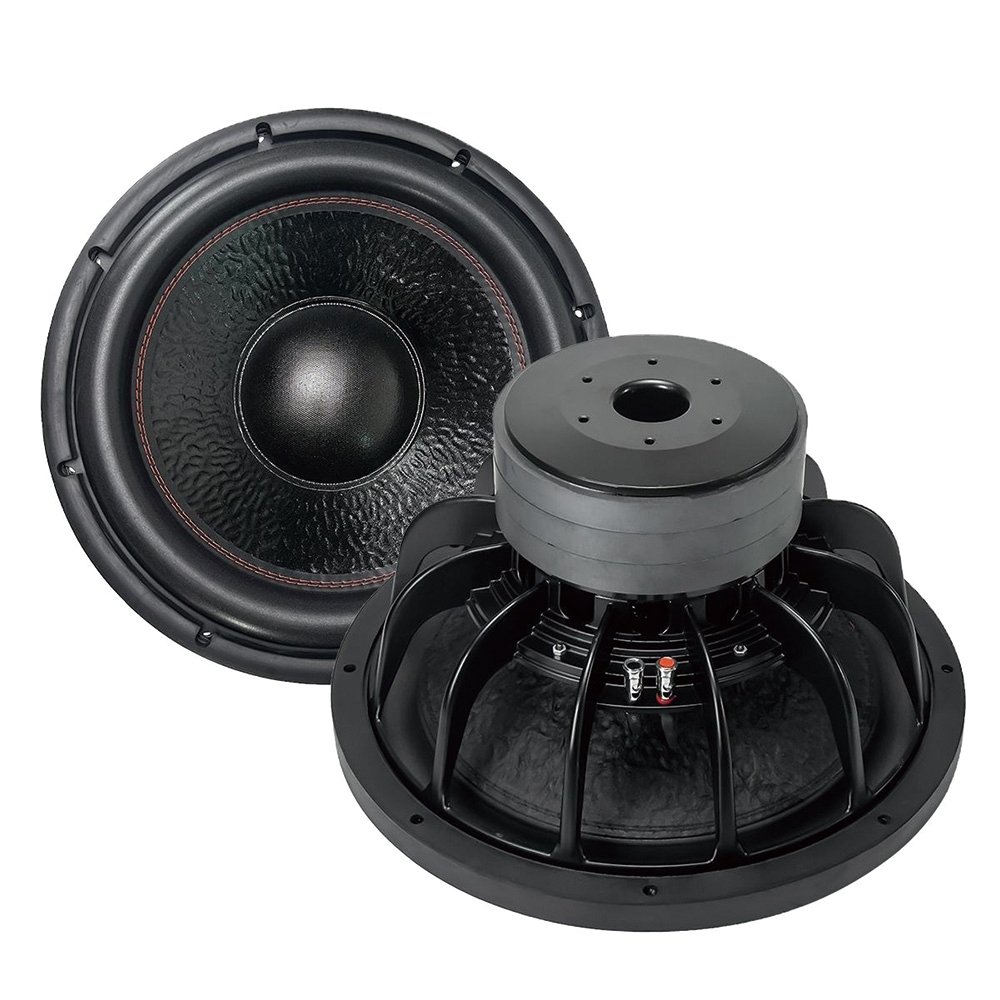
The foundation of sustainable manufacturing lies in the materials. The industry is moving away from virgin plastics and conflict minerals toward novel, low-impact alternatives.
Bio-Based and Recycled Polymers: Traditional speaker enclosures (cabinets) often use ABS or MDF from non-renewable sources. The trend now is toward high-grade recycled plastics (like post-consumer recycled PET) and biopolymers. For instance, companies like House of Marley extensively use REGRIND™ silicone, recycled aluminum, and FSC®-certified bamboo. Sonos, in its Sonos Roam speaker, uses 30% post-consumer recycled plastic. More radically, Gomi designs portable Bluetooth speakers from 100% flexible plastic waste that would otherwise be non-recyclable.
Alternative Driver Materials: The speaker driver (the cone and surround) is crucial for sound. Manufacturers are experimenting with materials like organic flax fibers, hemp, cellulose from sustainably managed forests, and even mycelium (mushroom-based) composites. These materials offer excellent damping properties and a lower carbon footprint than synthetic alternatives. Paper-based cones, a classic choice, are being revisited with responsibly sourced, unbleached pulp.
Magnets and Electronics: Rare-earth elements (like neodymium) in magnets pose ethical and environmental mining concerns. The trend is toward:
- Using recycled neodymium from existing electronic waste.
- Developing ferrite magnets where performance allows, though they are larger.
- Supporting responsible mining initiatives with traceable supply chains.
Circuit boards are seeing a push for halogen-free flame retardants y lead-free solders, while cables are increasingly using biodegradable or recycled rubber jackets.
Table: Comparison of Traditional vs. Sustainable Speaker Materials
| Component | Traditional Material | Sustainable Alternative | Key Benefit |
| :— | :— | :— | :— |
| Enclosure | Virgin ABS Plastic, MDF | Recycled Plastic, FSC Wood, Bamboo | Reduces waste, uses renewable/ recycled resources. |
| Driver Cone | Polypropylene, Synthetic Fabrics | Flax, Hemp, Recycled Paper | Biodegradable, lower embodied energy. |
| Magnet | Virgin Neodymium | Recycled Neodymium, Ferrite | Reduces mining impact, e-waste recovery. |
| Packaging | Expanded Polystyrene (EPS) Foam | Molded Pulp, Recycled Cardboard | Fully recyclable/ compostable, non-toxic. |
| Finishes | Solvent-Based Paints, Vinyl Wraps | Water-Based Paints, Natural Fabric | Lower VOC emissions, renewable materials. |
Trend 2: Energy-Efficient and Low-Emission Production
Sustainability extends deep into the factory. The “how” of manufacturing is as important as the “what.”
Renewable Energy in Facilities: Leading manufacturers are powering production with renewable energy. Google’s hardware division (which includes Nest speakers) has committed to 100% carbon-free energy for its operations. Many contract manufacturers in Asia are installing solar panels to reduce grid reliance. The carbon footprint of a speaker is largely determined by the energy mix used to produce it.
Process Innovation and Waste Reduction: Advanced manufacturing techniques like additive manufacturing (3D printing) allow for precise, on-demand production of components, minimizing material waste. Lean manufacturing principles are being applied to reduce energy and water consumption per unit. AI and IoT sensors optimize assembly line efficiency, predicting maintenance needs and reducing downtime and energy spikes.
Carbon Accounting and Offsetting: Companies are increasingly conducting full Life Cycle Assessments (LCAs) to understand their products’ true impact from cradle to grave. Brands like Bang & Olufsen have published detailed LCAs for products like the Beosound Level, identifying hotspots for improvement. While not a substitute for reduction, high-quality carbon offset projects are used to neutralize unavoidable emissions for certified carbon-neutral products.
Trend 3: Designing for Longevity, Repairability, and End-of-Life
The most sustainable product is the one that lasts for decades. The trend is shifting from a linear (“take-make-dispose”) to a circular economy model.
Modular and Repairable Design: The fight against “planned obsolescence” is intensifying. Framework has inspired the electronics sector with its modular laptops, and the philosophy is entering audio. Speakers designed with standardized screws (not glue), easily replaceable drivers, and modular amplifier boards extend lifespan. iFixit collaborations, like the one with Fairphone, are setting a precedent for repairable electronics, providing consumers with repair guides and spare parts.
Software Longevity and Upgradeability: Sustainability includes software. Brands are committing to long-term software support and firmware updates that keep older hardware secure and functional, adding new features years after purchase. This prevents premature obsolescence driven by software incompatibility.
End-of-Life Strategies: Responsible manufacturers are establishing take-back and recycling programs. For example, Sonos’ Trade-Up program encourages proper recycling of old devices while offering customer credit. Advanced disassembly protocols y material recovery partnerships ensure that at a product’s end-of-life, precious metals, magnets, and plastics are recovered and fed back into the manufacturing cycle, closing the loop.
Conclusion: The Future Sounds Green
The trends in sustainable speaker manufacturing paint a picture of a maturing, responsible industry. The journey from exploitative linear models to restorative circular systems is well underway, driven by material science breakthroughs, energy innovation, and a fundamental redesign for longevity. While challenges remain—such as scaling bio-materials, managing the true cost of recycled components, and combating consumer desire for frequent upgrades—the trajectory is clear. The future of audio is not just about louder or clearer sound, but about a sound conscience. For manufacturers, embracing these trends is becoming a competitive necessity; for consumers, it offers a way to enjoy premium audio while aligning with planetary well-being. The ultimate goal is a harmonious ecosystem where great sound and a healthy planet are inseparable.
Professional Q&A on Sustainable Speaker Manufacturing
Q1: What is the single biggest carbon footprint contributor in a typical speaker’s lifecycle, and how are manufacturers addressing it?
A: For most consumer speakers, the production phase—specifically the energy used in manufacturing and the embodied carbon in materials—is often the largest contributor, not the use phase (as it might be for an always-on appliance). Studies, including LCAs from brands like Bang & Olufsen, indicate that materials extraction (plastics, metals) and component fabrication (especially magnets and PCBs) are hotspots. Manufacturers are addressing this by:
- Decarbonizing Energy: Powering factories with renewables.
- Material Innovation: Switching to recycled content and bio-based materials, which often have a lower embodied carbon.
- Efficient Design: Using less material without compromising acoustic integrity through advanced engineering software.
Q2: Are sustainable materials like flax or hemp cones acoustically competitive with traditional synthetic materials?
A: Yes, and in some cases, they offer superior properties. Natural fibers like flax, hemp, and kenaf have excellent internal damping characteristics. This means they can absorb unwanted vibrations within the cone material itself, leading to cleaner, more accurate sound reproduction with less distortion. While they may require different engineering approaches than homogeneous synthetic materials, many high-end manufacturers are adopting them not just for sustainability, but for acoustic performance benefits. They are proving competitive in terms of rigidity-to-weight ratio and sonic purity.
Q3: How can a consumer verify a brand’s sustainability claims when shopping for speakers?
A: Look for transparent, specific, and verified information. Be skeptical of vague terms like “eco-friendly.” Instead, seek out:
- Third-Party Certifications: EPEAT registration for electronics, Energy Star for efficiency, FSC® for wood, and declarations like TCO Certified.
- Published LCAs or Impact Reports: Brands truly committed to sustainability often publish detailed reports on their website.
- Specific Material Percentages: Claims like “uses 30% post-consumer recycled plastic” are more credible than “made with recycled materials.”
- Repair Policies & Warranty: A long warranty (5+ years) and the availability of spare parts/repair guides indicate a design for longevity.
- Take-Back Programs: Evidence of a responsible end-of-life recycling program.
Q4: What is the current state and future of recycling rare-earth magnets from old speakers?
A: This is a critical frontier. Currently, less than 1% of rare-earth elements are recycled from end-of-life products due to technical and logistical challenges (small sizes, difficult disassembly). However, the trend is moving rapidly towards improvement. Urban mining initiatives are scaling up. Companies like HyProMag (using Hydrogen Processing of Magnet Scrap) are developing efficient methods to extract and reprocess neodymium magnets from e-waste. Future-focused speaker manufacturers are now designing for magnet recovery—using easier-to-disassemble housings and marking magnet locations. The industry is pushing towards a closed-loop system for these critical materials, driven by both supply chain security and sustainability goals.