
When we step into a well-designed space—be it a bustling airport terminal, a focused corporate lobby, or a vibrant retail store—the audio experience often operates on a subconscious level. It sets the tone, directs attention, and reinforces branding without a single visual cue. At the heart of this critical, yet often unseen, auditory infrastructure lies a workhorse of pro audio: the box speaker. More than just a simple enclosure, commercial-grade box speakers are engineered instruments of clarity, reliability, and strategic sound deployment. For system integrators, facility managers, and AV designers, selecting the right box speaker is a foundational decision that determines the success of an entire audio system for years to come.
This comprehensive guide delves into the technical sophistication, diverse applications, and critical selection criteria for box speakers in commercial environments, providing the insights needed to make informed, performance-driven decisions.
Understanding Box Speakers: Core Technology & Design Principles
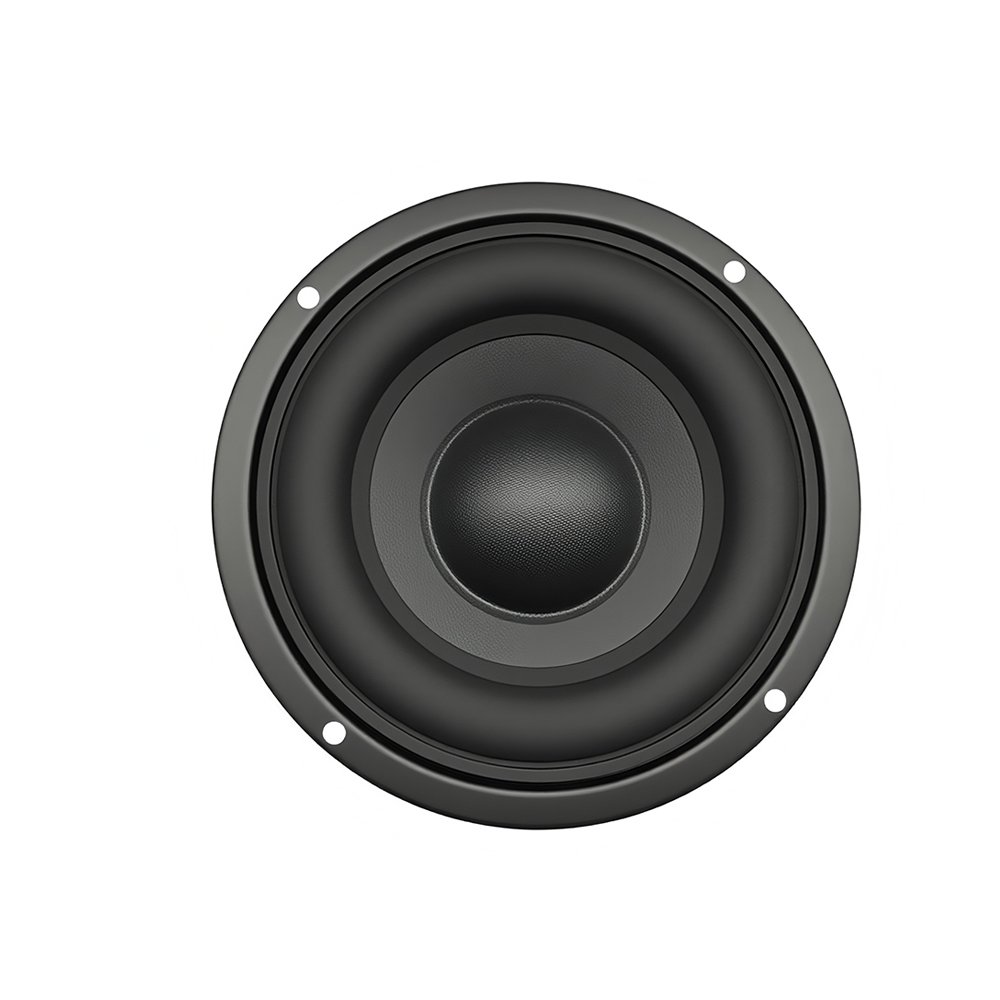
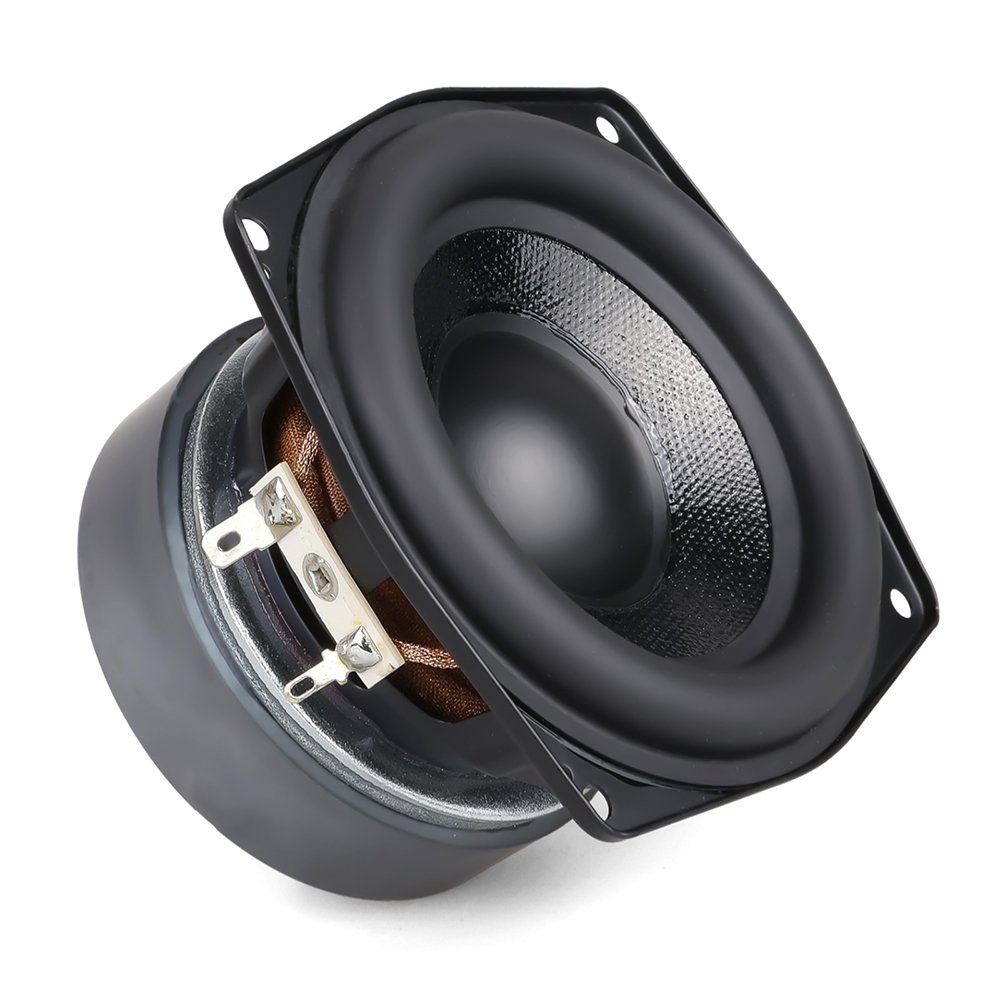
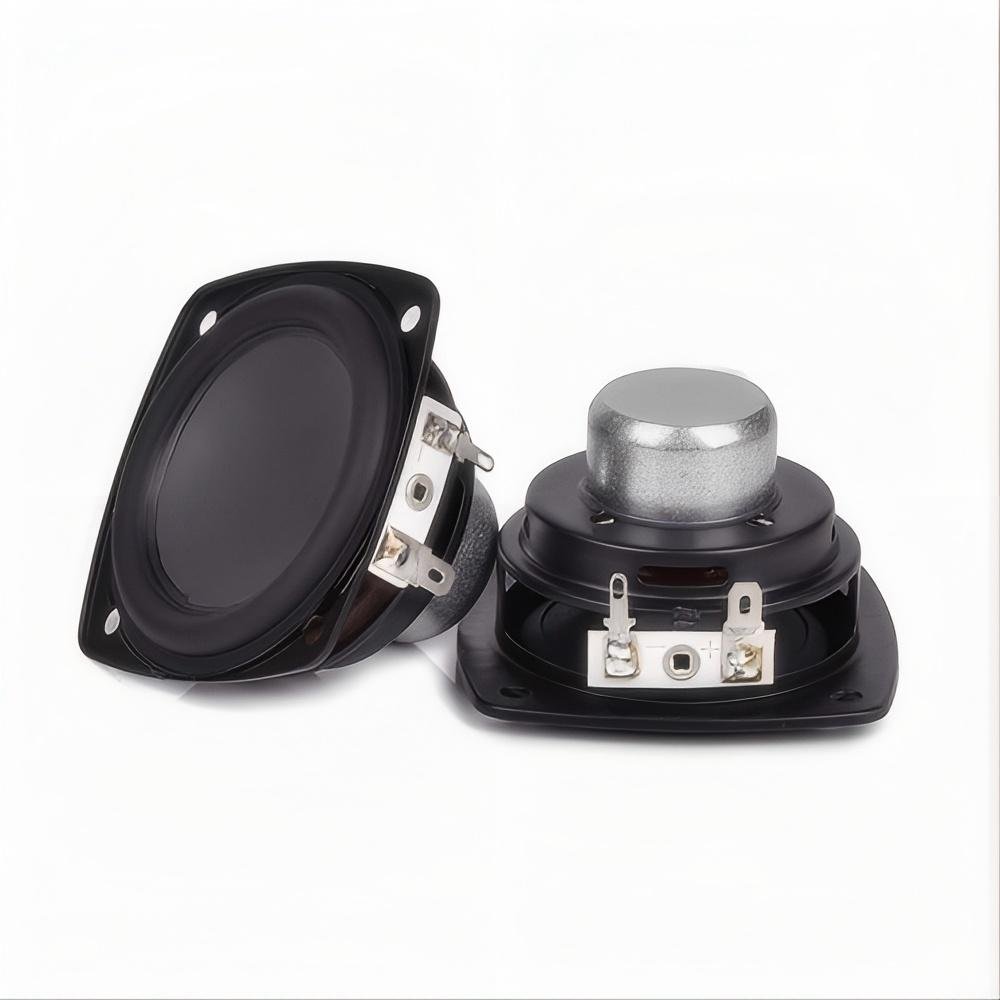
Unlike their consumer counterparts, commercial box speakers are built for endurance and performance under demanding conditions. Their fundamental design is deceptively simple: one or more drivers (woofers for low frequencies, tweeters for highs) mounted into a rigid, acoustically optimized enclosure. This cabinet is the key; it prevents the sound waves from the rear of the driver from canceling out the waves from the front, thereby ensuring efficient, powerful, and accurate sound projection.
Key Design Components:
- The Enclosure: Materials matter. High-density wood (like Baltic birch), rugged ABS composites, or aluminum are standard. The internal volume and bracing are precisely calculated to control driver resonance. Modern designs often feature rotatable horns and multiple mounting points (U-brackets, yoke brackets) for flexible installation.
- The Drivers: Commercial speakers use robust components. Woofers with large, vented magnets and polypropylene or coated paper cones handle power cleanly. High-frequency drivers utilize titanium or aluminum diaphragms in compression drivers attached to waveguides (horns) for precise dispersion control—critical for covering defined zones without spilling sound where it’s not wanted.
- Dispersion Patterns: A speaker’s coverage is defined by its dispersion (e.g., 90° x 60°). This specification dictates the shape of the sound field, allowing designers to “paint” areas with audio, avoiding excessive reflections and ensuring even coverage.
- Power Handling & Sensitivity: Measured in watts (RMS), power handling indicates durability. Sensibilidad (dB SPL @ 1W/1m) is arguably more important; a speaker with 99dB sensitivity produces more sound with the same amplifier power than one at 93dB, improving system efficiency.
Table 1: Commercial Box Speaker Types & Primary Use Cases
| Speaker Type | Typical Driver Configuration | Dispersión | Ideal Commercial Applications |
| :— | :— | :— | :— |
| Full-Range Point Source | 1-3 way (Woofer + Tweeter/Horn) | Wide (e.g., 90°x90°) | Background music, paging in restaurants, retail stores, offices. |
| High-Power Point Source | Robust 2- or 3-way | Controlled (e.g., 90°x60°) | Primary sound reinforcement in gyms, houses of worship, large conference rooms. |
| Column Speakers | Array of multiple drivers | Very Narrow Vertical | Speech intelligibility in reverberant spaces like airports, train stations, cathedrals. |
| Weather-Resistant | Sealed, UV-resistant design | Varied | Patios, pool areas, transportation hubs, covered parking. |
Strategic Applications Across Commercial Verticals
The “one-size-fits-all” approach fails in commercial audio. The correct box speaker is chosen based on the acoustic profile and functional requirements of the space.
- Hospitality (Hotels, Restaurants, Resorts): Here, audio crafts ambiance. Zones require separate control: serene, wide-dispersion speakers in lobbies and corridors; more dynamic, aesthetically subtle models in dining areas; and high-output, weatherproof models for pools and terraces. Intelligibility for announcements must coexist with non-intrusive music.
- Retail & Shopping Malls: Audio drives customer behavior. In flagship stores, full-range speakers provide immersive brand soundtracks. In malls, column speakers or highly directional models deliver crystal-clear paging along concourses without muddying individual storefront audio. Data from 2023 retail analytics suggests ambient sound can increase dwell time by up to 18%.
- Corporate & Education: The priority is clarity of communication. Boardrooms and classrooms need wide-coverage speakers for even voice reproduction during video conferences and lectures. Atriums and cafeterias benefit from a blend of paging and ambient music. Modern systems integrate with VoIP for emergency and routine announcements.
- Transportation Hubs (Airports, Train Stations): This is the pinnacle of challenging environments—high noise floors, vast reflective surfaces, and critical safety messaging. Dante-enabled network speakers are now standard, allowing for digital audio over IP, centralized control, and zoning. High-directivity column speakers and horn-loaded models are essential for achieving the necessary Speech Transmission Index (STI) for intelligibility.
- Fitness Centers & Gymnasiums: These spaces demand high SPL (Sound Pressure Level) and extreme durability against temperature swings and humidity. Speakers need high power handling to energize classes and withstand peak transients from workout music, all while being securely mounted out of harm’s way.
The Critical Selection Checklist: Beyond Basic Specs
Choosing a speaker involves matching technical specifications to real-world conditions. Here’s a professional’s checklist:
- Environmental Rating: Is an IP (Ingress Protection) rating needed for dust or moisture (e.g., IP44 for splash resistance)? For indoor areas, a simple grille may suffice.
- Coverage Angle & Mounting Flexibility: Map the space. Use the speaker’s dispersion pattern to ensure overlap at listening height, avoiding dead spots and hot spots. Can the horn be rotated to position the coverage pattern correctly?
- Amplification & Signal Type: Is the speaker passive (requiring a separate amplifier and speaker cable) or self-powered/active (with built-in amp)? The rise of 70V/100V distributed systems is significant for commercial applications, allowing multiple speakers to be wired in parallel on a single cable run over long distances with minimal power loss.
- Integration Capability: Does the speaker need to interface with a existing DSP (Digital Signal Processor)? Are there onboard taps for 70V operation? Is a Dante AVIO adapter or native AES67 input required for network-based systems?
- Durability & Compliance: Check for certifications like UL 1480 for speaker safety or specific ratings for plenum air spaces. Build quality directly correlates with longevity and total cost of ownership.
Installation & Optimization: Ensuring Long-Term Performance
Even the best speaker underperforms if installed poorly. Key considerations include:
- Positioning: Aim for a height of 8-12 feet for optimal coverage, angling the speaker towards the primary listening zone. Avoid direct mounting into resonant hollow structures.
- Wiring: For passive systems, use appropriately gauged oxygen-free copper cable. In 70V systems, correctly calculate the tap settings on each speaker to match the amplifier’s total wattage budget.
- System Tuning: This is non-negotiable. Use a DSP to set appropriate crossovers, apply EQ to compensate for room modes, and set limiters to protect the speakers. Real-time analysis tools are used to measure and adjust for flat response and intelligibility.
- Future-Proofing: Consider installing Category cable (CAT6/6A) alongside speaker wire to future-proof for networked audio, which is becoming the backbone of modern commercial installations.
The Data-Driven Advantage: Market Trends Shaping the Future
The commercial audio market is evolving rapidly. According to industry analyses for 2024, key trends include:
- Convergence with IT: Over 65% of new commercial AV installations are now specified with some form of IP audio (Dante, AVB), allowing for scalable, manageable, and trackable systems on an organization’s data network.
- Demand for Scalability: Modular, scalable speaker systems that can be easily added to or reconfigured are highly valued, especially in multi-use spaces.
- Sustainability & Longevity: There is a growing emphasis on energy-efficient designs (like Class-D amplification in active speakers) and robust construction that reduces replacement cycles, aligning with corporate sustainability goals.
Professional Q&A: Addressing Common Commercial Audio Challenges
Q1: In a large, open-plan retail space with high ceilings, should I use fewer high-power speakers or more lower-power distributed speakers?
A: Generally, a distributed model with more lower-to-mid-power speakers is superior for even coverage and intelligibility. High-power speakers placed too far apart create “hot spots” loud near the speaker and weak in between, and they often excite more room reverb. Multiple speakers, each operating at a lower volume, provide more uniform sound and better speech clarity.
Q2: What is the primary benefit of a 70V system for a chain restaurant with 50+ locations?
A: Standardization and scalability. 70V systems allow for long cable runs (hundreds of feet) with thinner gauge wire, and speakers can be easily added or tapped at different power levels on the same loop. This simplifies the design template, reduces installation complexity and cost, and ensures consistent performance across all locations, making it easier for a central team to specify and maintain.
Q3: How critical is weatherproofing for a speaker under an exterior overhang?
A: Extremely critical. Even if not directly exposed to rain, exterior environments have humidity, temperature extremes, UV radiation, and airborne contaminants. A speaker rated for outdoor or protected outdoor use (look for an IP rating like IP44 or IP55) will have sealed cabinets, UV-resistant grilles, and treated components to prevent corrosion and driver failure, ensuring reliability and longevity.
Q4: With the shift to networked audio, are traditional analog box speakers obsolete?
A: Not at all. Analog passive speakers remain a dominant, cost-effective, and reliable solution for countless applications. The shift is in how they are powered and driven. The modern approach often involves networked amplifiers or DSPs (with Dante/AES67 inputs) that then power traditional speaker lines. This combines the robustness of analog speaker technology with the control, monitoring, and audio quality benefits of a digital signal chain.
Q5: What single specification is most often overlooked but vital for voice paging systems?
A: Dispersion pattern consistency across frequencies. Many spec sheets list a nominal dispersion (e.g., 90°x60°) but don’t show the polars. A speaker whose high frequencies “beam” (narrow down) while lows spread widely will have uneven coverage, making announcements sound clear in one spot and muffled just a few feet away. Always review the manufacturer’s polar plots for the full frequency range.