
La Convergencia de la IA y el Audio Bluetooth en el Ecosistema IoT Moderno
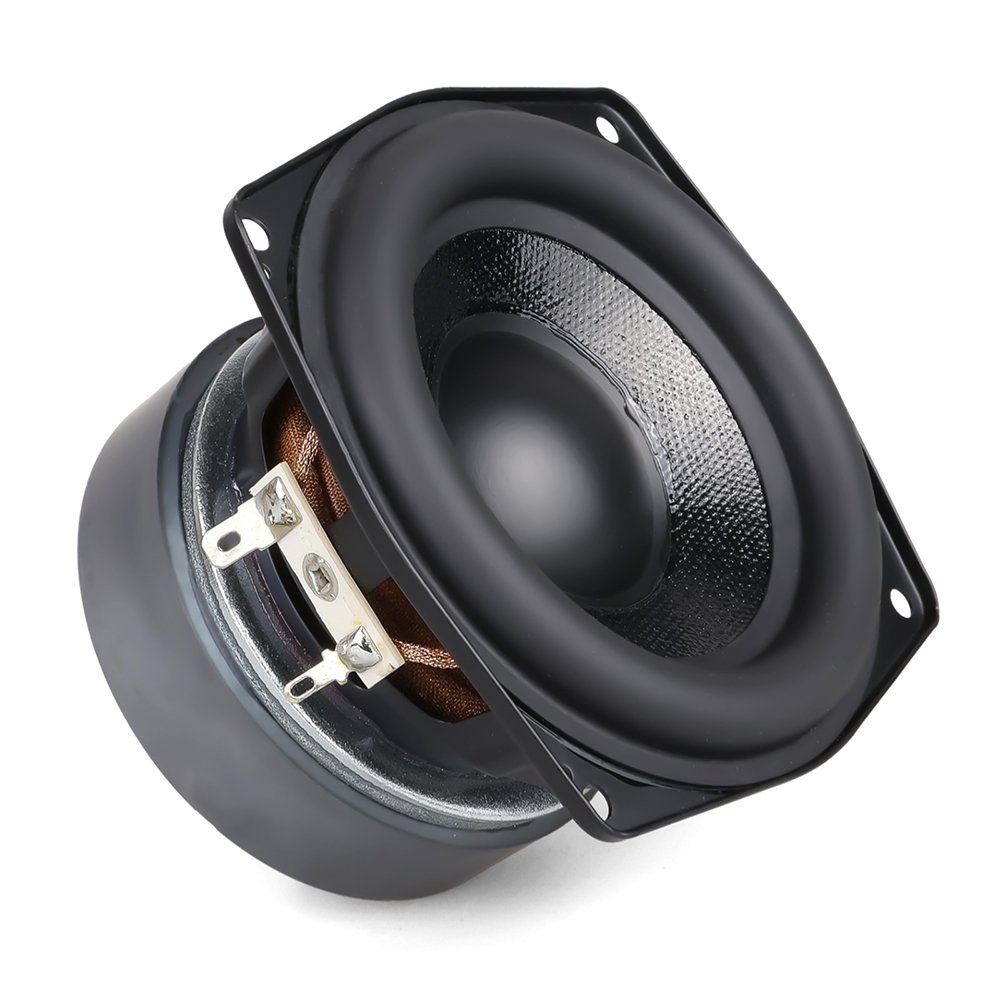
El panorama del Internet de las Cosas (IoT) está experimentando una transformación profunda, avanzando más allá de los dispositivos conectados simples hacia ecosistemas inteligentes y conscientes del contexto. En el corazón de esta evolución para aplicaciones de consumo y empresariales se encuentra el altavoz Bluetooth con IA. Antaño considerado simplemente un conducto para la transmisión de música, el altavoz Bluetooth con IA moderno es un sofisticado nodo de computación periférica, una interfaz activada por voz y un centro de recopilación de datos. Para las empresas de IoT, integrar estas soluciones ya no es un lujo, sino un imperativo estratégico. Se proyecta que el mercado global de altavoces inteligentes, un subconjunto central de esta categoría, crezca de $8.4 mil millones en 2023 a más de $35.5 mil millones para 2030, lo que refleja una tasa de crecimiento anual compuesta (CAGR) de aproximadamente el 22.8%. Este crecimiento está impulsado por los avances en los conjuntos de chips de IA de bajo consumo, la proliferación de los estándares Bluetooth 5.2/5.3 que ofrecen un alcance y una calidad de audio mejorados, y la demanda insaciable de experiencias de usuario fluidas y centradas en la voz.
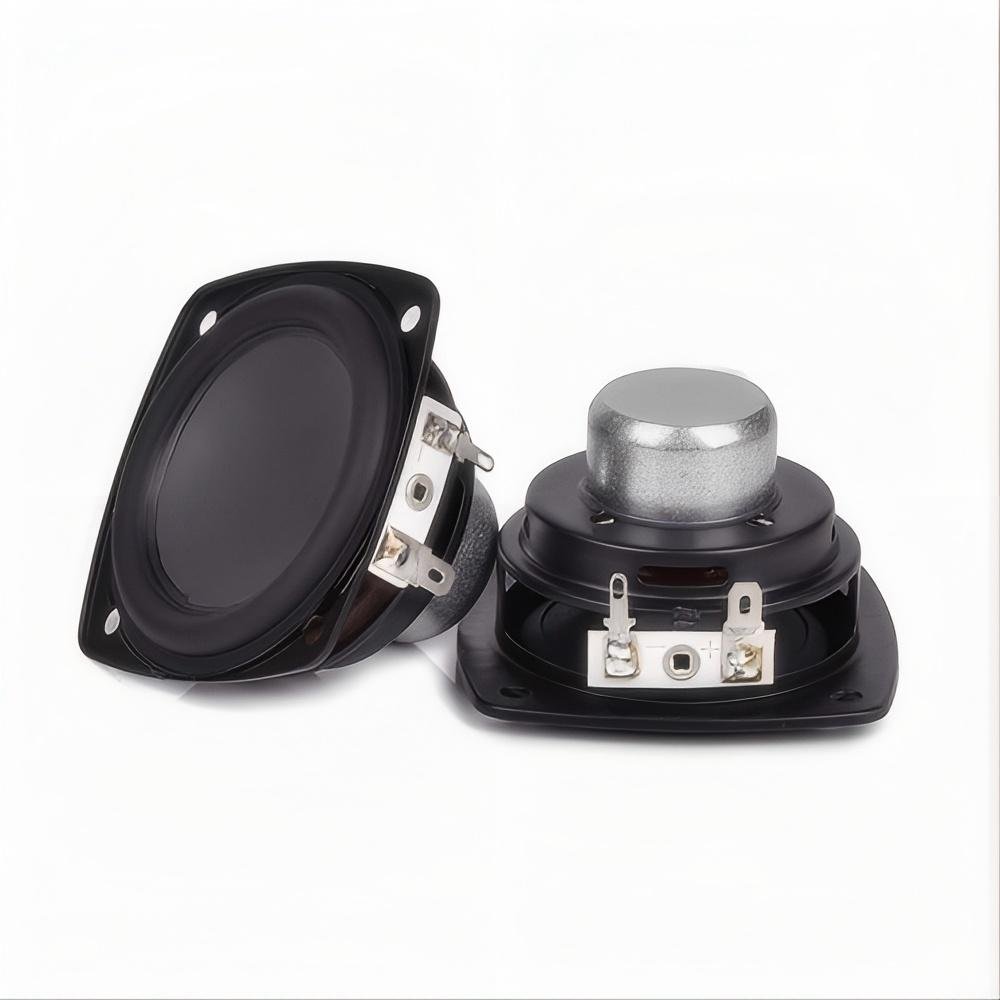
El cambio fundamental radica en trasladar la inteligencia de la nube al borde. Los primeros asistentes de voz dependían en gran medida de servidores en la nube para el procesamiento, lo que generaba problemas de latencia y privacidad. Hoy en día, la IA en el dispositivo permite que los altavoces Bluetooth realicen tareas críticas como la detección de palabras de activación, el reconocimiento básico de comandos e incluso la clasificación de eventos sonoros de forma local. Esto reduce el tiempo de respuesta de segundos a milisegundos, conserva el ancho de banda y funciona de manera confiable incluso con conectividad a Internet intermitente, un factor crucial para soluciones IoT robustas. Para las empresas de IoT, esto significa dispositivos más receptivos, privados y eficientes, que permiten casos de uso en monitoreo remoto, entornos industriales y entornos sensibles a la privacidad como la atención médica.
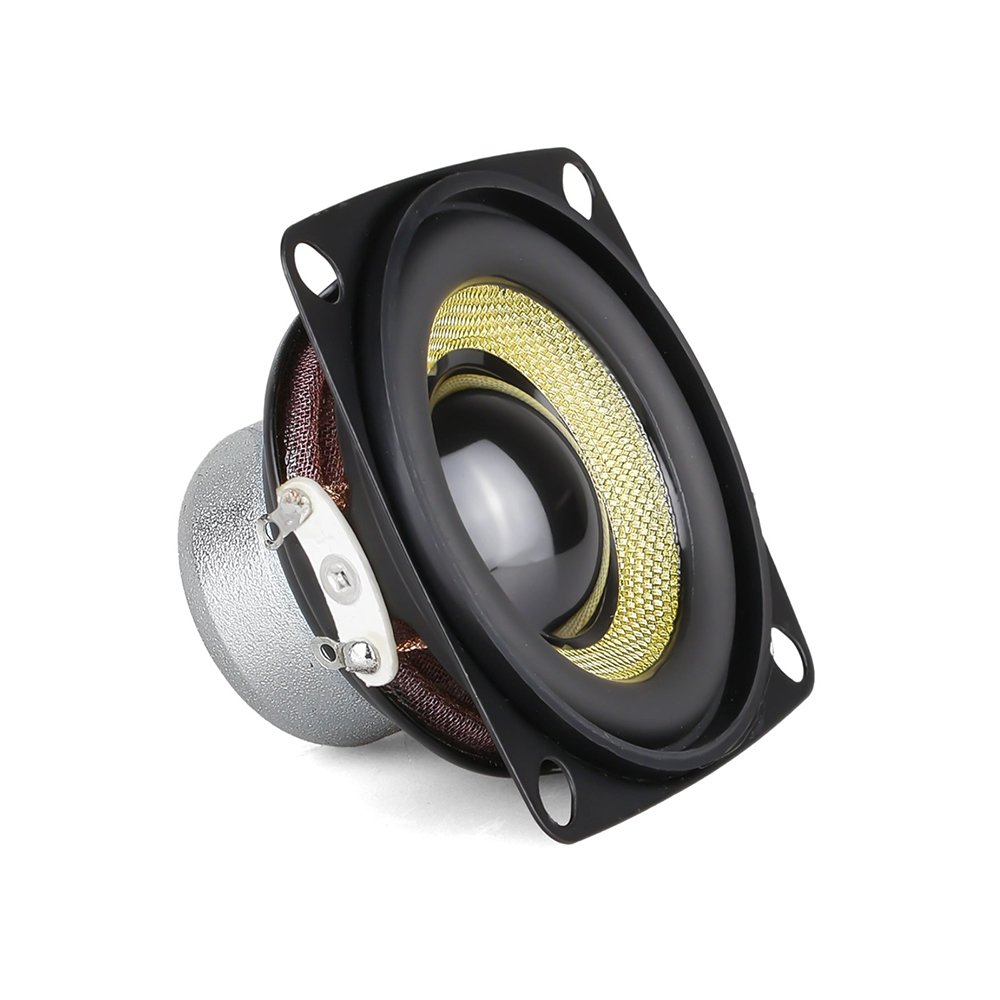
Capacidades Centrales de IA que Transforman la Funcionalidad del Altavoz Bluetooth
La propuesta de valor de un altavoz Bluetooth con IA para una empresa de IoT depende de su inteligencia integrada. Estos no son solo altavoces con un micrófono; están equipados con un conjunto de capacidades impulsadas por IA que redefinen la interacción y la funcionalidad.
Interacción de Voz Avanzada: Más allá del simple comando y control, los modelos modernos de Procesamiento de Lenguaje Natural (NLP) en el borde permiten diálogos más naturales y conversacionales. Funciones como la biometría de voz permiten el reconocimiento multiusuario, personalizando las respuestas y el acceso para cada miembro de la familia o empleado en un entorno corporativo. El análisis de sentimientos puede evaluar la emoción del usuario a partir de los tonos vocales, lo que permite que los bots de servicio al cliente o los compañeros de cuidado respondan con la empatía adecuada.
Conciencia de Audio Contextual: El procesamiento acústico impulsado por IA es un cambio de paradigma. Cancelación Activa de Ruido (ANC) en Tiempo Real y micrófonos de formación de haz aíslan los comandos de voz del usuario incluso en entornos ruidosos como fábricas u hogares concurridos. Aún más impresionante, la detección de eventos sonoros permite que el altavoz identifique firmas de audio específicas: un bebé llorando, un vidrio rompiéndose, una maquinaria que emite un sonido inusual o una alarma de humo sonando. Esto transforma un altavoz pasivo en un sensor ambiental activo, desencadenando alertas o acciones automatizadas dentro de la red IoT.
Personalización y Automatización Predictiva: Al aprender las rutinas y preferencias del usuario, la IA puede anticipar necesidades. En un ecosistema de hogar inteligente, un altavoz podría aprender que un usuario típicamente apaga las luces y ajusta el termostato después de un podcast de noticias nocturno, y posteriormente automatizar esta secuencia. En el comercio minorista, un altavoz en una tienda puede proporcionar promociones personalizadas basadas en perfiles de usuario reconocidos e interacciones pasadas.
Tabla: Comparación de Estándares Clave de Bluetooth para Altavoces IoT con IA
| Característica | Bluetooth 5.0/5.1 | Bluetooth 5.2 | Bluetooth 5.3 |
| :— | :— | :— | :— |
| Alcance Máximo | Hasta 240m (exterior) | Hasta 240m (exterior) | Hasta 240m (exterior) |
| Enfoque de Audio | Calidad de Audio Básica | LE Audio, Códec LC3 (Calidad Hi-Fi a la mitad de la tasa de bits) | LC3 Mejorado, mejor sincronización de audio |
| Ventaja Clave para IoT | Velocidad y alcance mejorados para datos | LE Audio y Auracast™ (transmisión a altavoces ilimitados), menor consumo | Subclasificación de conexión para una mejor eficiencia energética en datos intermitentes |
| Ideal Para | Audio IoT de uso general | Sincronización de múltiples altavoces de alta calidad, escenarios de transmisión pública | Dispositivos sensibles a la batería y de escucha continua |
Aplicaciones Estratégicas y Casos de Uso en Todas las Industrias
Para las empresas de IoT, la aplicación de los altavoces Bluetooth con IA se extiende mucho más allá de la sala de estar. Su combinación de E/S de audio, procesamiento local y conectividad inalámbrica los convierte en plataformas versátiles.
Hogar Inteligente e IoT Residencial: Este es el mercado más maduro. Aquí, el altavoz actúa como el concentrador central controlado por voz, orquestando luces, cerraduras, termostatos y cámaras de seguridad. La IA mejora esto al permitir rutinas basadas en eventos acústicos (por ejemplo, “si se detecta un vidrio roto, enciende todas las luces, graba video y envía una alerta”) y proporcionar actualizaciones proactivas (por ejemplo, “su lavadora ha terminado su ciclo”).
Empresarial y Oficina Inteligente: En las oficinas, los altavoces Bluetooth con IA facilitan las conferencias controladas por voz, la reserva de salas y la recuperación de información. También pueden monitorear las condiciones ambientales, como los niveles de ruido, para optimizar la utilización del espacio de trabajo y el bienestar de los empleados. En el comercio minorista, funcionan como asistentes interactivos de punto de venta, navegadores en tienda y asesores de compras personalizados.
Atención Médica y Vida Asistida: Esta es un área de crecimiento crítico. Los altavoces con IA pueden servir como compañeros no intrusivos para las personas mayores, proporcionando recordatorios de medicación, facilitando llamadas de voz a la familia y detectando caídas a través del análisis de sonido. Su capacidad para reconocer angustia en una voz o detectar sonidos específicos (como una persona cayendo) puede desencadenar alertas inmediatas a los cuidadores.
IoT Industrial (IIoT): En la fabricación y la logística, los altavoces Bluetooth con IA robustecidos pueden proporcionar flujos de trabajo guiados por voz a trabajadores con las manos ocupadas, ofrecer actualizaciones de estado del equipo en tiempo real y registrar datos a través de la voz. La capacidad de detección de eventos sonoros se puede entrenar para identificar señales de mantenimiento predictivo, como el sonido específico de un rodamiento que comienza a fallar.
Consideraciones de Integración Técnica y Desarrollo
Integrar una solución de altavoz Bluetooth con IA en una línea de productos IoT requiere una planificación cuidadosa. Las empresas de IoT deben navegar por la selección de hardware, el desarrollo de software y la interoperabilidad del ecosistema.
Hardware Platform Selection: La elección se encuentra entre módulos de altavoz inteligente estándar de proveedores como Qualcomm (serie QCC), Actions Semiconductor o Realtek, y diseños completamente personalizados. Las consideraciones clave de hardware incluyen:
- Aceleración de IA: Presencia de una NPU (Unidad de Procesamiento Neuronal) o DSP dedicado para una inferencia de IA eficiente en el dispositivo.
- Calidad del Arreglo de Micrófonos: Número y configuración de micrófonos para una formación de haz y supresión de ruido efectivas.
- Conectividad: Soporte para los últimos estándares Bluetooth (preferiblemente 5.2+ para LE Audio) y, a menudo, Wi-Fi de doble banda para un robusto backhaul en la nube.
- Gestión de Energía: Crucial para dispositivos que funcionan con batería, requiriendo un equilibrio entre la capacidad de escucha siempre activa y la duración de la batería.
Desarrollo de Software y Modelos de IA: La inteligencia central reside en la pila de software. Los desarrolladores deben elegir o entrenar modelos de aprendizaje automático para la detección de palabras de activación, el reconocimiento de voz y la clasificación de sonidos. Aprovechar los SDKs del proveedor (por ejemplo, TensorFlow Lite para Microcontroladores) y los modelos preentrenados puede acelerar significativamente el tiempo de comercialización. El firmware también debe manejar actualizaciones OTA (Over-the-Air) seguras para mejorar los modelos de IA y corregir vulnerabilidades después del despliegue.
Interoperabilidad y Estrategia de Ecosistema: La utilidad de un altavoz se multiplica por sus conexiones. El soporte para los principales asistentes de voz (Amazon Alexa Voice Service, Google Assistant SDK) puede ser necesario para el atractivo del consumidor. Para una mayor interoperabilidad en IoT, garantizar la compatibilidad con estándares como Matter se está volviendo esencial. Para ecosistemas propietarios, una API bien documentada para la integración de dispositivos de terceros es crítica.
Abordar la Seguridad de Datos y la Privacidad desde el Diseño
Como cualquier dispositivo conectado que escucha constantemente, los altavoces Bluetooth con IA están bajo un intenso escrutinio en cuanto a privacidad y seguridad de datos. Las empresas de IoT deben incorporar “Privacidad desde el Diseño” en sus soluciones desde el principio. Esto implica implementar características de seguridad de hardware sólidas como el arranque seguro y entornos de ejecución confiables. Se deben aplicar principios de minimización de datos: procesar el audio localmente siempre que sea posible y solo enviar datos cifrados a la nube cuando sea necesario para consultas complejas. Mecanismos claros de consentimiento del usuario y políticas de datos transparentes son innegociables para generar confianza. Características como un interruptor de silencio físico e indicadores LED visibles para cuando el micrófono está activo son ahora esperadas por los consumidores informados y, a menudo, requeridas por los marcos regulatorios.
La Trayectoria Futura y Recomendaciones Estratégicas
El futuro de los altavoces Bluetooth con IA en IoT se dirige hacia una mayor autonomía, colaboración e inteligencia ambiental. Veremos el auge de la inteligencia de enjambre, donde múltiples altavoces en un entorno colaboran para comprender mejor el contexto y localizar a los usuarios. La integración con otros sensores (temperatura, humedad, movimiento) en una sola placa creará una conciencia ambiental más holística. La implementación de Bluetooth LE Audio y Auracast™ revolucionará las experiencias de audio público, permitiendo a los usuarios conectarse sin problemas a altavoces en aeropuertos, teatros o salas de conferencias.
Para las empresas de IoT que buscan integrar esta tecnología, el camino a seguir es claro:
- Comience con el Caso de Uso: Defina el problema específico que resolverá el altavoz con IA. ¿Es control manos libres, monitoreo ambiental o compañía para el usuario?
- Priorice la Privacidad y la Seguridad: Conviértalos en su propuesta de venta única, no en una ocurrencia tardía.
- Elija el Nivel Correcto de Integración: Decida entre un enfoque modular utilizando pilas de hardware/software certificadas o una construcción personalizada para una máxima diferenciación.
- Planifique para la Interoperabilidad: Diseñe para el ecosistema abierto (Matter, etc.) mientras crea valor dentro de su propio ecosistema de marca.
- Itere con Datos: Utilice información de datos anónimos y agregados para refinar continuamente los modelos de IA y la experiencia del usuario.
Al implementar estratégicamente soluciones de altavoces Bluetooth con IA, las empresas de IoT pueden crear productos más intuitivos, útiles y contextualmente conscientes, asegurando una ventaja competitiva en un mundo cada vez más inteligente y conectado.
Preguntas y Respuestas Profesionales sobre Soluciones de Altavoces Bluetooth con IA
P1: Para una empresa de IoT, ¿cuáles son las principales compensaciones entre usar un asistente de voz preconstruido (como Alexa Built-in) versus desarrollar una interfaz de voz de IA propia para nuestro altavoz Bluetooth?
R1: Esta es una decisión estratégica fundamental. Usar un asistente preconstruido como Alexa Built-in o Google Assistant ofrece ventajas significativas: tiempo y costo de desarrollo drásticamente reducidos, familiaridad y confianza instantáneas del usuario, y acceso a un vasto ecosistema de “skills” existente. Es una excelente opción para productos dirigidos al mercado de consumo masivo donde el control perfecto del hogar inteligente es el objetivo principal. Las compensaciones incluyen menos control sobre la experiencia del usuario, dependencia del ecosistema y las políticas del proveedor, oportunidades de marca limitadas y el intercambio inherente de datos con un tercero.
Desarrollar una interfaz de voz propia ofrece control total sobre la UX, la marca, los datos y las políticas de privacidad. Permite una personalización profunda y específica del dominio (por ejemplo, usar jerga específica de la industria en un almacén logístico). Sin embargo, requiere una inversión masiva en talento de IA/ML, entrenamiento de modelos de PNL y mantenimiento continuo. El modelo de voz comenzará siendo menos capaz que un asistente importante. La recomendación suele ser un híbrido: usar un asistente preconstruido para tareas generales, pero desarrollar una palabra de activación propia en el dispositivo y un conjunto limitado de comandos de voz personalizados y específicos del dominio que manejen las funciones centrales únicas de su producto.
P2: ¿Qué tan significativo es el desafío del consumo de energía para las funciones de IA de “escucha siempre activa” en altavoces IoT que funcionan con batería, y cuáles son las soluciones técnicas actuales?
R2: El consumo de energía sigue siendo el mayor desafío para los dispositivos que funcionan con batería y están siempre escuchando. Ejecutar continuamente un modelo de IA de alto rendimiento agotaría una batería pequeña en horas. La solución de la industria es una arquitectura de escucha jerárquica de múltiples etapas. Un circuito de ultra bajo consumo optimizado por hardware (a menudo un MCU pequeño o una máquina de estados de hardware dedicada) monitorea constantemente la palabra de activación o un disparador de sonido específico. Este circuito consume una corriente mínima, a menudo en el Rango de microamperios (µA). Solo cuando esta etapa de bajo consumo detecta un posible disparador, “despierta” el procesador principal de la aplicación y el hardware de aceleración de IA más potente (NPU/DSP) para realizar el procesamiento completo de audio y la inferencia. Técnicas avanzadas como la cuantización y poda de modelos crean redes neuronales más pequeñas y eficientes que mantienen la precisión mientras reducen la carga computacional y el consumo de energía en el borde.
P3: Con el nuevo estándar Bluetooth LE Audio, ¿qué oportunidades específicas desbloquea para las empresas de IoT que implementan redes de altavoces?
R3: Bluetooth LE Audio, particularmente con la capacidad de transmisión Auracast™, representa un cambio de paradigma. Tradicionalmente, Bluetooth conectaba una fuente a uno o dos receptores (altavoces). LE Audio permite que una fuente de audio transmita a un número ilimitado de receptores. Para las empresas de IoT, esto abre puertas a:
- Megafonía e Inteligencia Ambiental: Implementar docenas de altavoces en un edificio inteligente para anuncios sincronizados sin interrupciones, música de fondo o guía, sin necesidad de emparejamientos complejos.
- Audición Asistida: Crear sistemas de asistencia auditiva personal de bajo costo en lugares públicos (teatros, salas de conferencias) donde los usuarios simplemente tocan para conectar sus audífonos o auriculares a la transmisión Auracast.
- Audio Multilingüe: En museos o visitas guiadas, los visitantes podrían seleccionar un canal Auracast para su idioma preferido desde una única fuente de transmisión.
- Audio Multisala Simplificado: Crear sistemas de audio para todo el hogar se vuelve más robusto y fácil de configurar en comparación con las redes de malla propietarias actuales.