
La Ciencia de la Reproducción de Sonido de Alta Frecuencia
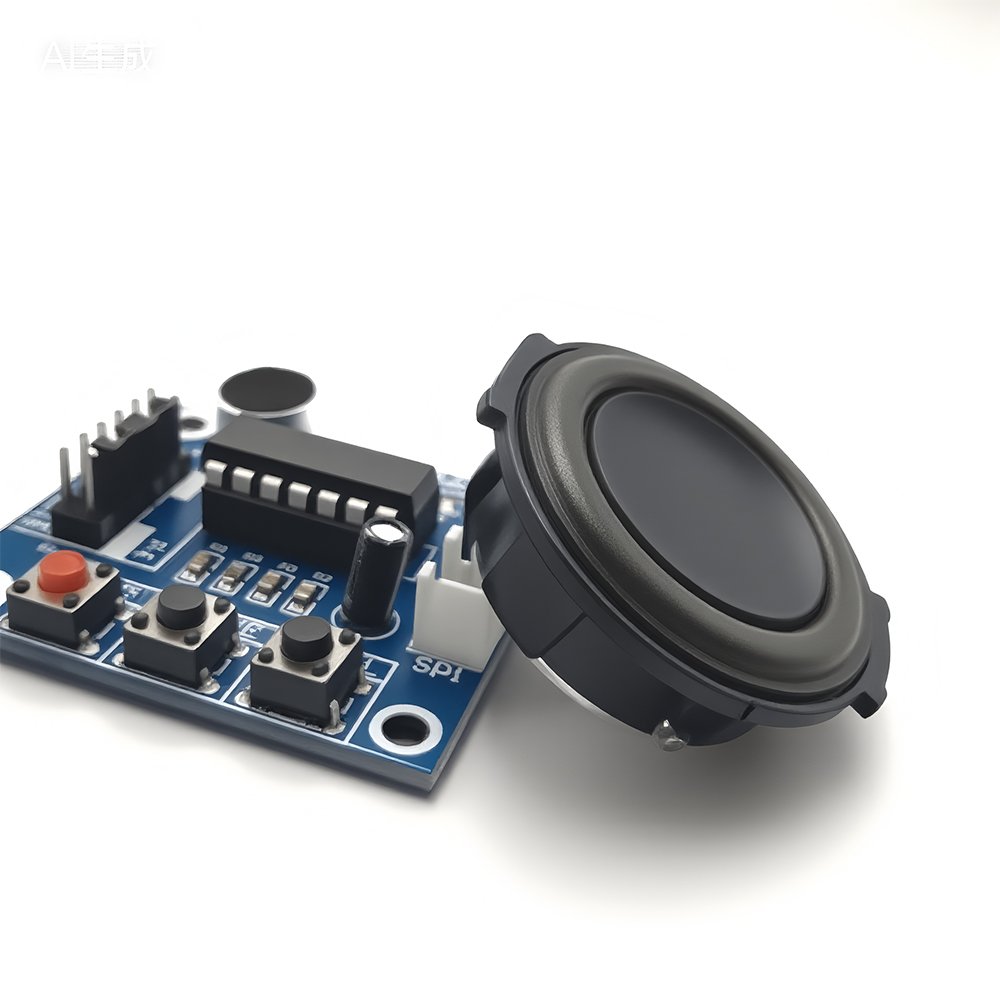
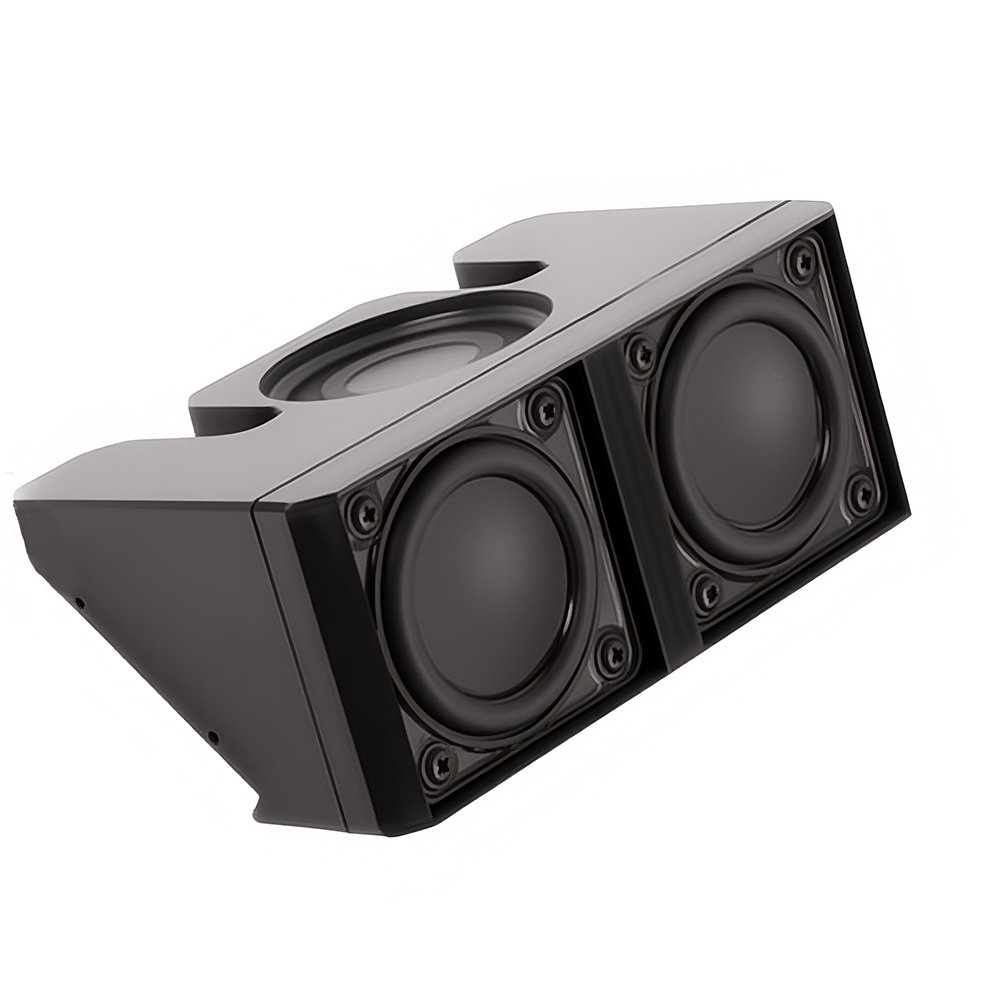
El diseño de altavoces de alta frecuencia representa uno de los desafíos más matizados en la ingeniería de audio, exigiendo una precisión que roza el arte. Operando típicamente entre 2,000 Hz y 20,000 Hz (el umbral superior de la audición humana), estos transductores son responsables de reproducir armónicos, señales espaciales y las texturas delicadas que definen el realismo del audio. A diferencia de los controladores de baja frecuencia que mueven aire mediante desplazamiento, los controladores de alta frecuencia operan mediante aceleración, requiriendo diafragmas que sean extremadamente rígidos y excepcionalmente ligeros. Los diseños más avanzados en 2024 utilizan materiales compuestos como berilio, aluminio recubierto de diamante o polímeros avanzados como el polieterimida, cada uno ofreciendo compensaciones distintas entre rigidez, propiedades de amortiguamiento y reducción de masa.
Las limitaciones físicas que rigen la reproducción de alta frecuencia son implacables. A medida que la frecuencia se duplica, la aceleración requerida del diafragma se cuadruplica, haciendo que la ciencia de los materiales sea primordial. El modelado computacional moderno permite a los ingenieros simular modos de ruptura (los puntos donde los diafragmas dejan de moverse como un pistón perfecto) antes de que existan prototipos físicos. Fabricantes líderes como Scan-Speak y SB Acoustics ahora emplean interferometría láser para visualizar estas distorsiones a resoluciones de nivel micrométrico. La búsqueda de una respuesta de alta frecuencia extendida más allá de 20 kHz, que alguna vez se consideró irrelevante, ha ganado una importancia renovada con estudios que sugieren que estos ultrasonidos influyen en la espacialización percibida y la riqueza armónica en pasajes musicales complejos.
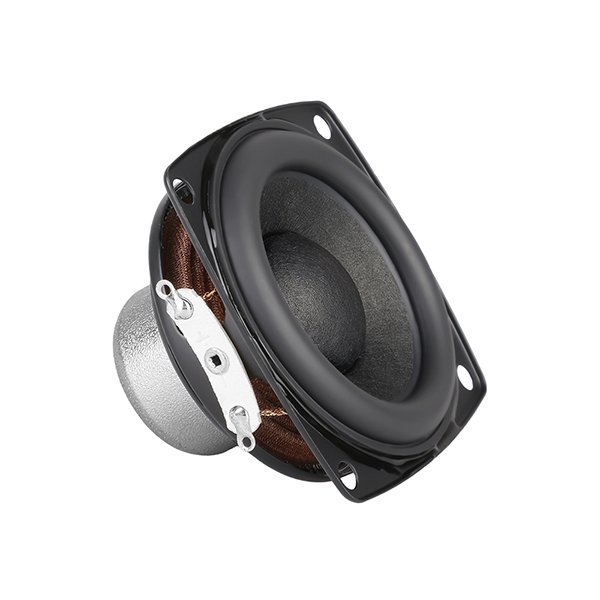
Tabla 1: Comparación de Rendimiento de Materiales para Diafragma de Alta Frecuencia 2024
| Material | Densidad (g/cm³) | Velocidad del Sonido (m/s) | Autoamortiguamiento | Aplicación Principal |
|———-|——————|———————–|————–|———————|
| Berilio | 1.85 | 12,900 | Bajo | Monitores de estudio de alta gama |
| Aluminio | 2.70 | 6,320 | Muy Bajo | Controladores de compresión de audio profesional |
| Titanio | 4.51 | 6,100 | Bajo | Sistemas de megafonía de alta potencia |
| Textil de Seda | 1.30 | 1,200 | Muy Alto | Tweeters de cúpula para alta fidelidad |
| AMT (Transformador de Movimiento de Aire) | N/A | N/A | Medio | Sistemas de alta eficiencia |
Componentes Críticos e Integración de Guías de Onda
Un transductor de alta frecuencia es un ecosistema de componentes interdependientes donde cada elemento influye en el carácter sonoro. La bobina móvil, típicamente enrollada con alambre de aluminio o aluminio revestido de cobre sobre formadores de poliimida, opera en espacios magnéticos extremadamente ajustados (a menudo por debajo de 0.5 mm) con densidades de flujo que superan 1.5 Tesla en sistemas basados en neodimio. Esto genera cifras de sensibilidad que superan los 90 dB/W/m, pero genera un calor sustancial; gestionar esta carga térmica mediante ventilación, refrigeración por ferrofluido o incluso disipadores de calor pasivos se ha convertido en estándar en diseños profesionales.
La arquitectura circundante es igualmente transformadora. Las guías de onda (o carga de bocina) han evolucionado desde simples controles de dispersión hasta sofisticadas lentes acústicas que gestionan patrones de directividad. Las guías de onda optimizadas por computadora ahora crean directividad constante a través de múltiples octavas, abordando la antigua compensación entre el ángulo de cobertura y la respuesta en frecuencia. Marcas como Genelec y Neumann emplean diseños integrados en el borde que tienen en cuenta las ubicaciones típicas de los monitores, mientras que las ofertas residenciales de KEF y Revel utilizan guías de onda concéntricas que proporcionan una consistencia fuera del eje notable. Las matemáticas detrás de estas formas implican resolver ecuaciones diferenciales complejas que modelan el aire como un fluido compresible, con avances recientes que aprovechan el aprendizaje automático para optimizar tanto el rendimiento medido como las preferencias subjetivas de escucha.
La integración del crossover sigue siendo quizás el aspecto más crítico—y a menudo más descuidado—de la implementación de controladores de alta frecuencia. Una pendiente acústica de cuarto orden podría proteger matemáticamente el controlador, pero sus interacciones de fase con los controladores de rango medio pueden crear errores de lóbulo que desdibujan audiblemente la imagen estéreo. Las soluciones modernas incluyen crossovers activos controlados por DSP con alineación temporal de precisión, o diseños pasivos que utilizan condensadores no polares e inductores de núcleo de aire que minimizan los mecanismos de distorsión. La tendencia de la industria hacia diseños coaxiales (como el controlador de compresión de berilio de TAD acoplado con un controlador de rango medio de cono) minimiza inherentemente el desplazamiento del centro acústico, ofreciendo un comportamiento de fuente puntual teóricamente perfecto.
Precisión de Fabricación y Validación de Mediciones
Los umbrales de tolerancia en la fabricación de controladores de alta frecuencia asombrarían a la mayoría de los ingenieros mecánicos. El centrado de la bobina móvil debe mantenerse dentro de micras, ya que incluso una ligera fricción contra el espacio magnético crea productos de distorsión que dominan las señales delicadas que se están reproduciendo. Los sistemas de inspección óptica automatizada ahora verifican la alineación de los componentes durante el ensamblaje, mientras que las cámaras anecoicas con capacidades de medición hasta 100 Hz (a través de sofisticadas técnicas de ventana temporal) proporcionan datos de validación que superan lo que era posible en laboratorios universitarios hace una década.
La filosofía de medición ha evolucionado más allá de simples gráficos de frecuencia en el eje. El estándar ANSI/CTA-2034-A de la Asociación de Tecnología del Consumidor (conocido popularmente como el protocolo “Spinorama”) ha establecido conjuntos de medición integrales que predicen el rendimiento en sala a través de un promedio de directividad estandarizado. Para los controladores de alta frecuencia, esto significa evaluar no solo la respuesta axial de 0 grados, sino el patrón de radiación tridimensional completo. Los diseñadores profesionales ahora examinan las reflexiones tempranas, la potencia sonora y las curvas del índice de directividad de manera más crítica que solo la respuesta en el eje. Este cambio de paradigma reconoce que los oyentes no solo escuchan el sonido directo, sino la energía integrada de las reflexiones dentro de sus entornos de escucha.
Tabla 2: Puntos de Referencia de Rendimiento para Clases de Controladores de Alta Frecuencia (Datos 2024)
| Tipo de Controlador | Sensibilidad Típica | Rango Utilizable | Distorsión (3er Armónico) @ 90dB | Manejo de Potencia |
|————-|———————|————–|———————————-|—————-|
| Tweeter de Cúpula (Seda 28mm) | 89 dB | 1.8k-25k Hz | 0.8% @ 10kHz | 50W RMS |
| Controlador de Compresión (Berilio) | 110 dB | 800-20k Hz | 0.3% @ 10kHz | 100W RMS |
| Transductor de Cinta | 95 dB | 2.5k-40k Hz | 0.5% @ 10kHz | 30W RMS |
| Tweeter AMT | 92 dB | 1.5k-25k Hz | 0.4% @ 10kHz | 80W RMS |
| Tweeter de Plasma | 78 dB | 500-150k Hz | 0.05% @ 10kHz | 15W RMS |
Tecnologías Avanzadas y Trayectorias Futuras
La frontera de la reproducción de alta frecuencia está siendo remodelada por varias tecnologías convergentes. Los sistemas de accionamiento digital directo, donde la bobina móvil se conecta directamente a la salida del DAC sin etapas de amplificación analógica, eliminan clases enteras de distorsión por intermodulación. Aunque actualmente limitado a instalaciones de estudio especializadas, este enfoque apunta hacia ecosistemas de transductores completamente digitales. De manera similar, los metamateriales—estructuras diseñadas con propiedades acústicas no encontradas en la naturaleza—están comenzando a aparecer en diseños de guías de onda, permitiendo patrones de dispersión previamente considerados físicamente imposibles.
Quizás el desarrollo más transformador sea la integración de monitoreo y compensación en tiempo real. Los sensores MEMS (Sistemas Micro-Electro-Mecánicos) integrados en los conjuntos de controladores ahora pueden detectar la posición del diafragma con precisión nanométrica, alimentando datos a controladores DSP que aplican señales correctivas—creando esencialmente un sistema servo acústico. Este enfoque de bucle cerrado reduce drásticamente la distorsión de no linealidades magnéticas o irregularidades de suspensión. Mientras tanto, la fabricación aditiva permite geometrías imposibles con herramientas tradicionales, como rejillas de difracción correctoras de fase o componentes de suspensión de densidad graduada que varían la compliancia en su área superficial.
Mirando hacia el horizonte de 2030, estamos observando investigaciones tempranas sobre materiales compuestos de túnel cuántico cuya resistencia eléctrica cambia bajo tensión mecánica, potencialmente creando controladores que son simultáneamente el transductor, el amplificador y el crossover. Aunque comercialmente distantes, estas exploraciones subrayan la verdad fundamental del diseño de alta frecuencia: la búsqueda de la reproducción de sonido perfecta sigue siendo una de las intersecciones más técnicamente exigentes y creativamente gratificantes de la física, la ciencia de los materiales y la psicología perceptual.
Preguntas y Respuestas Profesionales: Consideraciones de Diseño de Alta Frecuencia
P: ¿Qué tan importante es la respuesta de alta frecuencia extendida más allá de 20 kHz, dados los límites de la audición humana?
R: Si bien el límite superior convencional de 20 kHz se mantiene para la percepción de tonos puros, la investigación de la Sociedad de Ingeniería de Audio (AES Paper 10064, 2023) demuestra que el contenido ultrasónico afecta los productos de intermodulación dentro del rango audible, particularmente para transitorios complejos. Además, muchos formatos digitales y micrófonos capturan información más allá de 20 kHz, y la reproducción adecuada de esta información afecta la coherencia de fase en el espectro audible. La mayoría de los diseños de alta gama ahora apuntan a al menos 40 kHz de respuesta por integridad técnica, más que por audibilidad directa.
P: ¿Cuál es el impacto práctico de las elecciones de material del diafragma en entornos de escucha del mundo real?
R: La elección del material afecta principalmente el comportamiento del modo de ruptura y la respuesta transitoria. La excepcional relación rigidez-peso del berilio empuja los nodos de ruptura más allá de 30 kHz en implementaciones bien diseñadas, creando un comportamiento pistónico en todo el rango audible. Esto se traduce en una menor distorsión durante pasajes complejos. Sin embargo, en entornos residenciales con un tratamiento acústico significativo, los diseños de cúpula de seda implementados adecuadamente, con su amortiguamiento superior, pueden producir una respuesta subjetivamente más suave a pesar de una extensión técnicamente menor.
P: ¿Qué tan crítica es la alineación temporal entre los controladores de alta frecuencia y otros elementos del sistema?
R: Crítica para una imagen precisa. Un desalineamiento de solo 0.1 ms (aproximadamente 3.4 cm de diferencia de trayectoria acústica) crea un filtrado de peine medible por encima de 1 kHz que afecta el equilibrio tonal y la localización de la fuente. Las soluciones modernas incluyen el desplazamiento físico del controlador en el diseño del crossover, la corrección de retardo basada en DSP en sistemas activos, o arreglos coaxiales. La última generación de monitores de estudio utiliza procesamiento basado en FPGA con resolución temporal de submuestras para mantener la alineación en todo el campo de escucha.
P: ¿Qué papel juega la metodología de medición de distorsión en la evaluación de la calidad de un controlador de alta frecuencia?
R: Las mediciones tradicionales de THD a menudo no logran capturar problemas perceptualmente relevantes. Las pruebas de multitono y las mediciones de distorsión por intermodulación (como las pruebas CCIF o DIM) revelan mejor los problemas con señales complejas. Los fabricantes más avanzados ahora incluyen análisis basado en wavelets que muestra la distorsión en relación con la frecuencia y el tiempo simultáneamente, identificando problemas que ocurren solo durante transitorios específicos. Un controlador que mide 0.2% THD podría exhibir un 2% de distorsión en ciertos picos musicales—solo las pruebas avanzadas revelan esto.
P: ¿Son siempre beneficiosas las guías de onda en el diseño de alta frecuencia?
R: No universalmente. Si bien las guías de onda mejoran el control de directividad y aumentan la sensibilidad, las implementaciones mal diseñadas crean reflexiones y artefactos de difracción. El diseño óptimo depende completamente de la aplicación: las guías de onda de directividad constante sobresalen en monitoreo profesional donde la tonalidad consistente en todas las posiciones de escucha es importante, mientras que los diseños minimalistas a menudo producen una respuesta axial superior para entornos de un solo oyente. La tendencia actual hacia guías de onda optimizadas por CFD representa la mejor compensación, pero no hay sustituto para una medición anecoica integral del sistema completo.
P: ¿Cómo impactarán la IA y el aprendizaje automático en el desarrollo futuro de controladores de alta frecuencia?
R: Ya son transformadores en tres áreas: Primero, los algoritmos de diseño generativo crean geometrías de suspensión que optimizan múltiples parámetros simultáneamente. Segundo, las redes neuronales predicen preferencias subjetivas de escucha a partir de datos de medición, acelerando las decisiones de ecualización. Tercero, los sistemas adaptativos en tiempo real utilizan aprendizaje automático para optimizar la respuesta basándose en la acústica de la sala y el material del programa. Nos estamos moviendo de diseños estáticos a transductores inteligentes que se autootimizan continuamente—la próxima revolución en fidelidad sonora.