
La búsqueda de un sonido de alta fidelidad en dispositivos cada vez más compactos es uno de los retos más apasionantes de la ingeniería acústica. Desde elegantes barras de sonido y altavoces Bluetooth portátiles hasta auriculares inalámbricos totalmente inmersivos y dispositivos domésticos inteligentes, los consumidores exigen un sonido rico y de amplio espectro en recintos que, a menudo, son más pequeños que una taza de café. Este artículo profundiza en los principios fundamentales del diseño acústico que permiten a los ingenieros sacar un rendimiento excepcional de los altavoces pequeños, equilibrando las leyes inmutables de la física con la innovación de vanguardia.
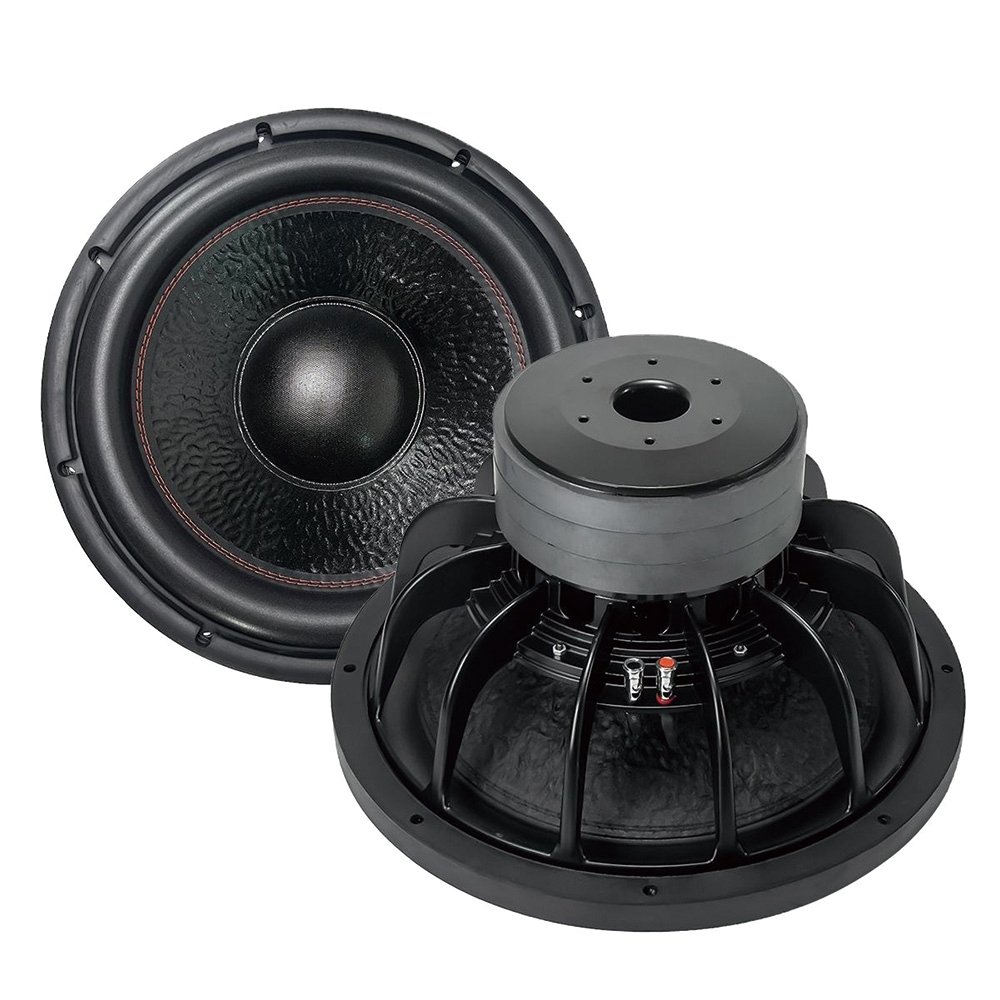
1. El reto fundamental: la física de la miniaturización
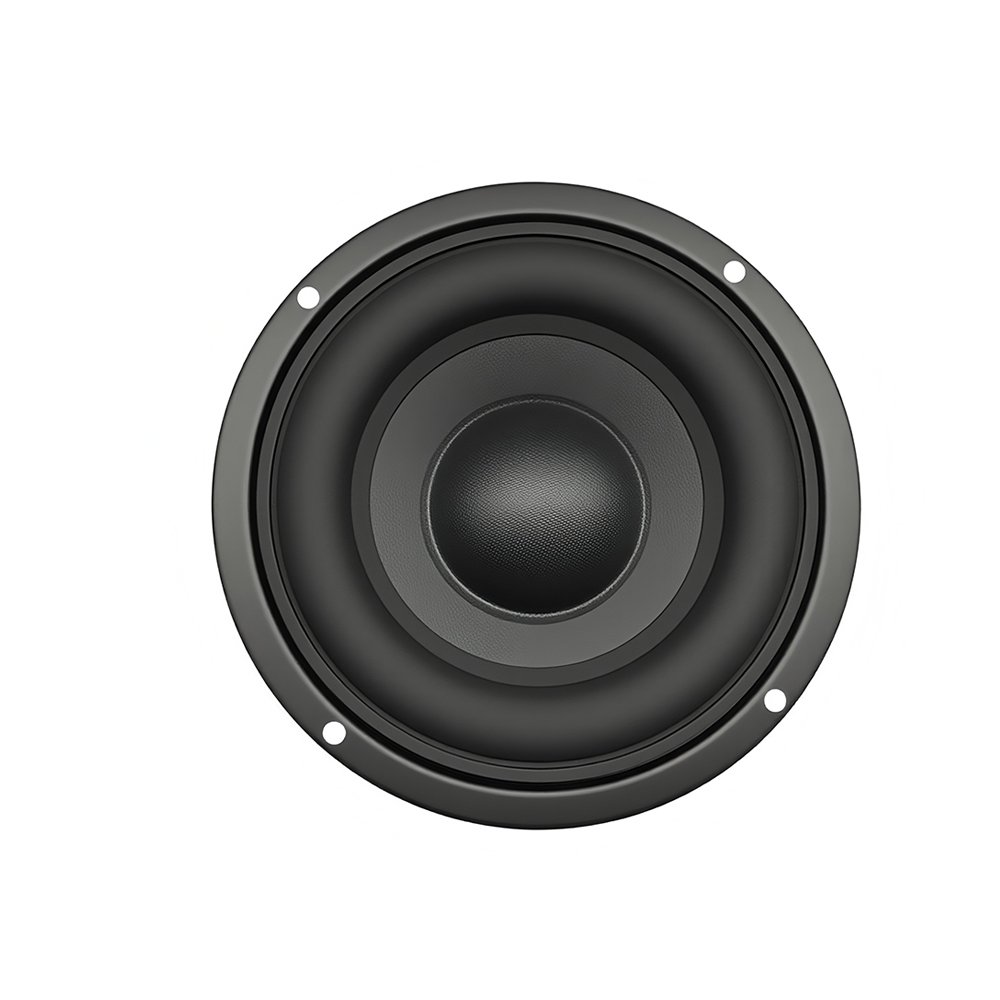
En el corazón del diseño de los altavoces pequeños se esconde una lucha fundamental contra las leyes de la física. Los parámetros de rendimiento fundamentales de un altavoz —su extensión en bajas frecuencias, su eficiencia y su nivel máximo de salida— están intrínsecamente ligados al tamaño de su superficie radiante (el transductor) y al volumen de su caja acústica. Parámetros de Thiele-Small, el conjunto de especificaciones que definen las características eléctricas y mecánicas de un controlador, se convierte en la guía fundamental para los diseñadores.
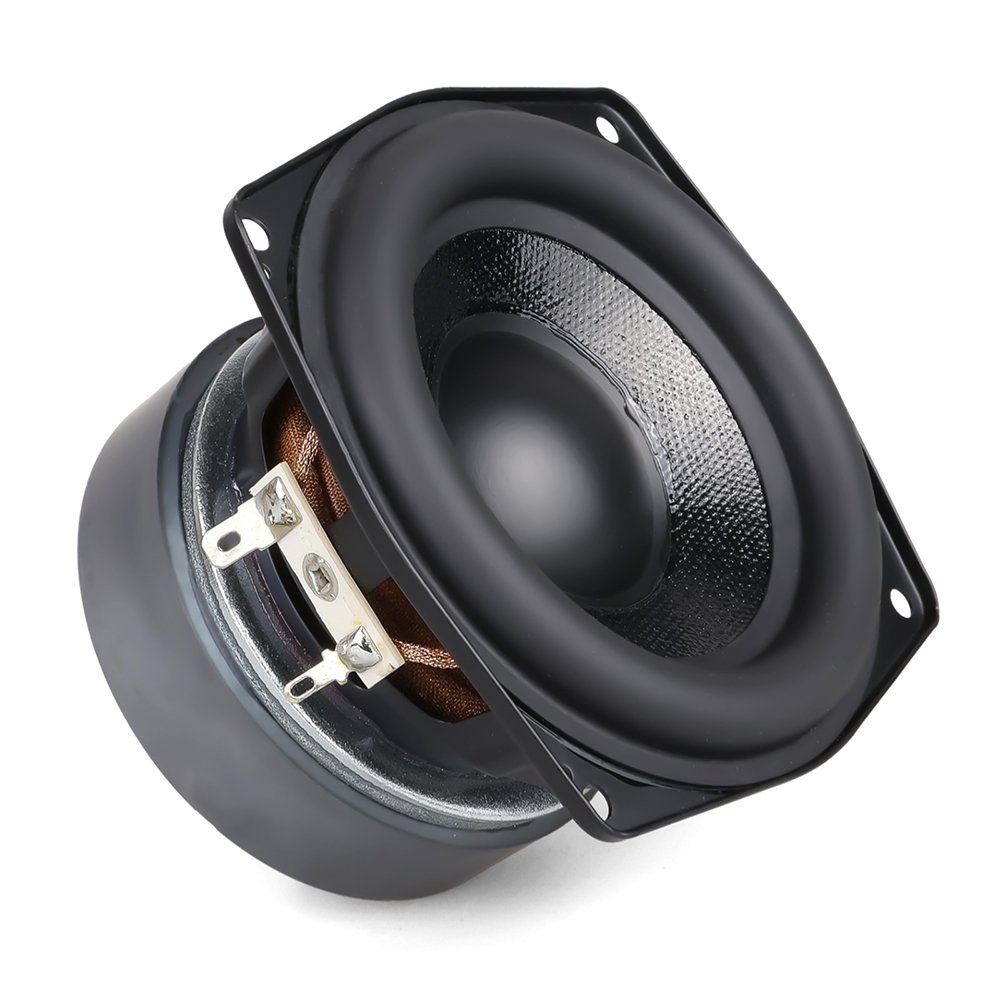
Una limitación clave es ley de la masa, según la cual la salida de baja frecuencia de un altavoz es proporcional al volumen de aire que puede desplazar. El desplazamiento es el producto del área efectiva del pistón del transductor (Sd) y su excursión lineal (Xmax). Un altavoz pequeño tiene una superficie reducida, por lo que, para desplazar el mismo volumen de aire que un woofer grande, debe moverse mucho más hacia dentro y hacia fuera. Esto exige una estructura de motor (imán y bobina móvil) capaz de generar una fuerza significativa al tiempo que mantiene el control sobre un diafragma de gran excursión, todo ello en un espacio muy reducido.
Además, a medida que se reduce el volumen de la caja acústica, el resorte de aire interno se vuelve más rígido. Esto aumenta la frecuencia de resonancia (Fs) del sistema, lo que limita de forma inherente la respuesta de graves. Por lo tanto, el reto es triple: diseñar un motor de gran desplazamiento, gestionar los límites mecánicos y térmicos de la miniaturización y emplear un sofisticado procesamiento de señales para superar las deficiencias físicas inherentes. El auge de Amplificación de clase D y avanzado DSP (Procesamiento de señales digitales) Ha resultado fundamental, ya que proporciona una alimentación eficiente y con bajo calentamiento, además de la posibilidad de personalizar las curvas de respuesta de formas que serían imposibles solo con la tecnología analógica.
2. Innovación en la estructura del controlador y el motor
El altavoz es el corazón del sistema. En los altavoces pequeños, cada componente está optimizado para ofrecer el máximo rendimiento por milímetro cúbico.
- Materiales del diafragma: La ciencia moderna de los materiales es fundamental. La pulpa de papel tradicional ha dado paso a los materiales compuestos, los tejidos recubiertos y los plásticos sofisticados como polipropileno y PET. Los microaltavoces de gama alta suelen utilizar titanio reforzado con boro o diafragmas recubiertos de diamante amorfo para lograr una combinación ideal entre ligereza (que garantiza una alta eficiencia y una respuesta transitoria rápida) y rigidez (para evitar distorsiones por ruptura en las frecuencias altas).
- Sistemas de motor: El objetivo es conseguir el máximo flujo magnético en el menor espacio posible. Los imanes de ferrita son muy comunes, pero imanes de neodimio son el referente en el ámbito de los altavoces pequeños gracias a su excepcional relación resistencia-tamaño. Innovaciones como sobredimensionado y en voladizo Los diseños de bobinas móviles, combinados con modelos de análisis de elementos finitos (FEA), optimizan la linealidad del campo magnético, lo que reduce la distorsión, especialmente en excursiones elevadas.
- Suspensión y estabilidad: El borde (suspensión exterior) y la araña (suspensión interior) deben permitir un recorrido largo y lineal, al tiempo que mantienen el centrado perfecto de la bobina móvil. Nuevas técnicas de fabricación para revestimientos de varios rollos y materiales de tela no tejida con forma de araña, cortados con láser proporcionan un control preciso sobre la fuerza de restauración.
Tabla 1: Comparación de los materiales más habituales para los diafragmas de los altavoces en miniatura
| Material | Características principales | Caso de uso típico |
| :— | :— | :— |
| Polipropileno | Buena amortiguación, bajo coste, peso ligero | Altavoces de rango medio en altavoces portátiles |
| Aluminio/Magnesio | Sonido ligero, nítido y brillante | Tweeters y altavoces de gama completa en unos auriculares de alta gama |
| Compuesto de titanio | Extremadamente rígido, de baja masa y con un excelente nivel de detalle | Micropreamplificadores de alto rendimiento |
| Biocelulosa | Amortiguación interna excepcional, sonido natural | Altavoces en miniatura de alta fidelidad |
| LCP (polímero de cristal líquido) | Alta relación rigidez-peso, ruptura controlada | Auriculares avanzados y transductores ultracompactos |
3. Diseño de la caja y carga acústica
La caja acústica es mucho más que una simple carcasa estética; es un componente acústico activo. En el caso de los altavoces pequeños, la elección del tipo de caja supone un equilibrio fundamental entre el tamaño, la respuesta de graves y la eficiencia.
- Cajas acústicas cerradas (suspensión acústica): El diseño más sencillo. El aire del interior actúa como un resorte, lo que proporciona una atenuación suave de segundo orden por debajo de la resonancia del sistema. Aunque no son los más eficientes en cuanto a graves, los diseños sellados se valoran por su respuesta transitoria precisa y compacta, así como por su reducido tamaño. Son muy habituales en los auriculares inalámbricos y en muchos minialtavoces Bluetooth.
- Cajas acústicas Bass-Reflex (con puerto): Se utiliza un puerto o radiador pasivo para ampliar la respuesta en bajas frecuencias. La resonancia de Helmholtz entre la masa del puerto y el volumen de la caja acústica genera una respuesta sintonizada que puede añadir entre 3 y 5 dB de salida cerca de la frecuencia de sintonización. Esto permite percibir unos graves más profundos a partir de un volumen de caja acústica determinado. Radiadores pasivos (un diafragma sin alimentación) suelen ser la opción preferida en altavoces pequeños, ya que eliminan el ruido del puerto (silbido) y son menos propensos a que se obstruyan con residuos.
- Tecnología de radiador pasivo: Esto se ha convertido en una característica distintiva de los altavoces compactos de gama alta. Mediante el uso de uno o varios radiadores pasivos, los diseñadores pueden aumentar de forma efectiva el área de desplazamiento aparente del sistema sin aumentar el tamaño del altavoz. Las implementaciones modernas utilizan dos radiadores pasivos opuestos para eliminar la vibración de la caja acústica, lo que permite obtener un mayor rendimiento con menos coloración de la caja.
- Laberintos acústicos y líneas de transmisión: Aunque es poco habitual en altavoces realmente pequeños debido a las limitaciones de tamaño, se utilizan un sistema avanzado de conductos internos y amortiguación acústica para controlar las ondas traseras y suprimir las ondas estacionarias internas que pueden alterar el sonido.
4. La revolución digital: DSP, ecualización y psicoacústica
Es aquí donde los pequeños altavoces modernos llevan a cabo sus mayores proezas de “alquimia acústica”.” Procesamiento de señales digitales (DSP) es la herramienta indispensable que compensa las limitaciones físicas.
- Mejora de los graves: Algoritmos sofisticados como ecualizador dinámico de graves analizar el contenido en tiempo real y aplicar generación armónica o una ecualización dinámica sutil para crear la percepción de unos graves más profundos sin forzar al altavoz a una sobreexcursión destructiva. El audio computacional de Apple en el HomePod mini es un ejemplo paradigmático.
- Protección del conductor y limitadores: Los modelos térmicos y de excursión se ejecutan en tiempo real en el DSP. Si el procesador prevé que la bobina móvil se va a sobrecalentar o que el diafragma va a superar el Xmax, limita de forma inteligente determinadas frecuencias para proteger el hardware, a menudo de una manera que resulta apenas perceptible para el oyente.
- Adaptación de la habitación/el entorno: Gracias a sus micrófonos integrados, altavoces como los de la serie Sonos Era o la Bose Smart Soundbar 900 ofrecen corrección automática de la sala. Miden la respuesta acústica de la sala y aplican una curva de ecualización correctiva para contrarrestar los picos y valles de graves, así como otras distorsiones debidas a los modos de la sala.
- Afinación psicoacústica: El DSP se utiliza para adaptar el perfil sonoro a las preferencias del mercado, a menudo haciendo hincapié en la claridad en el rango vocal o añadiendo una “curva de sonrisa” (graves y agudos realzados). También permite funciones como sonido envolvente virtual a partir de una única barra compacta.
5. Integración de sistemas y diseño interdisciplinar
Un altavoz pequeño no es solo un dispositivo acústico; es un sistema perfectamente integrado de prioridades contrapuestas.
- Gestión térmica: Una alta potencia en un espacio reducido genera calor. Los amplificadores eficientes de clase D, la disipación estratégica del calor en el chasis y la ventilación son fundamentales para evitar la reducción del rendimiento y los problemas de fiabilidad a largo plazo.
- Batería frente a red eléctrica: En los diseños portátiles, la capacidad y la eficiencia de la batería son factores determinantes. Cada decisión, desde la selección del chip amplificador hasta la complejidad del algoritmo del DSP, se evalúa en función de su impacto en la autonomía. Eficiencia del códec Bluetooth (por ejemplo, LDAC frente a AAC frente a SBC) también influye en el consumo de batería.
- Diseño industrial y acústica: El conflicto es directo: los diseñadores quieren rejillas sin juntas, estanqueidad (IP67) y una estética llamativa. Los especialistas en acústica necesitan vías abiertas y sin obstáculos para las ondas sonoras. El compromiso suele implicar rejas metálicas o de tela microperforadas que son acústicamente transparentes pero visualmente opacos, y el uso de geometría de la guía de ondas interna para desviar el sonido alrededor de obstáculos físicos.
El panorama en 2024 está siendo determinado por aprendizaje automático aplicaciones en el procesamiento de señales digitales (DSP) para un audio adaptativo aún más inteligente, nuevas compuestos de grafeno y nanomateriales para los diafragmas, y la integración de audio espacial procesamiento para experiencias inmersivas a partir de fuentes puntuales. La tendencia a la miniaturización no da señales de ralentizarse, lo que empuja a los ingenieros acústicos a buscar continuamente nuevas soluciones en la intersección entre la física, la ciencia de los materiales y la inteligencia digital.
Preguntas y respuestas profesionales sobre el diseño acústico de altavoces pequeños
P1: Desde un punto de vista puramente físico, ¿existe un “límite de tamaño” definitivo por debajo del cual resulte imposible obtener un sonido de alta fidelidad y de gama completa?
A: Aunque no existe un “muro” absoluto, sí hay una curva de rendimientos que disminuye rápidamente. El límite fundamental es desplazamiento de aire. Para conseguir un sonido verdaderamente de gama completa (20 Hz-20 kHz) a niveles de presión sonora (SPL) significativos, es necesario desplazar un determinado volumen de aire. La tecnología actual, que utiliza transductores de 10-15 mm en los auriculares intraauriculares, incluso con una mejora considerable mediante procesamiento digital de señal (DSP), tiene dificultades para producir un sonido nítido por debajo de los 70-80 Hz. El futuro no reside en desafiar las leyes de la física, sino en una mejor compensación psicoacústica y, tal vez, en sistemas de audio distribuidos (por ejemplo, múltiples altavoces diminutos que funcionen de forma coordinada) para crear la percepción de un sonido de rango completo.
Pregunta 2: ¿Qué importancia tiene el paso de las redes de cruce analógicas tradicionales a los cruces totalmente activos basados en DSP en los altavoces compactos de gama alta?
A: Se trata de un cambio transformador. Un análisis de 2023 sobre el mercado de los altavoces portátiles de gama alta indicaba que más de 85% de modelos con un precio superior a $300 Ahora utilizan crossovers DSP totalmente activos. Las ventajas son considerables: una alineación perfecta en fase lineal entre los altavoces, un ajuste dinámico en función del contenido o del volumen, y una limitación de protección individual para cada altavoz. Esto permite utilizar altavoces más económicos y compactos, cuyas imperfecciones inherentes pueden corregirse en el ámbito digital, lo que permite una mejor optimización a nivel de sistema de lo que jamás fue posible con componentes pasivos.
Pregunta 3: Con el auge de los asistentes de voz, ¿cómo mitigan los diseñadores el impacto acústico que tiene el conjunto de micrófonos siempre activos en el rendimiento de los altavoces?
A: Se trata de un gran reto de integración. Las aberturas para los micrófonos provocan fugas e irregularidades inevitables en la carcasa. Los diseñadores utilizan laberintos acústicos y sellado de la cámara trasera detrás de los módulos de micrófono para aislar la cavidad interna del altavoz de la entrada del micrófono. Además, la ubicación física de los micrófonos se optimiza mediante simulaciones de formación de haces para que se sitúen en puntos nulos acústicos para los altavoces principales, lo que reduce el acoplamiento directo. Avanzado algoritmos de cancelación de eco y, a continuación, procesar el resto en el ámbito digital.
Pregunta 4: ¿Cuál ha sido el avance tecnológico más relevante en el diseño de altavoces pequeños en los últimos cinco años?
A: Aunque se suele atribuir gran parte del mérito al DSP, el avance que lo ha hecho posible ha sido la proliferación de circuitos integrados de amplificadores de clase D de alta eficiencia y alta densidad de potencia. Los chips modernos de empresas como Qualcomm (Cirrus Logic), Texas Instruments e Infineon pueden proporcionar más de 50 W de potencia limpia a partir de un chip más pequeño que la uña del pulgar, con núcleos DSP integrados, entradas digitales I2S y circuitos de protección avanzados. Este nivel de potencia integrada y de bajo consumo ha permitido a los diseñadores sacar más partido a los pequeños amplificadores y controlarlos mejor que nunca, lo que hace que los sofisticados algoritmos DSP sean físicamente viables.